What Are Prescription Acne Treatments

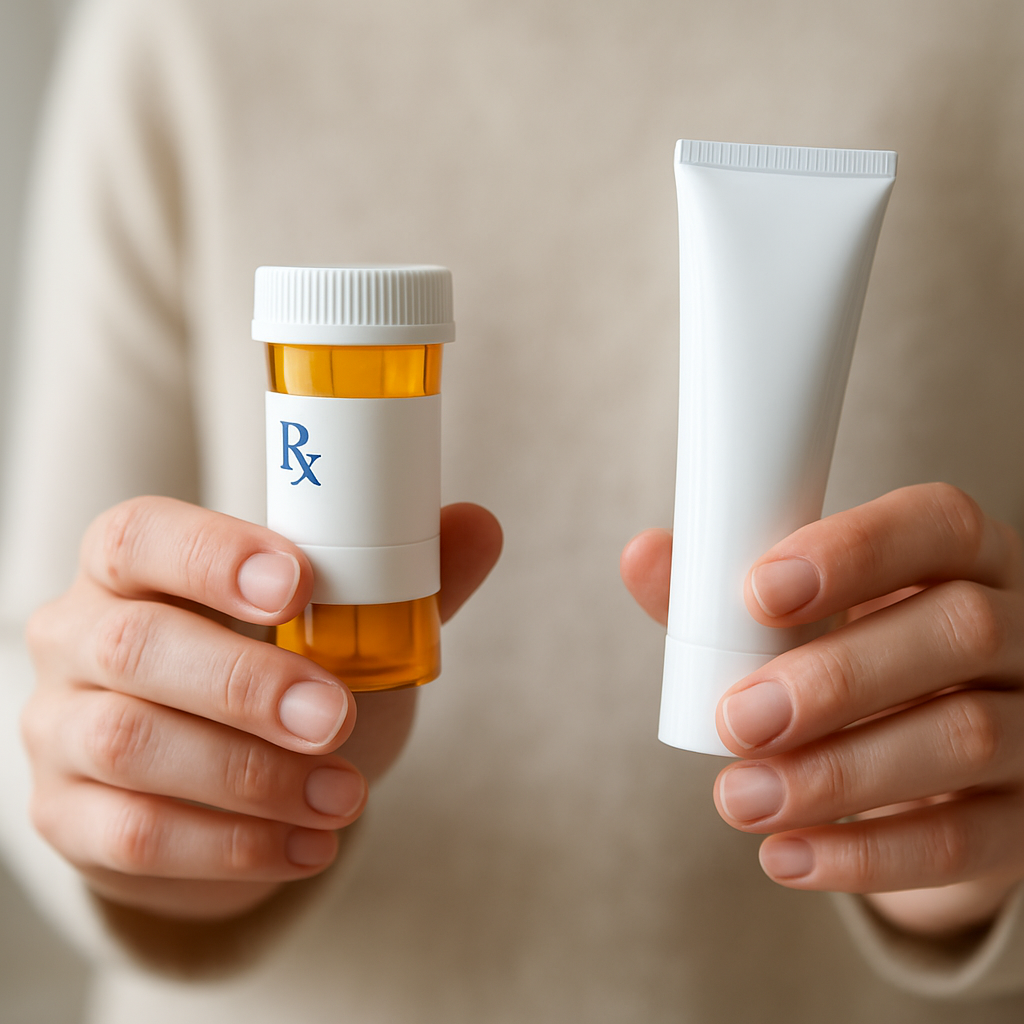
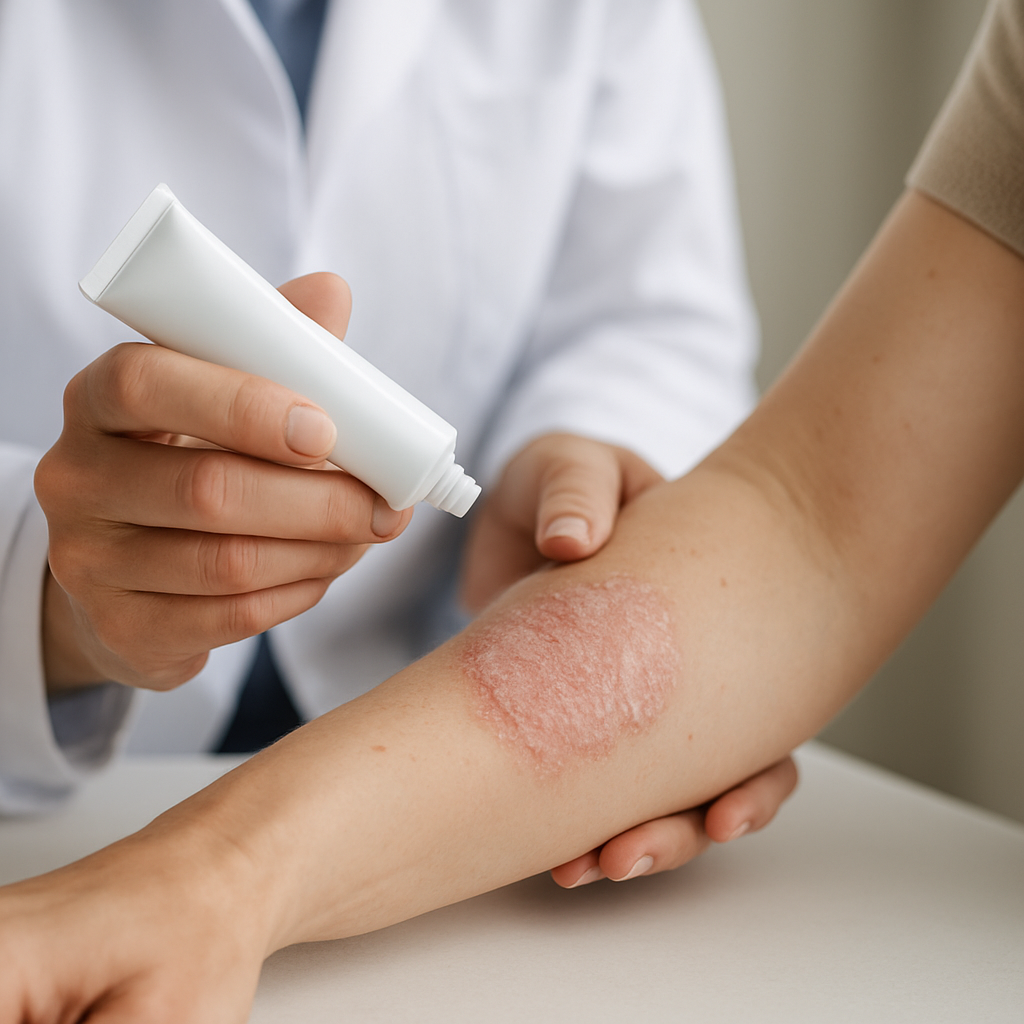
Prescription acne treatments are stronger medications available only through a dermatologist or healthcare provider, designed to treat moderate to severe acne vulgaris when over-the-counter products fail to deliver results. These treatments target acne at its source through prescription-strength active ingredients that penetrate deeper into the skin and work more aggressively than drugstore alternatives.
Most people turn to prescription treatments when their acne persists after trying multiple over-the-counter products for several months without improvement. This transition becomes crucial when dealing with inflammatory acne that can lead to permanent scarring or when breakouts significantly impact daily confidence and social interactions.
"Prescription treatments become necessary when acne vulgaris doesn't respond to over-the-counter solutions after 6-8 weeks of consistent use."
Acne vulgaris affects 85% of people between ages 12-24, making it the most common skin condition worldwide. The medical classification L70.0 encompasses various forms of acne that often require professional intervention to prevent long-term skin damage and restore clear, healthy skin effectively.
Types of Prescription Acne Medications

Dermatologists prescribe four main categories of medications to target different aspects of acne vulgaris. Each type works through distinct mechanisms to address specific causes of breakouts, helping prevent the scarring that many patients fear.
Topical retinoids like tretinoin and adapalene tackle follicular hyperkeratinization—the process where dead skin cells clog pores. These vitamin A derivatives speed up cell turnover and prevent comedone formation. You'll typically see improvements within 6-12 weeks of consistent use.
“The right prescription medication targets your specific type of acne at its source, not just surface symptoms.”
Antibiotics address bacterial colonization when P. acnes bacteria multiply excessively. Doxycycline and minocycline are common oral options, while clindamycin gel works topically. These reduce inflammation and bacterial counts but require careful monitoring to prevent resistance.
Hormonal therapy options like spironolactone target androgen-driven acne in women. Birth control pills containing ethinyl estradiol also regulate hormone fluctuations that trigger breakouts around menstrual cycles.
Isotretinoin remains the gold standard for severe, cystic acne that doesn't respond to other treatments. This powerful oral retinoid shrinks oil glands permanently, offering the best chance for complete, lasting clearance while preventing permanent scarring.
How Prescription Treatments Work
Prescription acne treatments target the four main causes of acne vulgaris through different mechanisms. Understanding how these medications work helps you see why your dermatologist may recommend specific treatments based on your acne type and severity.
Medications that target excess sebum production work by reducing the amount of oil your skin produces. Retinoids like tretinoin normalize oil production, while hormonal treatments such as spironolactone block hormones that trigger excess sebum. By controlling oil production, these treatments address one of acne's primary drivers.
Treatments addressing follicular hyperkeratinization prevent dead skin cells from clogging pores. Retinoids excel at this by promoting proper cell turnover and preventing the formation of comedones that can lead to permanent scarring if left untreated.
Antibiotics like doxycycline reduce bacterial colonization by targeting P. acnes bacteria, while benzoyl peroxide kills bacteria through oxidation. Anti-inflammatory medications, including topical corticosteroids and certain antibiotics, reduce the redness and swelling that characterize inflammatory acne lesions.
Who Should Consider Prescription Treatment
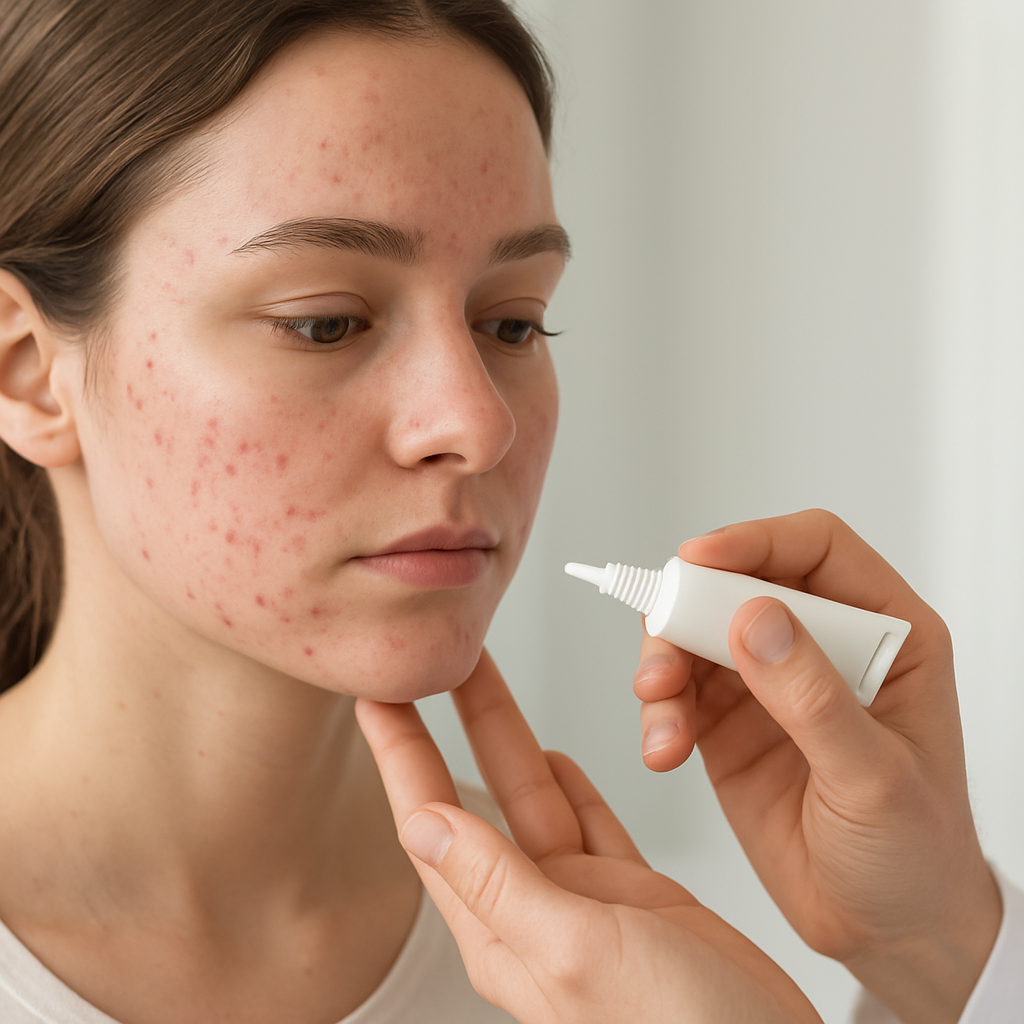
You should seek prescription treatment when acne vulgaris becomes moderate to severe. This means you're dealing with painful nodules under the skin or fluid-filled cysts that take weeks to heal. These deeper lesions often lead to permanent scarring, which is why early intervention matters.
Consider prescription help if acne affects multiple body areas beyond your face—chest, back, shoulders, or upper arms. These locations often require stronger medications than over-the-counter options can provide.
Certain risk factors make prescription treatment more likely necessary. Hormonal changes during puberty, pregnancy, or menstruation can trigger severe breakouts. A family history of severe acne also increases your chances of needing professional treatment.
Most importantly, seek dermatological care when over-the-counter treatments fail after six to eight weeks of consistent use. For example, if benzoyl peroxide and salicylic acid haven't improved your skin after two months, stronger prescription medications can prevent worsening and scarring.
Combining with Professional Procedures

Chemical peels work synergistically with prescription acne treatments to address both active breakouts and resulting scarring. These acid treatments remove damaged skin layers through controlled chemical exfoliation, targeting acne scars, fine lines, and uneven skin tone that medications alone cannot fully resolve.
Professional procedures using CPT code 15788 are performed on cleansed skin where chemical solutions are applied evenly and neutralized after predetermined timeframes. Timing matters significantly—discontinue retinoids one week before treatment and avoid combining with isotretinoin. This prevents excessive irritation while maintaining treatment effectiveness.
Proper coordination between chemical peels and prescription regimens reduces permanent scarring concerns while accelerating overall improvement. The combination approach addresses current breakouts through medications while simultaneously improving skin texture and tone through professional exfoliation, delivering comprehensive acne management.
Getting Started with Prescription Treatment
You should see a dermatologist when over-the-counter products haven't improved your acne after 6-8 weeks, or if you have painful cysts, nodules, or signs of scarring developing. Early professional intervention prevents permanent scarring that many patients fear most.
Book with a board-certified dermatologist who specializes in acne treatment.
List current products, previous treatments, and bring photos showing your acne patterns.
Most prescription treatments require 12-16 weeks to show significant improvement.
During your consultation, expect a thorough skin examination and discussion about your medical history, hormones, and lifestyle factors. Your dermatologist will create a customized treatment plan and schedule follow-up appointments every 6-8 weeks to monitor progress and adjust medications as needed.
Start prescription acne treatment early to prevent scarring and achieve faster, more effective results than over-the-counter options alone.
Frequently Asked Questions
What are prescription acne treatments?
Prescription acne treatments are stronger medications available only through a dermatologist or healthcare provider, designed to treat moderate to severe acne when over-the-counter products fail to deliver results. These treatments target acne at its source through prescription-strength active ingredients that penetrate deeper into the skin and work more aggressively than drugstore alternatives.
When should I consider prescription acne medication?
You should consider prescription acne medication when your acne persists after trying multiple over-the-counter products for several months without improvement. This transition becomes crucial when dealing with inflammatory acne that can lead to permanent scarring or when breakouts significantly impact daily confidence and social interactions.
What types of prescription acne medications are available?
Dermatologists prescribe four main categories: topical retinoids like tretinoin that speed up cell turnover, antibiotics like doxycycline that reduce bacterial counts, hormonal therapy like spironolactone for androgen-driven acne in women, and isotretinoin for severe cystic acne. Each type works through distinct mechanisms to address specific causes of breakouts.
How long does it take to see results from prescription acne treatments?
Most prescription acne treatments take 6-8 weeks for visible improvement, with topical retinoids showing results within 6-12 weeks of consistent use. Isotretinoin treatment typically lasts 4-6 months but offers a 90% long-term clearance rate.
What is isotretinoin and how effective is it?
Isotretinoin is a powerful oral retinoid that remains the gold standard for severe, cystic acne that doesn't respond to other treatments. It has an 85% success rate and shrinks oil glands permanently, offering the best chance for complete, lasting clearance while preventing permanent scarring.
Disclaimer: This content is for informational purposes only and does not constitute medical advice. Always consult a qualified healthcare provider before making health decisions.