Why Antifungal Treatments Sometimes Fail

When your antifungal medication doesn't work, it's natural to worry about permanent scarring or whether your infection will ever clear. The truth is that treatment failures happen for several common and fixable reasons.
"Most treatment failures stem from inadequate treatment duration or incorrect medication choice, not true resistance."
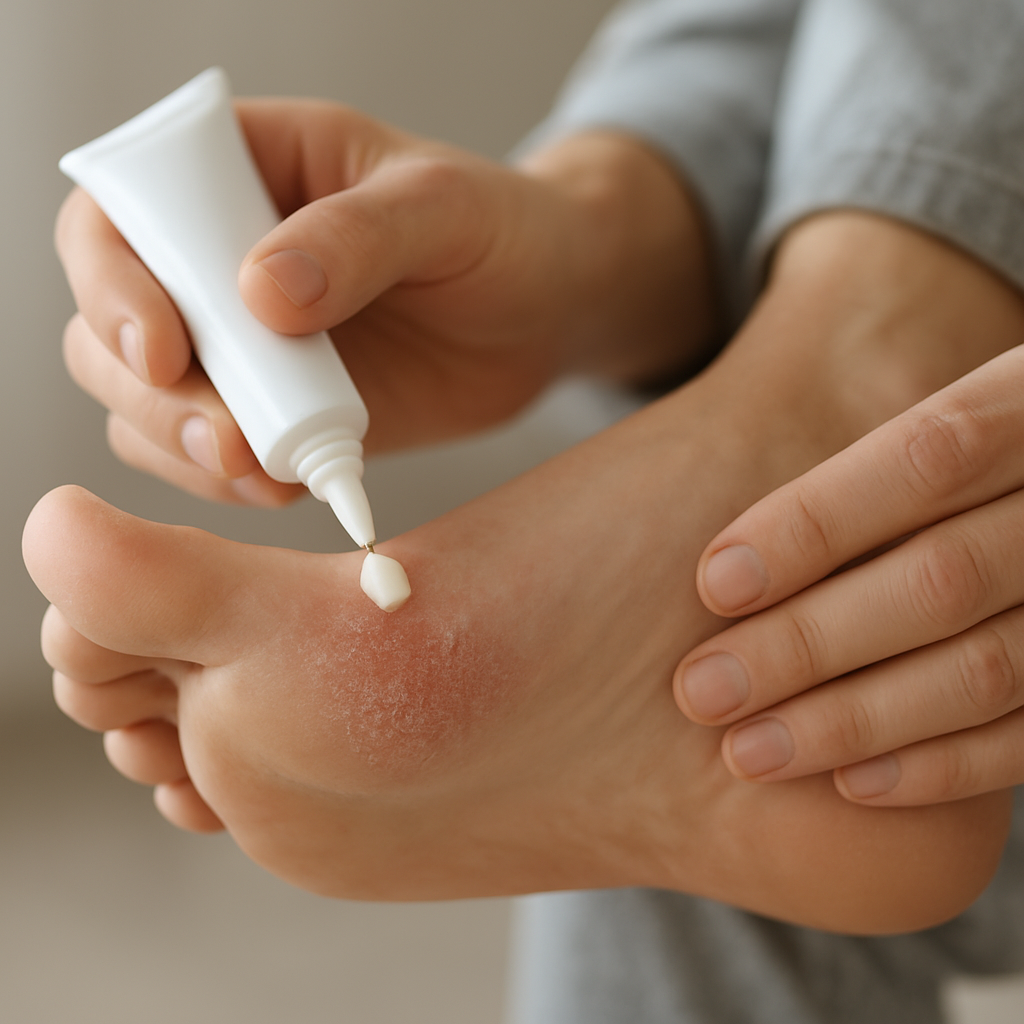
True antifungal resistance occurs when fungi develop immunity to specific medications. However, treatment failure more often results from stopping medication too early, using the wrong antifungal type, or missing underlying conditions that weaken your immune system. For example, athlete's foot may appear cleared after two weeks, but the fungus remains active beneath the surface.
Even genuinely resistant infections respond well to alternative antifungal medications or combination therapies. Your dermatologist can identify the specific cause of treatment failure and adjust your approach accordingly, ensuring you achieve the clear skin you're seeking.
Signs Your Antifungal Treatment Isn't Working

Most antifungal treatments show improvement within two weeks, with complete clearing expected in four to six weeks. If your symptoms persist beyond this timeframe, your current approach may not be effective.
“Persistent itching after two weeks of treatment often signals the need for a different antifungal approach.”
Watch for these warning signs: spreading infection despite treatment, worsening redness or inflammation, new patches appearing, or persistent burning and itching. While mild irritation during the first few days is normal, severe reactions like blistering or intense burning indicate treatment failure rather than expected side effects.
Don't worry about permanent scarring from fungal infections—they rarely cause lasting damage when properly treated. However, continuing ineffective treatment delays healing and increases discomfort, so recognizing these signs early helps you get back on track faster.
Common Causes of Antifungal Resistance
Understanding why antifungal medications stop working helps you avoid the frustrating cycle of recurring infections and persistent symptoms. Most resistance develops from preventable mistakes rather than medication failure.
Stopping treatment too early ranks as the primary cause. Many patients quit using antifungal creams when symptoms disappear, leaving dormant fungus behind. Complete the full prescribed course even after your skin looks clear. For example, athlete's foot requires treatment for two weeks beyond symptom resolution.
Improper application also creates resistance. Apply medication to the entire affected area plus one inch beyond visible infection. Poor hygiene, compromised immune systems, diabetes, and frequent antibiotic use increase your resistance risk significantly.
Sometimes apparent resistance is actually reinfection from contaminated shoes, clothing, or shared surfaces rather than true medication failure.
Alternative Treatment Options for Resistant Infections
When your current antifungal medication isn't working, several alternative approaches can help clear stubborn fungal infections. Your dermatologist might switch you to a different class of antifungal drugs that target the fungus through different mechanisms.
Combination therapy proves effective for resistant cases. This approach uses two or more antifungal medications simultaneously, attacking the fungus from multiple angles. Topical treatments paired with oral medications often succeed where single-drug therapy fails.
Dermatological procedures can support treatment when medications alone aren't enough. Chemical Peels remove damaged skin layers through controlled chemical exfoliation, helping antifungal medications penetrate more effectively while reducing the fungal load on your skin's surface.
Preventing Future Antifungal Resistance

Breaking the cycle of resistant fungal infections requires consistent preventive measures that protect your skin from future outbreaks. Taking medication exactly as prescribed forms the foundation of resistance prevention, even when symptoms disappear early.
Continue medication for the entire prescribed duration, typically two weeks beyond symptom resolution.
Keep feet dry, wear breathable fabrics, and disinfect shoes with antifungal spray weekly.
Wash affected areas daily with antifungal soap and avoid sharing personal items like towels.
These simple changes dramatically reduce reinfection risk while preventing the development of treatment-resistant strains that could cause permanent skin damage.
When to Seek Additional Dermatology Care
Recognizing when your antifungal treatment isn't working prevents permanent scarring and helps you get effective care faster. Watch for red flags like worsening symptoms after two weeks of treatment, spreading infection, or new pustules and severe inflammation.
Prepare for follow-up appointments by photographing your skin's progress, listing all medications you've tried, and noting what triggers flare-ups. Document your daily skincare routine and any side effects you've experienced.
Ask your dermatologist specific questions: "What alternative treatments are available if this medication fails?" and "How long should I expect to see improvement?" Request culture testing to identify the exact fungal strain and discuss combination therapy options.
Don't wait more than two weeks with worsening symptoms—early intervention with your dermatologist prevents complications and gets you clear skin faster.
Frequently Asked Questions
Why does my antifungal medication not work?
Most antifungal treatment failures stem from inadequate treatment duration or incorrect medication choice, not true resistance. Common causes include stopping medication too early when symptoms disappear, using the wrong antifungal type, or having underlying conditions that weaken your immune system. The fungus often remains active beneath the surface even when your skin appears clear.
How long should I wait to see results from antifungal treatment?
Most antifungal treatments show improvement within two weeks, with complete clearing expected in four to six weeks. If your symptoms persist beyond this timeframe, your current approach may not be effective. You should watch for warning signs like spreading infection, worsening inflammation, or persistent itching after two weeks of treatment.
What are the signs that my antifungal treatment isn't working?
Warning signs include spreading infection despite treatment, worsening redness or inflammation, new patches appearing, or persistent burning and itching after two weeks. While mild irritation during the first few days is normal, severe reactions like blistering or intense burning indicate treatment failure. Persistent itching after two weeks of treatment often signals the need for a different antifungal approach.
Will fungal infections cause permanent scarring?
Fungal infections rarely cause lasting damage or permanent scarring when properly treated. However, continuing ineffective treatment delays healing and increases discomfort. Recognizing treatment failure signs early helps you get back on track faster and prevents prolonged infection.
What causes antifungal resistance to develop?
The primary cause is stopping treatment too early when symptoms disappear, leaving dormant fungus behind. Other common causes include improper application of medication, poor hygiene, compromised immune systems, diabetes, and frequent antibiotic use. Sometimes apparent resistance is actually reinfection from contaminated shoes, clothing, or shared surfaces rather than true medication failure.
Disclaimer: This content is for informational purposes only and does not constitute medical advice. Always consult a qualified healthcare provider before making health decisions.