What Are Antifungal Medications for Athlete's Foot

Antifungal medications for athlete's foot are specialized treatments designed to eliminate fungal infections between your toes and on the soles of your feet. These medications work by targeting the cell walls of fungi, disrupting their ability to survive and reproduce on your skin.
“Antifungal medications attack the fungal cell wall, stopping the infection from spreading and allowing healthy skin to regenerate.”
Athlete's foot, medically known as tinea pedis, is primarily caused by dermatophytes—skin-loving fungi that thrive in warm, moist environments. The most common culprits are Trichophyton rubrum and Trichophyton mentagrophytes. These microscopic organisms feed on keratin, the protein found in your skin's outer layer.
Antifungal medications contain active ingredients that penetrate infected skin and create an environment hostile to fungal growth. They either kill the fungi directly (fungicidal action) or prevent them from multiplying (fungistatic action). This targeted approach helps restore your skin's natural balance without causing the permanent scarring that untreated infections might lead to.
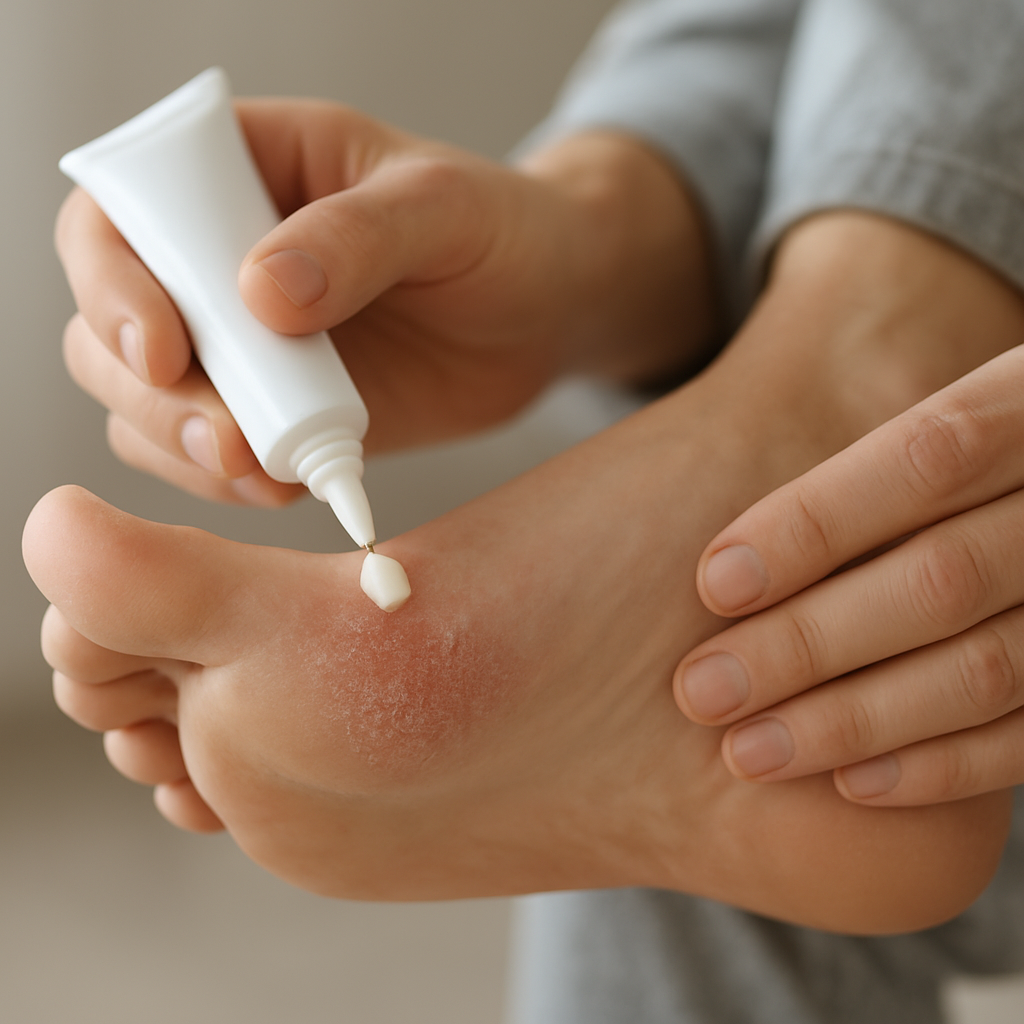
Most antifungal treatments come in topical forms like creams, sprays, and powders that you apply directly to affected areas. Some severe cases may require oral medications that work from within your bloodstream to reach stubborn infections.
Types of Antifungal Medications for Athlete's Foot

Antifungal medications for athlete's foot come in two main forms: topical treatments you apply directly to your skin and oral medications you take by mouth. Understanding which type works best for your situation helps you choose the right treatment path.
Topical antifungal creams, powders, and sprays represent the first line of defense against athlete's foot. These medications include over-the-counter options like terbinafine (Lamisil), clotrimazole (Lotrimin), and miconazole (Micatin). You apply these directly to the affected area, typically twice daily for two to four weeks. Powders work particularly well for preventing reinfection by keeping feet dry, while creams target active infections more aggressively.
“Most mild to moderate athlete's foot cases respond well to topical treatments within two to four weeks of consistent use.”
Oral antifungal medications become necessary when topical treatments fail or when you have severe, widespread infections. Doctors commonly prescribe terbinafine, itraconazole, or fluconazole for stubborn cases. These systemic medications work from inside your body to eliminate the fungal infection completely.
Your doctor typically recommends topical treatments first because they're safer and cause fewer side effects. Oral medications become the choice when you have thick, infected toenails, extensive skin involvement, or recurring infections that don't respond to creams. Some people with compromised immune systems or diabetes may need oral treatment from the start.
The good news is that with proper treatment, athlete's foot rarely causes permanent scarring or lasting skin damage, addressing common concerns about long-term appearance effects.
How Antifungal Medications Treat Athlete's Foot Symptoms
Antifungal medications work by disrupting the fungal cell walls that cause athlete's foot, targeting the source of your uncomfortable symptoms. These treatments address the most troublesome aspects of tinea pedis: the relentless itching, burning sensations, and unsightly peeling skin that can make you feel self-conscious about exposing your feet.
The medications tackle scaling and flaking by eliminating the fungus responsible for breaking down healthy skin cells. For painful cracking between toes and fluid-filled blisters, antifungals reduce inflammation while preventing the infection from spreading to surrounding tissue. This dual action helps restore your skin's natural barrier function.
Most people notice itching subsides within 24 to 48 hours of starting treatment, though visible improvements like reduced scaling may take several days. Complete healing typically occurs within two to four weeks of consistent use. For example, topical terbinafine often shows results faster than older antifungals like tolnaftate.
Preventing recurrence requires continuing treatment for one to two weeks after symptoms disappear, ensuring complete fungal elimination. This approach minimizes the risk of permanent skin changes and helps you regain confidence in your appearance.
Choosing the Right Antifungal Treatment
Selecting the most effective antifungal medication depends on several important factors that your doctor will consider. The severity of your athlete's foot infection plays the primary role in treatment decisions. Mild cases with basic itching and scaling typically respond well to over-the-counter topical creams, while severe infections with thick, cracked skin or secondary bacterial infections often require prescription medications.
Your lifestyle significantly influences medication choice. Athletes who spend long hours in sweaty shoes benefit from powder formulations that control moisture. People with busy schedules might prefer once-daily prescription options over twice-daily over-the-counter treatments.
Certain risk factors require special consideration. Individuals with diabetes, compromised immune systems, or circulation problems need stronger prescription medications and closer monitoring. Those who work in warm, humid environments like pools or gyms may need preventive treatments alongside active therapy.
Your doctor will also evaluate whether the infection has spread beyond your feet or involves your nails, which requires different treatment approaches. Remember, proper treatment prevents the permanent skin changes and embarrassing odors that worry many patients with athlete's foot.
Effectiveness and Expected Results

Most people see significant improvement within the first week of consistent antifungal treatment. Topical medications successfully clear athlete's foot in 70-90% of cases when used properly. Oral antifungals have even higher success rates, often reaching 95% effectiveness for stubborn infections.
Your symptoms should start improving within 3-7 days. Complete healing typically takes 2-4 weeks for mild cases and up to 6 weeks for severe infections. The good news is that athlete's foot rarely causes permanent scarring when treated promptly and appropriately.
Several factors influence treatment success. Poor foot hygiene, reinfection from contaminated shoes, underlying health conditions like diabetes, and stopping treatment too early all reduce effectiveness. Continuing treatment for one week after symptoms disappear prevents recurrence.
Seek medical attention if your infection doesn't improve after two weeks of treatment, spreads beyond your feet, or if you develop fever or red streaking. These signs may indicate bacterial complications requiring prescription antibiotics.
Who Should Use Antifungal Medications for Athlete's Foot
Most adults experiencing persistent itching, burning, or scaling between their toes can benefit from antifungal medications. Athletes face higher risk due to frequent locker room exposure and sweaty feet, making them prime candidates for treatment.
You need a confirmed diagnosis of tinea pedis before starting antifungal treatment. Your doctor will examine your feet and possibly take skin scrapings to identify the specific fungus. This prevents unnecessary medication use and ensures proper treatment targeting.
People with compromised immune systems require special consideration. If you have diabetes, HIV, or take immunosuppressive medications, consult your healthcare provider before using any antifungal treatments. These conditions can complicate fungal infections and may require prescription-strength medications rather than over-the-counter options.
Pregnant women and children under two years old should avoid certain antifungal medications. While topical treatments are generally safer than oral medications, always check with your doctor first to prevent any complications.
Get a proper diagnosis before treating suspected athlete's foot to ensure you're using the right medication for your specific situation.
Frequently Asked Questions
What are antifungal medications for athlete's foot?
Antifungal medications for athlete's foot are specialized treatments designed to eliminate fungal infections between your toes and on the soles of your feet. These medications work by targeting the cell walls of fungi, disrupting their ability to survive and reproduce on your skin. They either kill the fungi directly or prevent them from multiplying, helping restore your skin's natural balance.
What types of antifungal medications are available for athlete's foot?
Antifungal medications come in two main forms: topical treatments and oral medications. Topical treatments include over-the-counter creams, powders, and sprays like terbinafine, clotrimazole, and miconazole that you apply directly to affected areas. Oral medications such as terbinafine, itraconazole, or fluconazole are prescribed for severe cases when topical treatments fail.
How long does it take for antifungal medications to treat athlete's foot?
Most mild to moderate athlete's foot cases respond well to topical treatments within two to four weeks of consistent use. You typically apply topical medications twice daily for two to four weeks. The timeline may vary depending on the severity of your infection and which type of treatment you're using.
When do doctors prescribe oral antifungal medications instead of topical treatments?
Doctors prescribe oral antifungal medications when topical treatments fail or when you have severe, widespread infections. They also recommend oral treatment for thick, infected toenails, extensive skin involvement, or recurring infections that don't respond to creams. People with compromised immune systems or diabetes may need oral treatment from the start.
How do antifungal medications work to treat athlete's foot symptoms?
Antifungal medications work by disrupting the fungal cell walls that cause athlete's foot, targeting the source of uncomfortable symptoms like itching, burning, and peeling skin. The medications eliminate the fungus responsible for breaking down healthy skin cells, addressing scaling and flaking. This targeted approach creates an environment hostile to fungal growth while allowing healthy skin to regenerate.
Disclaimer: This content is for informational purposes only and does not constitute medical advice. Always consult a qualified healthcare provider before making health decisions.