Understanding Jock Itch and Antifungal Treatment

Jock itch, medically known as Tinea cruris, is a fungal infection that affects the warm, moist areas of your groin, inner thighs, and buttocks. This uncomfortable condition creates the perfect breeding ground for fungi in skin folds where sweat and friction combine.
“Antifungal medications work by targeting the cell walls of dermatophytes, essentially starving the fungus until it dies.”
The telltale signs include intense itching, burning sensations, and a red, scaly rash that often forms distinctive ring-shaped patches with raised borders. While these symptoms can feel overwhelming, jock itch rarely causes permanent scarring when treated properly with antifungal medications.
Two primary fungal culprits cause most cases: Trichophyton rubrum and Epidermophyton floccosum. These dermatophytes feed on keratin, the protein found in your skin, hair, and nails. For example, athletes who spend hours in sweaty gear create ideal conditions for these fungi to flourish.
Antifungal medications specifically target these dermatophytes by disrupting their cellular structure, preventing them from reproducing and ultimately eliminating the infection. This targeted approach makes antifungals the most effective first-line treatment for achieving clear skin quickly.
Types of Antifungal Medications for Jock Itch

Several types of antifungal medications can effectively treat jock itch, each designed for different severity levels and treatment needs. Understanding your options helps you choose the right approach and work effectively with your healthcare provider.
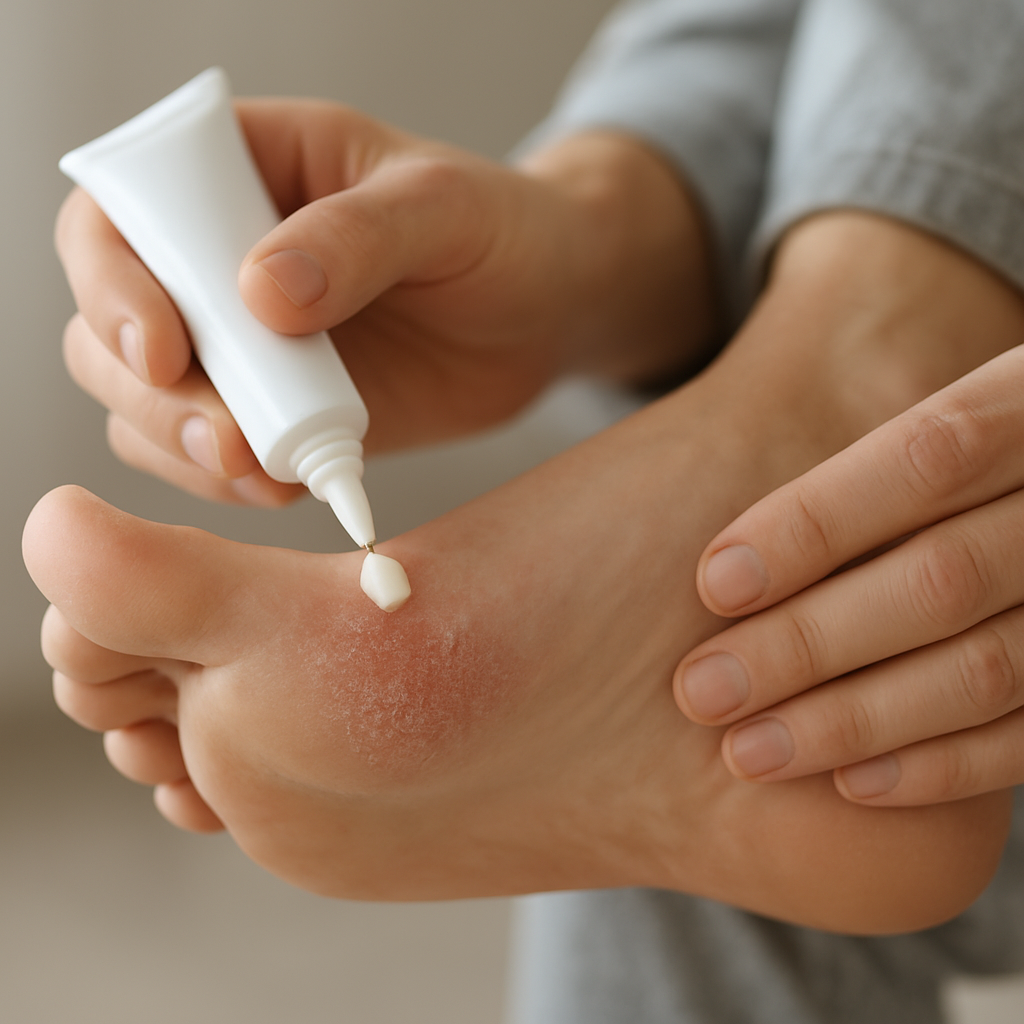
Topical antifungal creams serve as the first-line treatment for most cases. These medications include clotrimazole, terbinafine, and miconazole, which you apply directly to the affected skin twice daily. Over-the-counter options like Lotrimin AF and Lamisil AT work well for mild to moderate infections, typically clearing symptoms within two to four weeks.
“Most jock itch cases respond well to topical treatments when used consistently for the full recommended duration.”
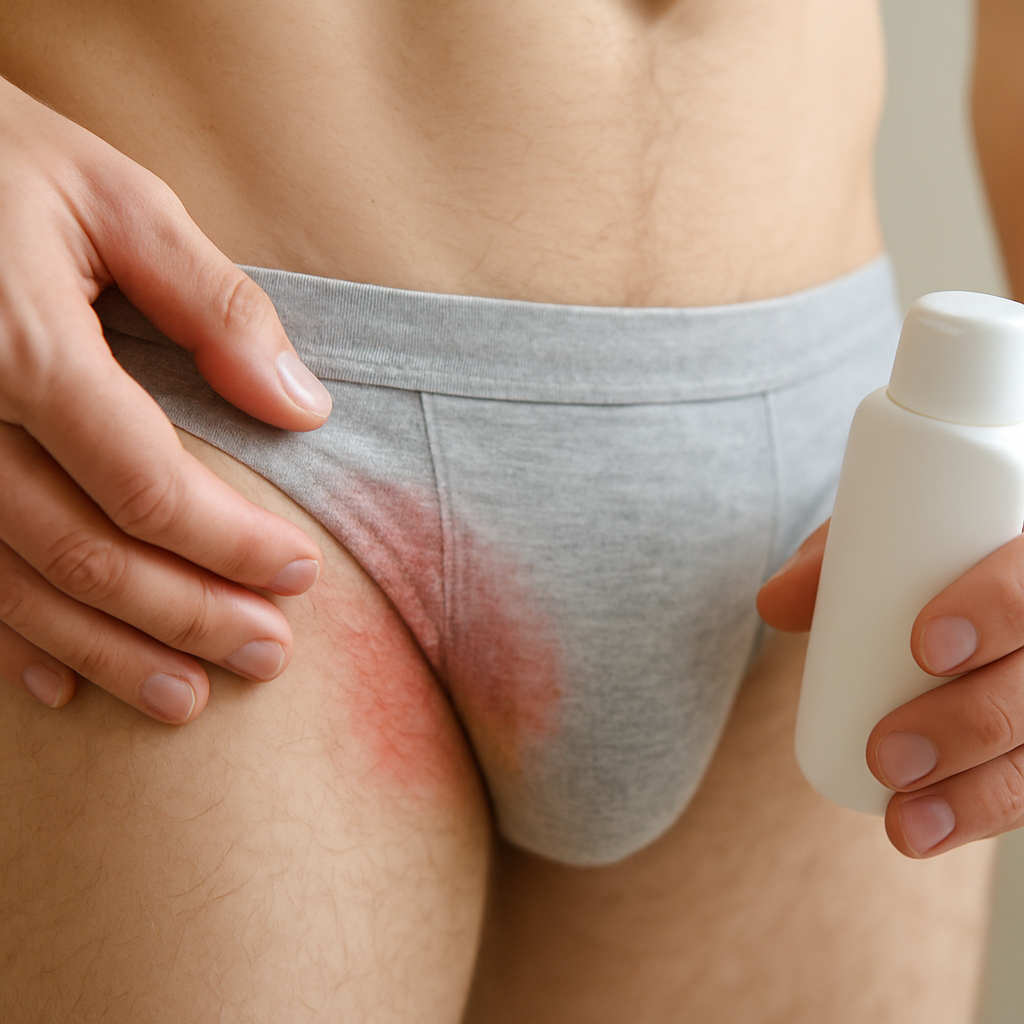
Antifungal powders offer excellent prevention and work well for mild cases or ongoing maintenance. Powders like Zeasorb AF keep the groin area dry while delivering antifungal medication, making them perfect for athletes or people who sweat heavily. They prevent the moisture that allows fungi to thrive.
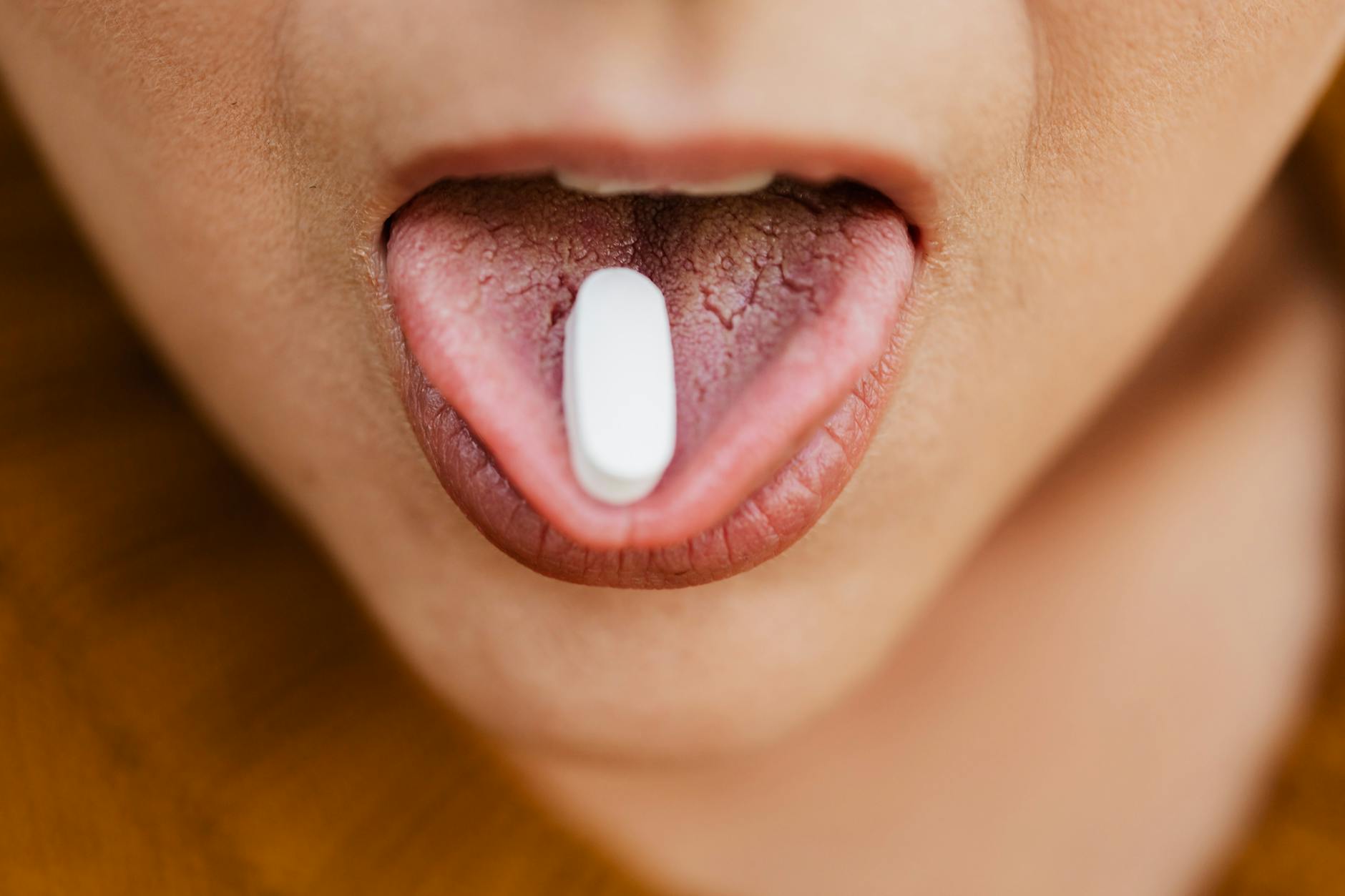
Oral antifungal medications become necessary for severe, widespread, or resistant infections. Prescription drugs like fluconazole or terbinafine tablets work from inside your body, reaching areas that topical treatments might miss. Your doctor prescribes these when topical treatments fail after four weeks or when the infection covers large areas. While more effective for stubborn cases, oral medications require monitoring for potential side effects.
Common Antifungal Medications Used
Several proven antifungal medications effectively treat jock itch, with topical options being the first-line treatment for most cases. Clotrimazole (Lotrimin), miconazole (Micatin), and terbinafine (Lamisil) represent the most commonly recommended topical antifungals. These medications work by disrupting the fungal cell membrane, stopping the infection's spread and eliminating existing fungus.
Clotrimazole and miconazole require application twice daily for two to four weeks, even continuing for one week after symptoms disappear to prevent recurrence. Terbinafine often shows faster results, with many patients seeing improvement within one week of once-daily application. Most topical treatments cost between $8-15 and are available without prescription.
For severe or resistant infections, doctors may prescribe oral antifungals like fluconazole or itraconazole. These systemic medications reach deeper tissue levels and work faster than topical treatments, often clearing infections within one to two weeks. However, oral antifungals carry more potential side effects and require prescription monitoring.
Timeline expectations matter for managing anxiety about permanent marks. Most patients notice reduced itching and redness within three to five days of starting treatment. Complete clearing typically occurs within two to four weeks with consistent application. The key to preventing future outbreaks lies in maintaining proper hygiene and keeping the groin area dry, even after the infection clears completely.
Who Should Use Antifungal Medications for Jock Itch
Men face a significantly higher risk of developing jock itch than women, with athletes and physically active individuals being prime candidates for antifungal treatment. The warm, moist environment created during exercise provides ideal conditions for fungal growth in the groin area.
Several risk factors increase your likelihood of needing antifungal treatment. Excessive sweating, wearing tight-fitting clothing, obesity, diabetes, and having a weakened immune system all create environments where fungi thrive. People who share towels, clothing, or equipment in gyms and locker rooms also face elevated risks.
Start with over-the-counter antifungal creams for mild symptoms that have appeared recently. However, seek prescription treatment if symptoms persist after two weeks of consistent OTC use, if you experience severe itching and burning, or if the infection spreads beyond the groin area.
Special populations require different considerations. Diabetics should consult healthcare providers promptly due to slower healing and infection complications. Immunocompromised individuals need medical supervision for any fungal infection. While the condition itself won't cause permanent scarring, aggressive scratching from untreated symptoms can lead to skin damage and discoloration.
Treatment Effectiveness and What to Expect

Most people see improvement within the first week of consistent antifungal treatment, with itching and burning subsiding significantly. Complete clearance typically takes two to four weeks, though you should continue treatment for at least one week after symptoms disappear to prevent recurrence.
You'll know treatment is working when the red, scaly patches begin to fade and the intense itching decreases. The affected skin may temporarily appear darker or lighter, but this discoloration is not permanent scarring and will normalize over time.
Contact your healthcare provider if symptoms worsen after one week of treatment, spread beyond the groin area, or if you develop fever or open wounds. These signs may indicate a secondary bacterial infection requiring prescription medication.
Prevention remains crucial for avoiding future outbreaks. Keep the groin area dry, change underwear daily, avoid tight clothing, and don't share towels or clothing. Consider using antifungal powder after showering, especially during hot, humid weather when you're more susceptible to reinfection.
Choosing the Right Antifungal Approach
Several factors determine which antifungal treatment works best for your situation. The severity of your infection plays a major role—mild cases with limited redness typically respond well to over-the-counter creams, while extensive infections covering large areas may require prescription strength medications.
Your medical history influences treatment choices significantly. If you have diabetes, a compromised immune system, or previous treatment failures, your dermatologist will likely recommend stronger options from the start. People with sensitive skin may need gentler formulations to avoid irritation that could worsen the condition.
Topical antifungals work well for most jock itch cases because they target the infection directly without affecting your entire body. Oral medications become necessary when topical treatments fail after four weeks, when the infection spreads beyond the groin area, or when you have multiple fungal infections simultaneously.
Cost considerations matter for many patients. Generic topical antifungals cost significantly less than brand names while providing identical effectiveness. Most insurance plans cover prescription antifungals when over-the-counter options prove inadequate.
Partner with your healthcare provider when symptoms persist beyond four weeks of consistent treatment. This timeline helps distinguish between treatment-resistant infections and other skin conditions that mimic jock itch. Your provider can perform fungal cultures to confirm the diagnosis and adjust treatment accordingly.
Start with over-the-counter topical antifungals for mild cases, but consult a healthcare provider if symptoms persist beyond four weeks of consistent treatment.
Frequently Asked Questions
What is jock itch and what causes it?
Jock itch, medically known as Tinea cruris, is a fungal infection that affects the warm, moist areas of your groin, inner thighs, and buttocks. It's primarily caused by two types of fungi: Trichophyton rubrum and Epidermophyton floccosum, which feed on keratin found in your skin. The condition creates symptoms like intense itching, burning sensations, and a red, scaly rash that often forms ring-shaped patches with raised borders.
How effective are topical antifungal treatments for jock itch?
Topical antifungal creams have an 85% success rate and serve as the first-line treatment for most jock itch cases. Over-the-counter options like clotrimazole, terbinafine, and miconazole work well for mild to moderate infections when applied twice daily. Most cases respond well to topical treatments when used consistently for the full recommended duration of 2-4 weeks.
When do you need oral antifungal medication for jock itch?
Oral antifungal medications become necessary for severe, widespread, or resistant infections that don't respond to topical treatments. Your doctor prescribes these when topical treatments fail after four weeks or when the infection covers large areas. Prescription drugs like fluconazole or terbinafine tablets work from inside your body, reaching areas that topical treatments might miss, but require monitoring for potential side effects.
How long does jock itch treatment typically take?
Typical treatment duration for jock itch is 7-14 days, though topical antifungal creams usually require 2-4 weeks of consistent use. Most cases clear symptoms within two to four weeks when over-the-counter medications are used properly. The key is using the medication consistently for the full recommended duration, even after symptoms improve.
Are antifungal powders effective for jock itch?
Antifungal powders offer excellent prevention and work well for mild cases or ongoing maintenance after treatment. Powders like Zeasorb AF keep the groin area dry while delivering antifungal medication, making them perfect for athletes or people who sweat heavily. They prevent the moisture that allows fungi to thrive, addressing one of the root causes of jock itch.
Disclaimer: This content is for informational purposes only and does not constitute medical advice. Always consult a qualified healthcare provider before making health decisions.