Understanding Ringworm and Antifungal Treatment

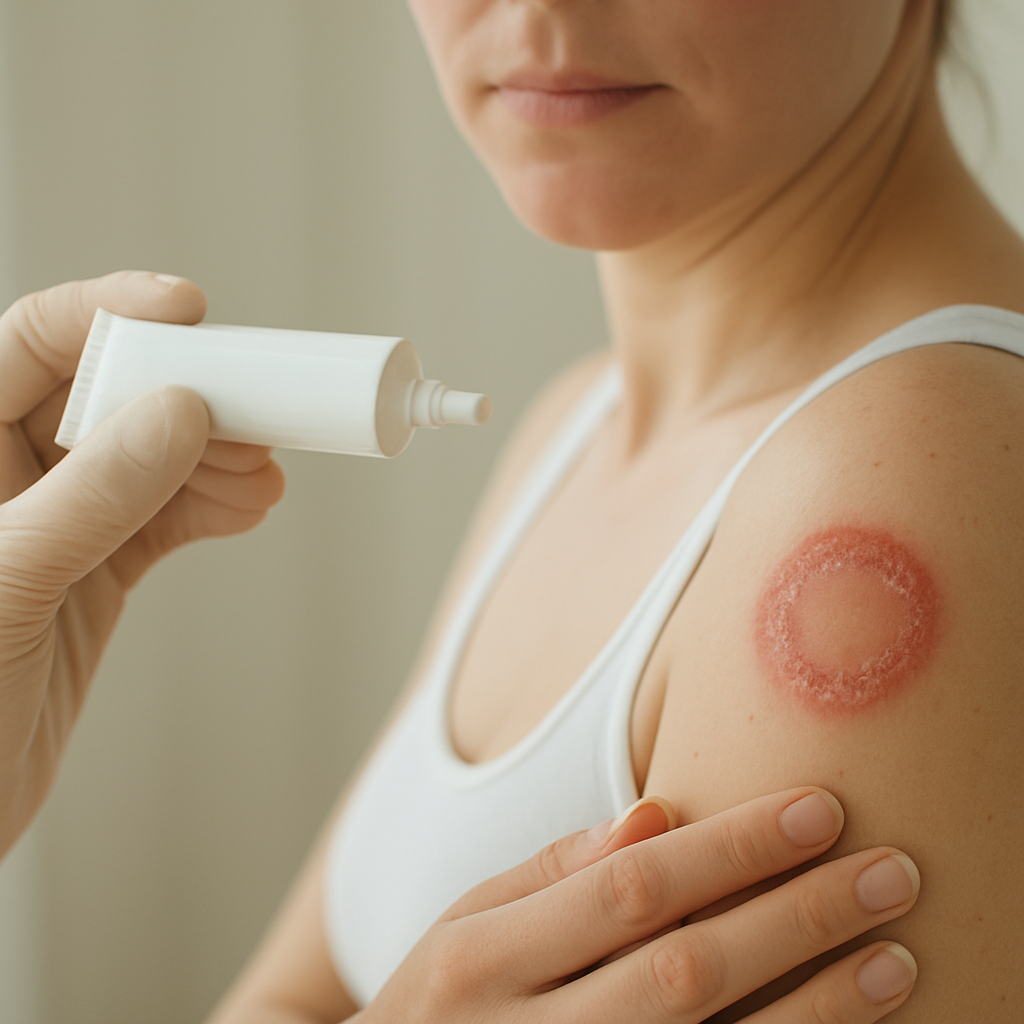
Ringworm isn't caused by worms at all. This common skin condition, medically called dermatophytosis, results from fungal infections that attack your skin, hair, or nails. The characteristic circular, red, scaly patches appear when dermatophyte fungi consume keratin in your skin cells.
“Antifungal medications work by targeting the fungal cell walls, stopping the infection at its source.”
Antifungal medications are essential because your immune system alone cannot effectively eliminate these persistent fungi. Without proper treatment, ringworm spreads to other body areas and can cause permanent hair loss or scarring in severe cases.
Treatment options fall into two main categories: topical antifungals like creams and ointments for localized infections, and oral antifungals for widespread or stubborn cases. Most mild ringworm responds well to topical treatments within two to four weeks.
Types of Antifungal Medications for Ringworm

Doctors prescribe three main types of antifungal medications based on your ringworm's location and severity. Understanding your options helps you work with your healthcare provider to choose the most effective treatment.
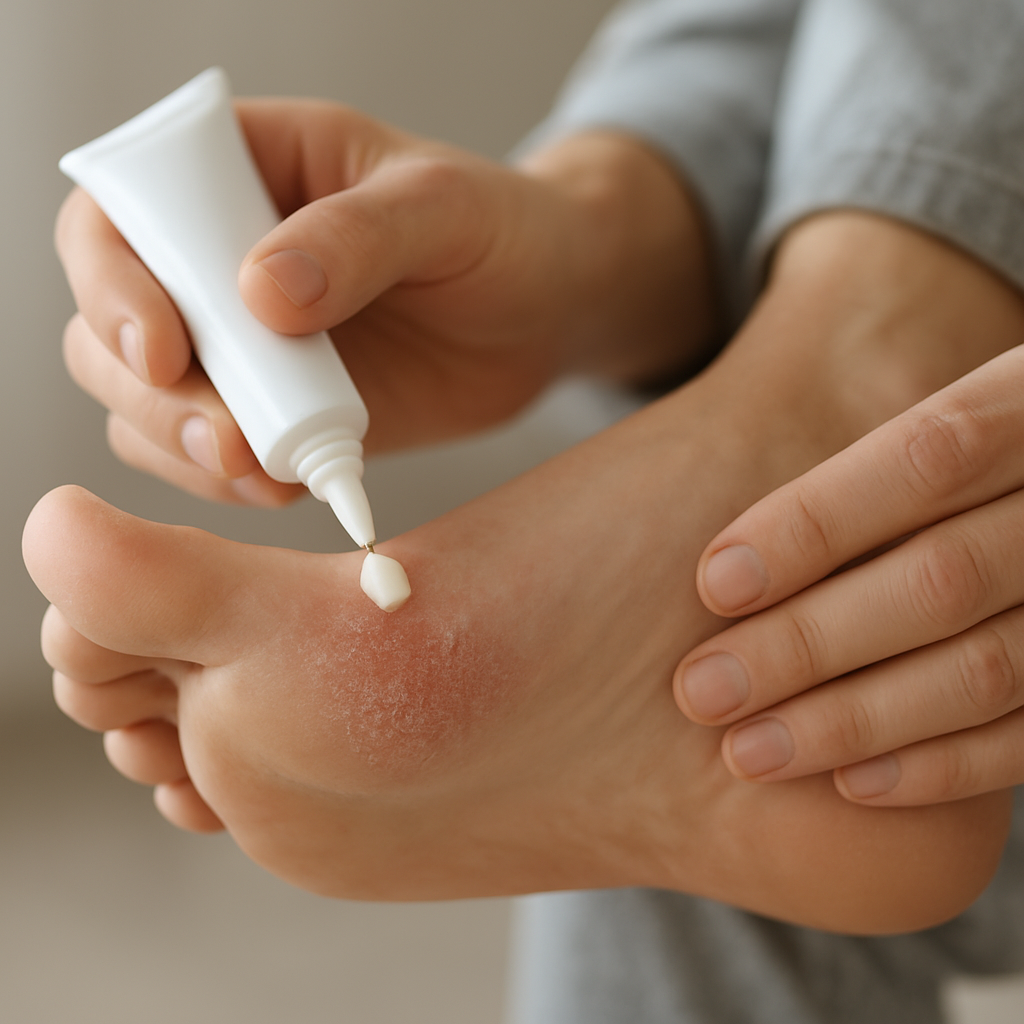
Topical antifungal creams work best for mild ringworm on your body, arms, or legs. Popular options include clotrimazole, terbinafine, and miconazole. You apply these directly to affected areas twice daily for 2-4 weeks after symptoms disappear. Most people see improvement within one week, reducing concerns about visible patches.
"Topical treatments clear most ringworm cases within 2-4 weeks when used consistently."
Oral medications like fluconazole or terbinafine tablets treat severe infections or ringworm that doesn't respond to creams. Doctors typically prescribe these for 2-6 weeks.
Antifungal shampoos containing ketoconazole or selenium sulfide specifically target scalp ringworm. You use these 2-3 times weekly alongside oral medication for complete treatment.
How Antifungal Medications Work Against Ringworm
Antifungal medications target three specific fungal species responsible for ringworm: Trichophyton, Microsporum, and Epidermophyton. These medications work by disrupting the fungal cell membrane or interfering with essential enzymes needed for fungal growth and reproduction.
Most topical treatments stop fungal spread within days, preventing the permanent scarring many patients worry about. Oral medications reach deeper infections that topical creams cannot penetrate. Treatment duration varies by infection severity and location, with scalp ringworm requiring longer therapy than body ringworm.
Choosing the Right Antifungal for Your Ringworm

Selecting the appropriate antifungal medication depends on several key factors that determine treatment success. Location matters significantly—scalp ringworm requires oral medications because topical creams cannot penetrate hair follicles effectively, while body ringworm often responds well to topical treatments.
Severity assessment guides your choice between over-the-counter and prescription options. Mild, small patches usually respond to OTC antifungals like terbinafine cream. Extensive infections, multiple spots, or areas that won't heal may need prescription oral medications like fluconazole.
Your age and health status also influence selection—children often need gentler formulations, while adults with liver conditions may require specific medication monitoring to prevent complications.
What to Expect During Treatment
Most ringworm infections clear within 2-4 weeks of consistent antifungal treatment, though stubborn cases may require 6-8 weeks. You'll typically notice improvement within the first week as itching decreases and red, inflamed areas begin to fade.
Signs your treatment is working include reduced scaling, less defined ring borders, and new healthy skin growth from the center outward. The affected area may temporarily appear darker or lighter than surrounding skin, but this discoloration usually resolves completely within several months, preventing the permanent scarring many patients worry about.
Contact your healthcare provider if symptoms worsen after one week of treatment, new lesions appear, or you develop signs of bacterial infection like pus or increased pain. Unlike treatments such as chemical peels for cosmetic concerns, antifungal therapy requires patience and consistency for optimal results.
Complete your full course of antifungal medication even after symptoms disappear to prevent recurrence.
Frequently Asked Questions
What is ringworm and what causes it?
Ringworm isn't caused by worms at all. This common skin condition, medically called dermatophytosis, results from fungal infections that attack your skin, hair, or nails. The characteristic circular, red, scaly patches appear when dermatophyte fungi consume keratin in your skin cells.
How long does it take for antifungal medication to cure ringworm?
Most mild ringworm responds well to topical treatments within two to four weeks. Most people see improvement within one week of starting treatment. Oral medications are typically prescribed for 2-6 weeks for severe infections, while scalp ringworm may require 6-12 weeks of treatment.
What are the different types of antifungal medications for ringworm?
There are three main types of antifungal medications for ringworm treatment. Topical antifungal creams like clotrimazole, terbinafine, and miconazole work best for mild ringworm on the body. Oral medications like fluconazole or terbinafine tablets treat severe infections, while antifungal shampoos containing ketoconazole target scalp ringworm.
Do I need prescription medication or can I use over-the-counter antifungals for ringworm?
The choice between prescription and over-the-counter antifungals depends on the location and severity of your ringworm infection. Topical creams work well for mild body ringworm, while scalp ringworm requires oral medications because topical creams cannot penetrate hair follicles effectively. Doctors prescribe oral antifungals for widespread or stubborn cases that don't respond to topical treatments.
What happens if ringworm is left untreated?
Without proper antifungal treatment, ringworm spreads to other body areas and can cause permanent hair loss or scarring in severe cases. Your immune system alone cannot effectively eliminate these persistent fungi. Antifungal medications are essential to stop the infection at its source and prevent permanent damage.
Disclaimer: This content is for informational purposes only and does not constitute medical advice. Always consult a qualified healthcare provider before making health decisions.