Why Treatment Duration Matters for Antifungal Success

Starting antifungal treatment feels like a relief when you're dealing with stubborn fungal infections that cause visible symptoms on your skin. However, the biggest mistake patients make is stopping their medication once symptoms disappear. This premature discontinuation sets you up for frustration, prolonged treatment, and potentially worse outcomes.
"Stopping antifungal medication early is like leaving a fire partially extinguished – it will almost certainly flare up again."
Fungal infections require complete eradication at the cellular level, which takes longer than surface symptom relief. When you stop treatment early, remaining fungal cells multiply and cause the infection to return, often within weeks. This cycle of incomplete treatment and recurrence can lead to chronic infections that become increasingly difficult to treat.
Even more concerning is the development of antifungal resistance. When fungi survive partial treatment, they can adapt and become resistant to the medication you were using. This means your next treatment may require stronger, more expensive medications with potentially more side effects.
Different infections require vastly different treatment durations. Athlete's foot typically needs 2-4 weeks of treatment, while toenail fungus requires 6-12 months. Understanding your specific infection's timeline helps set realistic expectations and prevents the disappointment of stopping too early.
Topical Antifungal Treatment Durations
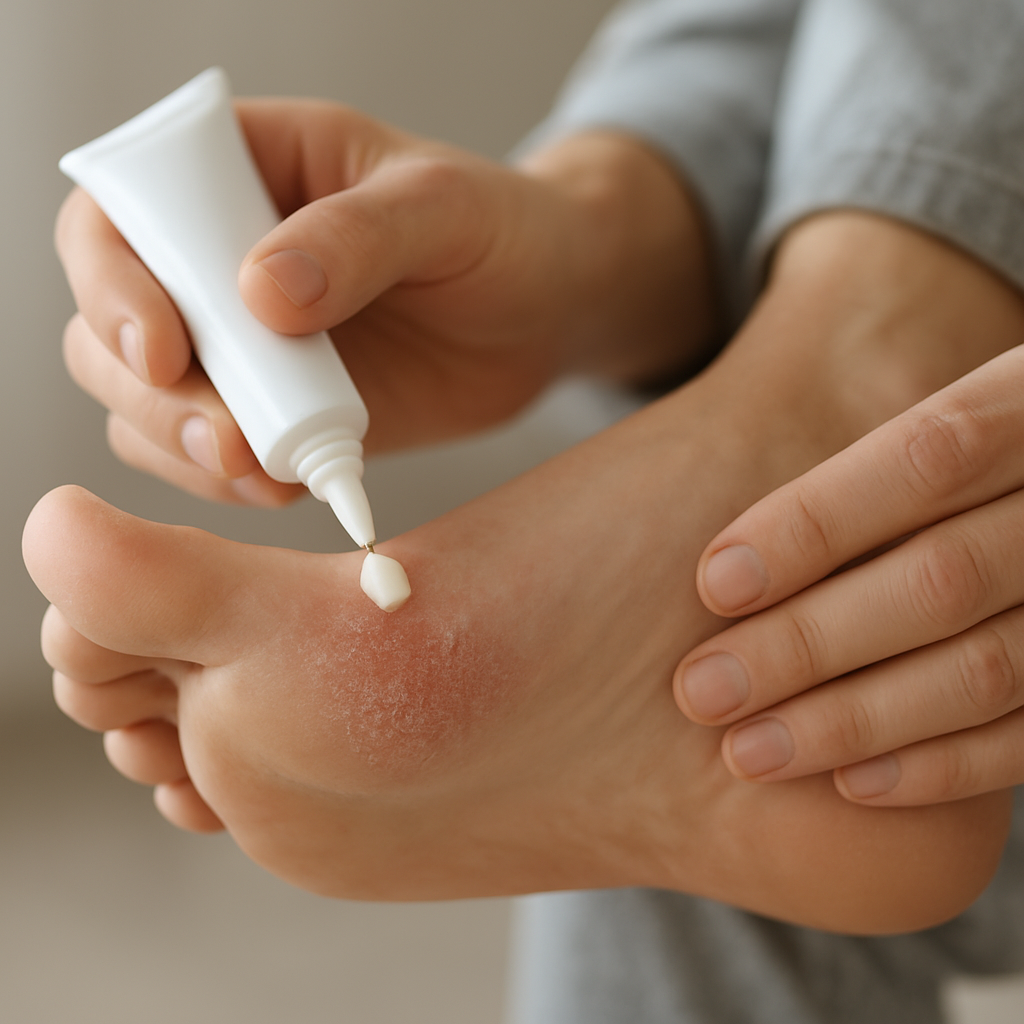
When your dermatologist prescribes a topical antifungal cream, ointment, or solution, the treatment timeline depends entirely on which infection you're fighting. Different fungal infections have different lifecycles, which means they require specific durations to eliminate completely.
Athlete's foot typically requires the longest treatment period, lasting anywhere from 2 to 6 weeks. This extended timeline exists because the fungus thrives in the warm, moist environment between your toes and can penetrate deeply into skin layers. The thick skin on your feet also slows medication absorption, requiring more time for the antifungal to reach effective concentrations.
“The key to preventing embarrassing flare-ups is continuing treatment for 1-2 weeks after your symptoms completely disappear.”
Jock itch responds faster, usually clearing within 2 to 4 weeks of consistent application. The thinner skin in the groin area allows better medication penetration, but the area's tendency to stay warm and humid can slow progress if you don't keep it clean and dry.
Ringworm on your body generally takes 2 to 4 weeks to resolve. Despite its name, ringworm isn't caused by worms—it's a fungal infection that creates those distinctive circular, scaly patches. The infection often looks worse before it gets better as dead fungal cells shed from your skin.
Here's what prevents those mortifying moments when you think you're cured but the infection returns: you must continue applying your medication for 1 to 2 weeks after all visible symptoms disappear. This extended treatment kills any remaining fungal spores hiding in your skin that could restart the infection cycle.
For example, if your ringworm patch looks completely normal after three weeks, keep applying the cream for another week or two. This simple step prevents the frustrating experience of clear skin suddenly developing new patches just when you thought you were done.
Oral Antifungal Medication Timeframes

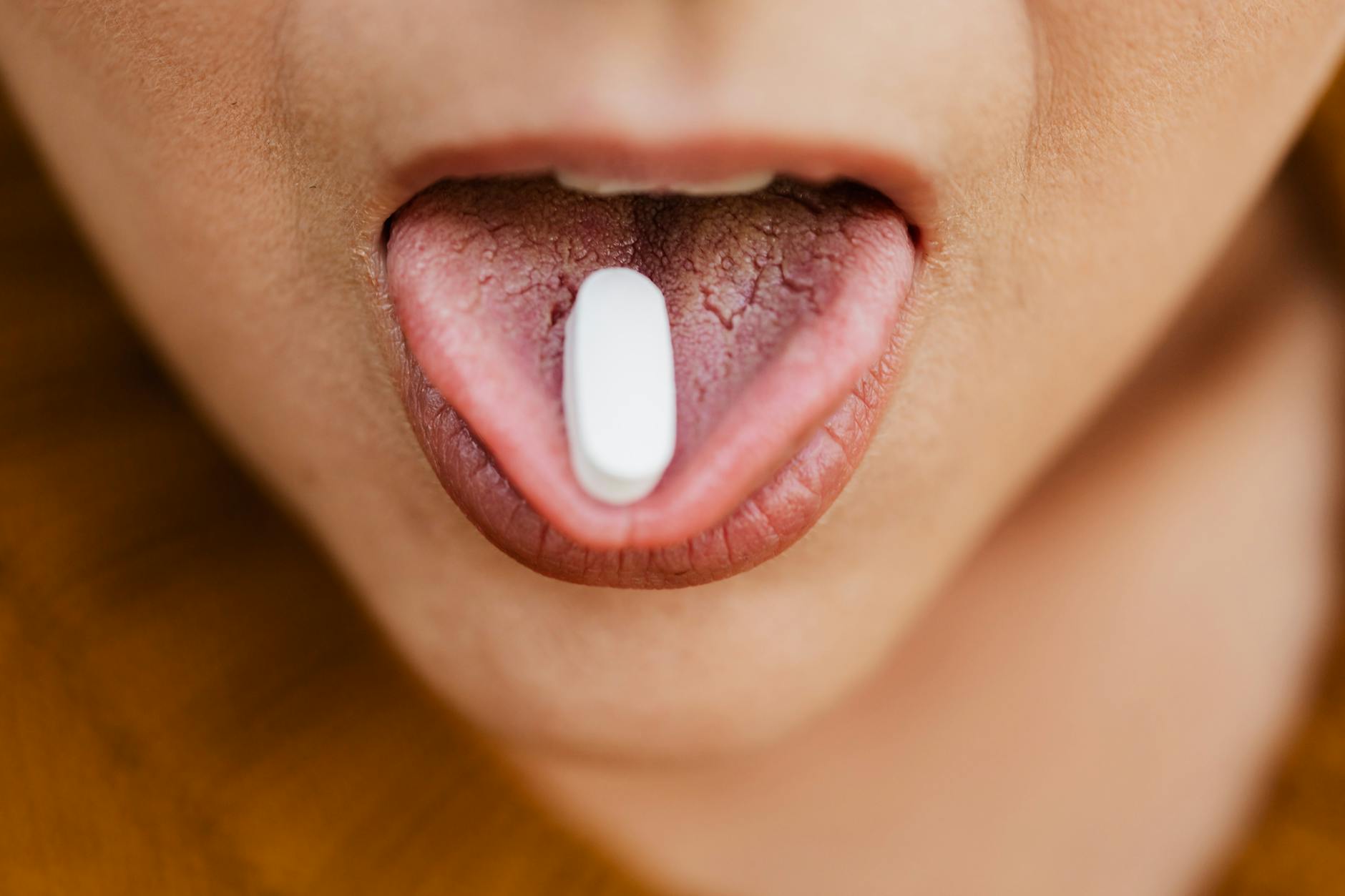
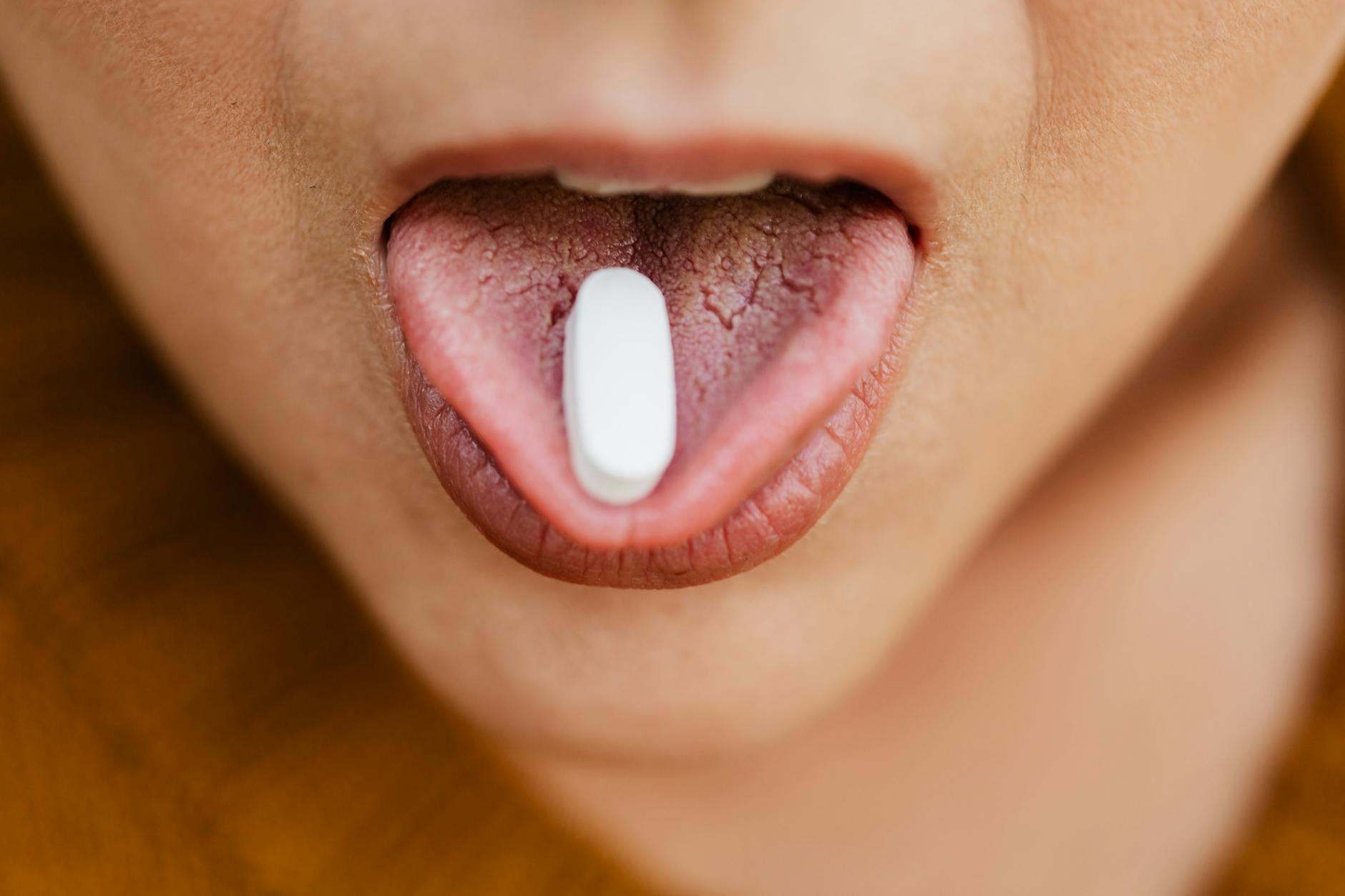
When topical treatments fail to clear stubborn infections, oral antifungal medications become necessary. These systemic treatments require longer durations but reach deeper infection sites that creams cannot penetrate effectively.
Terbinafine stands as the gold standard for nail fungus infections, requiring 6 weeks for fingernail infections and 12 weeks for toenail infections. This extended timeframe allows the medication to reach the nail bed and eliminate fungus completely. Patients often see new, healthy nail growth appearing during treatment, which helps reduce concerns about permanent nail damage.
Fluconazole treatment varies significantly by infection type. Yeast infections typically require single-dose treatment, while systemic candidasis needs 14-30 days of therapy. Chronic or recurrent infections may require maintenance therapy for several months to prevent relapses.
Itraconazole follows unique pulse therapy schedules, particularly effective for nail infections. The standard protocol involves taking medication for one week each month over three to four months. For example, patients take 200mg twice daily for seven days, then stop for three weeks, repeating this cycle as prescribed.
Your dermatologist will monitor liver function during extended oral treatments, as these medications can affect liver enzymes. Regular blood tests ensure safe treatment completion and help achieve the clear, healthy skin you're working toward without compromising your overall health.
Factors That Affect Treatment Length
Several key factors influence how long you'll need to take antifungal medications. Understanding these variables helps set realistic expectations and prevents the frustration many patients feel when treatments take longer than anticipated.
Infection severity and location play the biggest role in determining treatment duration. Superficial skin infections typically clear within 2-4 weeks, while deep fungal infections or those affecting nails can require 6-12 months of continuous therapy. Infections in areas with poor blood circulation, like toenails, naturally take longer to respond since medications reach these areas more slowly.
Your immune system status significantly impacts treatment success. People with diabetes, HIV, or those taking immunosuppressive medications often need extended treatment courses. A weakened immune system can't fight infections as effectively, requiring medications to do more heavy lifting over longer periods.
Previous treatment history matters enormously. If you've used antifungal medications before, especially if treatments were stopped early, the infection may have developed resistance. This resistance forces doctors to prescribe longer courses or stronger medications.
Medication compliance remains the most controllable factor. Skipping doses or stopping treatment early because symptoms improved often leads to relapse. For patients considering cosmetic treatments like Chemical Peels after infection clearance, complete antifungal treatment prevents complications during subsequent procedures.
Signs Your Treatment is Working
Recognizing improvement helps you stay committed to your antifungal treatment and avoid the common mistake of stopping too early. Most patients notice the first signs of progress within one to two weeks of starting medication.
Early improvements typically include reduced itching and burning sensations. The intense discomfort that drives many patients to seek treatment usually subsides first, often before visible changes appear. Scaling and flaking also begin to decrease during this initial period.
Visual healing follows a predictable pattern. Redness starts fading around the edges of affected areas, working inward toward the center. For athlete's foot, the skin between your toes becomes less white and soggy. Ringworm patches develop clearer centers while the outer ring becomes less defined. Nail fungus shows the slowest progress, with healthy nail growth appearing at the base.
Complete clearance takes longer than initial improvement. Skin infections typically resolve within three to six weeks, while nail infections require several months for healthy nail regrowth. Continue treatment for the full prescribed duration even after symptoms disappear to prevent recurrence and ensure complete eradication of the fungus.
When to Extend Treatment Duration

Some fungal infections require longer treatment than the standard recommendations suggest. Your skin's unique healing process, infection severity, and personal risk factors all influence how long you'll need medication.
Slow-healing infections often need extended treatment cycles. Deep nail fungus typically requires 12-16 weeks instead of the usual 6-8 weeks, while chronic athlete's foot may need an extra month beyond symptom disappearance. Thick, scaly patches take longer to clear because the fungus burrows deeper into skin layers.
Recurrent infections signal the need for longer maintenance therapy. If your fungal infection returns within three months of stopping treatment, your dermatologist will likely recommend extending your next course by 4-6 weeks. Some patients need monthly maintenance doses to prevent reinfection.
High-risk patients automatically qualify for extended treatment. Diabetes, compromised immune systems, poor circulation, or previous treatment failures all warrant longer medication courses. Your dermatologist will monitor your progress more closely and adjust timing accordingly.
Schedule a follow-up appointment if symptoms persist after completing your prescribed course. Early intervention prevents complications and reduces the risk of permanent skin changes that cause social anxiety.
Completing Your Full Treatment Course
Successfully finishing your antifungal medication requires commitment, even when your skin starts looking better. Many people stop treatment too early when visible symptoms disappear, but this often leads to stubborn recurrences that can prolong your journey to clear skin.
Use phone alarms or medication apps to ensure you never miss a dose during your treatment period.
Take weekly photos and note improvements in a journal to stay motivated throughout the full course.
Report any persistent nausea, unusual fatigue, or skin reactions to your doctor immediately.
Managing side effects becomes easier with simple strategies. Take oral medications with food to reduce stomach upset. If you experience mild skin irritation from topical treatments, apply a gentle moisturizer thirty minutes after your antifungal cream. For example, patients using terbinafine often find that taking it with breakfast eliminates nausea completely.
Your doctor will typically schedule a follow-up appointment two to four weeks after you complete treatment. This visit confirms the infection has cleared completely and helps prevent the anxiety of wondering whether those lingering skin changes indicate treatment failure or normal healing.
Once treatment ends, maintain good hygiene practices that prevent reinfection. Keep affected areas clean and dry, avoid sharing personal items like towels, and wear breathable fabrics. These simple habits protect the healthy skin you've worked hard to achieve.
Complete your full antifungal course even after symptoms disappear to prevent recurrence and achieve lasting clear skin.
Frequently Asked Questions
Why do antifungal infections come back after treatment?
Antifungal infections return because patients stop medication once symptoms disappear, but fungal cells remain at the cellular level. When treatment stops early, remaining fungal cells multiply and cause the infection to return, often within weeks. This creates a cycle of incomplete treatment and recurrence that can lead to chronic infections.
How long should I use antifungal cream after symptoms disappear?
You should continue applying antifungal medication for 1 to 2 weeks after all visible symptoms completely disappear. This extended treatment kills any remaining fungal spores hiding in your skin that could restart the infection cycle. Stopping too early leads to an 80% recurrence rate.
How long does it take to cure athlete's foot with topical treatment?
Athlete's foot typically requires 2 to 6 weeks of treatment with topical antifungals. The extended timeline is needed because the fungus thrives in the warm, moist environment between toes and can penetrate deeply into skin layers. The thick skin on feet also slows medication absorption, requiring more time for the antifungal to reach effective concentrations.
What happens if I stop antifungal medication too early?
Stopping antifungal medication early can lead to the development of antifungal resistance, where surviving fungi adapt and become resistant to the medication you were using. This means your next treatment may require stronger, more expensive medications with potentially more side effects. Additionally, you'll likely need 2-4 weeks longer treatment time to fully clear the infection.
How long does ringworm take to heal with cream?
Ringworm on the body generally takes 2 to 4 weeks to resolve with consistent topical treatment. The infection often looks worse before it gets better as dead fungal cells shed from your skin. You must continue treatment for 1-2 weeks after the ringworm patch looks completely normal to prevent recurrence.
Disclaimer: This content is for informational purposes only and does not constitute medical advice. Always consult a qualified healthcare provider before making health decisions.