Quick Verdict: Topical vs Oral Antifungals

The choice between topical and oral antifungal medications depends on the severity, location, and type of your fungal infection. For most mild skin infections like athlete's foot, ringworm, or yeast infections affecting small areas, topical treatments work effectively without the side effects of systemic medications.
“Topical antifungals treat 80-90% of superficial fungal infections successfully when used consistently.”
Oral antifungals become necessary when infections are severe, cover large areas of your body, or affect your nails. Nail fungus requires oral treatment because topical medications struggle to penetrate thick nail beds effectively. Similarly, widespread infections or those that keep returning despite topical treatment need the systemic approach that oral medications provide.
Some stubborn infections respond best to combination therapy, where you use both topical and oral medications simultaneously. This dual approach tackles the infection from inside and outside your body, reducing treatment time and preventing recurrence that can lead to the permanent skin changes you want to avoid.
Your doctor will consider your infection's characteristics, medical history, and current medications when recommending the best approach. Most superficial infections clear within 2-4 weeks with proper topical treatment, while oral medications typically require 6-12 weeks for complete resolution.
What Are Topical Antifungal Medications?
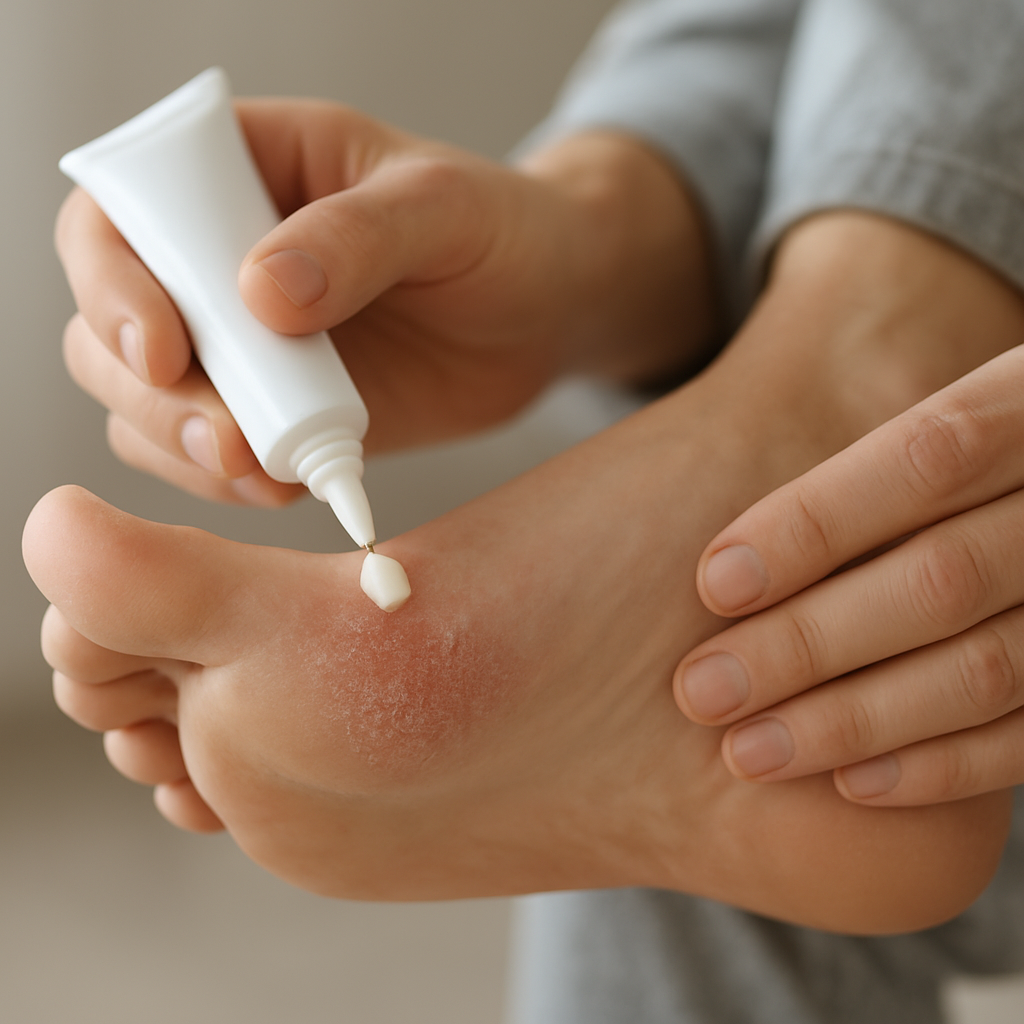
Topical antifungal medications are treatments you apply directly to your skin's surface. These medications come in several forms: creams, ointments, sprays, lotions, and powders. Each form targets fungal infections right where they appear, making them particularly effective for surface-level skin problems.
These medications work by attacking the fungal cell walls and membranes, disrupting the organism's ability to survive and reproduce. When you apply them directly to the infected area, the active ingredients penetrate the outer skin layers to reach the fungi causing your symptoms. This targeted approach means you're treating the problem at its source.
"Topical antifungals offer the advantage of treating infections exactly where they occur, without affecting your entire body system."
One major advantage of topical treatments is their lower risk of systemic side effects. Since the medication stays primarily on your skin rather than entering your bloodstream in significant amounts, you're less likely to experience the stomach upset, liver concerns, or drug interactions that can occur with oral medications.
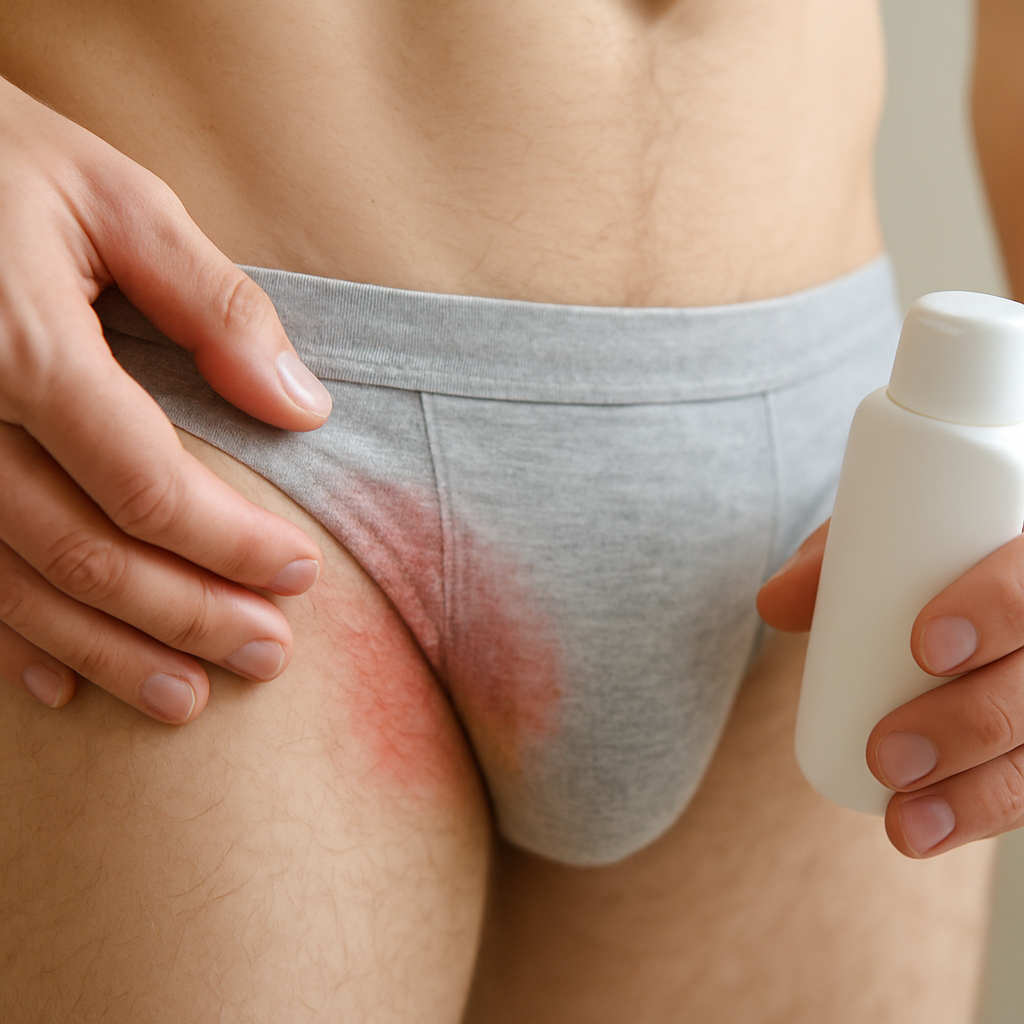
Common examples include miconazole cream for athlete's foot, clotrimazole for ringworm, and antifungal powders for preventing moisture-related infections. Many topical antifungals are available over-the-counter, giving you immediate access to treatment when you notice early symptoms.
For most surface fungal infections like athlete's foot, jock itch, or minor ringworm patches, topical medications provide effective relief without the complexity of prescription oral drugs. They work best when applied consistently to clean, dry skin as directed on the packaging.
What Are Oral Antifungal Medications?

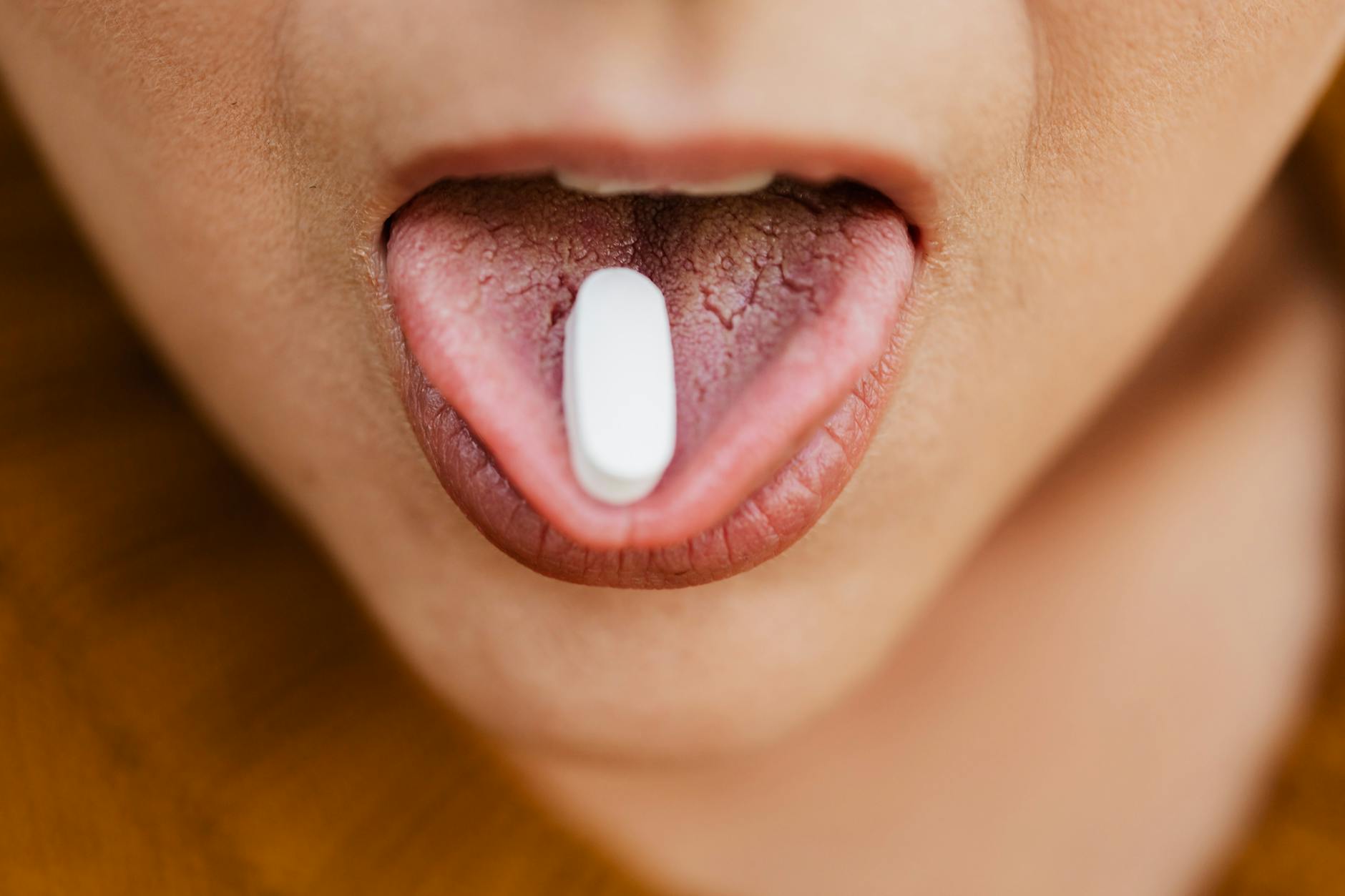
Oral antifungal medications are pills or tablets that you swallow to treat fungal infections from the inside out. Unlike topical treatments that work only on the skin surface, these medications enter your bloodstream and travel throughout your entire body to fight infections.
When you take an oral antifungal, your digestive system absorbs the medication into your bloodstream. From there, it circulates to all parts of your body, including areas that topical creams simply cannot reach. This makes oral medications particularly effective for stubborn infections that have spread deep into nail beds, hair follicles, or multiple areas of skin.
Common oral antifungals include terbinafine (Lamisil), itraconazole (Sporanox), and fluconazole (Diflucan). Your doctor might prescribe these when topical treatments fail or when dealing with extensive infections that could lead to permanent nail damage or scarring if left untreated.
The systemic approach comes with trade-offs. While oral medications can clear infections that topicals cannot touch, they also carry more potential for side effects. Your liver processes these medications, so doctors often monitor liver function during treatment. Some people experience stomach upset, headaches, or taste changes.
Oral antifungals work best for nail fungus, scalp ringworm, and widespread skin infections where quick, comprehensive treatment prevents long-term complications.
Side-by-Side Comparison
When choosing between topical and oral antifungal medications, understanding the key differences helps you make an informed decision with your doctor. This comparison covers the most important factors that affect treatment success and your daily routine.
Effectiveness: Oral medications typically show higher success rates for stubborn infections, especially those affecting nails or covering large areas. Topical treatments work well for surface infections and localized problems, but may struggle with deeper or widespread fungal issues.
Side Effects: Topical medications cause minimal side effects, usually limited to mild skin irritation or redness at the application site. Oral medications can affect your entire system, potentially causing nausea, headaches, liver problems, or drug interactions with other medications you take.
Treatment Duration: Topical treatments often require 2-8 weeks of consistent daily application. Oral medications typically work faster, with treatment courses lasting 1-3 months depending on the infection type and severity.
Cost Differences: Generic topical antifungals cost $10-30 monthly, while prescription oral medications range from $50-200 monthly. Insurance coverage varies significantly between the two options.
Ease of Use: Topical medications require daily application to affected areas, which some patients find tedious but manageable. Oral medications involve taking pills once or twice daily, making them convenient but requiring regular monitoring for potential side effects. For those worried about permanent scarring, oral medications often prevent deeper tissue damage more effectively than topical treatments alone.
When to Choose Topical Antifungals
Topical antifungal medications work best when your fungal infection stays on the skin's surface and covers a small area. These creams, ointments, and sprays target the infection directly without affecting your entire body.
Choose topical treatments for mild to moderate infections that haven't spread extensively. If you can cover the affected area with a quarter-sized amount of medication, topical options will likely clear your infection effectively. Most athlete's foot, jock itch, and ringworm cases fall into this category.
Topical antifungals shine when treating localized skin conditions. For example, if you have athlete's foot between your toes or a small patch of ringworm on your arm, a topical cream will penetrate the affected skin and eliminate the fungus without unnecessary systemic exposure.
Consider topical options if you want to avoid potential side effects from oral medications. People with liver conditions, those taking multiple medications, or anyone concerned about drug interactions often prefer topical treatments. These medications rarely cause serious side effects beyond mild skin irritation.
Your infection's appearance can guide your choice. If the affected skin shows clear boundaries, doesn't cover large areas, and hasn't spread to multiple body parts, topical treatment will likely succeed. Early intervention with topical medications prevents the infection from worsening and reduces any risk of lasting skin changes that might cause embarrassment later.
Start with topical antifungals when you first notice symptoms. This approach often prevents the need for stronger oral medications and helps you achieve clear, healthy skin faster.
When to Choose Oral Antifungals
Oral antifungal medications become necessary when topical treatments can't reach the infection site or when the infection is too severe for surface-level treatment. Your doctor will recommend systemic therapy for specific situations where topical options simply won't work effectively.
Severe or widespread fungal infections require oral medication because topical creams can't cover large areas adequately. If your infection spreads across multiple body parts or covers significant skin surface, oral antifungals circulate through your bloodstream to attack the fungus from within. This systemic approach prevents the embarrassing spread that many patients fear and stops infections before they cause lasting skin damage.
Nail fungus almost always requires oral treatment because topical medications struggle to penetrate thick nail plates. Toenail infections, for example, need drugs like terbinafine or itraconazole that reach the nail bed through blood circulation.
When topical antifungals fail after consistent use for several weeks, oral medications offer a stronger approach. Failed topical treatment often indicates deeper infection or resistant fungal strains that need systemic intervention.
Immunocompromised patients with conditions like diabetes or HIV need oral antifungals because their weakened immune systems can't fight off even minor fungal infections effectively. Hair and scalp infections, including ringworm of the scalp, always require oral treatment since topical medications can't penetrate hair follicles adequately.
Your dermatologist will evaluate infection severity, location, and your overall health before prescribing oral antifungals, ensuring you get the most effective treatment for complete clearing.
Can You Use Both Together?

Yes, doctors often prescribe topical and oral antifungal medications together, especially for stubborn or widespread infections. This combination approach attacks fungal infections from both inside and outside your body, often leading to faster healing and better results than using either treatment alone.
Combination therapy works particularly well for severe toenail fungus, extensive ringworm, or recurring yeast infections. Your doctor might prescribe oral medication to eliminate the infection systemically while recommending a topical cream to treat surface symptoms and prevent reinfection. For example, someone with severe athlete's foot might take oral terbinafine while applying topical clotrimazole to affected areas.
Never start combination therapy on your own. Your doctor needs to evaluate potential drug interactions, monitor for side effects, and ensure the medications complement each other effectively. They'll also adjust dosages based on your specific infection type and medical history.
This approach significantly reduces your risk of permanent nail damage or skin discoloration that can cause lasting embarrassment. Most patients see improvement within two to four weeks when following their prescribed combination regimen correctly.
Making Your Decision
Choosing between topical and oral antifungal medications depends on several key factors. Consider the severity and location of your infection, your medical history, and how quickly you need results. Topical treatments work best for mild surface infections on easily accessible areas, while oral medications tackle widespread or stubborn infections more effectively.
See a doctor if your symptoms persist after two weeks of over-the-counter treatment, if the infection spreads to multiple areas, or if you develop fever or severe inflammation. You should also seek professional help if you have diabetes, a compromised immune system, or recurring fungal infections that suggest an underlying condition.
When meeting with your healthcare provider, ask specific questions about treatment duration, potential side effects, and monitoring requirements. Find out whether you need follow-up appointments and what signs indicate treatment success or failure. Discuss any concerns about permanent scarring, as proper treatment significantly reduces this risk when started promptly.
Your next steps involve following the prescribed treatment exactly as directed, maintaining good hygiene practices, and keeping the affected area clean and dry. Monitor your progress and report any worsening symptoms immediately. Remember that consistent treatment prevents complications and speeds healing.
Partner with your healthcare provider to choose the right antifungal treatment based on your specific infection type and severity.
Frequently Asked Questions
Should I use topical or oral antifungal medication?
The choice depends on your infection's severity, location, and type. For most mild skin infections like athlete's foot, ringworm, or small yeast infections, topical treatments work effectively without systemic side effects. Oral antifungals become necessary when infections are severe, cover large areas, affect your nails, or keep returning despite topical treatment.
How effective are topical antifungal medications?
Topical antifungals successfully treat 80-90% of superficial fungal infections when used consistently. They work by attacking fungal cell walls directly at the infection site, making them particularly effective for surface-level skin problems. Most superficial infections clear within 2-4 weeks with proper topical treatment.
Why do nail fungal infections need oral medication?
Nail fungus requires oral treatment because topical medications struggle to penetrate thick nail beds effectively. Oral antifungals enter your bloodstream and travel throughout your body, reaching areas that topical creams cannot access. This systemic approach is essential for treating infections in hard-to-reach areas like nail beds.
What are the advantages of topical antifungal creams?
Topical antifungals offer the advantage of treating infections exactly where they occur without affecting your entire body system. They have a lower risk of systemic side effects since the medication stays primarily on your skin rather than entering your bloodstream significantly. Many are available over-the-counter, providing immediate access to treatment when you notice early symptoms.
Can I use both topical and oral antifungal medications together?
Yes, some stubborn infections respond best to combination therapy using both topical and oral medications simultaneously. This dual approach tackles the infection from inside and outside your body, reducing treatment time and preventing recurrence. Your doctor will determine if combination therapy is appropriate based on your infection's characteristics and medical history.
Disclaimer: This content is for informational purposes only and does not constitute medical advice. Always consult a qualified healthcare provider before making health decisions.