Understanding Fungal Infections and Why Medication Is Necessary

Fungal infections occur when microscopic organisms called fungi multiply on your skin, creating irritating and sometimes embarrassing symptoms. Unlike bacteria, fungi are living organisms that thrive in warm, moist environments and feed on keratin—the protein found in your skin, hair, and nails. This fundamental difference explains why regular antibiotics, which target bacteria, have zero effect on fungal infections.
“Fungal infections require specialized antifungal medications because fungi operate completely differently from bacteria.”
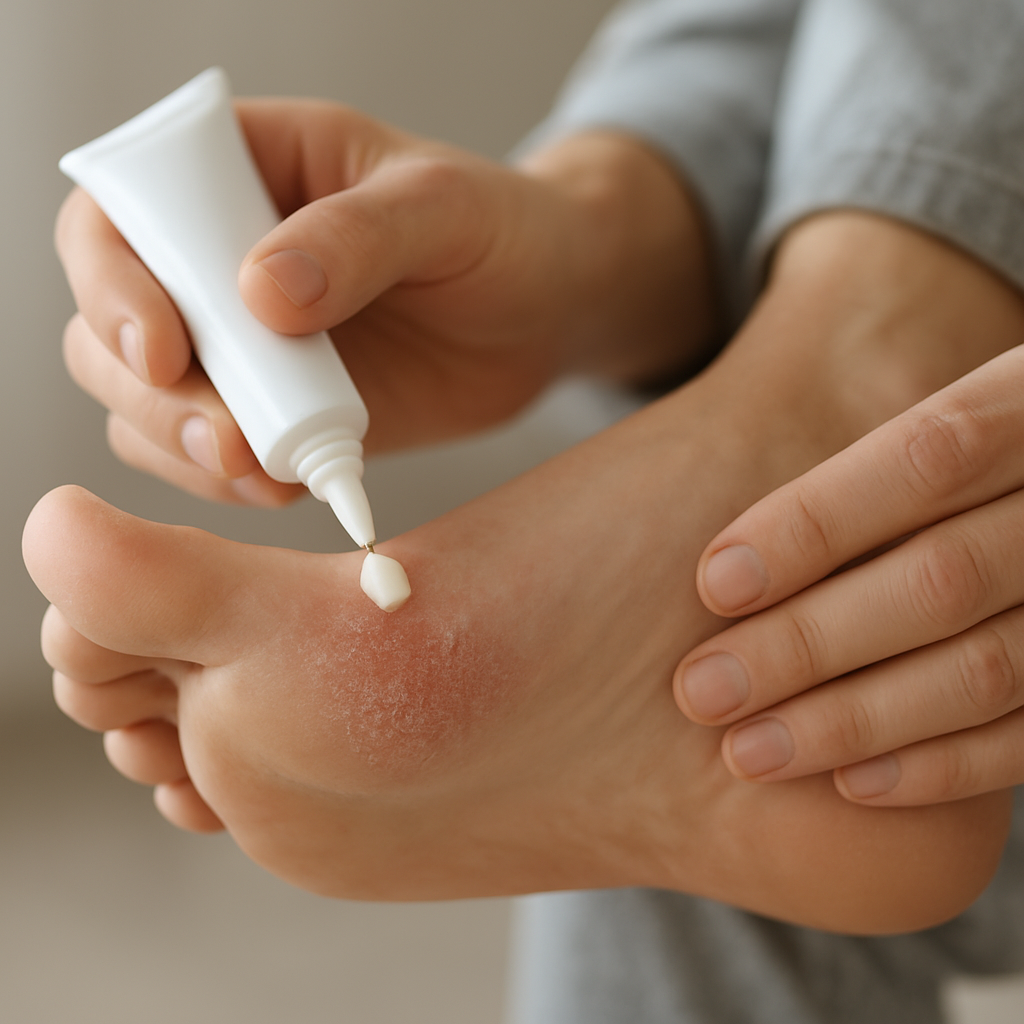
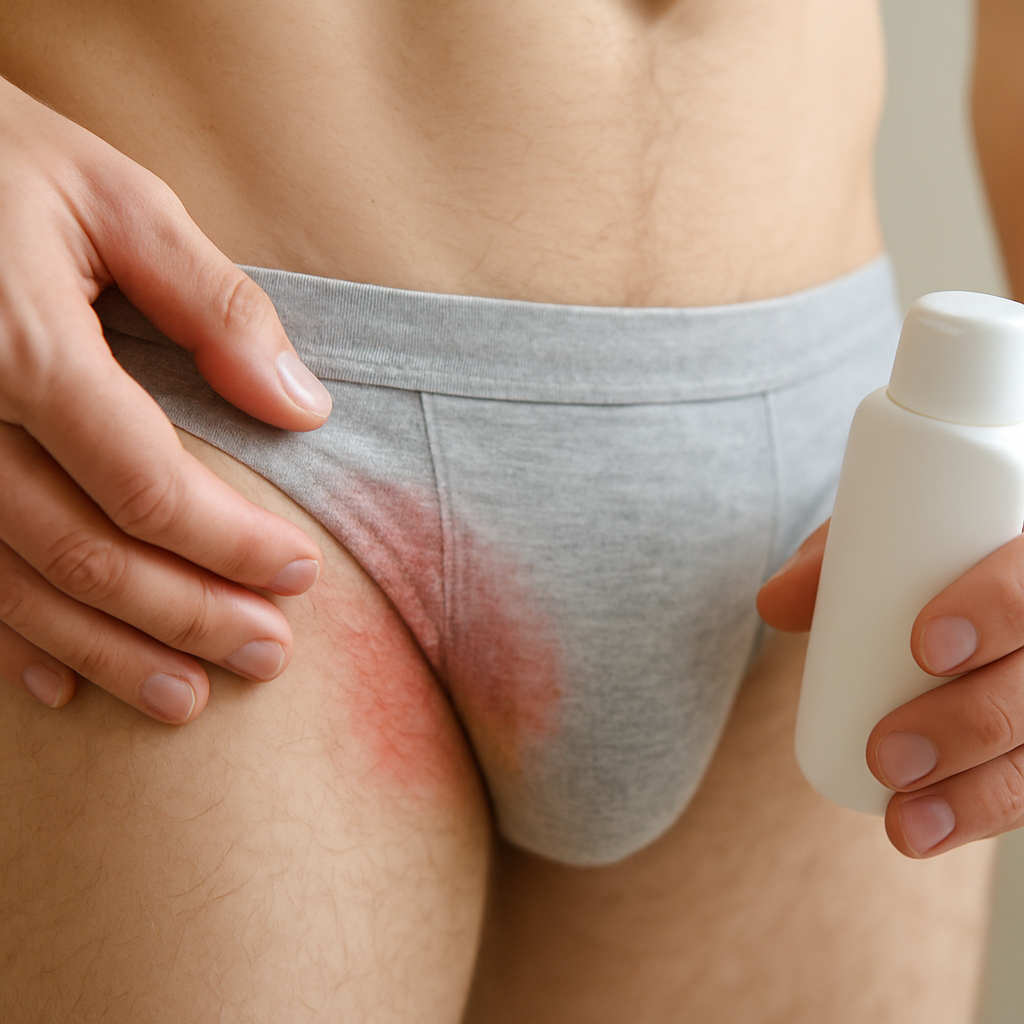
The most common fungal infections affecting your skin include athlete's foot (between your toes), ringworm (circular patches anywhere on your body), and jock itch (groin area). These infections spread through direct contact with infected surfaces like gym floors, shared towels, or contaminated clothing. While these conditions rarely cause permanent scarring when treated properly, leaving them untreated can lead to secondary bacterial infections and prolonged discomfort.
Antifungal medications work by targeting the unique cell walls of fungi, either killing them directly or preventing their reproduction. Without these specialized treatments, fungal infections typically worsen over time, spreading to larger areas and potentially affecting deeper layers of skin. Understanding this difference helps you choose the right treatment approach from the start.
How Antifungal Medications Work

Antifungal medications fight skin infections by targeting the fungus at its most vulnerable points. These medications work differently than antibiotics because fungi have unique structures that require specialized treatment approaches.
The primary target is the fungal cell wall and membrane. Fungi have a protective outer layer made of substances like chitin and ergosterol that human cells don't possess. Antifungal medications exploit this difference by either weakening these protective barriers or preventing fungi from building them properly. When the cell wall becomes damaged, the fungus can't survive.
“Antifungal medications specifically target fungal structures that human cells don't have, making them highly effective against infections.”
These medications also disrupt the fungus's ability to grow and multiply. By interfering with essential processes like protein synthesis or DNA replication, antifungals stop the infection from spreading to healthy areas of your skin.
As the fungal population decreases, your skin's natural healing processes can take over. This allows damaged tissue to repair itself and prevents the scarring that many people worry about. Your immune system also becomes more effective at clearing any remaining fungal cells once the medication reduces the overall infection load.
Types of Antifungal Medications Available
Antifungal medications come in several forms, each designed for different types and severities of infections. Understanding your options helps you choose the right treatment path.
Topical antifungals are your first line of defense for surface skin infections. These include creams like clotrimazole (Lotrimin), ointments for dry or cracked skin, powders that keep feet dry and prevent reinfection, and sprays that reach hard-to-access areas. You apply these directly to affected skin, making them perfect for athlete's foot, ringworm, or minor yeast infections.
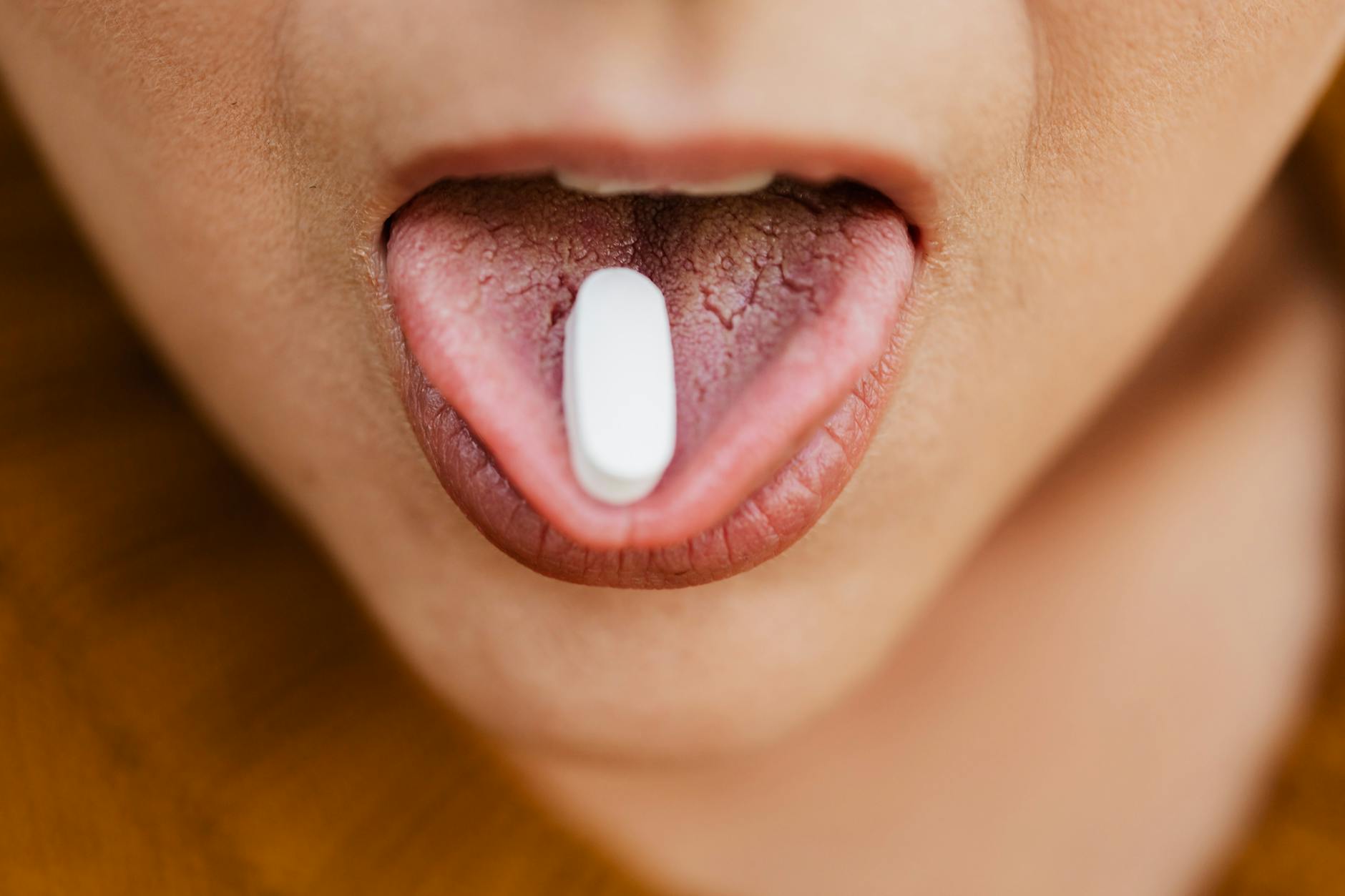
Oral antifungals become necessary when infections spread deeper into skin layers or affect multiple body areas. Doctors prescribe medications like fluconazole or terbinafine for stubborn nail fungus or widespread infections that topical treatments cannot reach effectively.
Over-the-counter options work well for mild, localized infections and won't cause permanent scarring when used properly. Prescription-strength medications contain higher concentrations of active ingredients and treat more severe cases that might otherwise leave lasting marks or spread to other areas.
Common Active Ingredients in Antifungal Treatments
When you visit a pharmacy or receive a prescription, you'll encounter specific active ingredients that target fungal infections. Understanding these names helps you make informed choices and recognize what you're using on your skin.
Azoles represent the most common antifungal family. Miconazole appears in many over-the-counter creams and powders for athlete's foot and jock itch. Clotrimazole treats yeast infections and ringworm effectively. Fluconazole, available by prescription, tackles stubborn or widespread infections that topical treatments can't reach.
Allylamines like terbinafine work differently than azoles and often clear infections faster. You'll find terbinafine in Lamisil products, which many dermatologists prefer for nail fungus and persistent skin infections.
Other classes include polyenes like nystatin for oral thrush, and newer options like ciclopirox for nail infections. Each ingredient targets fungi through different mechanisms, which is why some work better for specific infections. Your healthcare provider chooses based on the infection type, location, and your medical history to minimize any risk of prolonged treatment that could affect your skin's appearance.
When Antifungal Medications Are Prescribed

Your dermatologist prescribes antifungal medications only after confirming you have a fungal infection, not a bacterial or viral skin condition. This diagnosis typically happens through visual examination of characteristic symptoms like ring-shaped patches, scaling, or specific rash patterns. In unclear cases, your doctor may take skin scrapings for microscopic testing or culture analysis.
The severity and location of your infection determine treatment strength. Mild infections between toes might need only topical creams, while widespread body infections require oral medications. Facial infections demand gentler formulations to prevent irritation, unlike tough nail fungus that needs aggressive long-term treatment.
Your medical history influences prescription choices. Liver problems may rule out certain oral antifungals, while pregnancy limits medication options. Active skin conditions require careful timing—for example, Chemical Peels cannot be performed during active fungal infections, as the compromised skin barrier increases infection risk and delays healing.
Age matters too. Children receive different dosages and medication types than adults. Your doctor also considers other medications you're taking to avoid dangerous interactions that could worsen your condition or create new health problems.
What to Expect During Antifungal Treatment
Most fungal infections start improving within one to two weeks of treatment, though you might not see dramatic changes immediately. Your skin may look the same for the first few days, but this doesn't mean the medication isn't working.
You must complete the entire treatment course even after your skin appears clear. Stopping early allows remaining fungal spores to multiply, causing the infection to return stronger than before. Most treatments require two to four weeks for complete elimination.
Good signs include reduced itching, less redness, and healing skin. Contact your dermatologist if symptoms worsen after one week, new areas become infected, or you develop severe irritation. These changes may indicate you need a different medication or have developed a secondary bacterial infection requiring additional treatment.
Complete your full antifungal treatment course even after symptoms disappear to prevent recurrence and ensure complete elimination of the infection.
Frequently Asked Questions
Why don't antibiotics work for fungal infections?
Antibiotics are designed to target bacteria, but fungal infections are caused by completely different organisms called fungi. Fungi have unique cell structures and feed on keratin protein found in skin, hair, and nails, which makes them operate differently from bacteria. This fundamental difference explains why regular antibiotics have zero effect on fungal infections and why specialized antifungal medications are necessary.
How do antifungal medications work to treat skin infections?
Antifungal medications target the unique cell walls and membranes of fungi, which are made of substances like chitin and ergosterol that human cells don't possess. These medications either weaken the protective barriers or prevent fungi from building them properly, causing the fungus to die. They also disrupt the fungus's ability to grow and multiply by interfering with essential processes like protein synthesis.
What are the most common types of fungal skin infections?
The most common fungal skin infections include athlete's foot, which occurs between the toes, ringworm that creates circular patches anywhere on the body, and jock itch in the groin area. These infections spread through direct contact with infected surfaces like gym floors, shared towels, or contaminated clothing. While they rarely cause permanent scarring when treated properly, leaving them untreated can lead to secondary bacterial infections.
What types of antifungal medications are available for treatment?
Topical antifungals are the first line of defense for surface skin infections and include creams like clotrimazole (Lotrimin), ointments for dry or cracked skin, powders that keep feet dry, and sprays for hard-to-reach areas. These medications are applied directly to affected skin and are perfect for treating athlete's foot, ringworm, or minor yeast infections. Topical treatments have an 85% success rate with typical treatment lasting 7-14 days.
Disclaimer: This content is for informational purposes only and does not constitute medical advice. Always consult a qualified healthcare provider before making health decisions.