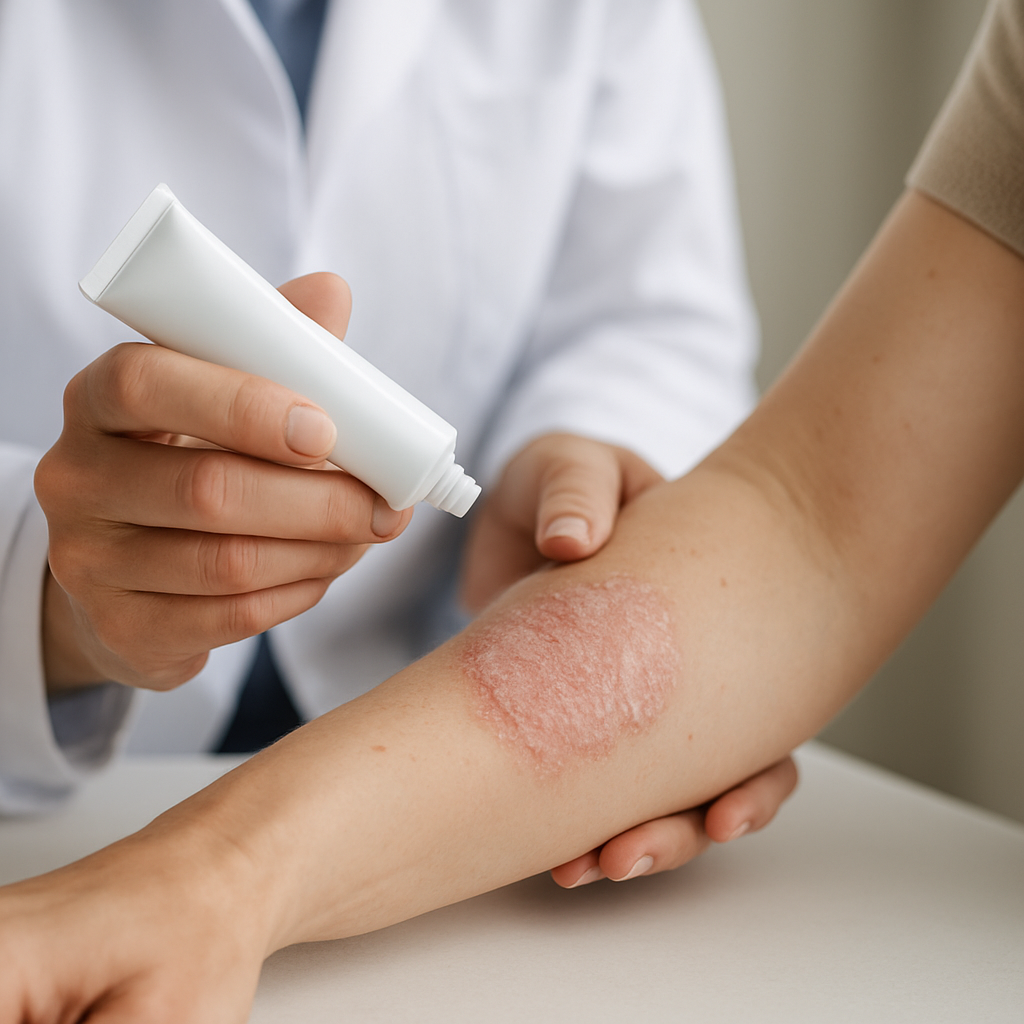
What Are Prescription Eczema Treatments

Atopic Dermatitis is a chronic inflammatory skin condition that causes dry, itchy, and inflamed patches on your skin. When over-the-counter moisturizers and gentle cleansers fail to control flare-ups, prescription treatments become essential for managing this persistent condition.
“Prescription eczema medications target the root causes of inflammation, not just the symptoms.”
Prescription eczema treatments work differently than drugstore options. They specifically target skin barrier dysfunction and immune system overactivity that drive Atopic Dermatitis. While visible scarring from eczema is rare, prescription medications help prevent the cycle of scratching and inflammation that can worsen your skin's appearance over time.
Your dermatologist may recommend prescription treatments when your eczema covers large areas, disrupts sleep, or doesn't respond to basic care routines. These medications range from topical corticosteroids to newer immune-modulating creams that restore your skin's natural protective function.
Types of Prescription Eczema Treatments

Several categories of prescription medications help manage Atopic Dermatitis, each targeting different aspects of the condition. Your doctor will choose the right approach based on your symptoms and severity.
“Prescription treatments offer hope for clear skin when over-the-counter options fall short.”
Topical corticosteroids remain the first-line treatment for inflammation control. These medications reduce redness, swelling, and itching quickly. Common examples include hydrocortisone, triamcinolone, and clobetasol in varying strengths.
Calcineurin inhibitors like tacrolimus and pimecrolimus offer steroid-free immune modulation. These work well for sensitive areas like the face and eyelids where long-term steroid use isn't ideal.
Systemic immunosuppressants including methotrexate, cyclosporine, and mycophenolate treat severe, widespread cases. These oral medications work throughout your body to calm overactive immune responses.
Newer JAK inhibitors and biologics represent breakthrough treatments. Dupilumab injections and topical ruxolitinib provide targeted therapy with fewer side effects than traditional systemic options.
How Prescription Treatments Work
Prescription eczema treatments target the root causes of atopic dermatitis rather than just masking symptoms. These medications work through three primary mechanisms to restore healthy skin function and prevent the scarring many patients worry about.
The immune system plays a central role in eczema flares. Prescription treatments like topical corticosteroids and calcineurin inhibitors suppress the overactive immune response that triggers inflammation. This reduces the redness, swelling, and intense itching that characterize eczema outbreaks.
Many treatments also address skin barrier dysfunction, a hallmark of atopic dermatitis. Prescription moisturizers and barrier repair creams contain ceramides and other lipids that strengthen the skin's protective layer, preventing irritants and allergens from penetrating and triggering flares.
Advanced biologics target specific immune pathways, offering precise control over inflammation while managing environmental triggers that worsen symptoms.
Who Should Consider Prescription Treatment

Prescription eczema medications become necessary when your skin condition significantly disrupts your daily activities. If atopic dermatitis covers large areas of your body, causes intense itching that prevents sleep, or creates thick, scaly patches that crack and bleed, over-the-counter treatments likely won't provide adequate relief.
Patients with family histories of asthma, allergies, or eczema face higher risks for severe flare-ups that require stronger intervention. Your genetics can predispose you to more aggressive inflammatory responses that need prescription-strength control to prevent the permanent scarring and skin thickening that many people fear.
When drugstore creams and lifestyle changes fail to control breakouts on commonly affected areas like hands, face, or elbow creases, it's time to consult a dermatologist about prescription options.
Additional Treatment Considerations
Beyond prescription medications, several complementary approaches can enhance your eczema treatment plan. Phototherapy, which uses controlled UV light exposure, offers an effective option for moderate to severe atopic dermatitis that hasn't responded well to topical treatments alone.
A dermatologist consultation remains essential for proper diagnosis and treatment planning. They can distinguish between eczema and other skin conditions that may appear similar, preventing misdiagnosis that could delay healing.
For patients dealing with secondary skin damage from chronic scratching or inflammation, Chemical Peels may help improve texture and appearance. These acid treatments remove damaged skin layers through controlled chemical exfoliation, addressing concerns about permanent scarring while your primary eczema treatment takes effect.
Your dermatologist can coordinate these approaches, creating a comprehensive treatment plan that addresses both active inflammation and any lasting skin concerns.
Work with a dermatologist to combine prescription treatments with complementary approaches for optimal results and peace of mind.
Frequently Asked Questions
What are prescription eczema treatments?
Prescription eczema treatments are medications that target the root causes of atopic dermatitis, including skin barrier dysfunction and immune system overactivity. Unlike over-the-counter options, these treatments specifically address inflammation and help restore your skin's natural protective function. They range from topical corticosteroids to newer immune-modulating creams and are recommended when basic care routines fail to control flare-ups.
What types of prescription medications are available for eczema?
Several categories of prescription eczema treatments are available, including topical corticosteroids like hydrocortisone and triamcinolone for inflammation control. Calcineurin inhibitors such as tacrolimus and pimecrolimus offer steroid-free options, especially for sensitive areas like the face. For severe cases, systemic immunosuppressants and newer treatments like JAK inhibitors and biologics provide targeted therapy with fewer side effects.
How do prescription eczema treatments work?
Prescription eczema treatments work by targeting the root causes of atopic dermatitis through three main mechanisms. They suppress the overactive immune response that triggers inflammation, reducing redness, swelling, and itching. These medications also address skin barrier dysfunction by strengthening the skin's protective layer with ceramides and other lipids, preventing irritants from penetrating and triggering flares.
Who should consider prescription eczema treatment?
You should consider prescription eczema treatment if your condition significantly disrupts daily activities, covers large areas of your body, or causes intense itching that prevents sleep. Prescription medications become necessary when over-the-counter treatments fail to provide adequate relief for thick, scaly patches that crack and bleed. Your dermatologist may recommend these treatments when eczema doesn't respond to basic care routines.
Are prescription eczema treatments better than over-the-counter options?
Prescription eczema treatments work differently and more effectively than drugstore options by specifically targeting skin barrier dysfunction and immune system overactivity that drive atopic dermatitis. While over-the-counter moisturizers and gentle cleansers may help with mild symptoms, prescription medications target the root causes of inflammation rather than just masking symptoms. They become essential when basic over-the-counter treatments fail to control flare-ups or manage persistent symptoms.
Disclaimer: This content is for informational purposes only and does not constitute medical advice. Always consult a qualified healthcare provider before making health decisions.