Why Proper Application Technique Matters

The way you apply calcineurin inhibitors determines whether your treatment succeeds or fails. Poor application technique wastes medication, prolongs healing time, and can actually worsen inflammation in some cases. When you apply these medications correctly, you maximize their anti-inflammatory power while minimizing potential side effects.
“Proper application technique can mean the difference between clear skin in weeks versus months of continued frustration.”
Many patients worry about permanent skin damage from their condition, but using the right application method helps prevent this outcome. Calcineurin inhibitors work by suppressing the immune response that drives inflammation, but they need direct contact with affected skin to be effective.
Throughout this guide, you'll learn exactly how much to use, when to apply it, and which application patterns work best. You'll also discover common mistakes that reduce effectiveness and how to avoid the burning sensation that stops many people from continuing treatment. These techniques will help you achieve clearer skin faster while protecting your skin's long-term health.
Before You Apply: Essential Preparation Steps

Proper preparation prevents complications and ensures your calcineurin inhibitor works effectively. Taking time to prepare correctly reduces your risk of skin irritation and helps achieve the clear skin you're seeking faster.
“Clean hands and proper timing make the difference between successful treatment and unnecessary setbacks.”
Use soap and warm water for 20 seconds to prevent bacteria transfer to sensitive skin areas.
Use lukewarm water and a mild, fragrance-free cleanser, then pat dry with a clean towel.
Allow skin to air dry for 2-3 minutes before application to prevent diluting the medication.
Timing matters significantly. Apply calcineurin inhibitors when you have uninterrupted time, typically morning or evening. Avoid applying immediately after hot showers, swimming, or heavy sweating, as moisture interferes with absorption.
Never apply these medications over broken, infected, or severely irritated skin. Skip areas with open cuts or active bacterial infections. For example, if you have a small scratch from shaving, wait until it heals completely before resuming treatment in that spot.
Step-by-Step Application Process
Following the correct application technique ensures calcineurin inhibitors work effectively while minimizing irritation that could worsen your skin condition. These medications require precise application to deliver optimal results without causing unnecessary side effects.
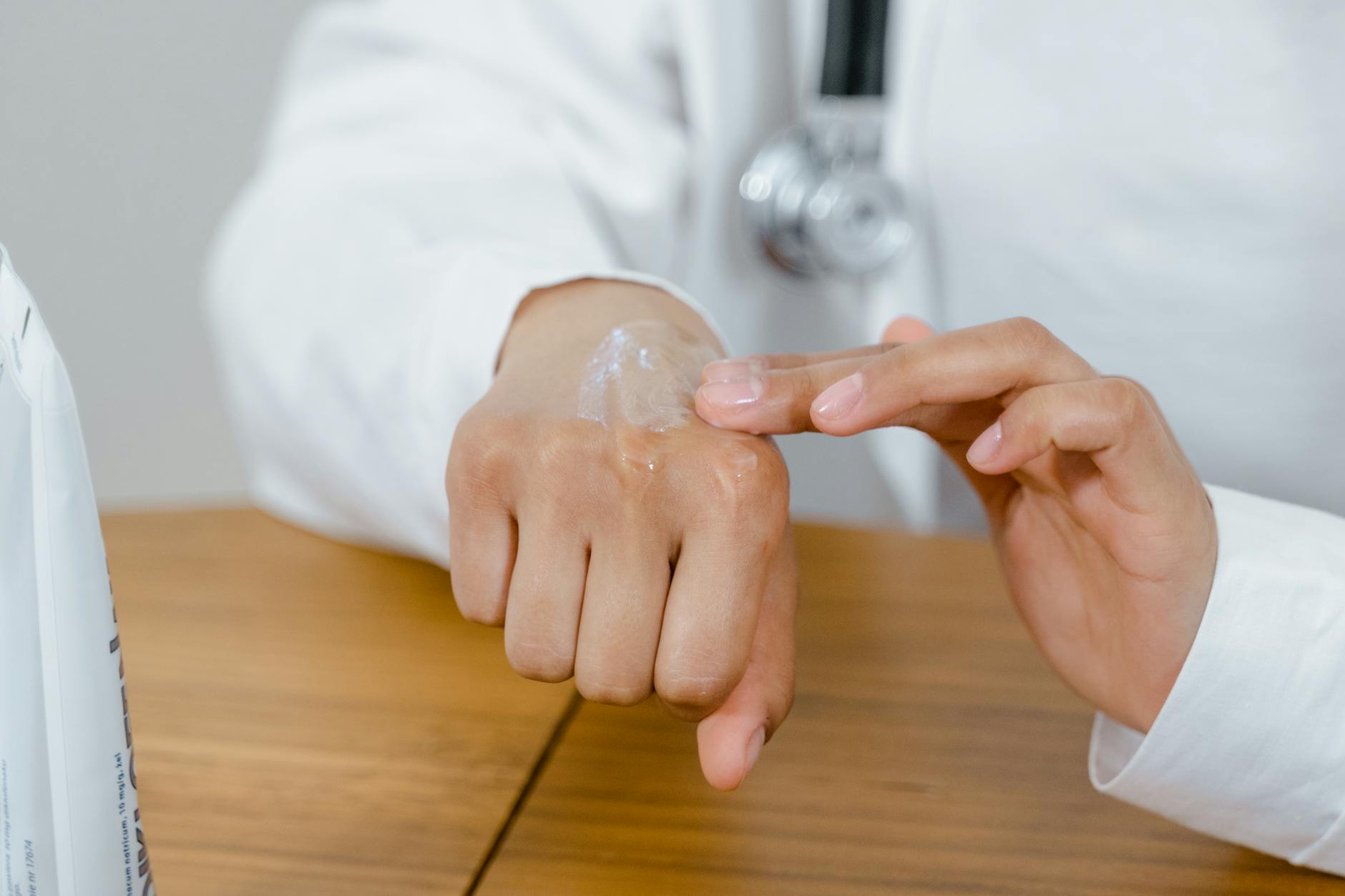
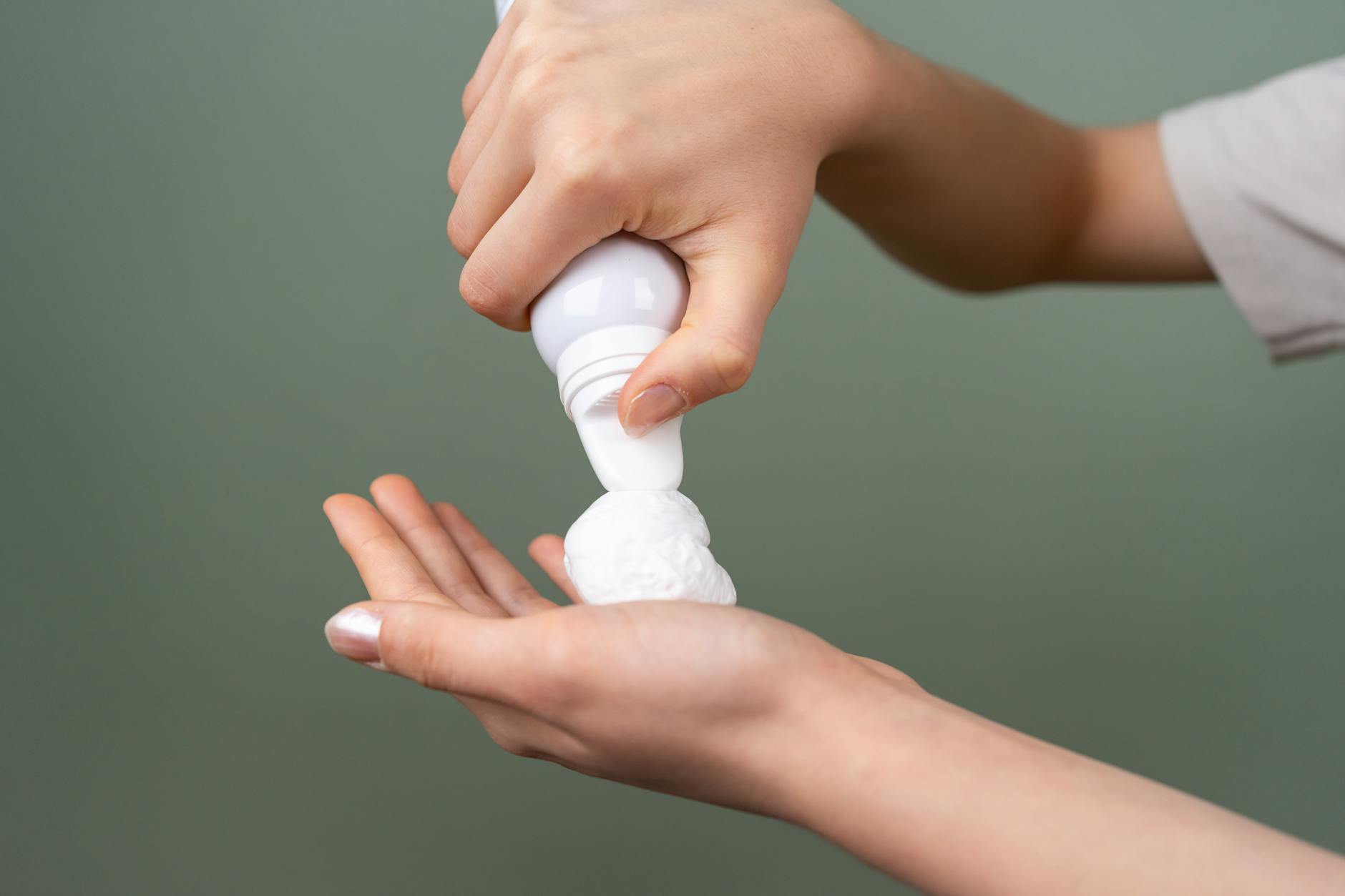
Use a thin layer approximately the size of your fingertip to cover an area twice the size of your palm.
Gently spread the medication in one direction using light pressure, avoiding vigorous rubbing that can irritate sensitive areas.
Apply exclusively to inflamed or problem areas, staying within the boundaries your dermatologist specified.
Wait 15-20 minutes before applying other products or covering the area with clothing or bandages.
Your skin should feel smooth after application, not greasy or sticky. If you notice excess medication sitting on the surface, you've used too much. For facial applications, work from the center outward, avoiding the immediate eye area unless specifically directed by your doctor.
Don't worry about temporary redness or mild stinging immediately after application—this typically subsides within minutes and doesn't indicate permanent damage. However, if irritation persists beyond 30 minutes or worsens over several days, contact your dermatologist.
After each application, wash your hands thoroughly unless you're treating your hands specifically. Store the medication at room temperature and replace the cap tightly to maintain effectiveness.
Frequency and Duration Guidelines
Most patients start with twice-daily applications of calcineurin inhibitors, applying the medication morning and evening to affected areas. Your dermatologist may recommend starting with once daily to test your skin's tolerance, then increasing frequency based on your response.
Treatment courses typically last 8-12 weeks for initial clearing, though some patients use these medications long-term for maintenance. Unlike topical steroids, calcineurin inhibitors can be used safely for extended periods without causing skin thinning or permanent damage that leads to scarring concerns.
Reduce application frequency when you notice significant improvement, usually after 2-4 weeks of consistent use. Signs of progress include less redness, reduced itching, and smoother skin texture. If irritation increases or no improvement occurs after 6 weeks, contact your dermatologist to adjust your treatment plan.
Maintenance therapy often involves applying the medication 2-3 times per week to prevent flare-ups once your skin clears. This proactive approach helps maintain results and prevents the frustrating cycle of clearing and relapsing that many patients experience.
Common Application Mistakes to Avoid

Many patients accidentally sabotage their treatment by making preventable errors. Using too much product wastes medication and increases irritation risk. A rice grain-sized amount covers your entire face adequately.
Applying calcineurin inhibitors to the wrong areas causes problems. Never use these medications on broken skin, active infections, or areas with suspicious moles. Stick to affected eczema patches only.
Timing mistakes derail progress. Don't apply the medication immediately after hot showers when your skin is inflamed. Wait thirty minutes for your skin to cool and dry completely first.
Interactions with other treatments create complications. Stop using Chemical Peels during calcineurin inhibitor treatment since these acid treatments remove damaged skin layers through controlled chemical exfoliation, potentially causing severe irritation when combined. Always inform your dermatologist about every skincare product you're using to prevent dangerous interactions that could lead to permanent scarring.
Tips for Best Results
Store your calcineurin inhibitor at room temperature away from heat and humidity. The bathroom medicine cabinet isn't ideal due to shower steam. Apply the medication at consistent times daily to maintain steady skin levels and build an effective routine.
Track your progress with photos taken in natural lighting every few days. This helps you notice gradual improvements that might otherwise go unnoticed and prevents the frustration of thinking nothing is working when healing is actually occurring.
Contact your dermatologist if you experience unusual burning that worsens after a week, new skin reactions, or no improvement after six weeks of consistent use.
Consistent application timing and proper storage maximize calcineurin inhibitor effectiveness while progress photos help track healing.
Frequently Asked Questions
Why is proper application technique important for calcineurin inhibitors?
Proper application technique determines whether your treatment succeeds or fails, as poor technique wastes medication and prolongs healing time. When applied correctly, you maximize the anti-inflammatory power while minimizing potential side effects. The right application method can mean the difference between clear skin in weeks versus months of continued frustration.
How should I prepare my skin before applying calcineurin inhibitors?
First, wash your hands thoroughly with soap and warm water for 20 seconds to prevent bacteria transfer. Clean the affected area gently with lukewarm water and mild, fragrance-free cleanser, then pat dry with a clean towel. Allow skin to air dry for 2-3 minutes before application to prevent diluting the medication.
How much calcineurin inhibitor should I apply to my skin?
Use a thin layer approximately the size of your fingertip to cover an area twice the size of your palm. Gently spread the medication in one direction using light pressure, avoiding vigorous rubbing that can irritate sensitive areas.
When should I avoid applying calcineurin inhibitors?
Never apply these medications over broken, infected, or severely irritated skin, including areas with open cuts or active bacterial infections. Avoid applying immediately after hot showers, swimming, or heavy sweating, as moisture interferes with absorption. Wait until any cuts or scratches heal completely before resuming treatment in those areas.
What is the best time to apply calcineurin inhibitors?
Apply calcineurin inhibitors when you have uninterrupted time, typically in the morning or evening. Choose times when you won't be immediately showering, swimming, or engaging in activities that cause heavy sweating. Timing matters significantly for the medication to work effectively.
Disclaimer: This content is for informational purposes only and does not constitute medical advice. Always consult a qualified healthcare provider before making health decisions.