Why Facial Eczema Needs Special Treatment Considerations

Your face requires a fundamentally different approach to eczema treatment than the rest of your body. Facial skin is significantly thinner and more sensitive than body skin, making it vulnerable to irritation from treatments that work well elsewhere. This delicate nature means standard body eczema medications can cause serious side effects on your face.
“Facial skin is up to ten times thinner than body skin, requiring gentler treatment approaches.”
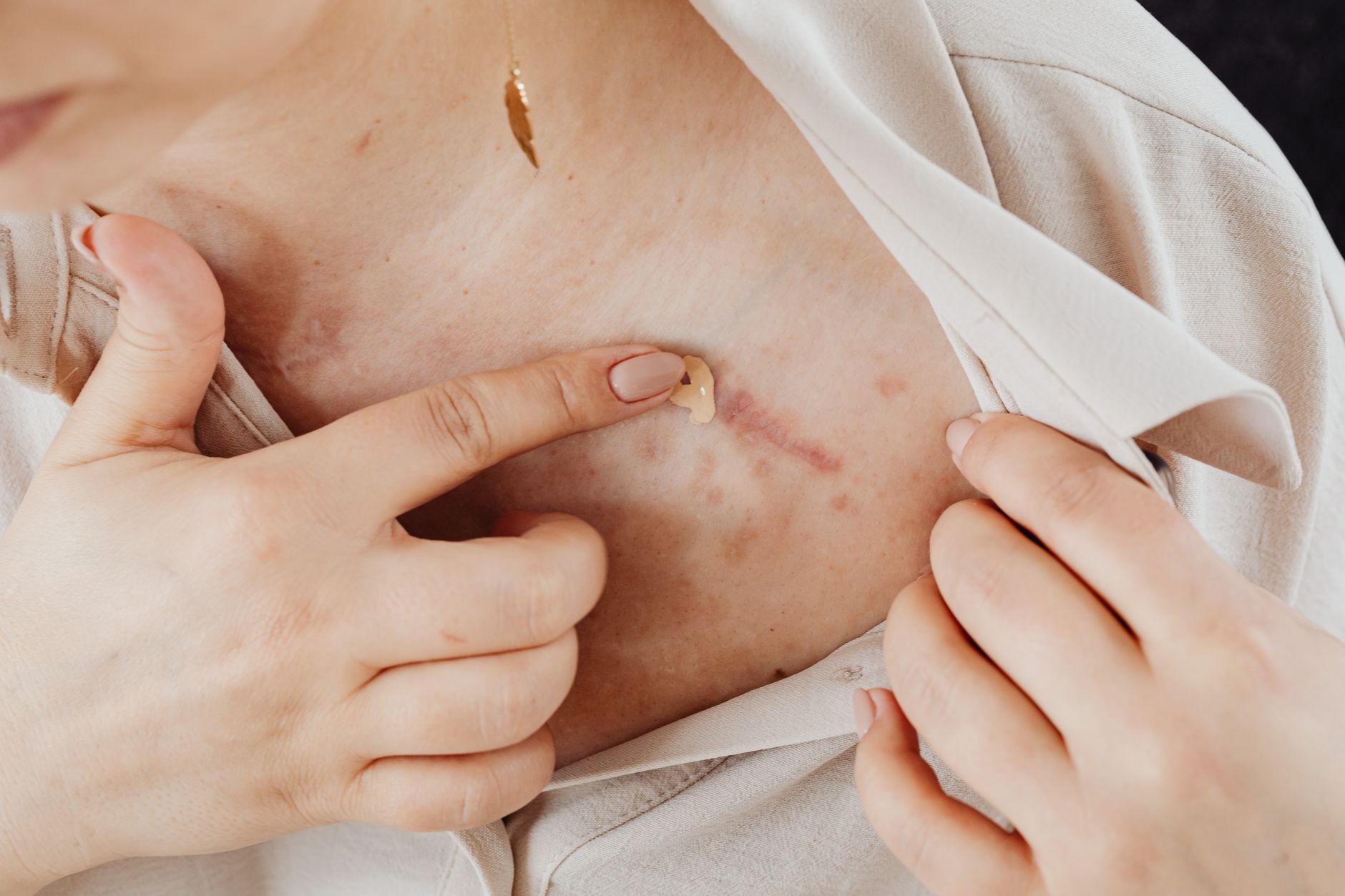
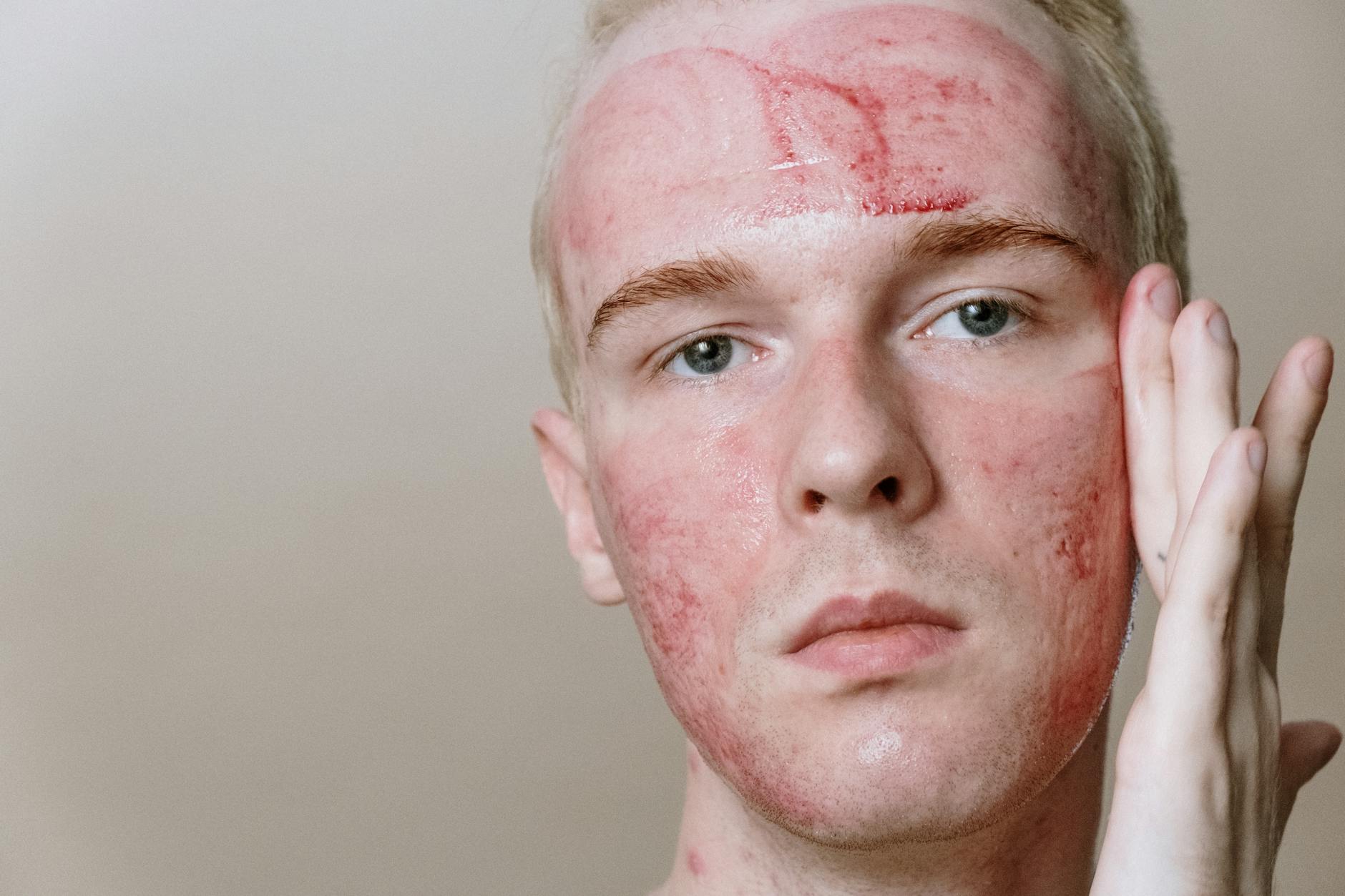
Steroid creams carry higher risks when used on your face, including permanent skin thinning and discoloration. These concerns about scarring and visible damage are valid - your face deserves extra caution. The visible nature of facial eczema also creates unique psychological stress that affects your daily confidence and social interactions.
Successful facial eczema management requires a comprehensive daily routine beyond just medication. This includes gentle cleansing with fragrance-free products, consistent moisturizing with face-specific formulas, and diligent sun protection. Your face needs this multi-step approach because it faces constant environmental exposure and frequent touching throughout the day.
How Tacrolimus and Pimecrolimus Work for Facial Eczema
Tacrolimus and pimecrolimus belong to a medication class called calcineurin inhibitors. These drugs work by blocking calcineurin, a protein that triggers your immune system to create inflammation in your skin. When calcineurin gets blocked, the angry red patches and itching that characterize facial eczema begin to calm down.
“Unlike topical steroids, calcineurin inhibitors won't thin your facial skin even with long-term use.”
What makes these medications perfect for your face is their gentle profile. Traditional steroid creams can thin delicate facial skin over time, potentially causing permanent changes that many people worry about. Tacrolimus and pimecrolimus don't carry this risk, making them safe for extended use on sensitive facial areas.
Both medications come specifically formulated for sensitive skin zones. Tacrolimus is available as Protopic ointment in 0.03% and 0.1% strengths, while pimecrolimus comes as Elidel cream at 1% concentration. Your dermatologist will typically start with the lower concentration to see how your skin responds.
These treatments target inflammation directly without suppressing your entire immune system, allowing your facial skin to heal while maintaining its natural protective barrier.
Step-by-Step Application Guide for Your Face

Proper application technique makes the difference between clear skin and continued flare-ups. Your face requires a gentler approach than other body areas, and following these steps prevents irritation while maximizing treatment effectiveness.
Wash your face with lukewarm water and a fragrance-free cleanser, then pat completely dry.
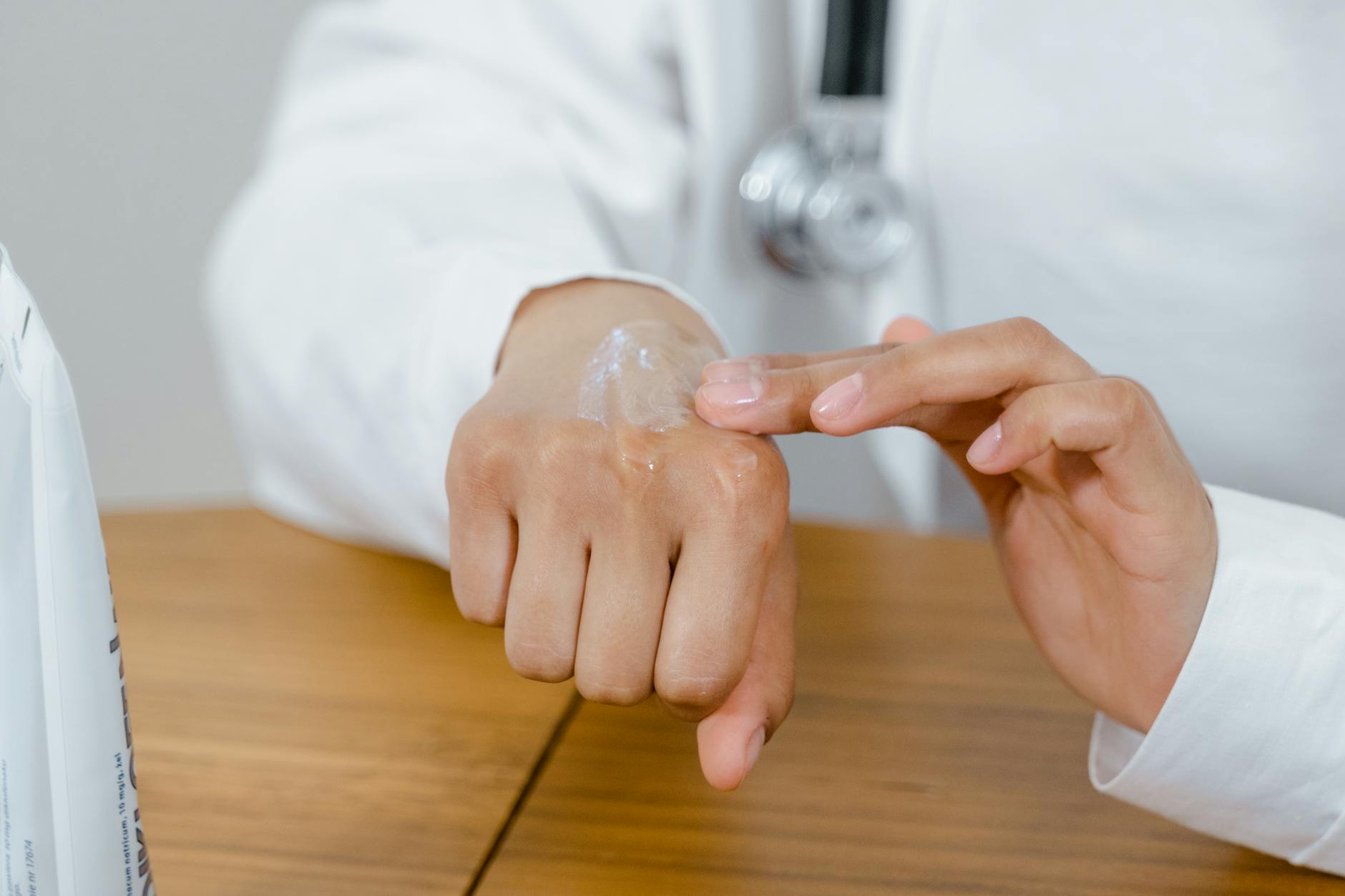
Use only a pea-sized amount for your entire face, spreading it like you would a light moisturizer.
Stay at least one finger-width away from your eyes, nostrils, and mouth corners.
Massage gently until the medication disappears entirely into your skin.
Apply your immunomodulator twice daily, typically morning and evening. Wait at least 15 minutes before adding sunscreen or makeup. Never layer these medications under occlusive products like petroleum jelly.
Most people see improvement within two weeks of consistent use. The key is patience and regular application rather than increasing the amount. Using too much can actually slow healing and may cause unnecessary irritation that delays your progress toward clear, comfortable skin.
Choosing Between Tacrolimus and Pimecrolimus for Your Face
Selecting the right immunomodulator depends on your eczema severity and skin sensitivity. Tacrolimus works best for moderate to severe facial eczema, especially around stubborn areas like the eyelids and mouth where inflammation runs deep. Its stronger formulation tackles persistent patches that haven't responded to gentler treatments.
Pimecrolimus suits mild facial eczema and sensitive skin types. It causes less initial irritation, making it ideal for children over two years old and adults with reactive skin. This gentler option works particularly well on thin facial areas like around the nose and cheeks.
Age matters significantly in your choice. Tacrolimus requires patients to be at least two years old for the 0.03% strength, while the stronger 0.1% version is reserved for adults. Your dermatologist will consider your skin's thickness, previous treatment responses, and areas needing treatment when recommending the best option for preventing future flare-ups without scarring.
Safety Precautions and What to Expect
Starting immunomodulator treatment on your face requires understanding what's normal and what's concerning. A mild burning or stinging sensation during the first few applications is completely expected and doesn't indicate damage or scarring. This initial discomfort typically decreases within a week as your skin adjusts to the medication.
Sun protection becomes non-negotiable while using these treatments. Your face will be more photosensitive, making sunscreen application essential every morning, even on cloudy days. Choose SPF 30 or higher and reapply throughout the day when outdoors.
Contact your dermatologist immediately if you experience severe burning that worsens after the first week, signs of infection like pus or spreading redness, or any unusual skin changes. Most patients notice initial improvement within two to four weeks, with significant clearing by eight to twelve weeks of consistent use.
Track your progress with photos and keep a simple diary of symptoms. This documentation helps both you and your dermatologist assess treatment effectiveness and make necessary adjustments to achieve the clear skin you're working toward.
Combining with Other Facial Treatments

Layering immunomodulators with other facial treatments requires careful timing to avoid irritation. Apply your immunomodulator first, wait 10-15 minutes, then follow with a gentle, fragrance-free moisturizer to lock in hydration without compromising effectiveness.
Chemical Peels that use acids to remove old skin and reveal fresh skin should be avoided during active immunomodulator treatment. These acid treatments can cause excessive irritation when combined with tacrolimus or pimecrolimus, potentially leading to uncomfortable burning or redness that delays healing.
For makeup application, wait at least 30 minutes after applying your immunomodulator. Choose non-comedogenic, hypoallergenic products that won't clog pores or trigger flare-ups. Mineral makeup works particularly well during treatment phases.
Coordinate with your dermatologist before starting any new treatments like laser therapy or microdermabrasion. Most procedures should be postponed until your eczema is well-controlled to prevent complications and ensure optimal results.
Next Steps for Your Facial Eczema Treatment
Your journey toward clearer facial skin starts with scheduling a dermatologist consultation within the next two weeks. Come prepared with photos of your current flare-ups and a list of products you've tried. Your dermatologist will customize an immunomodulator treatment plan based on your specific eczema triggers and severity.
Schedule with a board-certified dermatologist who specializes in eczema treatment.
Most patients see initial improvement within 4-6 weeks of starting immunomodulator therapy.
Schedule reassessment appointments every 8-12 weeks to monitor progress and adjust treatment.
Remember that permanent scarring from facial eczema is rare with proper treatment. Focus on gentle daily skincare habits and sun protection to maintain long-term skin health between medical treatments.
Consistency with your dermatologist-prescribed immunomodulator regimen delivers the best results for lasting facial eczema control.
Frequently Asked Questions
Why can't I use regular eczema treatments on my face?
Facial skin is significantly thinner and more sensitive than body skin, making it vulnerable to irritation from treatments that work well elsewhere. Steroid creams carry higher risks when used on your face, including permanent skin thinning and discoloration. Your face requires a fundamentally different approach to eczema treatment than the rest of your body.
What are tacrolimus and pimecrolimus and how do they work?
Tacrolimus and pimecrolimus are calcineurin inhibitors that work by blocking calcineurin, a protein that triggers your immune system to create inflammation in your skin. When calcineurin gets blocked, the angry red patches and itching that characterize facial eczema begin to calm down. Unlike topical steroids, these medications won't thin your facial skin even with long-term use.
How much medication should I apply to my face?
Use only a pea-sized amount for your entire face, spreading it like you would a light moisturizer. Apply a thin layer and massage gently until the medication disappears entirely into your skin. Stay at least one finger-width away from your eyes, nostrils, and mouth corners.
Are calcineurin inhibitors safe for long-term use on the face?
Yes, calcineurin inhibitors are safe for extended use on sensitive facial areas because they don't carry the risk of skin thinning like traditional steroid creams. These medications target inflammation directly without suppressing your entire immune system. They allow your facial skin to heal while maintaining its natural protective barrier.
What daily routine do I need for facial eczema besides medication?
Successful facial eczema management requires gentle cleansing with fragrance-free products, consistent moisturizing with face-specific formulas, and diligent sun protection. Your face needs this multi-step approach because it faces constant environmental exposure and frequent touching throughout the day. This comprehensive daily routine goes beyond just medication to maintain clear skin.
Disclaimer: This content is for informational purposes only and does not constitute medical advice. Always consult a qualified healthcare provider before making health decisions.