What Makes Pimecrolimus Ideal for Sensitive Facial Skin

Sensitive skin, especially on your face, requires gentle yet effective treatment that won't cause further irritation or damage. Pimecrolimus cream stands out as a smart choice because it doesn't contain steroids, which can thin delicate facial skin over time and potentially worsen your concerns about scarring.
"Pimecrolimus works by calming inflammation without the harsh side effects that make sensitive skin conditions worse."
Your face has the thinnest skin on your body, making it particularly vulnerable to harsh treatments. Pimecrolimus was specifically formulated for these delicate areas, including around your eyes and mouth. Unlike steroid creams that can disrupt your skin's natural protective barrier, pimecrolimus actually helps maintain healthy skin function while reducing inflammation.
This targeted approach means you can treat problem areas without worrying about the long-term consequences that keep you up at night.
How Pimecrolimus Works on Sensitive Skin

Pimecrolimus works by blocking specific immune cells called T-lymphocytes that trigger inflammation in your skin. Unlike steroids that suppress your entire immune system locally, this medication targets only the overactive cells causing your skin problems.
“Pimecrolimus calms inflammation without compromising your skin's natural protective barrier.”
When you apply the cream, it penetrates inflamed areas and reduces redness, itching, and swelling within days. Your skin's natural functions remain intact—it continues producing oils, shedding dead cells normally, and maintaining its protective barrier. This gentle approach prevents the thinning and scarring that some patients fear with long-term treatment.
For example, if you have eczema around your eyes, pimecrolimus soothes the irritation while preserving the delicate skin structure needed for normal appearance and function.
Safe Application for Face and Sensitive Areas
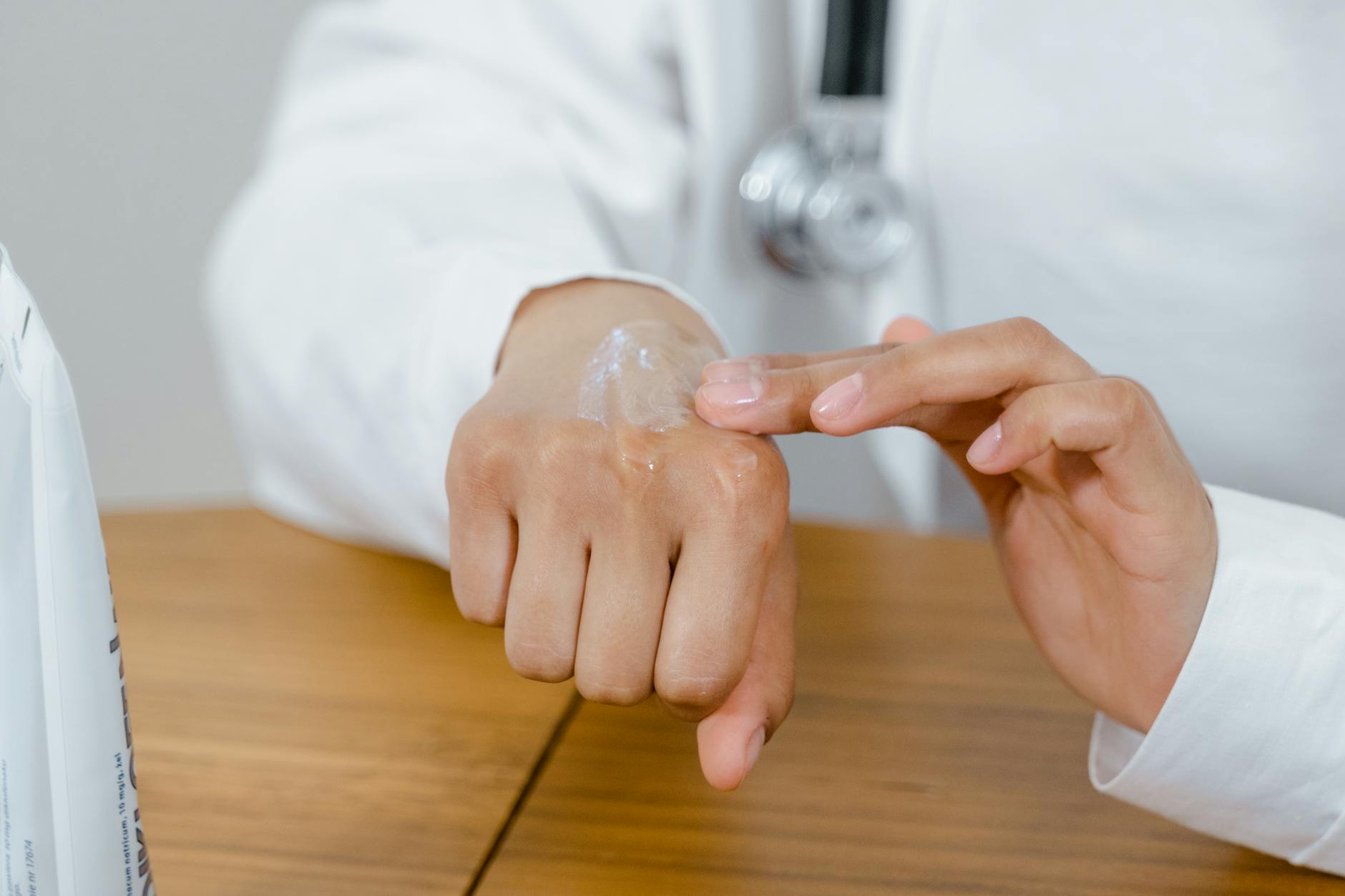
Proper application technique prevents irritation and ensures effective treatment. Start with completely clean, dry skin. Use your fingertips to apply a thin layer—about the size of a pea covers your entire face. Gently pat the cream rather than rubbing vigorously, which can worsen inflammation and potentially lead to scarring concerns.
Wash your hands and face with gentle cleanser, then pat completely dry.
Use minimal amounts and spread with light patting motions.
Focus on active flare-ups while avoiding healthy skin.
Apply twice daily for best results, typically morning and evening. Avoid the immediate eye area and inside your nose or mouth. Wait fifteen minutes before applying makeup or sunscreen over the treatment area.
What to Expect: Timeline and Results
Most patients notice initial improvements within the first two weeks of using pimecrolimus cream on sensitive areas. Your skin may feel less itchy and appear less red during this period. Don't worry about temporary mild stinging—this typically subsides as your skin adjusts.
Full treatment benefits usually develop between six to twelve weeks of consistent use. Signs your treatment is working include reduced inflammation, smoother skin texture, and fewer flare-ups. While pimecrolimus won't cause permanent scarring, patience is essential for lasting results on delicate facial skin.
Precautions for Sensitive Skin Users

Pimecrolimus increases your skin's sensitivity to UV rays, making sun protection absolutely essential. Apply broad-spectrum SPF 30 or higher daily, even indoors near windows. Avoid prolonged sun exposure and seek shade between 10 AM and 4 PM.
Simplify your skincare routine while using pimecrolimus. Skip harsh scrubs, retinoids, and alcohol-based toners that could irritate already sensitive skin. Wait at least two weeks after completing treatment before considering procedures like Chemical Peels, which remove damaged skin layers through controlled chemical exfoliation but can cause severe irritation when combined with topical immunomodulators.
Contact your doctor immediately if you notice unusual burning, persistent redness, or signs of infection. Report any worsening symptoms or new skin reactions within 48 hours to prevent complications that could lead to scarring.
Next Steps for Your Sensitive Skin Treatment
Your journey with pimecrolimus cream requires professional guidance to ensure safe and effective results. Schedule an appointment with a dermatologist who can evaluate your specific skin condition and determine if this treatment is appropriate for your sensitive areas.
A dermatologist will assess your skin type and recommend the proper treatment plan.
Track any changes in your skin's appearance or sensitivity during the first few weeks.
Develop a sustainable routine that prevents flare-ups while maintaining healthy skin.
Remember that consistent monitoring prevents complications and reduces your risk of permanent skin changes. Your dermatologist can adjust your treatment plan as needed and provide guidance on building confidence in your skin care routine.
Professional guidance ensures safe use of pimecrolimus cream and helps you achieve clear, healthy skin without compromising sensitive areas.
Frequently Asked Questions
Is pimecrolimus safe to use on facial skin?
Yes, pimecrolimus is specifically formulated for delicate areas including the face, around the eyes, and mouth. Unlike steroid creams that can thin facial skin over time, pimecrolimus doesn't contain steroids and actually helps maintain healthy skin function while reducing inflammation. It targets only the overactive immune cells causing skin problems without compromising your skin's natural protective barrier.
How does pimecrolimus work differently from steroid creams?
Pimecrolimus works by blocking specific immune cells called T-lymphocytes that trigger inflammation, while steroids suppress your entire immune system locally. This targeted approach allows your skin's natural functions to remain intact—it continues producing oils, shedding dead cells normally, and maintaining its protective barrier. This gentle mechanism prevents the thinning and potential scarring that can occur with long-term steroid use.
How should I apply pimecrolimus cream to my face?
Start with clean, dry skin and use about a pea-sized amount to cover your entire face. Gently pat the cream using your fingertips rather than rubbing vigorously to avoid worsening inflammation. Apply twice daily (morning and evening), avoid the immediate eye area and inside your nose or mouth, and wait fifteen minutes before applying makeup or sunscreen.
How long does it take to see results with pimecrolimus?
Most patients notice initial improvements within the first two weeks, with skin feeling less itchy and appearing less red. Full effectiveness typically develops over 6-12 weeks of consistent use. Some people may experience temporary mild stinging initially, but this usually subsides as the skin adjusts to the treatment.
Why is pimecrolimus better for sensitive skin than other treatments?
Pimecrolimus is ideal for sensitive skin because it doesn't contain steroids that can damage delicate facial skin over time. It was specifically designed for the thinnest skin areas on your body, including the face, and calms inflammation without harsh side effects. The medication maintains your skin's natural protective barrier while effectively reducing redness, itching, and swelling.
Disclaimer: This content is for informational purposes only and does not constitute medical advice. Always consult a qualified healthcare provider before making health decisions.