What Is Tacrolimus Ointment and How It Works

Tacrolimus ointment is a prescription medication specifically designed to treat atopic dermatitis without using steroids. As a calcineurin inhibitor, it works by blocking specific immune system proteins that trigger inflammation in your skin. Unlike topical steroids, tacrolimus doesn't thin the skin or cause permanent changes that might lead to scarring concerns.
“Tacrolimus offers effective eczema relief without the skin-thinning effects of steroids.”
The FDA approved tacrolimus ointment for eczema treatment in 2000, making it a trusted option for long-term management. It penetrates inflamed skin to reduce redness, itching, and swelling by targeting the root cause of immune system overactivity. This targeted approach helps restore your skin barrier function while minimizing the inflammatory response that creates those uncomfortable flare-ups you want to prevent.
Who Should Consider Tacrolimus for Eczema

Tacrolimus ointment works best for specific groups of eczema patients who haven't found success with traditional treatments. If your atopic dermatitis hasn't responded well to topical steroids, or if you've experienced unwanted side effects like skin thinning or stretch marks, tacrolimus offers a steroid-free alternative that won't cause these concerns.
“Tacrolimus excels in treating sensitive areas where steroids can cause permanent skin changes.”
This medication particularly excels on delicate skin areas like the face, neck, and skin folds where steroids pose higher risks. Children over two years old and adults with moderate to severe eczema often see excellent results. For example, patients with facial eczema who worry about visible scarring frequently choose tacrolimus because it effectively controls inflammation without the thinning effects that steroids can cause on facial skin.
Your dermatologist will evaluate your eczema severity, previous treatment responses, and affected body areas to determine if tacrolimus suits your specific situation.
How to Use Tacrolimus Ointment Effectively
Success with tacrolimus depends on proper application technique and patience during the initial treatment period. Many patients worry about visible improvement taking too long, but following the correct method ensures faster, safer results.
Wash your hands and gently clean the affected skin with mild soap.
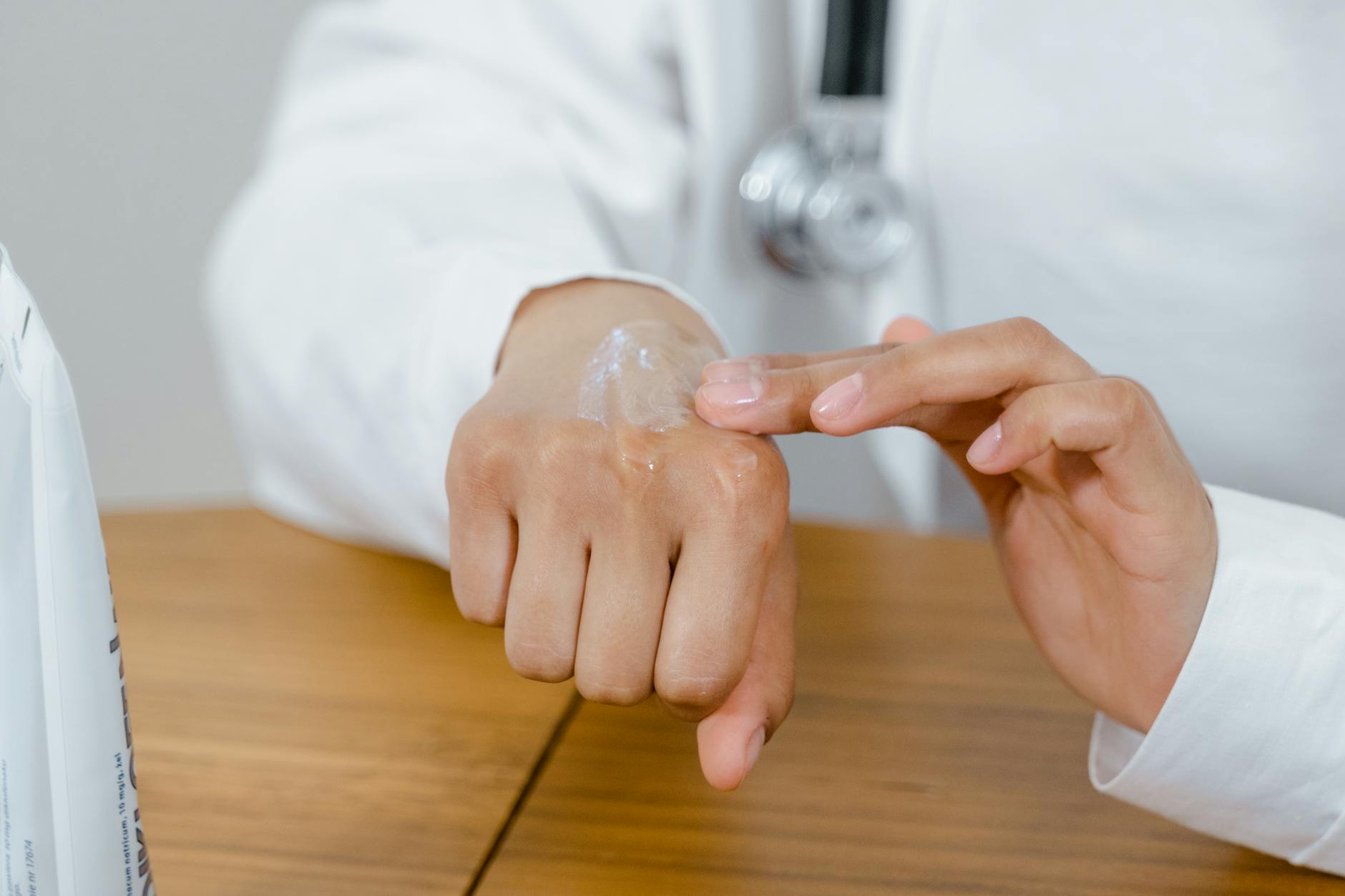
Use only enough ointment to create a light film over the eczema patches.
Massage until the ointment disappears completely into your skin.
Apply tacrolimus twice daily, typically morning and evening. Most people see initial improvement within one week, with significant clearing after four weeks of consistent use. Avoid common mistakes like using too much product or skipping applications when skin looks better.
During the first few days, some patients experience mild burning or tingling. This normal reaction usually fades as your skin adjusts to treatment.
Expected Results and Timeline
Most patients notice initial improvement in their atopic dermatitis symptoms within 7 to 14 days of starting tacrolimus ointment. You'll first see reduced itching, which often provides the most immediate relief. Redness typically begins fading during the second week, followed by gradual healing of rough, thickened skin areas.
Signs your treatment is working include decreased nighttime scratching, smoother skin texture, and improved sleep quality. Contact your dermatologist if you see no improvement after four weeks or experience worsening symptoms. While tacrolimus won't cause permanent scarring like some worry about, consistent long-term maintenance use helps prevent flare-ups and maintains clear skin once initial healing occurs.
Safety Considerations and Side Effects

Most people experience mild burning or stinging when first applying tacrolimus ointment, but this typically fades within a week of regular use. Your skin may feel warm or appear slightly red initially—these reactions are normal and don't indicate permanent damage or scarring.
Sun protection becomes crucial during treatment since tacrolimus can increase skin sensitivity. Apply broad-spectrum sunscreen daily and wear protective clothing when outdoors. Avoid using the medication on infected skin or open wounds, as this can worsen inflammation.
Long-term studies show tacrolimus ointment maintains a strong safety profile when used as directed. Unlike topical steroids, it doesn't cause skin thinning with extended use, making it suitable for sensitive areas like the face and neck.
Next Steps in Your Eczema Treatment Journey
Schedule a dermatologist appointment to develop your personalized treatment plan. Your doctor can determine if tacrolimus ointment should be combined with moisturizers, gentle cleansers, or other therapies for optimal results. Track your skin's progress weekly using photos and symptom notes.
Remember that consistent treatment prevents scarring and reduces flare-ups that cause social discomfort. Many patients see improvement within two weeks, but complete healing takes patience and proper medical guidance.
Work with a dermatologist to create a comprehensive treatment plan that addresses your specific eczema triggers and symptoms.
Frequently Asked Questions
What is tacrolimus ointment and how does it work for eczema?
Tacrolimus ointment is a prescription medication specifically designed to treat atopic dermatitis without using steroids. As a calcineurin inhibitor, it works by blocking specific immune system proteins that trigger inflammation in your skin. Unlike topical steroids, tacrolimus doesn't thin the skin or cause permanent changes that might lead to scarring concerns.
Who should consider using tacrolimus for eczema treatment?
Tacrolimus works best for patients whose atopic dermatitis hasn't responded well to topical steroids or who have experienced unwanted side effects like skin thinning. It's particularly effective for treating delicate skin areas like the face, neck, and skin folds where steroids pose higher risks. Children over two years old and adults with moderate to severe eczema often see excellent results with this steroid-free alternative.
How do you apply tacrolimus ointment correctly?
First, wash your hands and gently clean the affected skin with mild soap, then dry the area completely. Apply only a thin layer of ointment to create a light film over the eczema patches, then rub it in gently until it disappears completely into your skin. Use tacrolimus twice daily, typically in the morning and evening, for best results.
How long does it take to see results with tacrolimus ointment?
Most patients notice initial improvement in their atopic dermatitis symptoms within 7 to 14 days of starting tacrolimus ointment. You'll first see reduced itching, which often provides the most immediate relief. Redness typically begins fading during the second week, followed by gradual healing of rough, thickened skin.
What side effects can I expect when starting tacrolimus ointment?
During the first few days of treatment, some patients experience mild burning or tingling sensations where the ointment is applied. This is a normal reaction that usually fades as your skin adjusts to the treatment. Unlike topical steroids, tacrolimus doesn't cause skin thinning or permanent skin changes.
Disclaimer: This content is for informational purposes only and does not constitute medical advice. Always consult a qualified healthcare provider before making health decisions.