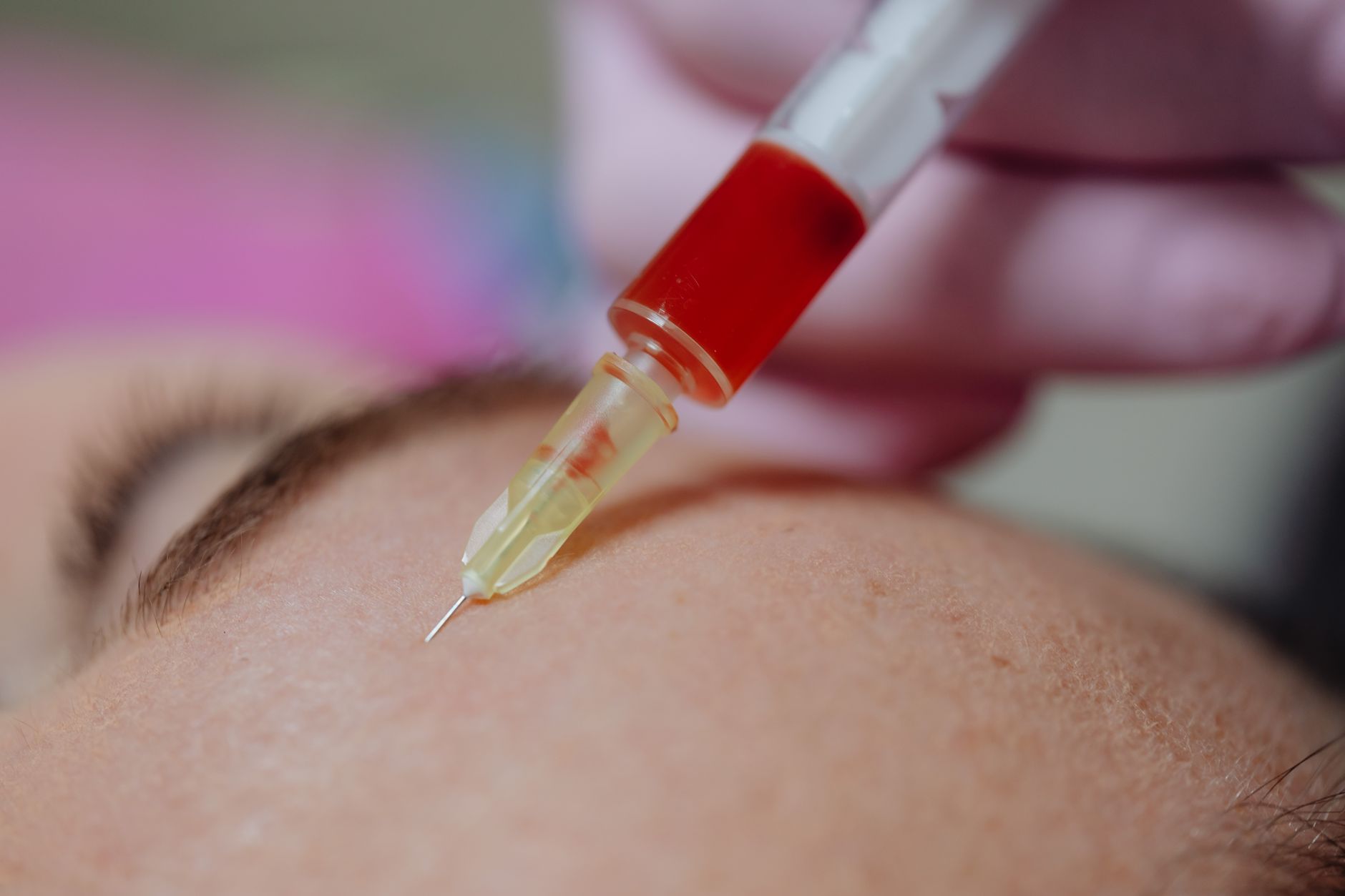
What Are Biologic Medications for Skin Conditions?

Biologic medications represent a breakthrough in treating stubborn skin conditions that don't respond well to traditional creams and pills. Unlike conventional treatments made from synthetic chemicals, biologics are created from living cells and work by targeting specific proteins in your immune system that trigger inflammation.
“Biologics target the root cause of skin inflammation, not just the symptoms.”
These injectable therapies work differently than topical treatments. Instead of simply suppressing inflammation at the skin's surface, they block the exact immune system signals causing your condition. For example, dupilumab helps control severe atopic dermatitis by blocking proteins called interleukins, while TNF inhibitors like adalimumab can clear severe psoriasis by targeting tumor necrosis factor.
This precision approach often provides clearer results for patients who've struggled with scarring or persistent breakouts from other treatments, offering hope for achieving the clear skin you're seeking.
Common Biologic Treatments and What They Treat

Several biologic medications target different skin conditions, each working through specific pathways in your immune system. Understanding which treatment matches your condition helps set realistic expectations for your healing journey.
"Biologics target the root cause of inflammation rather than just managing surface symptoms."
Dupilumab treats moderate to severe atopic dermatitis by blocking proteins that trigger inflammation and intense itching. Patients typically receive injections every two weeks after an initial loading dose. This targeted approach often reduces the persistent scratching that can lead to scarring and infection.
For psoriasis, TNF inhibitors like adalimumab work by suppressing tumor necrosis factor, a key driver of plaque formation. IL-17 and IL-23 inhibitors such as secukinumab and guselkumab target other inflammatory pathways specific to severe plaque psoriasis.
Most biologics require subcutaneous injections ranging from weekly to every twelve weeks, depending on the medication. Your dermatologist will teach you proper injection techniques or arrange for clinic administration based on your comfort level and treatment schedule.
Who Is a Good Candidate for Biologic Therapy?
Biologic therapy works best for people with severe skin conditions like moderate to severe psoriasis, eczema, or hidradenitis suppurativa that haven't improved with traditional treatments. If you've tried topical medications, light therapy, or oral drugs without success, biologics might be your next step.
Your dermatologist will consider biologics if your skin condition significantly affects your daily life, work, or relationships. This includes situations where visible symptoms cause social embarrassment or when pain and itching interfere with sleep and activities.
Before starting biologics, you'll need comprehensive medical screening including blood tests, tuberculosis screening, and hepatitis testing. Your insurance typically requires documentation that other treatments failed first. Most insurers cover biologics for approved conditions, though prior authorization is usually required.
What to Expect During Treatment
Starting biologic therapy involves several important steps that help ensure your safety and success. Your dermatologist will first run blood tests to check for infections and review your medical history. This screening process typically takes 1-2 weeks before you can begin treatment.
Complete blood work, TB screening, and medical history review.
Learn proper injection technique or schedule office visits for infusions.
Follow-up appointments every 3-6 months to track progress and side effects.
Most patients notice improvement within 12-16 weeks, though some see changes as early as 4 weeks. For example, psoriasis plaques often become less red and scaly before completely clearing. Regular monitoring visits help catch any issues early and adjust treatment as needed, giving you confidence that your skin will improve safely over time.
Potential Side Effects and Safety Considerations

While biologics are generally safe, understanding potential risks helps you make informed treatment decisions. The most significant concern is increased infection risk since these medications suppress specific parts of your immune system. Common infections like colds or flu may take longer to resolve, and you'll need to avoid live vaccines during treatment.
Injection site reactions like redness or swelling affect about one in five patients but typically resolve within days. Your dermatologist will schedule regular blood tests to monitor liver function and infection markers. Contact your doctor immediately if you develop fever, persistent cough, or unusual fatigue, as these could signal serious infections requiring prompt treatment.
Next Steps: Talking to Your Dermatologist
Schedule a consultation to discuss whether biologics suit your specific condition. Prepare questions about treatment duration, expected results, and monitoring requirements. Ask about alternatives like Chemical Peels, which use acid treatments to remove damaged skin layers and improve texture through controlled chemical exfoliation.
Bring your medical history, current medications, and insurance information. Discuss coverage for both biologics and alternative treatments. Your dermatologist can explain which options best address your concerns while minimizing risks of scarring or complications.
Work with your dermatologist to create a treatment plan that balances effectiveness with your comfort level and budget constraints.
Frequently Asked Questions
What are biologic medications and how do they work for skin conditions?
Biologic medications are breakthrough treatments created from living cells that target specific proteins in your immune system that trigger inflammation. Unlike conventional treatments that suppress inflammation at the skin's surface, biologics block the exact immune system signals causing your condition. This precision approach often provides clearer results for patients who've struggled with scarring or persistent breakouts from other treatments.
What skin conditions can be treated with biologics?
Biologics are used to treat severe skin conditions including moderate to severe atopic dermatitis, psoriasis, and hidradenitis suppurativa. Dupilumab treats atopic dermatitis by blocking inflammation-triggering proteins, while TNF inhibitors like adalimumab target tumor necrosis factor to clear severe psoriasis. IL-17 and IL-23 inhibitors such as secukinumab and guselkumab target other inflammatory pathways specific to severe plaque psoriasis.
Who is a good candidate for biologic therapy?
You may be a good candidate for biologic therapy if you have severe skin conditions that haven't improved with traditional treatments like topical medications, light therapy, or oral drugs. Your dermatologist will consider biologics if your skin condition significantly affects your daily life, work, or relationships, including situations where visible symptoms cause social embarrassment or when pain and itching interfere with sleep and activities. Comprehensive medical screening including blood tests, tuberculosis screening, and hepatitis testing is required before starting treatment.
How often do you need biologic injections and how long does it take to see results?
Most biologics require subcutaneous injections ranging from weekly to every twelve weeks, depending on the specific medication. For example, dupilumab is typically given every two weeks after an initial loading dose. You can generally expect to see results within 6-12 weeks of starting treatment.
How much do biologic treatments cost and does insurance cover them?
Annual treatment costs for biologics can reach around $50,000 per year. Most insurers do cover biologics for approved conditions, though prior authorization is usually required. Your insurance typically requires documentation that other treatments failed first before approving biologic therapy.
Disclaimer: This content is for informational purposes only and does not constitute medical advice. Always consult a qualified healthcare provider before making health decisions.