What Are Oral Antibiotics for Acne?

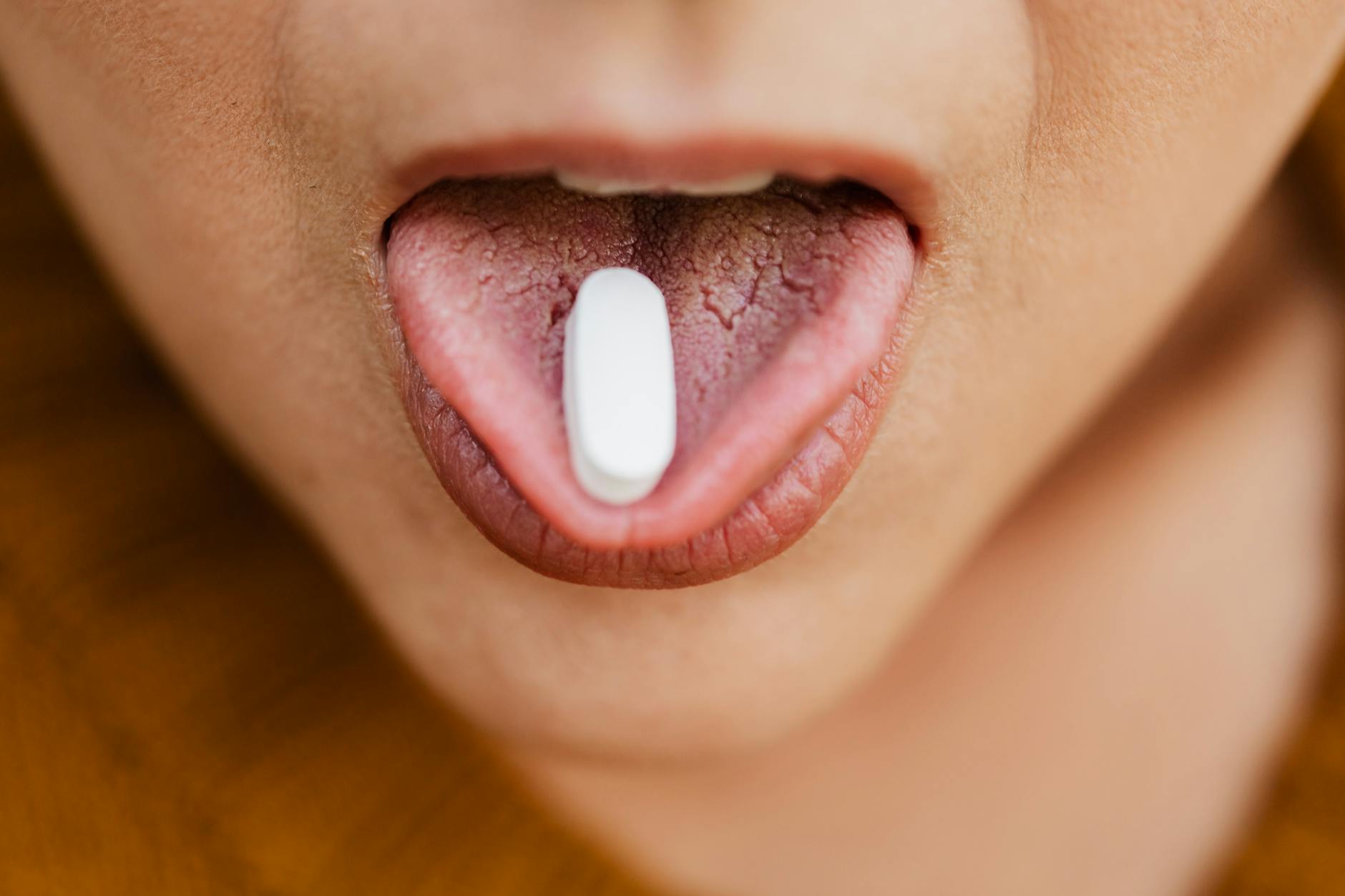
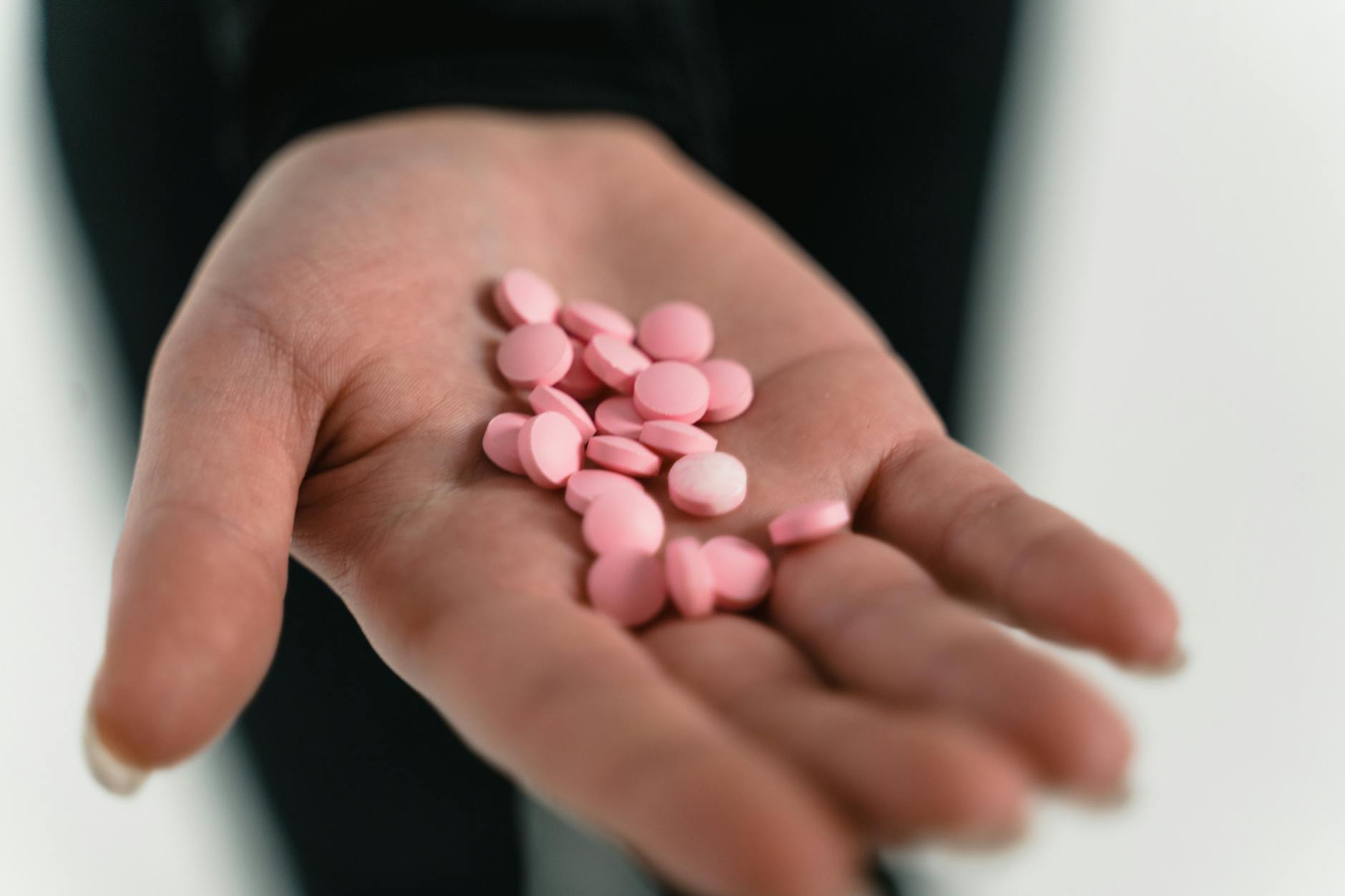
Oral antibiotics are medications taken by mouth that fight bacterial infections throughout your body. Unlike topical creams or gels that only treat the skin's surface, these pills work from within to target acne-causing bacteria deep inside your pores.
“Oral antibiotics attack acne at its bacterial source, reducing inflammation that can lead to permanent scarring.”
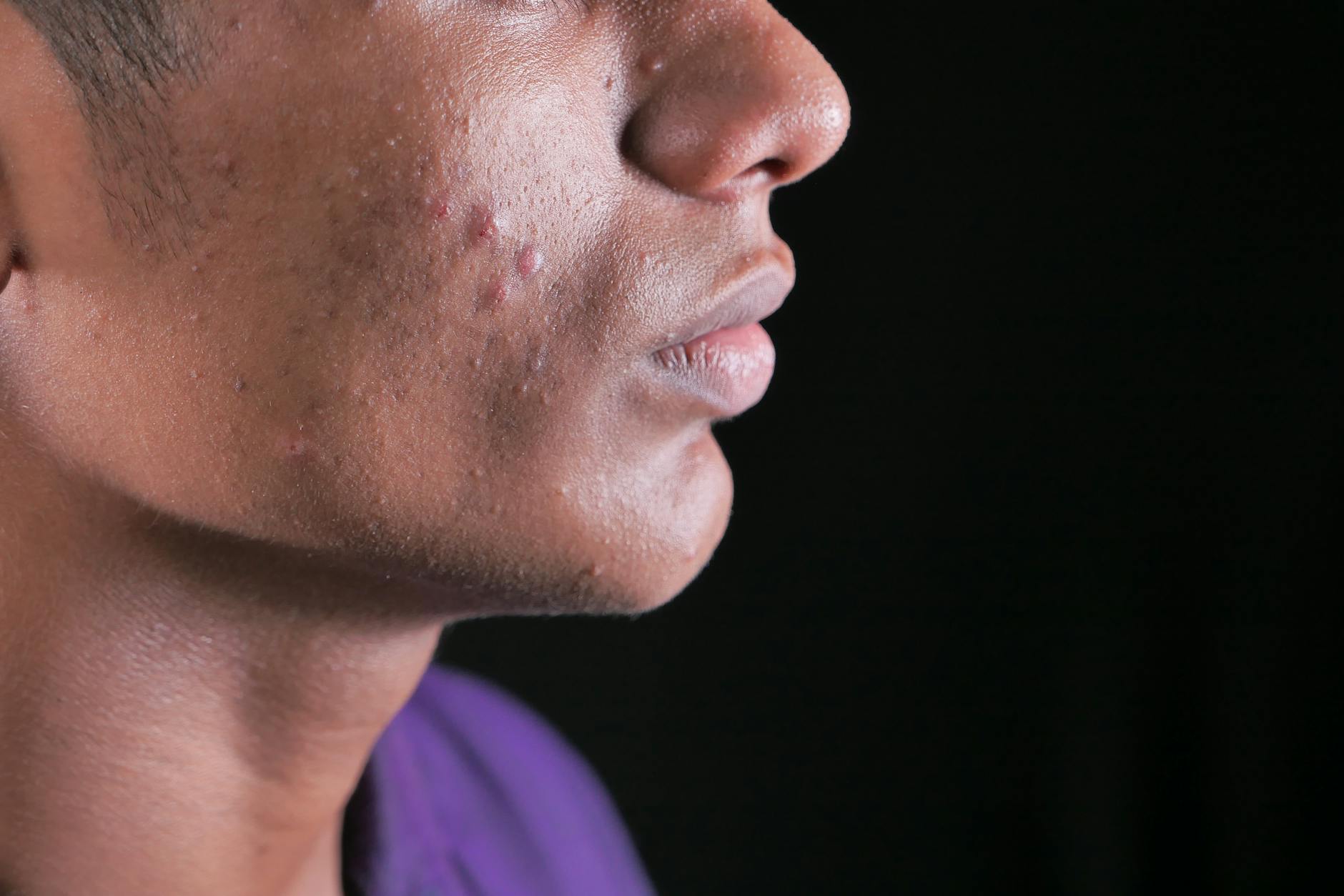
Dermatologists prescribe oral antibiotics for moderate to severe acne when topical treatments aren't enough. Acne develops when bacteria called Propionibacterium acnes multiply inside blocked pores, creating painful, inflamed bumps. These medications reduce this bacterial overgrowth while calming the immune system's inflammatory response.
The most commonly prescribed oral antibiotics for acne include tetracycline, doxycycline, and minocycline. They're typically used for three to six months alongside topical treatments for maximum effectiveness in preventing the deep inflammation that causes scarring.
Common Types of Oral Antibiotics for Acne

Dermatologists typically prescribe three main oral antibiotics for acne treatment, each targeting the bacteria that contribute to breakouts. Understanding your options helps prevent confusion and sets realistic expectations for your treatment journey.
“Doxycycline remains the gold standard first-line oral antibiotic for moderate to severe acne treatment.”
Doxycycline works by reducing inflammation and killing Propionibacterium acnes bacteria in your pores. Most patients see improvement within 6-8 weeks, with fewer stomach side effects when taken with food. Dermatologists prefer it because it effectively prevents new breakouts while existing acne heals.
Minocycline offers similar benefits but penetrates skin tissue more deeply. However, it carries rare but serious side effects including dizziness and potential liver problems, making it a second-choice option despite its effectiveness.
Clindamycin serves as an alternative when tetracycline antibiotics cause problems. Doctors typically reserve it for specific cases since bacteria develop resistance more quickly. For example, patients with tetracycline allergies might receive clindamycin combined with benzoyl peroxide to prevent resistance.
How Oral Antibiotics Work Against Acne
Oral antibiotics attack acne through two primary mechanisms that work together to clear your skin from the inside out. Unlike topical treatments that only reach the surface, these medications travel through your bloodstream to target problem areas deep within your pores.
The first action targets Propionibacterium acnes bacteria, which multiply inside clogged hair follicles and trigger inflammatory breakouts. Antibiotics like doxycycline and minocycline reduce these bacterial populations, preventing the infection that leads to painful, red pimples that could potentially scar.
The second mechanism directly reduces inflammation in hair follicles, calming existing breakouts and preventing new ones. This dual approach means you'll typically see initial improvements within six to eight weeks, with optimal results after three months of consistent use.
What to Expect During Treatment

Most oral antibiotic treatments for acne last between 6 to 12 weeks, though some cases require longer courses. You won't see overnight results—improvements typically become visible after 6 to 8 weeks of consistent use. This timeline can feel frustrating when you're worried about scarring, but patience is essential for success.
Common side effects include stomach upset, sun sensitivity, and occasional yeast infections. Taking antibiotics with food helps reduce nausea. Never stop treatment early, even if your skin clears—incomplete courses can lead to antibiotic resistance and acne returning stronger than before. For example, stopping doxycycline at week 4 instead of completing the full 8-week course often results in breakouts within days.
Combining with Other Acne Treatments
Oral antibiotics work best as part of a comprehensive acne treatment plan, not as standalone therapy. Your dermatologist will likely prescribe topical retinoids or benzoyl peroxide alongside your oral medication to target acne from multiple angles and prevent the scarring you're concerned about.
Professional treatments like Chemical Peels complement antibiotic therapy by removing damaged skin layers through controlled chemical exfoliation. These acid treatments improve skin texture and reduce acne scars while your oral medication controls active breakouts. The combination approach delivers faster, more complete results than either treatment alone.
This multi-pronged strategy helps you achieve clear skin more quickly while reducing the risk of antibiotic resistance. Your dermatologist will coordinate timing between treatments to maximize effectiveness and minimize irritation during your journey to clearer skin.
Combine oral antibiotics with topical treatments and professional procedures for the fastest, most effective acne clearance.
Frequently Asked Questions
What are oral antibiotics for acne and how do they work?
Oral antibiotics are medications taken by mouth that fight bacterial infections throughout your body, working from within to target acne-causing bacteria deep inside your pores. They attack acne through two primary mechanisms: reducing Propionibacterium acnes bacteria that multiply inside clogged hair follicles and directly reducing inflammation in hair follicles. Unlike topical treatments that only reach the surface, these medications travel through your bloodstream to target problem areas deep within your pores.
What are the most common oral antibiotics prescribed for acne?
The most commonly prescribed oral antibiotics for acne include tetracycline, doxycycline, and minocycline. Doxycycline is considered the gold standard first-line treatment for moderate to severe acne, while minocycline offers similar benefits but penetrates skin tissue more deeply. Clindamycin serves as an alternative when tetracycline antibiotics cause problems, though doctors typically reserve it for specific cases since bacteria develop resistance more quickly.
How long does it take to see results from oral antibiotics for acne?
Most patients see initial improvement within 6-8 weeks of starting oral antibiotic treatment. Optimal results typically occur after 3 months (12 weeks) of consistent use. Studies show up to 75% reduction in acne lesions when using oral antibiotics as part of a comprehensive treatment plan.
How long do you take oral antibiotics for acne treatment?
Oral antibiotics for acne are typically prescribed for 3 to 6 months alongside topical treatments for maximum effectiveness. Most treatments last between 6 to 12 weeks, though some cases may require longer depending on the severity of the acne. They are usually used in combination with topical treatments to prevent the deep inflammation that causes scarring.
Disclaimer: This content is for informational purposes only and does not constitute medical advice. Always consult a qualified healthcare provider before making health decisions.