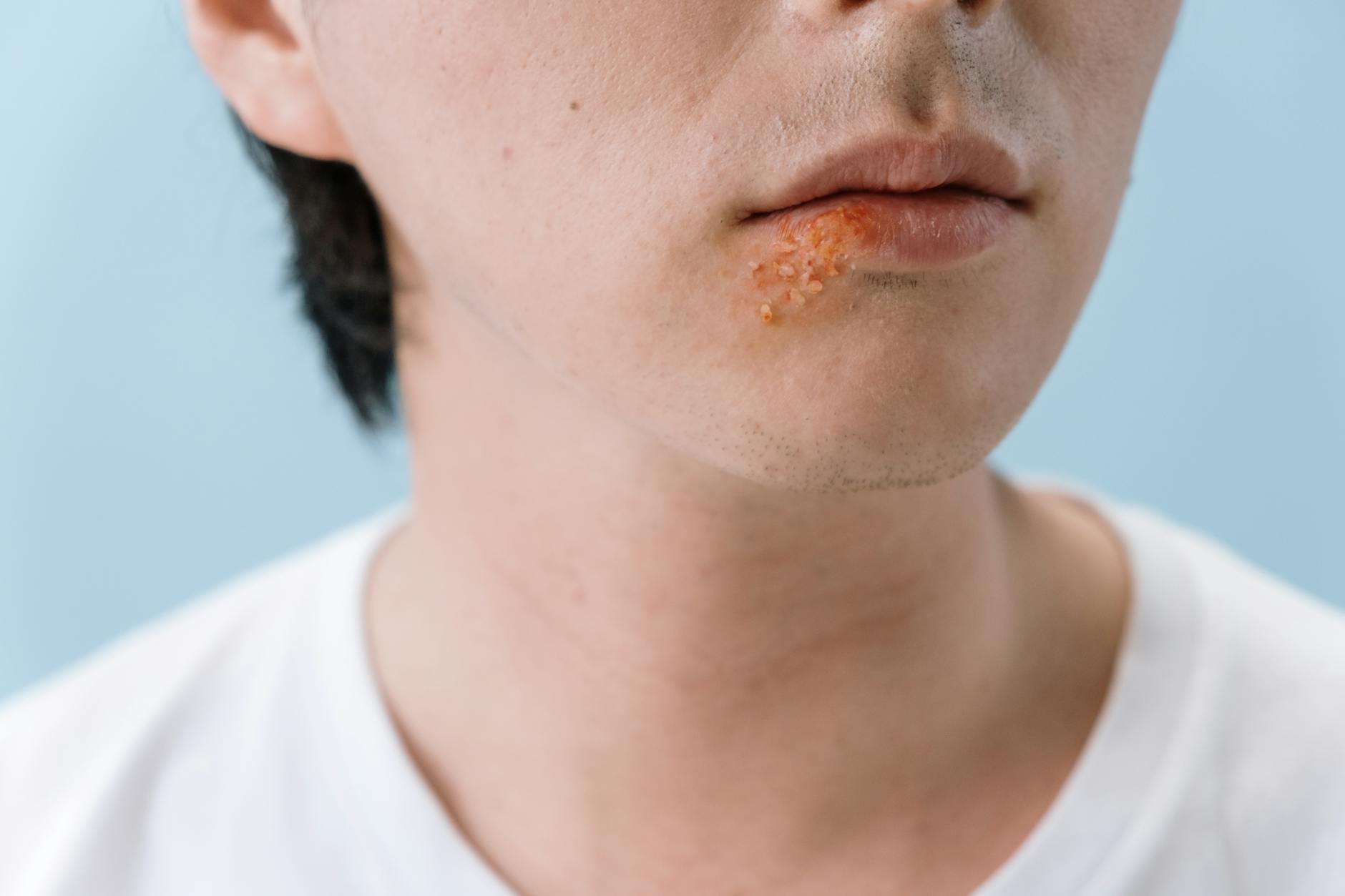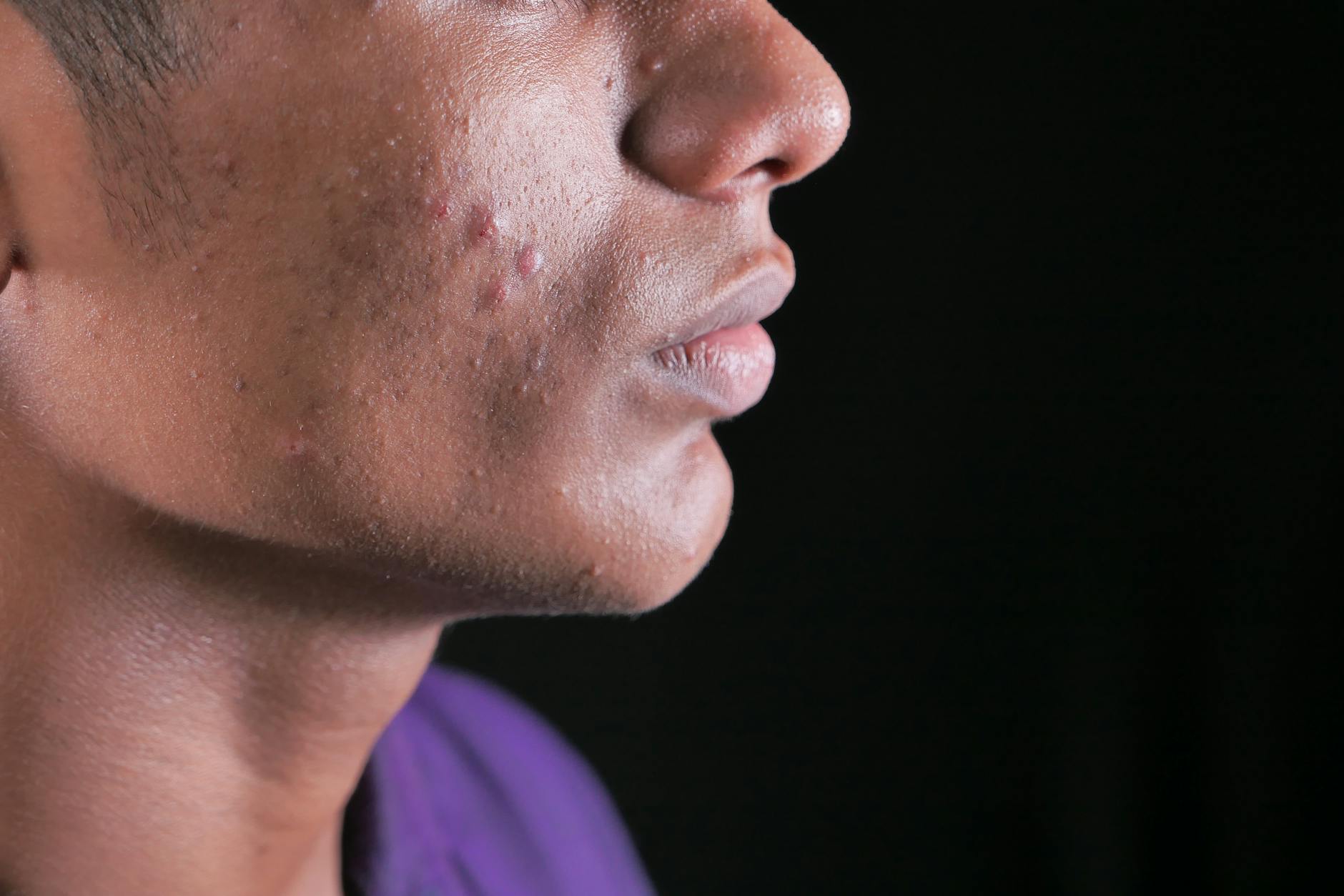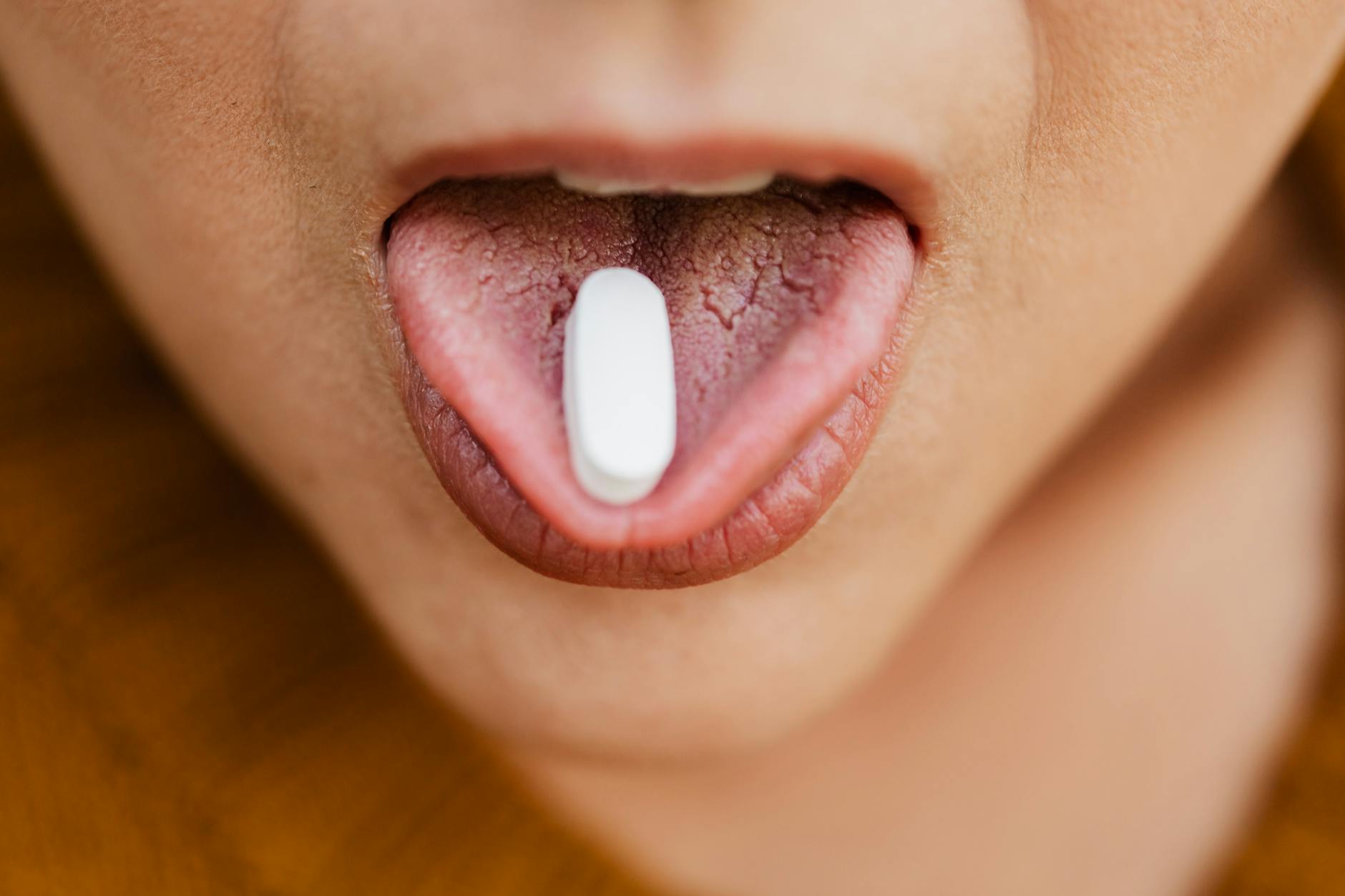
What Are Oral Antifungal Medications?

Oral antifungal medications are prescription pills that work throughout your entire body to fight serious fungal infections. These medications travel through your bloodstream to reach infected areas that topical creams and ointments simply cannot address effectively.
“Systemic antifungal treatment attacks fungal infections from the inside out, reaching areas where topical treatments fail.”
The key difference between oral and topical treatments lies in their scope and power. While antifungal creams only treat surface-level infections, oral medications tackle deep tissue infections and prevent the spread of stubborn fungal conditions that could potentially cause lasting skin damage or scarring.
Three main classes of oral antifungals exist: azoles (like fluconazole and itraconazole), which block fungal cell formation; allylamines (such as terbinafine), which destroy fungal cell membranes; and polyenes (like amphotericin B), reserved for severe cases.
For example, someone with a persistent toenail fungus that hasn't responded to months of topical treatment might need oral terbinafine to completely eliminate the infection. Your dermatologist will determine which type best suits your specific condition and medical history.
Types of Oral Antifungal Medications

Three main oral antifungal medications dominate dermatology treatment, each targeting different fungal infections with distinct mechanisms. Understanding which medication works best for your specific condition helps ensure effective treatment and prevents the prolonged infections that many patients fear could leave lasting marks.
Fluconazole stands as the first-line treatment for yeast infections, particularly those caused by Candida species. Doctors commonly prescribe this medication for vaginal yeast infections, oral thrush, and skin yeast infections in body folds. A typical course involves taking one 150mg tablet for simple infections, though recurring cases may require longer treatment protocols.
“The right antifungal medication can clear stubborn infections that topical treatments cannot reach.”
Itraconazole offers broader spectrum coverage, effectively treating various fungal types including dermatophytes, yeasts, and some molds. Dermatologists often prescribe it for widespread skin infections, certain nail fungus cases, and infections that resist other treatments. This medication requires careful timing with meals for optimal absorption.
Terbinafine specifically targets nail fungus and certain skin infections caused by dermatophytes. This medication excels at treating toenail and fingernail fungus, conditions notoriously difficult to cure with topical treatments alone. Treatment typically spans 6 weeks for fingernails and 12 weeks for toenails, with success rates reaching 70-80% for complete nail clearing.
When You Need Oral Rather Than Topical Treatment
Topical creams and ointments work well for surface skin issues, but some fungal infections require oral medication to reach deeper areas where creams cannot penetrate. Understanding when you need systemic treatment helps you get the right care from the start.
Severe nail fungus almost always requires oral treatment because topical medications struggle to penetrate thick nail plates. When infection spreads under the nail bed or affects multiple nails, oral antifungals become essential for complete clearance.
Widespread skin infections covering large body areas need systemic treatment to prevent permanent scarring and social embarrassment from visible patches. If ringworm covers your scalp, torso, or multiple limbs, topical treatments alone cannot manage the extensive spread effectively.
Recurrent infections that keep returning despite topical treatment signal the need for oral medication. Deep tissue involvement, where fungus penetrates hair follicles or affects beard areas in men, also demands systemic therapy. For example, tinea capitis (scalp ringworm) requires oral treatment because the infection lives within hair shafts where topical medications cannot reach.
How Oral Antifungal Treatment Works
Oral antifungal medications work by traveling through your bloodstream to reach infected areas throughout your body. Unlike topical treatments that only affect the skin's surface, these systemic medications attack fungal infections from the inside out, reaching deep tissues and organs where fungi may be hiding.
Treatment typically lasts 6 to 12 weeks for most skin and nail infections, though severe cases may require longer courses. Your doctor determines the exact duration based on infection type and severity. The medication accumulates in your skin, hair, and nails over time, creating an environment where fungi cannot survive or reproduce.
Regular monitoring protects your health during treatment. Your doctor will order blood tests before starting medication and during treatment to check liver function. Most patients tolerate these medications well, and serious side effects remain rare when properly monitored. You'll notice gradual improvement as healthy skin replaces infected tissue, preventing the permanent damage that worries many patients.
Side Effects and Safety Considerations

Oral antifungal medications can cause side effects that range from mild to serious. Most people experience stomach upset, nausea, or headaches during the first few weeks of treatment. These symptoms usually improve as your body adjusts to the medication. Skin rashes occasionally occur but rarely lead to permanent scarring, which is a common concern for patients already dealing with fungal skin infections.
Liver monitoring represents the most important safety consideration. Your doctor will order blood tests before treatment and every 4-6 weeks during therapy to check liver function. Stop the medication immediately if you develop yellowing of skin or eyes, dark urine, or severe fatigue.
Drug interactions pose another significant risk. Oral antifungals can increase blood levels of warfarin, certain heart medications, and some psychiatric drugs. Always inform your doctor about all medications and supplements you take.
People with liver disease, heart failure, or those taking multiple medications should avoid these treatments. Pregnant and breastfeeding women also need alternative therapies since these drugs can harm developing babies.
Combining Oral Treatment with Other Therapies
Oral antifungal medications work best when combined with complementary treatments that address your overall skin health. Your dermatologist may recommend topical antifungals alongside oral medications to attack the infection from multiple angles and speed up healing.
Once your fungal infection clears, addressing underlying skin concerns becomes crucial for preventing future problems. Chemical Peels can help restore healthy skin texture and remove damaged layers that may harbor fungal spores. These acid treatments improve your skin's natural barrier function, making it more resistant to future infections.
Your treatment plan might include gentle moisturizers to repair skin damage, pH-balancing cleansers to maintain healthy skin flora, and targeted therapies for any scarring left behind. This comprehensive approach prevents the cycle of reinfection that many patients experience when they only treat the immediate fungal problem.
Working with your dermatologist to create this multi-step approach ensures you achieve clear skin faster and maintain long-term results.
Combine oral antifungals with complementary treatments like topicals and skin barrier repair for fastest clearing and lasting results.
Frequently Asked Questions
What are oral antifungal medications?
Oral antifungal medications are prescription pills that work throughout your entire body to fight serious fungal infections. These medications travel through your bloodstream to reach infected areas that topical creams and ointments simply cannot address effectively. They tackle deep tissue infections and prevent the spread of stubborn fungal conditions that could potentially cause lasting skin damage or scarring.
What is the difference between oral and topical antifungal treatments?
The key difference between oral and topical treatments lies in their scope and power. While antifungal creams only treat surface-level infections, oral medications tackle deep tissue infections and prevent the spread of stubborn fungal conditions. Oral treatments can reach areas through the bloodstream where topical treatments fail to penetrate effectively.
What are the main types of oral antifungal medications?
The three main classes of oral antifungals are azoles (like fluconazole and itraconazole), which block fungal cell formation; allylamines (such as terbinafine), which destroy fungal cell membranes; and polyenes (like amphotericin B), reserved for severe cases. Each type targets different fungal infections with distinct mechanisms and is prescribed based on the specific condition and medical history.
How effective is oral treatment for nail fungus?
Oral antifungal treatment for nail fungus has success rates reaching 70-80% for complete nail clearing. Treatment typically spans 6 weeks for fingernails and 12 weeks for toenails. Severe nail fungus almost always requires oral treatment because topical medications struggle to penetrate thick nail plates effectively.
When do you need oral antifungal medication instead of topical cream?
You need oral antifungal medication when dealing with deep tissue infections, severe nail fungus, or infections that have not responded to topical treatments. Oral medications are necessary when fungal infections spread to areas where creams cannot penetrate effectively. For example, persistent toenail fungus that hasn't responded to months of topical treatment typically requires oral medication like terbinafine to completely eliminate the infection.
Disclaimer: This content is for informational purposes only and does not constitute medical advice. Always consult a qualified healthcare provider before making health decisions.