What Are Oral Corticosteroids and How They Work for Skin Conditions

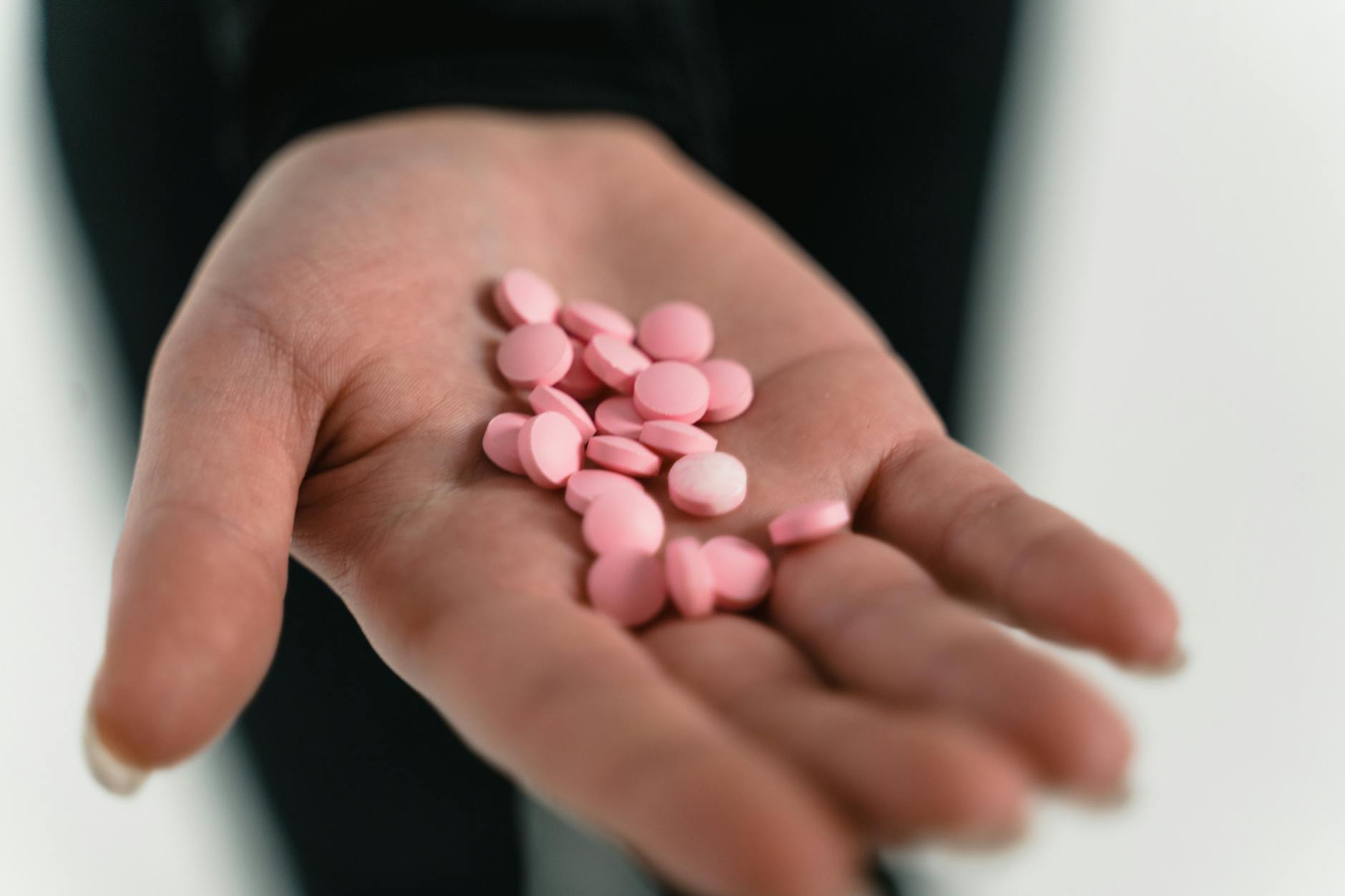
Oral corticosteroids are prescription medications taken by mouth that mimic cortisol, a hormone naturally produced by your adrenal glands. These powerful anti-inflammatory drugs work systemically throughout your body, unlike topical steroids that only affect the skin where you apply them.
“Oral corticosteroids work by suppressing your immune system's inflammatory response at the cellular level.”
When you have inflammatory skin conditions like severe eczema, psoriasis, or dermatitis, your immune system triggers inflammation that causes redness, swelling, and discomfort. Oral corticosteroids interrupt this process by blocking inflammatory chemicals called cytokines and reducing immune cell activity in affected areas.
The most commonly prescribed oral corticosteroid is prednisone, though doctors may also use prednisolone or methylprednisolone. These medications can dramatically reduce inflammation within days, which helps prevent the scarring that many patients worry about with severe flare-ups.
While topical steroids work only on surface inflammation, oral versions travel through your bloodstream to reach deeper inflammatory processes. This makes them particularly effective for widespread or severe skin conditions that don't respond adequately to creams or ointments alone.
When Doctors Prescribe Oral Corticosteroids for Skin Conditions

Doctors reserve oral corticosteroids for specific situations where the benefits outweigh the potential side effects. These powerful medications become necessary when skin conditions severely impact your daily life or pose immediate health risks.
“Oral steroids act as a reset button for your immune system when other treatments can't control severe inflammation.”
Severe eczema flares that cover large body areas often require oral steroids, especially when intense itching prevents sleep or leads to secondary infections from scratching. Autoimmune skin disorders like pemphigus or severe psoriasis may also warrant oral treatment when your immune system attacks healthy skin cells aggressively.
Your dermatologist considers oral steroids when topical creams and ointments fail to provide adequate relief after weeks of consistent use. Emergency situations, such as severe allergic reactions causing widespread hives or angioedema, require immediate oral steroid intervention to prevent dangerous swelling.
Contact dermatitis from poison ivy covering extensive body areas represents another common scenario. While concerns about scarring and social embarrassment drive many treatment decisions, doctors carefully weigh these factors against the medication's ability to quickly restore your skin and confidence.
The goal remains achieving rapid control while transitioning to safer long-term treatments that prevent future severe flares.
Common Skin Conditions Treated with Oral Corticosteroids
Doctors prescribe oral corticosteroids for specific inflammatory skin conditions that don't respond well to topical treatments alone. Understanding which conditions benefit from this therapy helps you know when stronger intervention becomes necessary.
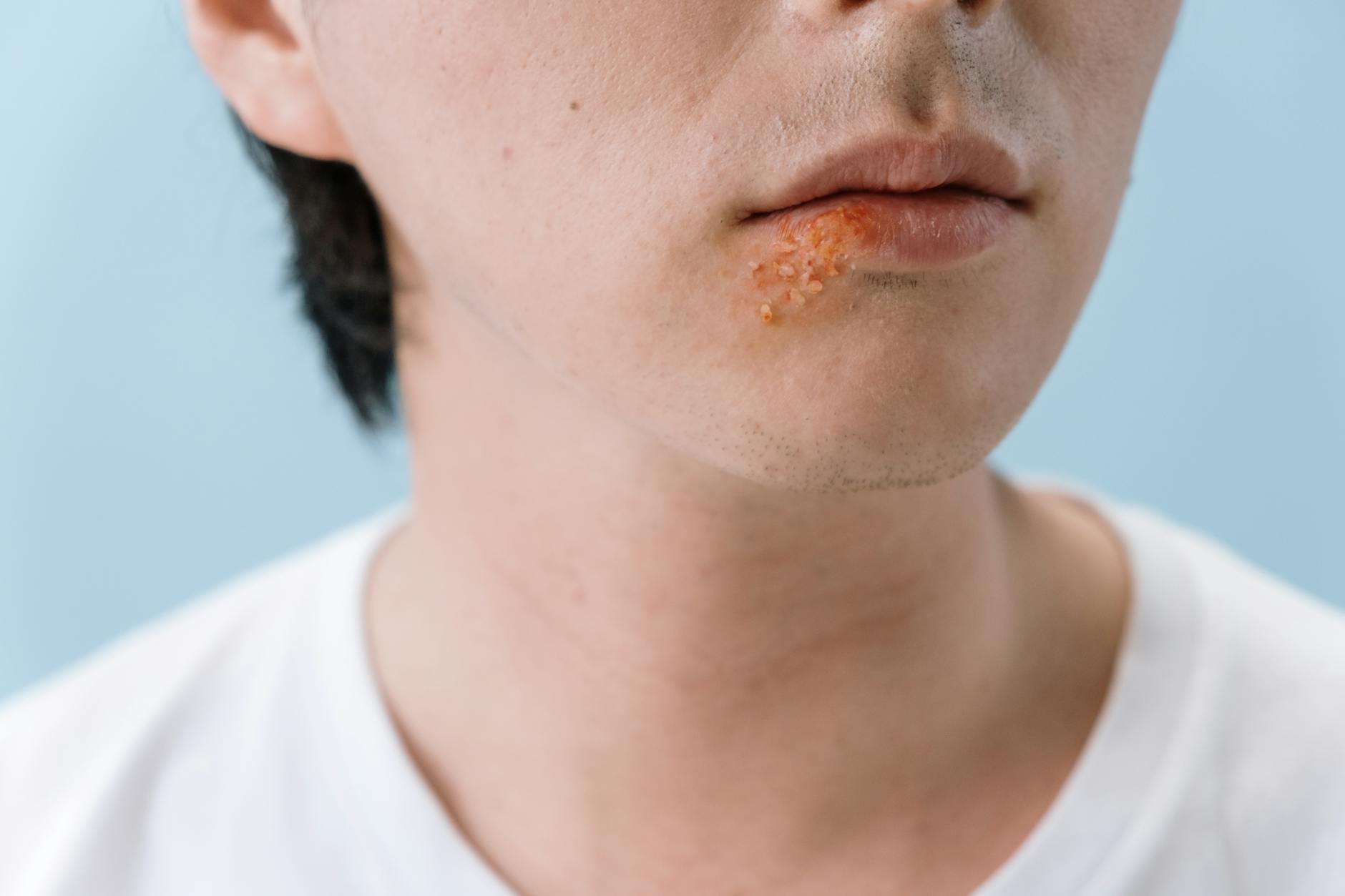
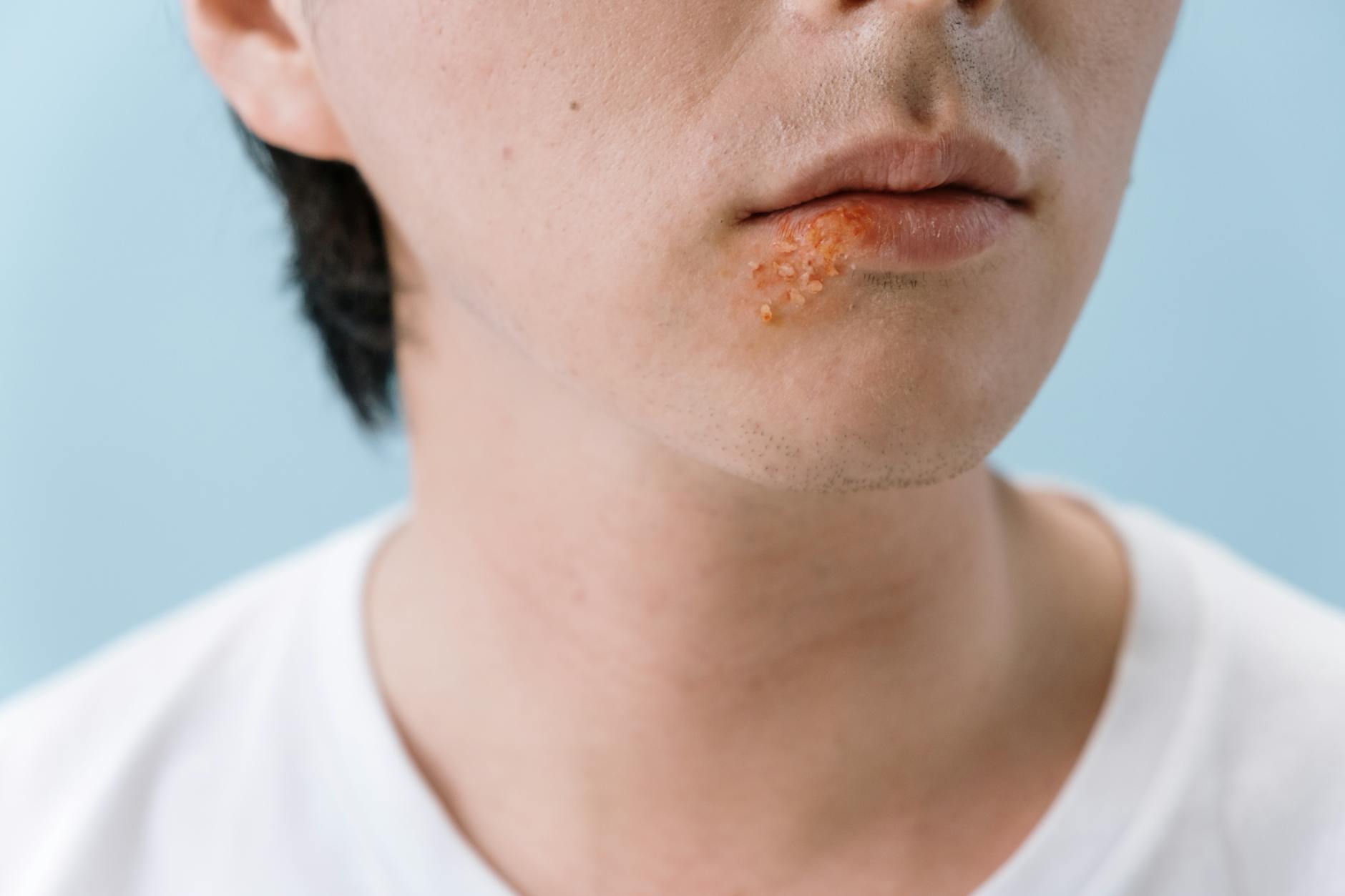
Severe atopic dermatitis represents the most common reason for oral steroid use. When your eczema covers large body areas or causes intense itching that disrupts sleep, oral steroids can break the inflammation cycle quickly and prevent potential scarring from excessive scratching.
Contact dermatitis from poison ivy or severe allergic reactions also responds well to oral treatment. For example, someone who develops widespread blistering from poison oak exposure might need prednisone to control the reaction.
Pemphigus and other bullous diseases require oral steroids as first-line therapy. These autoimmune conditions cause painful blisters that can become life-threatening without proper treatment.
What to Expect When Taking Oral Corticosteroids
Your doctor will typically prescribe oral steroids in a specific pattern called a "burst and taper." This means you'll start with a higher dose for several days, then gradually reduce the amount over time. A common schedule might be 40-60mg daily for the first week, followed by weekly reductions of 10-20mg until you reach zero.
Most patients notice their skin inflammation calming down within 3-7 days. The redness and swelling that might be causing your social discomfort should begin subsiding relatively quickly. However, complete healing takes longer—expect 2-6 weeks for full treatment cycles.
Never stop oral steroids abruptly. The tapering process prevents your body from experiencing withdrawal symptoms and helps prevent your skin condition from rebounding worse than before. Your doctor might adjust the tapering schedule based on how your skin responds, especially if you're concerned about preventing future flare-ups.
Important Side Effects and Safety Considerations

While oral corticosteroids work quickly to calm inflamed skin, they come with important side effects you need to know about. Understanding these risks helps you use these medications safely and know when to seek help.
Short-term side effects often appear within days or weeks. You might experience increased appetite and weight gain, difficulty sleeping, mood swings, or feeling more energetic than usual. Some people develop stomach upset, headaches, or feel jittery. These effects typically resolve once you finish the medication course.
Long-term use creates more serious concerns. Extended treatment can weaken bones, increase infection risk, raise blood sugar levels, and cause skin thinning. Your doctor limits treatment duration specifically to avoid these complications while still clearing your skin effectively.
Contact your doctor immediately if you develop severe mood changes, signs of infection like fever, persistent stomach pain, or vision problems. Regular monitoring through blood tests and check-ups helps catch any issues early, ensuring your treatment remains both effective and safe.
Working with Your Dermatologist: Questions to Ask
Preparing thoughtful questions ensures you get the most from your dermatology appointment and understand your treatment plan completely. Ask about expected treatment duration and specific tapering schedules for oral corticosteroids to avoid withdrawal effects.
Discuss alternative treatments like topical medications or Chemical Peels, which use controlled chemical exfoliation to improve skin texture and may reduce your need for systemic steroids. Understanding these options helps you make informed decisions about your care.
Request a clear monitoring plan detailing which side effects to watch for and when blood work or follow-up appointments are needed. Know exactly when to contact your dermatologist—whether for worsening symptoms, concerning side effects, or questions about treatment progress.
Come prepared with specific questions about treatment duration, alternatives, monitoring requirements, and emergency contact protocols to maximize your appointment value.
Frequently Asked Questions
What are oral corticosteroids and how do they work?
Oral corticosteroids are prescription medications taken by mouth that mimic cortisol, a hormone naturally produced by your adrenal glands. These powerful anti-inflammatory drugs work systemically throughout your body by suppressing your immune system's inflammatory response at the cellular level. They block inflammatory chemicals called cytokines and reduce immune cell activity in affected areas, unlike topical steroids that only affect the skin where you apply them.
When do doctors prescribe oral corticosteroids for skin conditions?
Doctors reserve oral corticosteroids for specific situations where the benefits outweigh the potential side effects, such as severe skin conditions that severely impact your daily life or pose immediate health risks. They become necessary when topical creams and ointments fail to provide adequate relief after weeks of consistent use. Emergency situations like severe allergic reactions causing widespread hives or angioedema also require immediate oral steroid intervention.
What skin conditions are commonly treated with oral corticosteroids?
Oral corticosteroids are prescribed for severe eczema flares that cover large body areas, especially when intense itching prevents sleep or leads to secondary infections. Autoimmune skin disorders like pemphigus or severe psoriasis may also warrant oral treatment when the immune system attacks healthy skin cells aggressively. Contact dermatitis from poison ivy covering extensive body areas represents another common scenario for oral steroid use.
How quickly do oral corticosteroids work for skin conditions?
Oral corticosteroids can dramatically reduce inflammation within days of starting treatment. You can typically expect to see results within 24-48 hours of beginning oral steroid therapy. The typical treatment duration is 7-14 days, with studies showing up to 85% improvement in atopic dermatitis cases.
Disclaimer: This content is for informational purposes only and does not constitute medical advice. Always consult a qualified healthcare provider before making health decisions.