What Is Oral Isotretinoin and How Does It Work

Oral isotretinoin is a powerful vitamin A derivative that transforms severe acne treatment. Unlike its topical cousin tretinoin, which works on the skin's surface, oral isotretinoin works from within your body to address acne at its source.
“Oral isotretinoin is the only acne medication that targets all four root causes of severe acne simultaneously.”
Your severe acne develops through four interconnected problems: excess oil production, clogged pores, bacterial overgrowth, and inflammation. Most treatments tackle only one or two of these issues, which explains why your previous attempts may have fallen short of your expectations for clear skin.
Isotretinoin works differently. It dramatically reduces your sebaceous glands' size and oil output, preventing the clogged pores that lead to painful cysts. The medication also reduces inflammation and creates an environment where acne bacteria cannot thrive. This comprehensive approach stops new breakouts from forming while existing lesions heal.
This unique mechanism makes isotretinoin particularly effective for severe, scarring acne that hasn't responded to other treatments. By addressing all underlying causes simultaneously, it offers hope for achieving the clear skin you're seeking while reducing your risk of permanent scarring that causes ongoing distress.
Who Is a Candidate for Oral Isotretinoin Treatment

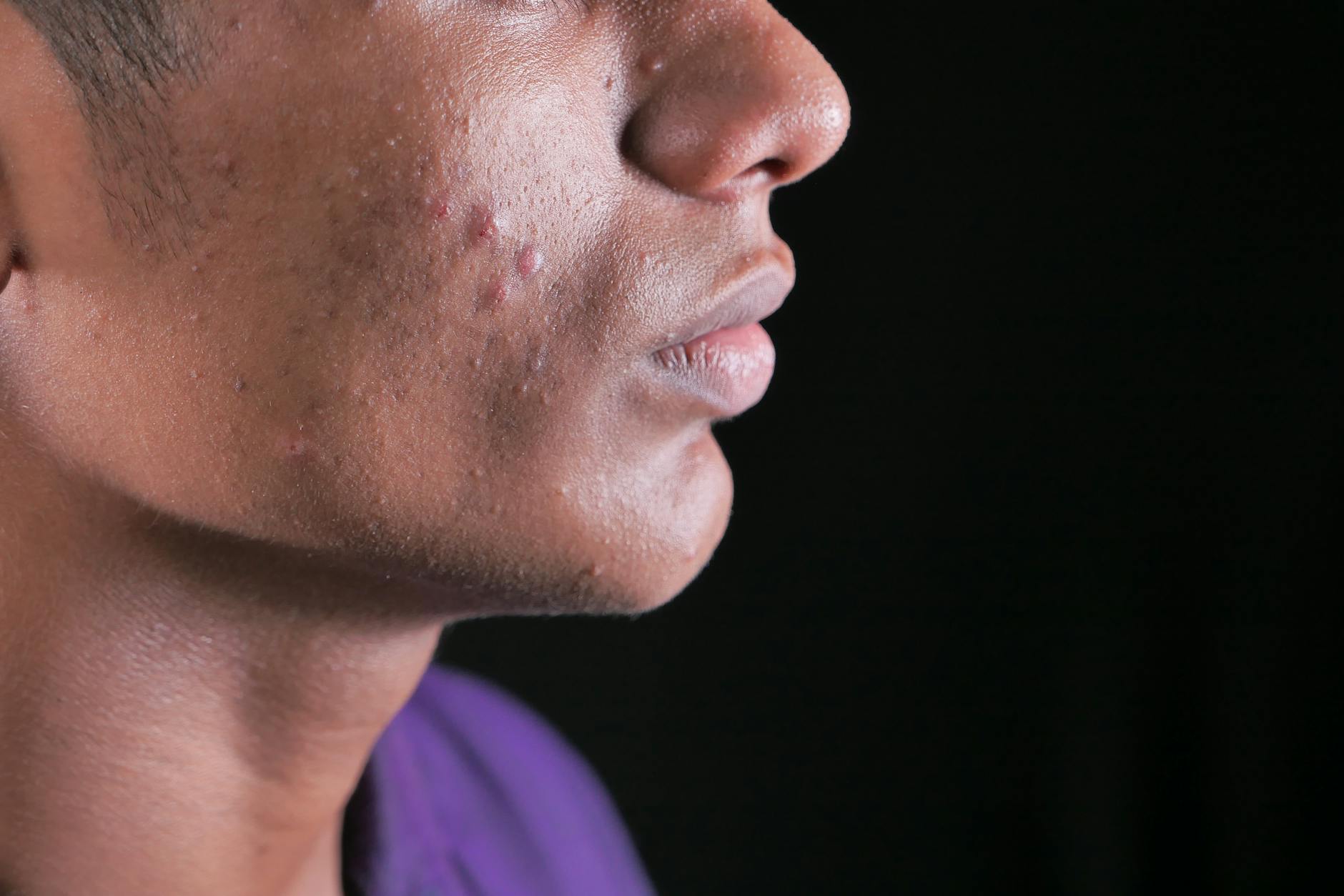
Oral isotretinoin is reserved for patients with severe acne that hasn't responded to standard treatments. You may be a candidate if you have nodular or cystic acne, which creates deep, painful bumps under the skin that often lead to permanent scarring without proper treatment.
“Isotretinoin is typically considered when other treatments have failed to prevent the lasting skin damage that severe acne can cause.”
Your dermatologist will usually require that you've tried at least two different topical treatments or oral antibiotics for several months without success. This approach ensures that less intensive options are explored first. For example, you might have used prescription retinoids, benzoyl peroxide, or antibiotics like doxycycline without achieving clear skin.
Age considerations matter too. Most patients are teenagers or adults, though children as young as 12 may qualify in severe cases. Your overall health plays a crucial role—you'll need normal liver function and cannot be pregnant or planning pregnancy. Patients with inflammatory bowel disease or severe depression may need extra monitoring or alternative treatments.
The goal is preventing the permanent scarring and emotional impact that severe acne causes when left untreated.
The Treatment Process: What to Expect
Starting oral isotretinoin requires careful coordination with your dermatologist. Your first consultation involves a comprehensive medical history, blood tests to check liver function and lipid levels, and pregnancy testing for women. Your doctor will explain the medication's effects and address any concerns about scarring or appearance changes.
Complete medical evaluation, blood work, and iPLEDGE registration if applicable.
Begin with low dose, typically 0.5-1mg per kilogram of body weight daily.
Regular check-ins for blood tests, pregnancy tests, and progress evaluation.
Gradual increase to optimal dose based on response and side effects.
Most patients take isotretinoin for 4-6 months. Monthly appointments ensure your safety through required blood work and allow dose adjustments. Women must use two forms of birth control and take monthly pregnancy tests.
Improvement typically begins after 6-8 weeks, though some patients experience an initial flare-up. By month three, most notice significant clearing. For example, deep cystic lesions that once caused painful swelling often flatten and heal completely. The medication works to prevent future scarring by shrinking oil glands permanently, addressing your long-term skin health goals while managing current breakouts effectively.
Side Effects and Safety Considerations
Most patients experience manageable side effects during isotretinoin treatment. Dry skin, chapped lips, and mild joint aches affect nearly everyone but improve with proper moisturizers and lip balm. Your eyes may become dry, making contact lens wear uncomfortable. These effects typically start within the first month and remain stable throughout treatment.
More serious concerns require immediate medical attention. Severe depression, vision changes, or persistent abdominal pain warrant urgent care. While these complications are rare, your dermatologist monitors for them through regular check-ins and blood tests every month.
Pregnancy prevention is absolutely critical since isotretinoin causes severe birth defects. Women must use two reliable contraceptive methods and take monthly pregnancy tests. This requirement continues for one month after completing treatment. Your doctor will not prescribe refills without negative pregnancy test results.
Mental health monitoring helps ensure treatment safety. Some patients notice mood changes or increased anxiety. Report any concerning thoughts to your healthcare team immediately. Your improved skin and reduced scarring often boost confidence, but professional support remains available throughout your treatment journey.
Maximizing Success and Managing Side Effects

Your skincare routine needs significant adjustments during isotretinoin treatment. Switch to gentle, fragrance-free cleansers and moisturizers to combat intense dryness. Apply moisturizer twice daily and use lip balm constantly throughout the day. Avoid harsh scrubs or exfoliating products that could worsen irritation.
Lifestyle modifications support treatment success and reduce side effects. Take isotretinoin with fatty foods to improve absorption. Drink extra water daily to combat dehydration. Protect your skin with SPF 30 or higher sunscreen, as sun sensitivity increases dramatically. Avoid waxing during treatment, as your skin becomes extremely fragile.
Contact your dermatologist immediately if you experience severe mood changes, persistent headaches, or vision problems. Report any concerning side effects promptly rather than waiting for your next appointment.
After completing treatment, maintain results with gentle skincare and sun protection. Wait at least six months before considering cosmetic procedures like Chemical Peels, which use controlled chemical exfoliation to improve skin texture and treat residual scarring. Most patients see lasting improvement, with many remaining clear for years after treatment ends.
Is Oral Isotretinoin Right for You
Deciding whether to pursue isotretinoin requires honest conversations with your dermatologist about your specific situation. This powerful medication works exceptionally well for severe acne that hasn't responded to other treatments, but it's not right for everyone.
Consider isotretinoin if you have painful cystic acne, significant scarring risk, or acne that severely impacts your daily life and confidence. The treatment can prevent permanent scarring that might otherwise require expensive laser procedures or surgery later.
Ask your dermatologist these essential questions: Am I a good candidate? What side effects should I expect? How will you monitor my progress? What's my timeline for seeing results?
If you're ready to explore this option, schedule a consultation with a board-certified dermatologist who can evaluate your skin, discuss your medical history, and create a personalized treatment plan.
Isotretinoin can be life-changing for severe acne, but requires careful medical supervision and commitment to the full treatment process.
Frequently Asked Questions
How does oral isotretinoin work for acne?
Oral isotretinoin is a powerful vitamin A derivative that works from within your body to address acne at its source. It dramatically reduces your sebaceous glands' size and oil output, prevents clogged pores, reduces inflammation, and creates an environment where acne bacteria cannot thrive. This comprehensive approach targets all four root causes of severe acne simultaneously, which is why it's more effective than other treatments that only address one or two issues.
Who is a good candidate for isotretinoin treatment?
Isotretinoin is reserved for patients with severe nodular or cystic acne that hasn't responded to standard treatments. You may be a candidate if you've tried at least two different topical treatments or oral antibiotics for several months without success. Your dermatologist will also consider your overall health, requiring normal liver function, and you cannot be pregnant or planning pregnancy during treatment.
What should I expect when starting isotretinoin treatment?
Starting isotretinoin requires careful coordination with your dermatologist, beginning with a comprehensive medical history, blood tests, and pregnancy testing for women. You'll start with a low dose, typically 0.5-1mg per kilogram of body weight daily. The treatment process includes monthly monitoring with regular check-ins for blood tests, pregnancy tests, and progress evaluation throughout your treatment course.
Why is isotretinoin considered for severe acne when other treatments fail?
Isotretinoin is the only acne medication that targets all four root causes of severe acne simultaneously: excess oil production, clogged pores, bacterial overgrowth, and inflammation. Most other treatments tackle only one or two of these issues, which explains why previous attempts may have fallen short. This comprehensive approach makes it particularly effective for severe, scarring acne and helps prevent the permanent scarring and emotional impact that untreated severe acne can cause.
Disclaimer: This content is for informational purposes only and does not constitute medical advice. Always consult a qualified healthcare provider before making health decisions.