What to Expect in Your First Month with Retinoids

Starting retinoids feels like stepping into uncharted territory, especially when your skin seems to rebel before it cooperates. The first month requires patience as your skin undergoes a complete cellular renovation process that temporarily disrupts your normal routine.
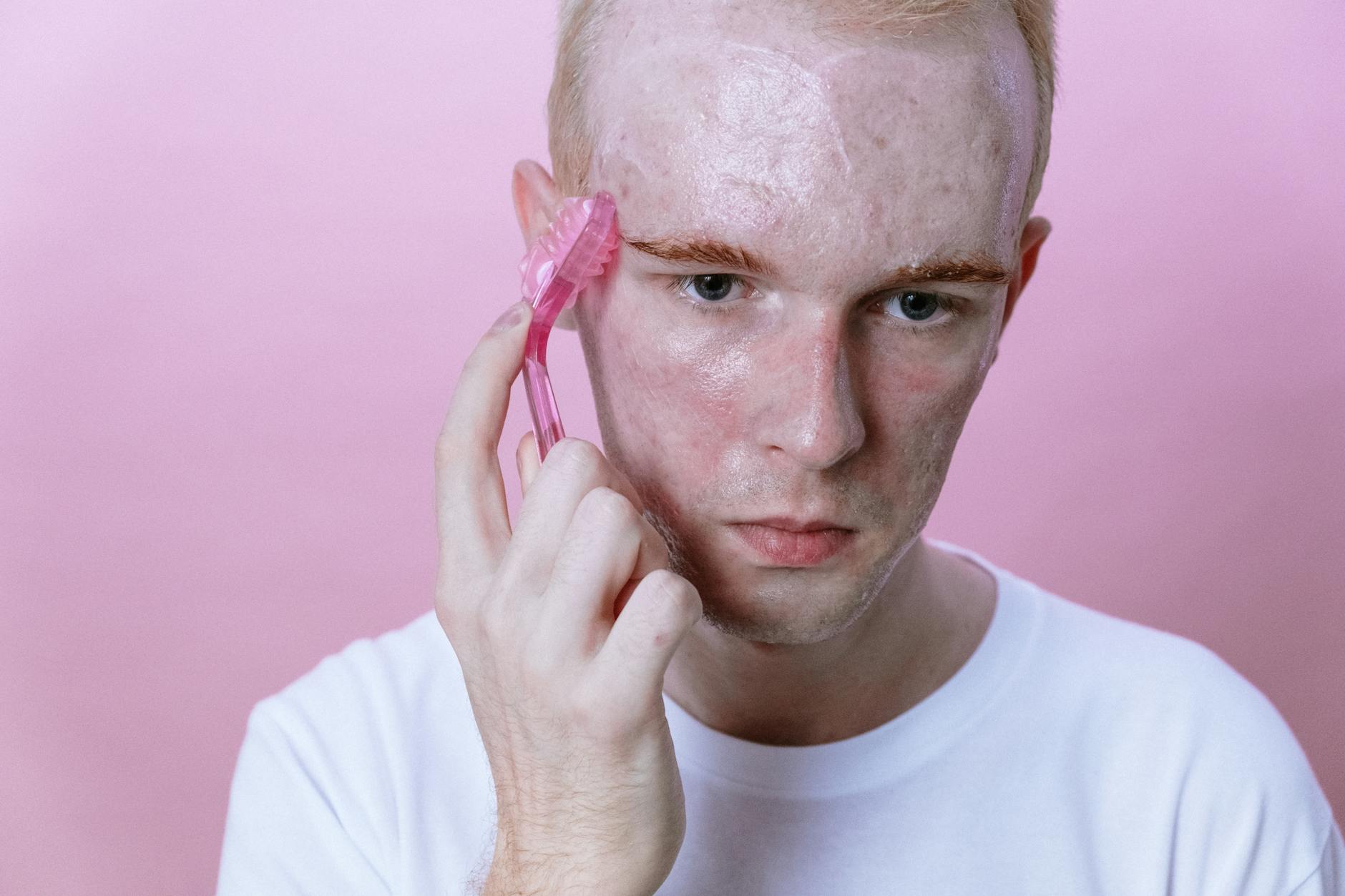
Your skin enters an adjustment period within the first few days. You might notice increased dryness, mild redness, or flaking around your nose and chin. This reaction signals that retinoids are working to accelerate cell turnover, pushing older skin cells to the surface faster than usual.
“The purging phase is your skin getting worse before it gets better – and it's completely normal.”
Many people experience what dermatologists call "purging" during weeks two through four. Unlike regular breakouts that appear randomly, purging brings existing clogs to the surface in areas where you typically break out. For example, if you usually get pimples on your forehead, expect purging there too. These blemishes often heal faster than normal breakouts and shouldn't leave permanent marks when treated gently.
Watch for early positive signs around week three. Your skin texture might feel smoother, even if you still see active breakouts. Blackheads may appear less prominent, and existing blemishes heal more quickly than before starting retinoids.
Patience becomes your most valuable tool during this phase. While social situations might feel challenging when your skin looks temporarily worse, remember that this process leads to clearer, healthier skin. Most people see the purging phase end by week six, with genuine improvements becoming visible by month two.
Stick to gentle skincare during this period and avoid picking at purging breakouts to prevent scarring.
Acne Improvement Timeline: 6-12 Week Breakthrough
The journey from persistent acne to clearer skin follows a predictable pattern with retinoids. Understanding this timeline helps you recognize progress and avoid the discouragement that leads many people to abandon treatment prematurely.
During weeks 6-8, you'll notice the first real improvements. Blackheads and whiteheads (comedonal acne) respond faster than inflamed pimples. Your skin texture becomes smoother as clogged pores clear out. New breakouts may still appear, but they're typically smaller and heal more quickly than before.
"Most patients see meaningful acne reduction by week 8, but maximum benefits require patience through the 12-week mark."
Weeks 9-12 bring more dramatic changes. Inflammatory acne—those red, painful bumps that cause the most embarrassment and scarring concerns—finally begins responding. The frequency of new breakouts decreases noticeably. Existing acne marks start fading as cell turnover accelerates.
Signs your retinoid treatment is working include fewer weekly breakouts, faster healing of existing pimples, and improved overall skin texture. Your pores appear smaller, and that rough, bumpy feeling gradually smooths out. Some patients notice their skin looks brighter and more even-toned.
Week 12 marks the critical evaluation point. If you haven't seen at least 50% improvement in acne count by this time, your dermatologist may adjust your treatment. However, many patients continue improving beyond this milestone.
For example, Sarah noticed her first improvements at week 7 when her weekly breakout count dropped from twelve pimples to six. By week 12, she averaged just two small blemishes monthly—a transformation that built her confidence and prevented the scarring she feared most.
Anti-Aging Benefits: 3-6 Month Transformation

While acne improvements happen relatively quickly, anti-aging benefits from retinoids require patience. Your skin needs three to six months to rebuild collagen and renew cellular structures that create visible age-related improvements.
Fine lines show the first signs of improvement around the 8-12 week mark. You'll notice shallow lines around your eyes and mouth becoming less pronounced. Deeper wrinkles take longer—expect meaningful changes after four to six months of consistent use. The key lies in understanding that retinoids work by accelerating cell turnover and stimulating collagen production, processes that happen gradually beneath the surface.
Skin texture improvements become noticeable around month two. Rough patches smooth out, pores appear smaller, and your skin develops a more refined appearance. Many patients describe their skin feeling "softer" and looking more polished during this phase.
Hyperpigmentation fading follows a predictable timeline. Age spots and sun damage begin lightening around week 6-8, with significant improvements visible by month four. Dark spots from previous breakouts—a common concern for those worried about permanent scarring—typically fade within three to four months when using retinoids consistently.
Long-term collagen benefits represent the most dramatic transformation. After six months, your skin develops improved elasticity and firmness. This enhanced collagen production continues for as long as you use retinoids, making them one of the most effective long-term anti-aging treatments available. For example, patients often report that makeup applies more smoothly and their skin looks naturally plumper after six months of retinoid use.
Factors That Influence Your Results Timeline
Your personal retinoid journey depends on several key variables that can speed up or slow down your progress. Understanding these factors helps set realistic expectations and prevents the disappointment that leads many people to abandon treatment prematurely.
Retinoid type and concentration create the biggest timeline differences. Over-the-counter retinol products typically require 3-6 months for visible changes, while prescription tretinoin can show improvements in 6-12 weeks. Higher concentrations work faster but increase irritation risk during the adjustment period.
Application frequency directly impacts your timeline. Starting with every-other-night application extends initial results by several weeks compared to nightly use. However, rushing this process often backfires, causing severe peeling that forces treatment breaks and ultimately delays progress.
Skin type considerations significantly influence timing. Oily skin typically tolerates retinoids better and shows faster acne improvements, while sensitive or dry skin requires longer adjustment periods. Darker skin tones may experience longer timelines for pigmentation issues but often see more dramatic final results.
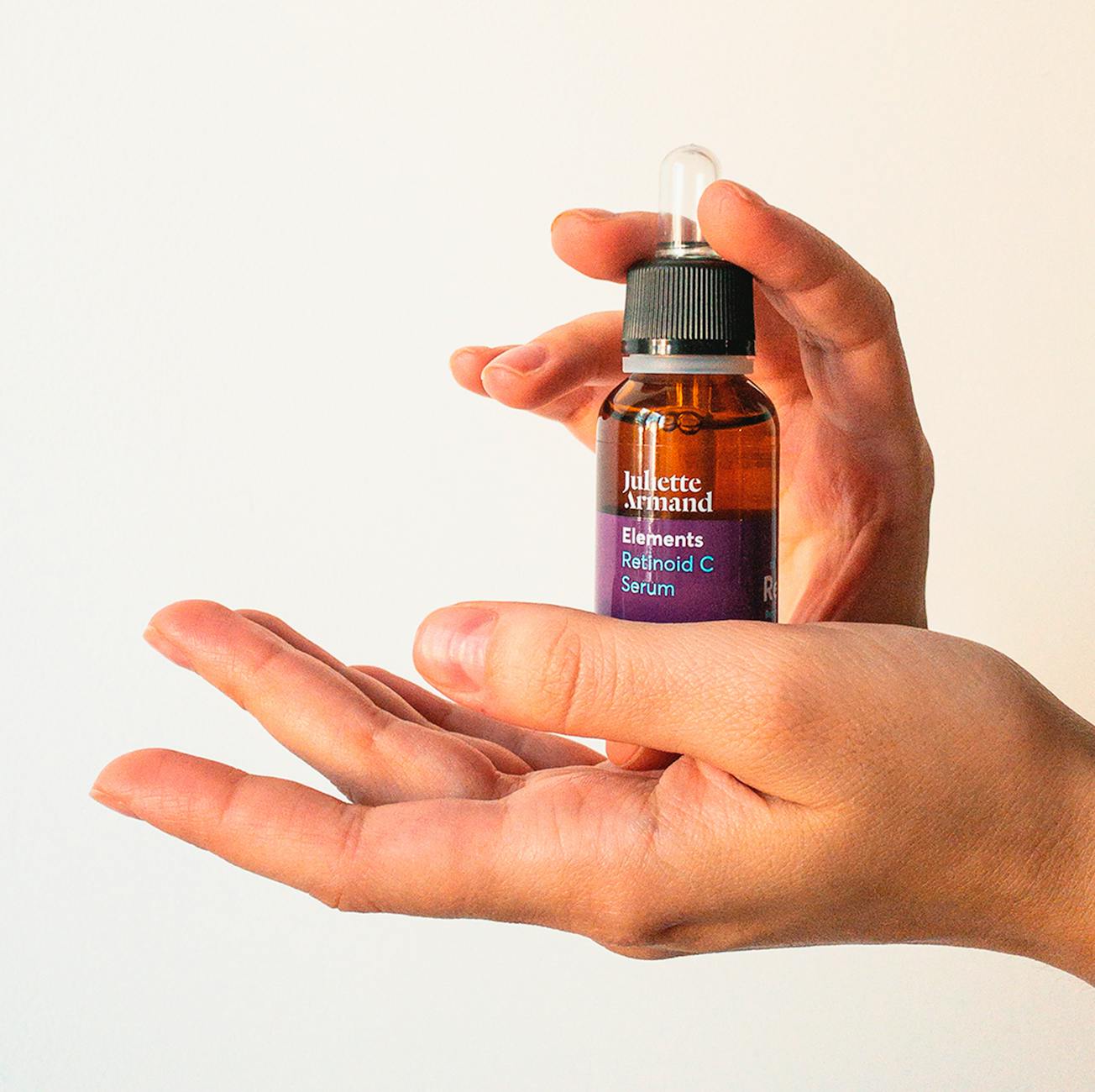
Combination treatments can accelerate your timeline when properly coordinated. Pairing retinoids with gentle chemical peels or vitamin C serums enhances results, but timing matters. Chemical peels should be scheduled during retinoid breaks to avoid over-exfoliation and potential scarring from excessive irritation.
Your dermatologist can adjust these variables based on your skin's response, helping optimize your specific timeline without compromising safety or long-term results.
Signs Your Retinoid Treatment Is Working
Recognizing progress during retinoid treatment helps you stay motivated through the initial adjustment period. While dramatic transformations don't happen overnight, several positive changes indicate your treatment is on track.
The first sign of improvement often appears around week 4 to 6, when your skin starts feeling smoother to the touch. This happens because retinoids accelerate cell turnover, gradually revealing fresher skin underneath. You might also notice that your existing acne lesions begin healing faster than before, even if new breakouts continue appearing.
By month 2 or 3, milestone improvements become more visible. Your pores may look smaller as dead skin cells clear out more efficiently. Blackheads that seemed permanently stuck often start loosening and disappearing. For those worried about permanent scarring, this is when you might first notice that newer acne marks fade more quickly than they used to.
Normal progress includes periods where your skin looks worse before it looks better. This temporary worsening, called "purging," actually signals that retinoids are working deep within your pores. The key is consistency—your skin needs time to complete its renewal cycle.
For example, Sarah noticed her cheek texture improving after 5 weeks of tretinoin use, even though she still had active breakouts on her chin. These mixed results are completely normal and indicate your treatment is progressing as expected.
When to Reassess Your Retinoid Routine

Your retinoid journey requires strategic checkpoint evaluations to ensure you're on track for success. The 4-6 week mark serves as your first crucial assessment point. At this stage, you should notice initial signs of skin adjustment—reduced oiliness, smaller pore appearance, or the beginning of texture improvements. If you're experiencing severe irritation that hasn't subsided after a month, this signals the need for routine modifications.
The 12-week evaluation represents your major milestone. By three months, retinoids should demonstrate clear effectiveness: fewer breakouts, improved skin texture, and visible reduction in existing acne marks. This timeline helps distinguish between normal purging and treatment failure, addressing concerns about permanent scarring by ensuring you're not continuing an ineffective approach.
Schedule professional consultation if you experience persistent severe irritation beyond six weeks, notice worsening acne after the initial purging phase, or see no improvement after three months of consistent use. Your dermatologist can adjust concentration, recommend alternative formulations, or suggest combination therapies.
Document your progress with photos and notes about side effects. This evidence-based approach helps distinguish between temporary setbacks and genuine treatment issues, preventing premature abandonment of potentially successful retinoid therapy.
Maximizing Your Retinoid Results
Getting the best outcomes from retinoids requires smart application and supporting habits. Poor technique can slow your progress and increase irritation, but these strategies help you achieve clearer skin faster while avoiding permanent damage.
Apply retinoids to completely dry skin and wait 20-30 minutes after cleansing to prevent excess absorption.
Use a gentle cleanser and moisturizer while avoiding harsh scrubs or acids that compete with retinoids.
Apply SPF 30+ daily since retinoids increase photosensitivity and UV exposure can worsen acne scarring.
Set phone reminders and keep your retinoid visible on your bathroom counter to maintain nightly use.
Track your progress with weekly photos taken in the same lighting. This visual record helps you notice gradual improvements that might otherwise go unnoticed during daily mirror checks.
Remember that consistency beats intensity. Using a lower-strength retinoid every night produces better results than using a stronger formula sporadically. If you experience irritation, reduce frequency rather than stopping entirely.
Consistent nightly application with proper sun protection maximizes retinoid effectiveness while preventing setbacks.
Frequently Asked Questions
What should I expect in my first month using retinoids?
During your first month with retinoids, expect an adjustment period with increased dryness, mild redness, or flaking around your nose and chin within the first few days. You'll likely experience a "purging" phase during weeks two through four, where existing clogs are brought to the surface in areas where you typically break out. Around week three, you may notice smoother skin texture and less prominent blackheads, even if active breakouts are still present.
How long does retinoid purging last?
The purging phase typically occurs during weeks two through four after starting retinoids and usually ends by week six. During this time, existing clogs are brought to the surface in areas where you normally break out, but these blemishes often heal faster than normal breakouts. This temporary worsening is completely normal and signals that the retinoids are working to accelerate cell turnover.
When will I see acne improvement with retinoids?
You'll notice the first real improvements during weeks 6-8, with blackheads and whiteheads responding faster than inflamed pimples. More dramatic changes occur during weeks 9-12, when inflammatory acne begins responding and the frequency of new breakouts decreases noticeably. By week 12, 85% of patients see significant acne improvement, though many continue improving beyond this milestone.
What types of acne respond fastest to retinoids?
Blackheads and whiteheads (comedonal acne) respond faster to retinoids than inflamed pimples, typically showing improvement around 6.2 weeks. Inflammatory acne—the red, painful bumps—takes longer to respond, usually around 10 weeks. New breakouts may still appear during early treatment, but they're typically smaller and heal more quickly than before starting retinoids.
How do I know if retinoids are working for my acne?
Signs that retinoids are working include fewer weekly breakouts, faster healing of existing pimples, and improved overall skin texture. Your pores will appear smaller and the rough, bumpy feeling gradually smooths out. Some patients also notice brighter, more even-toned skin as cell turnover accelerates and existing acne marks start fading.
Disclaimer: This content is for informational purposes only and does not constitute medical advice. Always consult a qualified healthcare provider before making health decisions.