Understanding Common Retinoid Side Effects

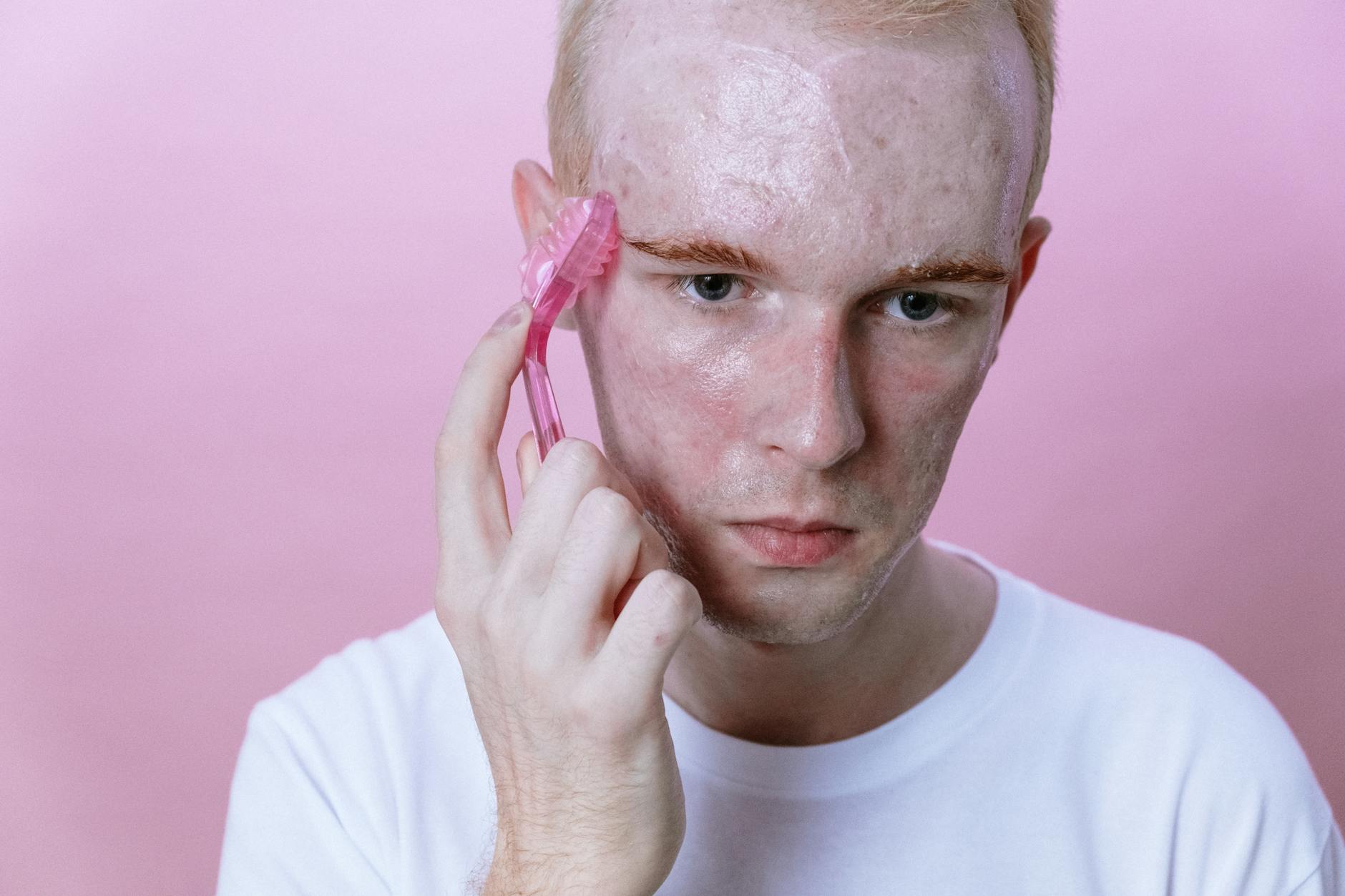
Starting retinoids can feel overwhelming when your skin begins to react, but experiencing dryness, peeling, and redness is completely normal. These reactions aren't signs of damage or permanent scarring—they're actually evidence that the retinoid is working as intended.
"Retinoid side effects are your skin's way of showing that cellular renewal is accelerating."
Retinoids accelerate your skin's natural cell turnover process, causing older skin cells to shed faster than usual. This rapid renewal creates the temporary irritation you experience during the first two to six weeks of treatment. Your skin needs time to adapt to this increased cellular activity.
The intensity of these effects varies between individuals, but they typically peak within the first month before gradually subsiding. Understanding that this adjustment period is temporary helps you stay committed to your treatment plan and achieve the clear skin you're working toward.
Managing Dryness and Peeling

The dryness and peeling you're experiencing won't cause permanent scarring - it's simply your skin adjusting to increased cell turnover. Your skin barrier needs extra support during this transition period.
“Apply moisturizer to slightly damp skin to lock in hydration more effectively.”
Use gentle, fragrance-free moisturizers twice daily. Look for ingredients like ceramides, hyaluronic acid, or glycerin. Apply moisturizer immediately after cleansing while your skin is still slightly damp - this traps water and boosts hydration by up to 30%.
Resist the urge to scrub away peeling skin. Harsh exfoliation will worsen irritation and delay healing. Instead, let the flakes fall off naturally during gentle cleansing.
If dryness feels overwhelming, reduce your retinoid frequency or switch to a lower concentration temporarily. Start with 0.025% tretinoin or retinol products containing 0.25-0.5% retinol. You can always increase strength once your skin adapts, typically after 4-6 weeks of consistent use.
What Not to Do During Retinoid Adjustment
During your skin's adjustment period, certain skincare practices can worsen irritation and potentially cause scarring. Avoiding these common mistakes helps your skin adapt smoothly while preventing unnecessary damage.
Never combine retinoids with Chemical Peels during the first few months. Chemical Peels use acid treatments that remove damaged skin layers through controlled chemical exfoliation, but adding this to an already sensitized retinoid routine creates excessive irritation. Wait until your skin fully tolerates retinoids before considering professional treatments.
Resist over-cleansing or using harsh scrubs, which strip your skin's protective barrier when it's most vulnerable. Skip vitamin C serums and other acids like salicylic acid until your skin adjusts completely. Most importantly, never pick or force peeling skin off—this can create permanent scarring and infection. Let your skin shed naturally while maintaining gentle, consistent care.
When to Adjust Your Routine

Recognizing when to modify your retinoid routine prevents permanent damage and reduces the risk of scarring that many worry about. Severe burning, blistering, or raw skin means you should stop treatment immediately and contact your dermatologist. These warning signs indicate your skin barrier is compromised beyond normal adjustment.
If irritation persists after eight weeks of consistent use, professional evaluation is necessary. Your dermatologist can assess whether you need a lower concentration, different formulation, or alternative treatment approach.
Use retinoid one night per week for the first month.
After four weeks of tolerance, add a second night per week.
Once comfortable with twice weekly, advance to every other night usage.
This gradual approach helps your skin build tolerance while minimizing the dramatic peeling that can cause social embarrassment during the adjustment period.
Building Tolerance for Long-Term Success
Your skin needs time to adapt to retinoids, but this adjustment period leads to lasting benefits. Most side effects like redness, peeling, and irritation resolve within 4-8 weeks as your skin builds tolerance. This natural adaptation process isn't permanent damage—it's your skin learning to work with powerful ingredients.
Gradual introduction prevents severe reactions that could derail your progress. Start with twice weekly applications, then slowly increase frequency as your skin adjusts. Consistent use, even when experiencing mild irritation, helps your skin develop the tolerance needed for long-term success and clearer skin.
Patience during the initial 4-8 week adjustment period leads to improved skin tolerance and better long-term results.
Frequently Asked Questions
Are retinoid side effects like dryness and peeling normal?
Yes, experiencing dryness, peeling, and redness when starting retinoids is completely normal and not a sign of damage or permanent scarring. These reactions are evidence that the retinoid is working as intended by accelerating your skin's natural cell turnover process. The side effects typically peak within the first month before gradually subsiding as your skin adapts to the increased cellular activity.
How should I manage dryness and peeling from retinoids?
Use gentle, fragrance-free moisturizers twice daily that contain ceramides, hyaluronic acid, or glycerin. Apply moisturizer immediately after cleansing while your skin is still slightly damp to trap water and boost hydration by up to 30%. Resist the urge to scrub away peeling skin, as harsh exfoliation will worsen irritation and delay healing.
What skincare products should I avoid while using retinoids?
Never combine retinoids with chemical peels during the first few months, as this creates excessive irritation on already sensitized skin. Skip vitamin C serums and other acids like salicylic acid until your skin adjusts completely. Avoid harsh scrubs and over-cleansing, which strip your skin's protective barrier when it's most vulnerable.
When should I stop using retinoids and see a dermatologist?
Stop treatment immediately and contact your dermatologist if you experience severe burning, blistering, or raw skin, as these indicate your skin barrier is compromised beyond normal adjustment. If irritation persists after eight weeks of consistent use, professional evaluation is necessary to assess whether you need a lower concentration, different formulation, or alternative treatment approach.
Can I pick at peeling skin from retinoids?
Never pick or force peeling skin off, as this can create permanent scarring and infection. Let your skin shed naturally during gentle cleansing while maintaining consistent, gentle care. The peeling will resolve on its own as your skin adjusts to the retinoid treatment.
Disclaimer: This content is for informational purposes only and does not constitute medical advice. Always consult a qualified healthcare provider before making health decisions.