Understanding Cystic Acne and Why Retinoids Work

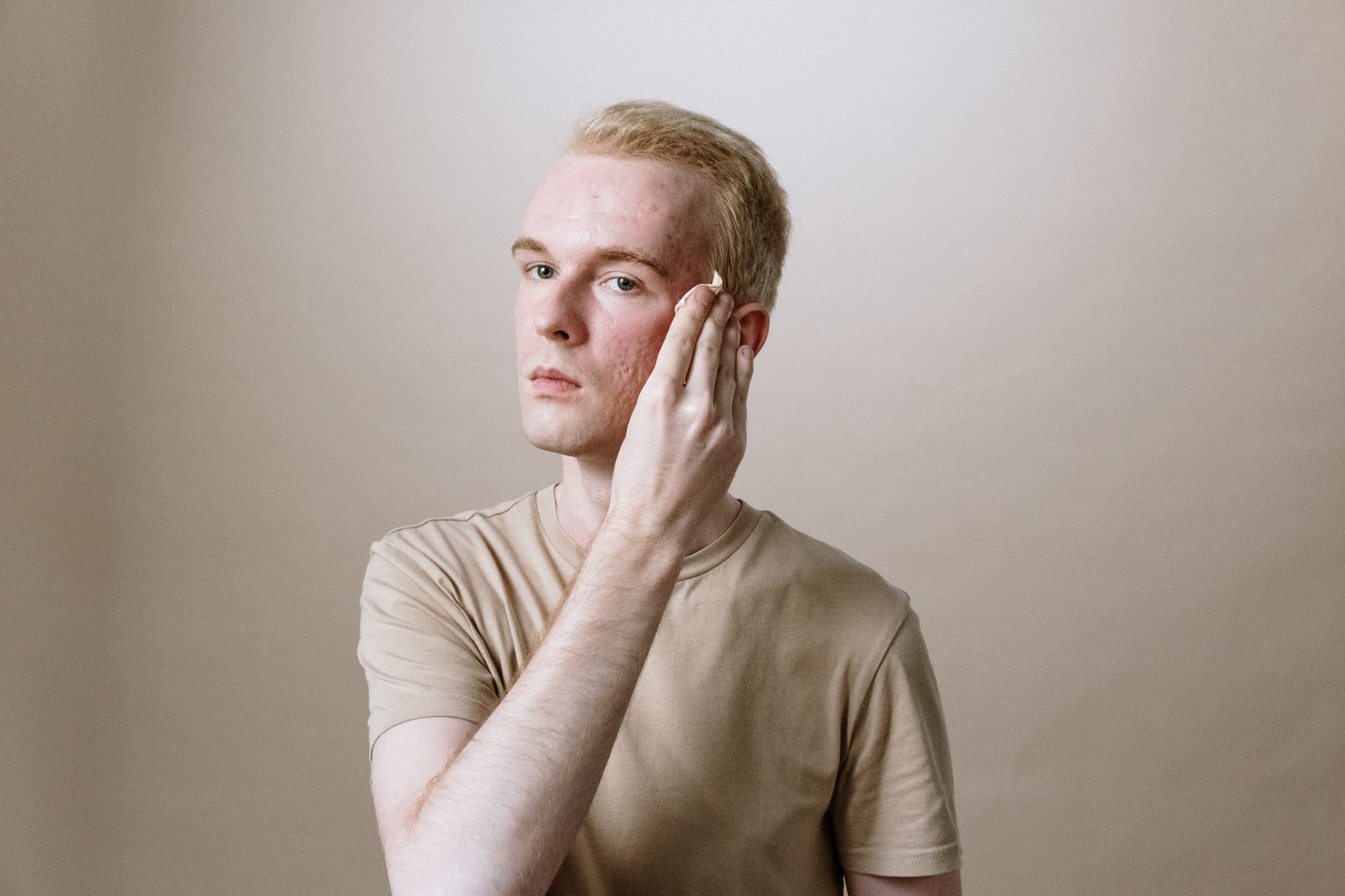
Cystic acne represents the most severe form of acne, characterized by deep, painful, inflamed cysts and nodules that develop beneath the skin's surface. Unlike typical pimples, these lesions can reach depths of several millimeters and often feel like hard, tender lumps under the skin. The condition primarily affects the face, neck, chest, back, and shoulders, impacting approximately 1-2% of adolescents and many adults.
“Cystic acne creates deep inflammation that can permanently damage skin tissue if left untreated.”
The fear of permanent scarring is well-founded, as cystic lesions destroy healthy tissue during the healing process. Retinoids work by targeting the root causes at the cellular level. They normalize follicular hyperkeratinization—the process where dead skin cells stick together and block pores—while simultaneously reducing inflammation.
By accelerating cell turnover and preventing pore blockages, retinoids address cystic acne's underlying mechanisms rather than just treating surface symptoms. This approach makes them uniquely effective for preventing new cysts while helping existing ones heal faster.
Prescription Retinoids for Severe Acne

When cystic acne causes deep, painful bumps that threaten to leave permanent scars, dermatologists turn to prescription retinoids as their most powerful weapons. These medications work differently than over-the-counter treatments, targeting the root causes of severe acne formation.
“Isotretinoin remains the only medication that can cure severe cystic acne permanently in most patients.”
Isotretinoin stands as the gold standard for nodulocystic acne treatment. This oral medication dramatically reduces oil production, shrinks sebaceous glands, and prevents new cyst formation. Dermatologists prescribe isotretinoin when patients have severe cystic acne that hasn't responded to other treatments or when scarring appears likely.
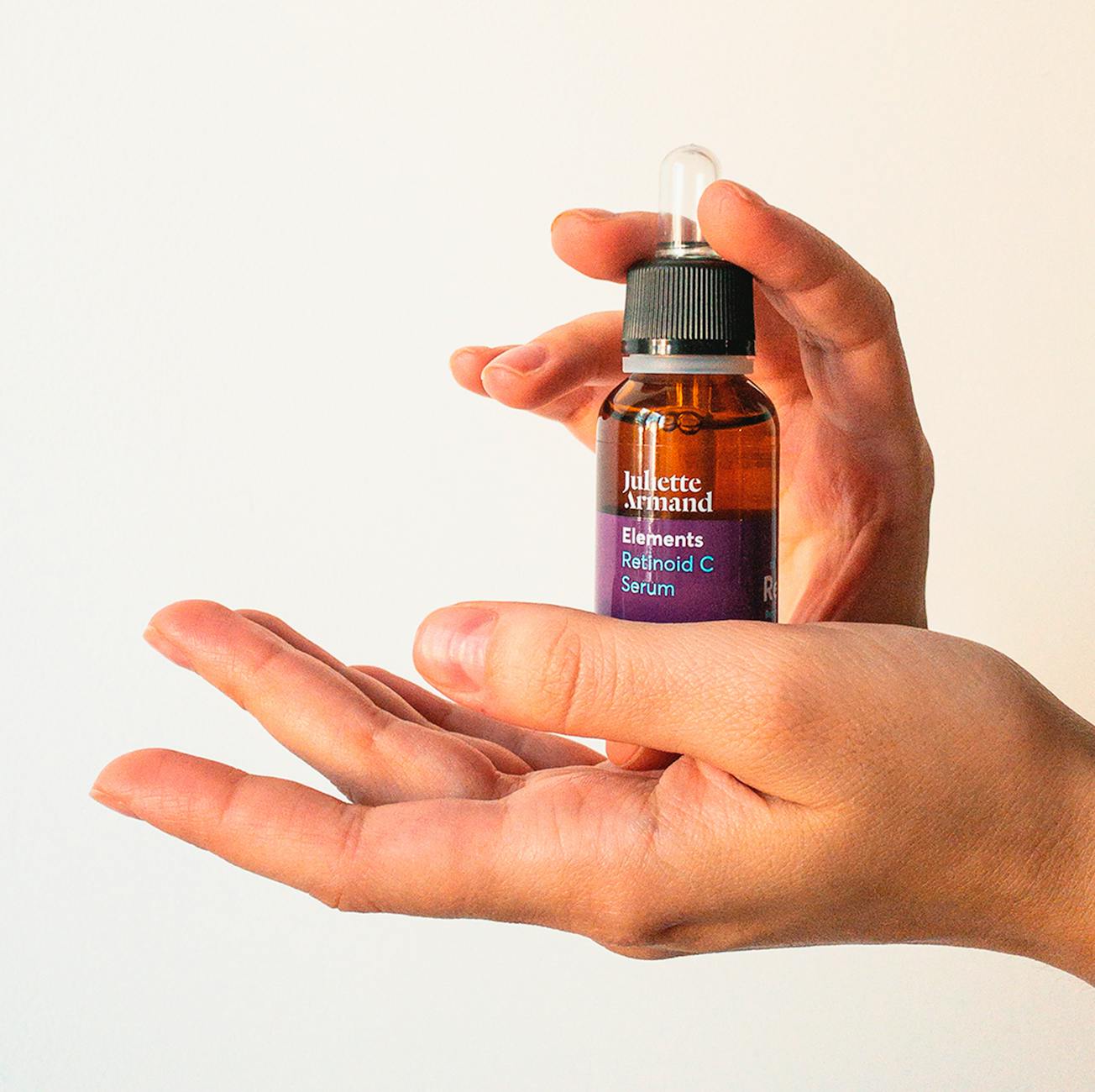
For moderate cystic acne, dermatologists often start with topical prescription retinoids like tretinoin, adapalene, or tazarotene. These creams and gels work more gently than isotretinoin while still providing significant improvement. Tretinoin comes in various strengths, allowing doctors to customize treatment intensity based on your skin's tolerance.
Your dermatologist determines the right retinoid based on acne severity, previous treatment responses, and potential side effects. They consider factors like pregnancy plans, lifestyle, and skin sensitivity when creating your treatment plan.
Starting Retinoid Treatment: What to Expect
Starting retinoid therapy requires patience and realistic expectations. Most patients see initial improvement in cystic lesions between 8-12 weeks, with some experiencing benefits as early as 6 weeks. However, dramatic results typically occur after 3-4 months of consistent use.
Many patients experience an initial "purging" period where acne temporarily worsens. This occurs because retinoids accelerate skin cell turnover, bringing underlying comedones to the surface faster. For example, you might notice more blackheads or small pustules in the first 2-4 weeks. This purging differs from treatment failure—it's actually a sign the medication is working.
Your dermatologist will schedule follow-up appointments every 4-6 weeks initially to monitor progress and adjust dosing. They'll assess skin tolerance, side effects, and early signs of improvement. These visits help prevent permanent scarring by ensuring proper treatment progression and catching any concerning reactions early.
Combining Retinoids with Other Cystic Acne Treatments
Retinoids work best as part of a comprehensive treatment approach rather than standalone therapy. Your dermatologist may combine retinoids with other medications to address different aspects of cystic acne, creating a more effective treatment plan that targets both active breakouts and prevents scarring.
Oral antibiotics commonly pair with topical retinoids to control the inflammatory component of cystic acne. This combination reduces the bacteria that contribute to infection while the retinoid prevents clogged pores. Tetracyclines like doxycycline or minocycline are frequently prescribed alongside retinoid therapy for their anti-inflammatory properties.
Chemical Peels complement retinoid treatment by addressing post-acne scarring and texture improvement through controlled chemical exfoliation that removes damaged skin layers. These acid treatments improve skin texture, reduce fine lines, and create more even tone, with visible improvements within 1-4 weeks depending on peel depth.
For emergency situations involving painful, inflamed cysts, corticosteroid injections provide rapid relief within 24-48 hours. These injections shrink individual cysts while retinoids continue working to prevent new ones from forming, addressing both immediate concerns and long-term management.
Managing Side Effects During Cystic Acne Treatment

Retinoid side effects can feel overwhelming when you're already dealing with painful cystic breakouts. The good news is that most side effects are temporary and manageable with the right approach.
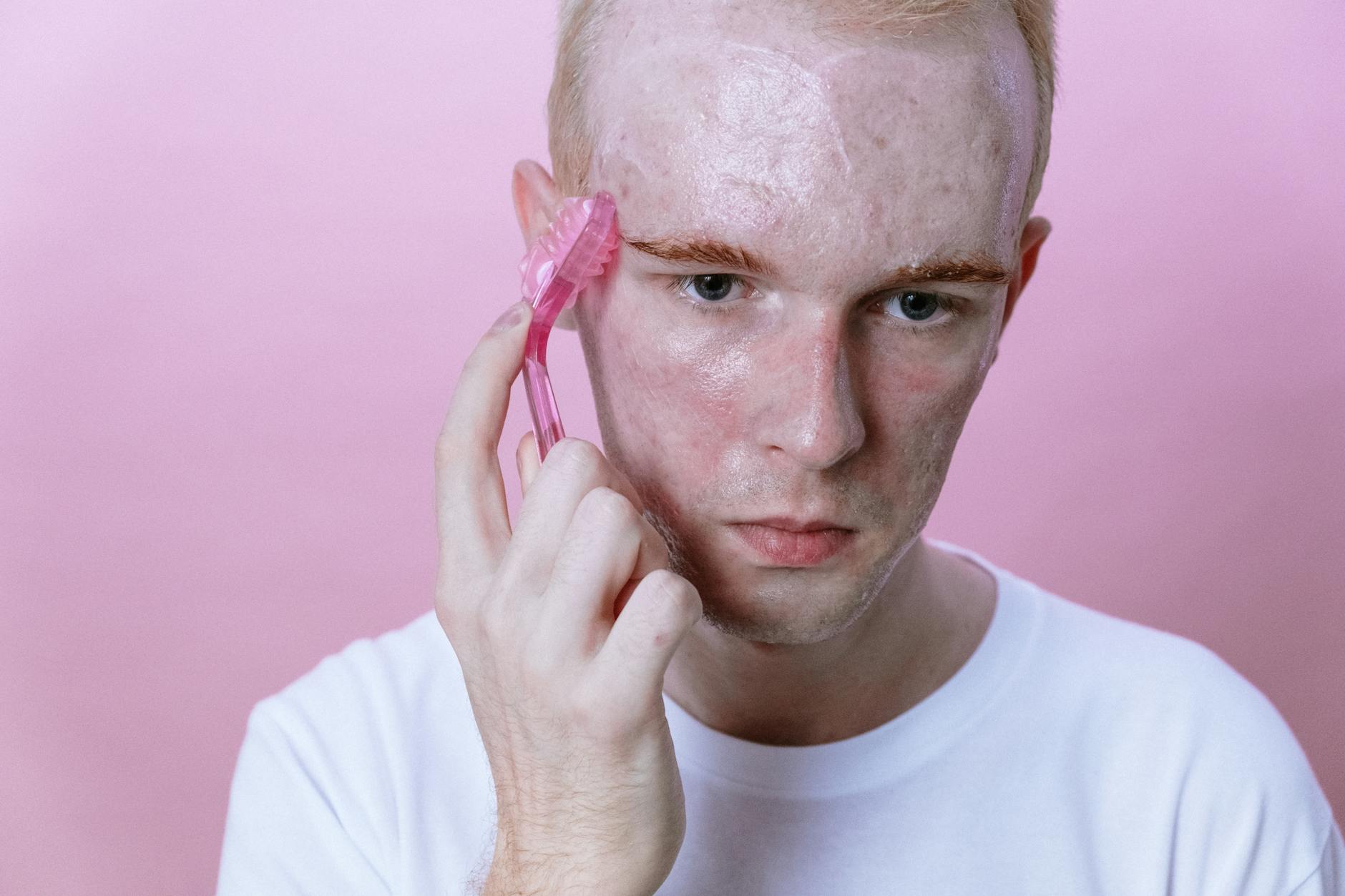
Cystic acne patients often experience more intense side effects because they typically start with stronger retinoid formulations. Common reactions include severe dryness, peeling that can worsen the appearance of existing lesions, and increased sensitivity that makes even gentle products sting. Your skin may look worse before it improves, which can be emotionally challenging when preventing scarring is your priority.
Use a mild, non-foaming cleanser twice daily and avoid scrubbing inflamed areas.
Apply a fragrance-free moisturizer before and after your retinoid to create a protective barrier.
Contact your dermatologist if you develop severe burning, widespread redness, or signs of infection around cysts.
Remember that temporary irritation doesn't mean permanent damage to your skin's barrier or increased scarring risk.
Long-term Results and Maintenance
Studies show that retinoids achieve significant improvement in 85-90% of patients with cystic acne within 4-6 months of consistent treatment. Most people see dramatic reductions in both active breakouts and the formation of new cysts, helping prevent the permanent scarring that causes lasting distress.
Maintenance therapy becomes crucial once your skin clears. Many dermatologists recommend continuing a lower-strength retinoid indefinitely to prevent cyst recurrence. Topical tretinoin 2-3 times weekly often provides sufficient prevention without the intensity of initial treatment.
Your long-term skin health strategy should include gentle cleansing, consistent sunscreen use, and regular dermatologist check-ups. Some patients benefit from periodic professional treatments like chemical peels or laser therapy to address residual scarring and maintain smooth skin texture.
Consistent maintenance therapy with lower-strength retinoids prevents cystic acne recurrence and protects your investment in clear skin.
Frequently Asked Questions
What is cystic acne and how is it different from regular acne?
Cystic acne represents the most severe form of acne, characterized by deep, painful, inflamed cysts and nodules that develop beneath the skin's surface. Unlike typical pimples, these lesions can reach depths of several millimeters and often feel like hard, tender lumps under the skin. The condition primarily affects the face, neck, chest, back, and shoulders, and can cause permanent scarring if left untreated.
How do retinoids work to treat cystic acne?
Retinoids work by targeting the root causes of cystic acne at the cellular level. They normalize follicular hyperkeratinization—the process where dead skin cells stick together and block pores—while simultaneously reducing inflammation. By accelerating cell turnover and preventing pore blockages, retinoids address cystic acne's underlying mechanisms rather than just treating surface symptoms.
What is isotretinoin and how effective is it for cystic acne?
Isotretinoin is an oral prescription retinoid that stands as the gold standard for nodulocystic acne treatment and remains the only medication that can cure severe cystic acne permanently in most patients. This medication dramatically reduces oil production, shrinks sebaceous glands, and prevents new cyst formation with an 85% clearance rate. Dermatologists prescribe isotretinoin when patients have severe cystic acne that hasn't responded to other treatments or when scarring appears likely.
How long does it take to see results from retinoid treatment?
Most patients see initial improvement in cystic lesions between 8-12 weeks, with some experiencing benefits as early as 6 weeks. However, dramatic results typically occur after 3-4 months of consistent use. Starting retinoid therapy requires patience and realistic expectations as the treatment works gradually to address the underlying causes of cystic acne.
What are the different types of prescription retinoids available?
For moderate cystic acne, dermatologists often start with topical prescription retinoids like tretinoin, adapalene, or tazarotene. These creams and gels work more gently than isotretinoin while still providing significant improvement, with about 70% improvement rates. Tretinoin comes in various strengths, allowing doctors to customize treatment intensity based on your skin's tolerance and specific needs.
Disclaimer: This content is for informational purposes only and does not constitute medical advice. Always consult a qualified healthcare provider before making health decisions.