Why Retinoids Are Not Safe During Pregnancy and Breastfeeding

Retinoids pose serious risks to developing babies because they are derivatives of vitamin A that can cause severe birth defects. These powerful medications easily cross the placental barrier, reaching your unborn child and potentially causing malformations of the heart, brain, face, and limbs. The risks are so significant that doctors classify most retinoids as pregnancy category X, meaning the dangers clearly outweigh any potential benefits.
“Retinoids can cause severe birth defects including heart, brain, and facial malformations in developing babies.”
During breastfeeding, retinoids can pass through breast milk to your nursing baby, potentially affecting their development. Even topical retinoids applied to your skin can be absorbed into your bloodstream and transmitted to your child. This transmission creates unnecessary risks when safer alternatives exist for treating acne and skin concerns.
While dealing with pregnancy acne can feel frustrating when you want clear skin quickly, protecting your baby's health must take priority. Understanding these risks helps you make informed decisions about skincare during this crucial time in your life.
Safe Alternatives to Retinoids for Pregnancy

When you're pregnant or breastfeeding, you don't have to compromise your skincare goals. Several pregnancy-safe ingredients can effectively address acne and aging concerns without the risks associated with retinoids.
"Pregnancy-safe skincare can still deliver the clear, healthy skin you want without putting your baby at risk."
Azelaic acid stands out as an excellent retinoid replacement for acne treatment. This naturally occurring acid reduces inflammation, unclogs pores, and fights bacteria while remaining completely safe during pregnancy. Start with a 10% concentration and apply twice daily for best results.
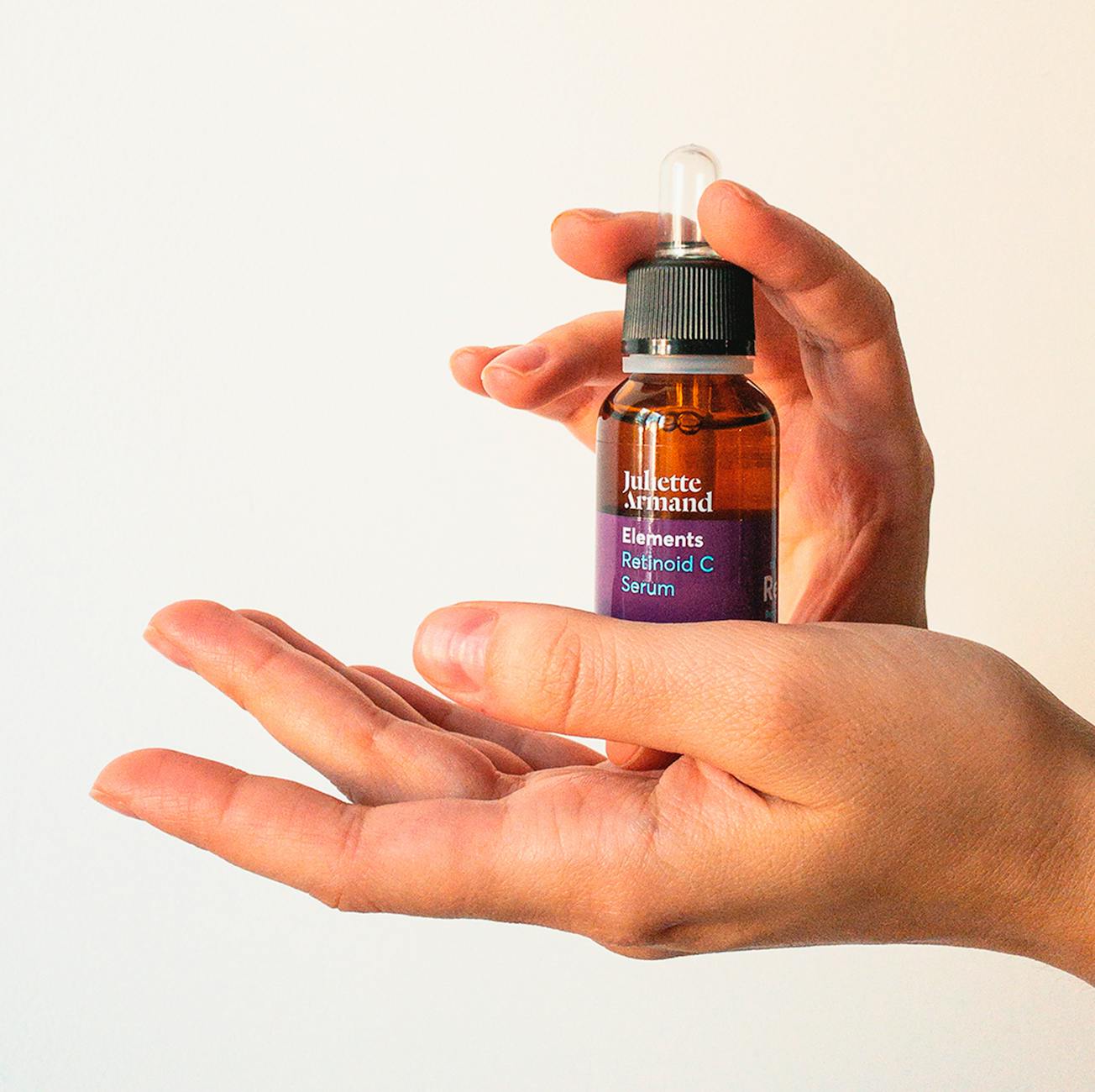
For anti-aging benefits, vitamin C serums provide powerful antioxidant protection and collagen stimulation. Look for L-ascorbic acid or magnesium ascorbyl phosphate formulations, which brighten skin and reduce fine lines effectively.
Glycolic acid in low concentrations (5-10%) offers gentle exfoliation to improve skin texture and reduce breakouts. This alpha hydroxy acid removes dead skin cells without penetrating deeply enough to cause concern.
Chemical Peels performed by dermatologists can address acne scars and pigmentation safely when modified for pregnancy. These acid treatments remove damaged skin layers through controlled exfoliation, improving texture and appearance. However, deep peels should be avoided during pregnancy and breastfeeding.
Building a Pregnancy-Safe Skincare Routine
Creating an effective pregnancy-safe routine requires strategic timing and gentle ingredients that won't harm your developing baby. Your skin concerns don't need to worsen during pregnancy when you follow the right steps consistently.
Start with a gentle cleanser, apply vitamin C serum, then moisturizer and SPF 30+ sunscreen.
Cleanse thoroughly, apply azelaic acid or glycolic acid (low concentration), then a nourishing moisturizer.
Use a gentle lactic acid mask once weekly to maintain cell turnover without irritation.
Sun protection becomes even more critical during pregnancy as hormonal changes increase pigmentation risks. Choose broad-spectrum mineral sunscreens with zinc oxide or titanium dioxide. These physical blockers sit on skin's surface rather than absorbing into your system, making them the safest choice for expecting mothers.
When You Can Safely Resume Retinoids

The timeline for returning to retinoids depends on your feeding choices and recovery needs. If you're not breastfeeding, you can typically resume retinoid use immediately after delivery once your doctor clears you for normal skincare routines.
For breastfeeding mothers, wait until you've completely finished nursing before reintroducing retinoids. Since nursing duration varies widely—from a few months to over two years—your timeline will be personal to your situation.
Begin with the lowest concentration you used previously, even if your skin handled stronger formulas before pregnancy.
Apply every third night for two weeks, then every other night, gradually building to nightly use as your skin adjusts.
Your skin may be more sensitive after pregnancy, so patience prevents irritation that could worsen existing concerns about scarring or skin appearance.
Managing Hormonal Skin Changes Safely
Pregnancy hormones trigger melasma, acne flares, and stretch marks that can feel overwhelming. These changes won't cause permanent scarring when managed properly with safe alternatives.
For melasma, use mineral sunscreen daily and vitamin C serum. Hormonal acne responds well to gentle cleansers containing azelaic acid or benzoyl peroxide. Moisturizers with ceramides and hyaluronic acid help prevent stretch marks by maintaining skin elasticity.
Consult your dermatologist if acne becomes cystic or melasma darkens significantly. They can prescribe pregnancy-safe treatments like topical erythromycin or adjust your routine for better results without retinoids.
Focus on gentle, pregnancy-safe skincare ingredients while hormonal changes resolve naturally after delivery.
Frequently Asked Questions
Why are retinoids dangerous during pregnancy?
Retinoids are derivatives of vitamin A that can cause severe birth defects including malformations of the heart, brain, face, and limbs. These powerful medications easily cross the placental barrier, reaching your unborn child and creating significant developmental risks. Doctors classify most retinoids as pregnancy category X, meaning the dangers clearly outweigh any potential benefits.
Can I use retinoids while breastfeeding?
No, retinoids are not safe during breastfeeding as they can pass through breast milk to your nursing baby, potentially affecting their development. Even topical retinoids applied to your skin can be absorbed into your bloodstream and transmitted to your child. This creates unnecessary risks when safer alternatives exist for treating skin concerns.
What can I use instead of retinoids for acne during pregnancy?
Azelaic acid stands out as an excellent retinoid replacement for acne treatment during pregnancy. This naturally occurring acid reduces inflammation, unclogs pores, and fights bacteria while remaining completely safe. You can start with a 10% concentration and apply twice daily for best results.
Are there safe anti-aging alternatives to retinoids during pregnancy?
Yes, vitamin C serums provide powerful antioxidant protection and collagen stimulation that are safe during pregnancy. Look for L-ascorbic acid or magnesium ascorbyl phosphate formulations, which brighten skin and reduce fine lines effectively. Glycolic acid in low concentrations (5-10%) also offers gentle exfoliation to improve skin texture.
What should my pregnancy skincare routine look like?
A safe pregnancy routine should include gentle cleansing, vitamin C serum, and SPF 30+ sunscreen in the morning. In the evening, cleanse thoroughly and apply azelaic acid or low-concentration glycolic acid followed by moisturizer. Use a gentle lactic acid mask once weekly to maintain cell turnover without irritation.
Disclaimer: This content is for informational purposes only and does not constitute medical advice. Always consult a qualified healthcare provider before making health decisions.