Understanding Topical Antibiotic Resistance

Antibiotic resistance occurs when bacteria develop the ability to survive treatments that once killed them effectively. This biological adaptation happens naturally over time, but misuse of antibiotics speeds up the process significantly.
With topical antibiotics used for acne and skin infections, resistance develops when bacteria on your skin are repeatedly exposed to these medications. Each exposure gives surviving bacteria a chance to adapt and multiply. Common topical antibiotics like clindamycin and erythromycin face increasing resistance rates, making them less effective for clearing breakouts.
“Antibiotic resistance turns your skin's natural bacteria into stubborn opponents that fight back against treatment.”
The impact on treatment effectiveness can be frustrating and concerning. When resistance develops, your acne may stop responding to medications that worked initially. This forces dermatologists to prescribe stronger treatments or combination therapies, potentially increasing side effects and treatment complexity.
Understanding resistance helps you use antibiotics properly and maintain their effectiveness for when you truly need them. Smart antibiotic use protects both your current treatment success and future treatment options.
Common Mistakes That Lead to Resistance

Several everyday habits unknowingly fuel antibiotic resistance, making future skin infections harder to treat and potentially prolonging the journey to clear skin. Understanding these mistakes helps you avoid setbacks that could worsen scarring or delay healing.
Overusing topical antibiotics represents the biggest culprit. Many people apply antibiotic creams daily for months, thinking more treatment equals faster results. However, using these medications beyond prescribed timeframes allows bacteria to adapt and survive. For example, continuing clindamycin gel for three months instead of the recommended six weeks gives resistant bacteria time to multiply.
“Using antibiotics beyond prescribed timeframes allows bacteria to adapt and survive.”
Stopping treatment prematurely creates equally problematic outcomes. When you quit antibiotic therapy because your skin looks better, surviving bacteria that weren't fully eliminated can return stronger. This incomplete treatment cycle often leads to more stubborn breakouts.
Using antibiotics for viral or fungal skin conditions wastes these precious medications while providing no benefit. Antibiotics only work against bacterial infections, not other skin issues.
Sharing prescription antibiotics with family members seems harmless but spreads resistance patterns between people. Each person's skin bacteria differs, making shared treatments ineffective and potentially dangerous.
These habits transform helpful medications into breeding grounds for resistant bacteria, ultimately making your skin concerns more difficult to resolve.
Best Practices for Proper Use
Following proper antibiotic guidelines prevents resistance while maximizing treatment success for your skin concerns. These practices protect both your current treatment and future effectiveness should you need antibiotics again.
Complete your entire prescribed course, even when your skin starts improving. Many patients stop antibiotics early when they see initial clearing, but bacteria may still remain. This incomplete treatment allows surviving bacteria to develop resistance, potentially making future breakouts harder to treat and increasing your risk of scarring.
Take oral antibiotics at the same times daily, with or without food as directed.
Use a thin layer on clean, dry skin and allow full absorption before other products.
Monitor improvements weekly and report any worsening or new side effects to your dermatologist.
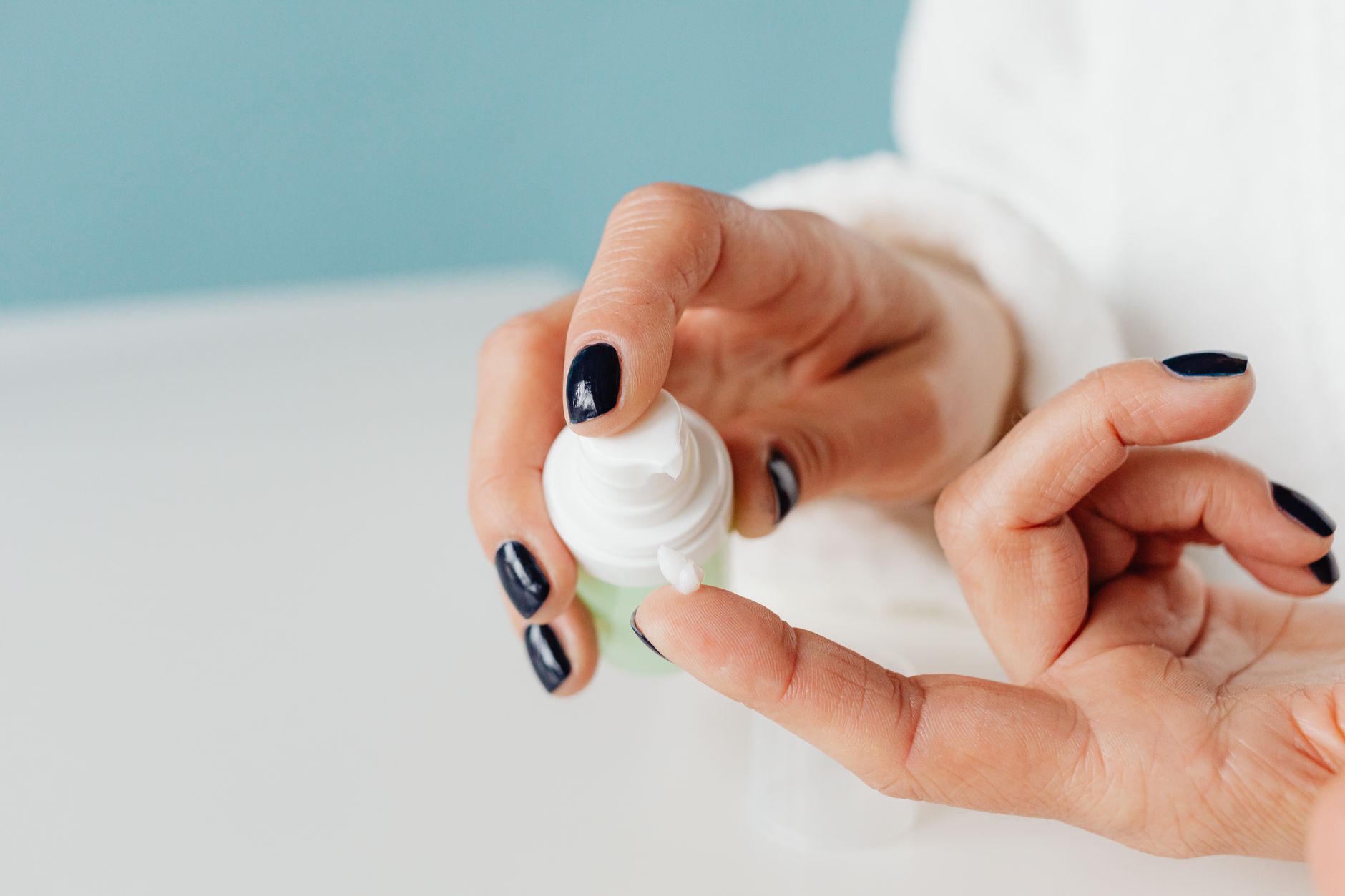
For topical antibiotics like clindamycin gel, clean your hands before application and avoid contaminating the tube opening. Apply only to affected areas unless your dermatologist specifically recommends broader coverage.
Contact your dermatologist immediately if you experience severe side effects, unusual skin reactions, or no improvement after four to six weeks of treatment. Never discontinue antibiotics without medical guidance, as this timing decision requires professional evaluation of your skin's response and bacterial clearance.
Store medications properly according to label instructions, and never share antibiotics with others, even family members with similar skin issues.
Alternative Treatment Options
When bacterial skin infections are mild or when you want to prevent future breakouts without contributing to antibiotic resistance, several effective alternatives exist. These treatments can reduce your reliance on antibiotics while still achieving clear, healthy skin.
Chemical Peels offer a powerful non-antibiotic approach for acne and bacterial prevention. These acid treatments remove damaged skin layers through controlled chemical exfoliation, targeting acne scars, fine lines, and uneven skin tone. During treatment, your skin is cleansed, the chemical solution is applied evenly, left for a predetermined time, then neutralized. You'll see improved skin texture and reduced pigmentation within 1-4 weeks, depending on peel depth. However, avoid chemical peels if you have active skin infections, open wounds, or recent isotretinoin use.
Antiseptic treatments like benzoyl peroxide and tea tree oil kill bacteria without promoting resistance. Combination approaches work especially well—pairing topical antiseptics with gentle exfoliation or LED light therapy maximizes effectiveness while minimizing antibiotic dependence.
These alternatives address your concerns about scarring by preventing bacterial buildup that leads to inflammation and permanent damage.
Warning Signs and When to Contact Your Doctor

Knowing when your current treatment isn't working can prevent permanent scarring and help you get back on track faster. Watch for these red flags that signal you need professional help.
Your skin condition is worsening if you notice increased redness, swelling, or pain after 72 hours of treatment. New pustules appearing despite antibiotic use, or existing breakouts spreading to new areas, indicate treatment failure. Fever, red streaks extending from infected areas, or lymph node swelling require immediate medical attention.
Contact your dermatologist if you see no improvement after one week of prescribed antibiotics, or if side effects like severe nausea, diarrhea, or rash develop. Don't ignore persistent breakouts that resist multiple treatments—this often signals antibiotic resistance.
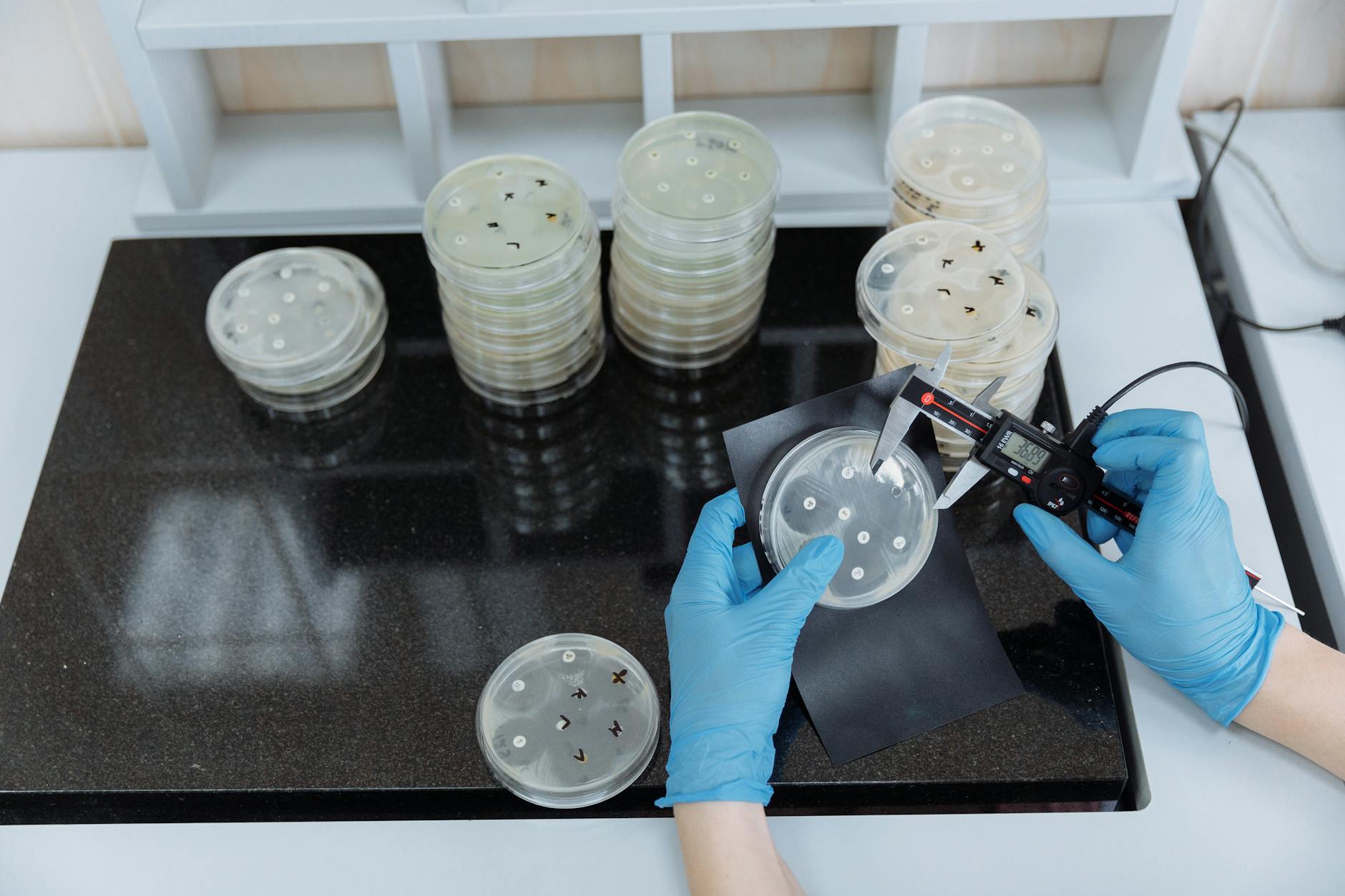
Your doctor may recommend culture testing to identify the specific bacteria causing your infection and determine which antibiotics will work best. This simple test involves swabbing the affected area and can prevent weeks of trial-and-error treatments.
For example, if your acne doesn't respond to clindamycin after two weeks, culture testing might reveal that switching to doxycycline will clear your skin effectively. Early intervention protects against scarring while ensuring you receive the right treatment from the start.
Maintaining Long-term Skin Health
The best way to avoid antibiotic resistance is preventing the need for antibiotics in the first place. A consistent preventive routine protects your skin from future breakouts and reduces your reliance on medications.
Use a mild cleanser twice daily and apply a non-comedogenic moisturizer to maintain your skin barrier.
Stay hydrated, get adequate sleep, and manage stress levels as these directly impact skin healing and breakout frequency.
Save topical antibiotics for moderate to severe inflammatory acne or when your dermatologist specifically prescribes them. Many mild breakouts respond well to benzoyl peroxide or salicylic acid instead.
Remember that preventing scarring starts with consistent care, not aggressive treatments. A well-maintained skin barrier heals faster and experiences fewer complications, giving you the clear, healthy skin you want without risking antibiotic resistance.
Prevention through consistent skincare and healthy habits reduces your need for antibiotics and protects both your skin and antibiotic effectiveness.
Frequently Asked Questions
What is topical antibiotic resistance and how does it develop?
Topical antibiotic resistance occurs when bacteria on your skin develop the ability to survive treatments that once killed them effectively. This happens when bacteria are repeatedly exposed to topical antibiotics like clindamycin and erythromycin, giving surviving bacteria chances to adapt and multiply. Each exposure allows resistant bacteria to become stronger, making the medications less effective for clearing breakouts over time.
How long does it take for antibiotic resistance to develop?
Antibiotic resistance can develop in as little as 3-6 weeks of treatment. During this time, bacteria on your skin that survive antibiotic exposure can adapt and multiply, creating resistant strains. This is why it's crucial to use antibiotics exactly as prescribed and avoid prolonged use beyond recommended timeframes.
What are the most common mistakes that cause antibiotic resistance?
The biggest mistake is overusing topical antibiotics beyond prescribed timeframes, such as continuing clindamycin gel for three months instead of the recommended six weeks. Other common mistakes include stopping treatment prematurely when skin looks better, using antibiotics for viral or fungal conditions, and sharing prescription antibiotics with family members. These habits allow bacteria to adapt and survive, making future treatments less effective.
How effective are common topical antibiotics against resistant bacteria?
Common topical antibiotics face significant resistance rates, with erythromycin showing a 75% resistance rate and clindamycin showing a 45% resistance rate. This means these medications are becoming increasingly less effective for treating acne and skin infections. When resistance develops, dermatologists must prescribe stronger treatments or combination therapies, which can increase side effects and treatment complexity.
Should I continue using topical antibiotics even when my skin improves?
Yes, you should complete your entire prescribed course even when your skin starts improving. Stopping treatment prematurely allows surviving bacteria that weren't fully eliminated to return stronger and more resistant. This incomplete treatment cycle often leads to more stubborn breakouts that are harder to treat in the future.
Disclaimer: This content is for informational purposes only and does not constitute medical advice. Always consult a qualified healthcare provider before making health decisions.