What Is Clindamycin Gel and Lotion?

Clindamycin is a prescription topical antibiotic specifically designed to fight the bacteria that cause acne breakouts. This medication targets Propionibacterium acnes, the primary culprit behind inflammatory acne that can lead to painful bumps, pustules, and potentially permanent scarring if left untreated.
“Clindamycin works by stopping acne-causing bacteria from multiplying, reducing inflammation and preventing new breakouts from forming.”
The medication comes in three main formulations, each suited to different skin types and preferences. Clindamycin gel provides a lightweight, oil-free option that absorbs quickly into the skin, making it ideal for oily or combination skin. The lotion form offers more moisture and works well for normal to dry skin types. Solution forms, typically applied with a cotton pad, deliver the medication in a liquid base that dries quickly.
Your dermatologist prescribes clindamycin when over-the-counter treatments haven't provided sufficient results. Unlike harsh scrubs or drying spot treatments, this antibiotic works beneath the surface to eliminate bacteria while being gentle enough for daily use. Most patients begin seeing improvements within 6-8 weeks of consistent application.
How Clindamycin Works for Acne Treatment

Clindamycin fights acne through two primary mechanisms that address the root causes of breakouts. First, it targets Propionibacterium acnes (P. acnes), the bacteria that thrives in clogged pores and triggers inflammatory acne. The antibiotic works by inhibiting bacterial protein synthesis, effectively reducing the bacterial population on your skin that contributes to pustules and cysts.
“Clindamycin doesn't just kill bacteria—it actively reduces the inflammation that leads to scarring.”
Second, clindamycin possesses anti-inflammatory properties that help calm existing breakouts and prevent the intense redness and swelling that can lead to permanent scarring. This dual action makes it particularly effective for moderate to severe inflammatory acne.
Most patients see initial improvements within 6-8 weeks, with maximum benefits appearing after 12 weeks of consistent use. Dermatologists frequently combine clindamycin with benzoyl peroxide or tretinoin because bacteria can develop resistance to antibiotics alone. For example, Duac combines clindamycin with benzoyl peroxide to prevent bacterial resistance while enhancing effectiveness.
The timeline requires patience, but consistent use helps prevent both active breakouts and the scarring that causes lasting skin concerns.
Choosing Between Gel, Lotion, and Solution Forms
Your skin type determines which clindamycin formulation works best for you. Each form contains the same active ingredient but delivers it differently through your skin.
Clindamycin gel works perfectly for oily or combination skin. The gel base contains minimal oils and dries quickly without leaving residue. Most gels are alcohol-based, which helps cut through excess sebum and prevents your skin from feeling greasy after application.
Clindamycin lotion suits dry or sensitive skin types better. The creamy base contains moisturizing ingredients that prevent the tight, flaky feeling some people experience with stronger formulations. Lotions typically have lower alcohol content, reducing irritation for those with reactive skin.
Clindamycin solution targets scalp acne or areas with thick hair coverage where gels and lotions cannot penetrate effectively. The liquid consistency reaches the skin surface through hair follicles.
Understanding these differences helps you avoid unnecessary irritation that could worsen acne scarring while ensuring the medication reaches problem areas effectively.
How to Apply Clindamycin Correctly
Proper application technique makes the difference between clear skin and continued breakouts. Following the right steps prevents irritation while maximizing the medication's effectiveness against acne bacteria.
Wash with a mild cleanser and pat dry completely before applying clindamycin.
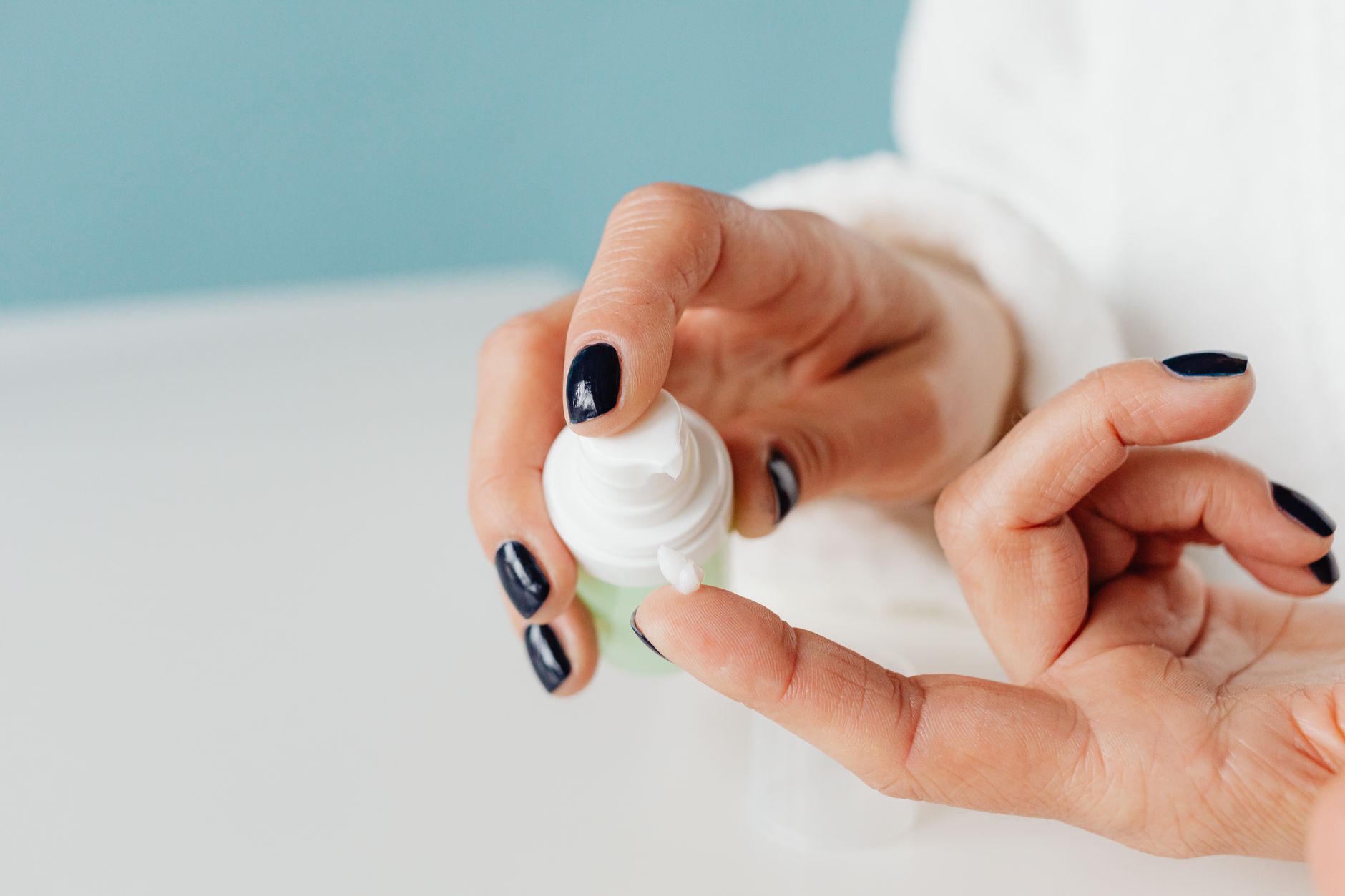
Use only enough product to cover the affected area with a light film.
Gently massage the medication into clean skin using upward motions.
Allow the clindamycin to absorb for 10-15 minutes before applying moisturizer or makeup.
Apply clindamycin twice daily—once in the morning and once at night. A pea-sized amount covers most faces adequately. Using more product won't speed up results and may cause unnecessary dryness.
Avoid these common mistakes that slow progress: applying to wet skin, using too much product, or skipping doses. For example, applying clindamycin gel over damp skin dilutes the medication and reduces its effectiveness. Consistency matters more than quantity—regular daily use prevents the bacterial resistance that leads to persistent breakouts and potential scarring.
Your skin may feel slightly dry during the first week. This normal adjustment period passes as your skin adapts to the treatment.
What to Expect: Results and Timeline

Most patients notice their first signs of improvement within 6 to 8 weeks of consistent daily use. Your skin may initially feel drier or experience mild irritation as it adjusts to the medication. This reaction typically resolves within the first two weeks.
Full results typically appear after 12 to 16 weeks of treatment. You'll see fewer new breakouts forming and existing blemishes healing faster. The improvement happens gradually, so taking progress photos helps track changes.
Contact your dermatologist if you experience severe burning, peeling, or if your acne worsens after 8 weeks. While clindamycin works effectively for many people, your doctor may need to adjust your treatment plan or add complementary therapies to achieve the clear skin you're working toward.
Side Effects and Precautions
While clindamycin gel and lotion are generally well-tolerated, being aware of potential side effects helps you use them safely and effectively.
Most people experience mild skin reactions during the first few weeks. Dryness, peeling, and slight irritation are normal as your skin adjusts. These effects typically decrease as treatment continues. Applying a gentle moisturizer can help manage dryness without interfering with the medication's effectiveness.
Watch for serious reactions including severe burning, blistering, or widespread rash. These require immediate medical attention. Contact your dermatologist if symptoms worsen rather than improve after two weeks.
Inform your doctor about all medications you're taking. Clindamycin can interact with certain muscle relaxants and blood thinners. Pregnant and breastfeeding women should discuss potential risks with their healthcare provider before starting treatment.
Monitor your skin closely during the first month and contact your dermatologist immediately if you experience severe burning or widespread irritation.
Frequently Asked Questions
What is clindamycin gel and lotion used for?
Clindamycin is a prescription topical antibiotic specifically designed to fight the bacteria that cause acne breakouts. It targets Propionibacterium acnes, the primary culprit behind inflammatory acne that can lead to painful bumps, pustules, and potentially permanent scarring. Your dermatologist prescribes clindamycin when over-the-counter treatments haven't provided sufficient results.
How long does clindamycin take to work for acne?
Most patients begin seeing improvements within 6-8 weeks of consistent application. Initial improvements appear within 6-8 weeks, with maximum benefits appearing after 12 weeks of consistent use. The timeline requires patience, but consistent use helps prevent both active breakouts and the scarring that causes lasting skin concerns.
How does clindamycin work to treat acne?
Clindamycin fights acne through two primary mechanisms that address the root causes of breakouts. First, it targets Propionibacterium acnes bacteria by inhibiting bacterial protein synthesis, effectively reducing the bacterial population on your skin. Second, clindamycin possesses anti-inflammatory properties that help calm existing breakouts and prevent the intense redness and swelling that can lead to permanent scarring.
What's the difference between clindamycin gel and lotion?
Clindamycin gel works perfectly for oily or combination skin as it contains minimal oils and dries quickly without leaving residue. The gel base is typically alcohol-based, which helps cut through excess sebum and prevents your skin from feeling greasy. Clindamycin lotion suits dry or sensitive skin types better because the creamy base contains moisturizing ingredients that prevent the tight, flaky feeling some people experience with stronger formulations.
Can clindamycin be combined with other acne treatments?
Dermatologists frequently combine clindamycin with benzoyl peroxide or tretinoin because bacteria can develop resistance to antibiotics alone. For example, Duac combines clindamycin with benzoyl peroxide to prevent bacterial resistance while enhancing effectiveness. These combinations help prevent both active breakouts and the scarring that causes lasting skin concerns.
Disclaimer: This content is for informational purposes only and does not constitute medical advice. Always consult a qualified healthcare provider before making health decisions.