What Are Combination Topical Antibiotic Products

Combination topical antibiotic products contain two or more active ingredients working together to treat acne more effectively than single-ingredient treatments. These formulations pair antibiotics like clindamycin or erythromycin with other acne-fighting compounds to target multiple causes of breakouts simultaneously.
The most common combinations include antibiotic-benzoyl peroxide pairs such as Benzaclin (clindamycin and benzoyl peroxide) and antibiotic-retinoid combinations like Epiduo Forte (adapalene and benzoyl peroxide with antibiotic properties). Some products even combine three ingredients to create more comprehensive treatment approaches.
"Combination products work smarter, not harder, by addressing inflammation, bacteria, and clogged pores all at once."
Unlike single-ingredient treatments that target only one aspect of acne, combination products attack the problem from multiple angles. While a standalone antibiotic gel might only reduce bacteria, a combination product simultaneously kills bacteria, unclogs pores, and reduces inflammation. This multi-pronged approach often leads to faster results and helps prevent the antibiotic resistance that can develop with single-antibiotic use.
For those worried about permanent scarring, combination products offer hope by treating active breakouts more aggressively while preventing new ones from forming. This comprehensive approach helps minimize the inflammation that can lead to lasting skin damage.
How Combination Products Work
Combination antibiotic products work by attacking acne from multiple angles simultaneously, creating what dermatologists call a synergistic effect. When two different antibiotics combine, they target various bacterial strains and resistance mechanisms that single ingredients might miss.
“Two antibiotics working together can overcome bacterial resistance more effectively than either ingredient alone.”
Take polymyxin B and neomycin, a common pairing in topical treatments. Polymyxin B disrupts bacterial cell membranes, while neomycin interferes with protein synthesis inside the bacteria. This dual attack makes it much harder for acne-causing bacteria to survive or develop resistance.
The enhanced effectiveness addresses your concern about preventing scarring by stopping breakouts faster. Studies show combination products often clear infections 20-30% more quickly than single-ingredient alternatives. This speed matters because prolonged inflammation increases scarring risk.
Multiple pathways also mean broader protection. While one antibiotic handles the primary bacterial infection, the second ingredient prevents secondary bacterial overgrowth that can complicate healing. This comprehensive approach reduces the likelihood of treatment failure that might require stronger medications later.
The science translates to real benefits: fewer treatment cycles, reduced antibiotic resistance development, and faster resolution of active breakouts. For patients worried about permanent skin damage, combination products offer a more aggressive initial approach that can prevent the deep inflammation that leads to lasting scars.
Common Types of Combination Antibiotic Products

Understanding the different types of combination antibiotic products helps you choose the right treatment for your specific skin concerns. These products fall into several distinct categories, each designed to target acne through different mechanisms.
Antibiotic plus benzoyl peroxide combinations represent the most common type. Popular options include clindamycin-benzoyl peroxide (BenzaClin, Duac) and erythromycin-benzoyl peroxide (Benzamycin). These products excel at treating inflammatory acne while preventing antibiotic resistance. The benzoyl peroxide kills bacteria through oxidation while the antibiotic reduces inflammation.
Antibiotic plus retinoid combinations offer a different approach. Products like tretinoin-clindamycin (Ziana) and adapalene-clindamycin target both active breakouts and comedone formation. These combinations work particularly well for patients with mixed acne types who experience both blackheads and inflamed pimples.
Brand name products often provide better stability and consistent dosing compared to pharmacy-compounded alternatives. However, generic versions like clindamycin-benzoyl peroxide gel offer significant cost savings while maintaining effectiveness.
Different combinations target specific skin conditions. Benzoyl peroxide combinations work best for moderate inflammatory acne, especially when bacterial overgrowth is suspected. Retinoid combinations prove more effective for comedonal acne and patients concerned about scarring, as retinoids promote cell turnover and prevent pore blockages that can lead to permanent marks.
Your dermatologist will consider your acne type, skin sensitivity, and treatment history when selecting the most appropriate combination product for your situation.
Who Should Use Combination Products
Combination antibiotic products work best for people dealing with moderate to severe acne that hasn't improved with gentler treatments. If you've been using a single acne medication for 6-8 weeks without seeing significant improvement, your dermatologist might recommend upgrading to a combination product that targets multiple causes of acne simultaneously.
These products particularly benefit patients with inflammatory acne featuring red, swollen pimples alongside blackheads and whiteheads. People with oily skin types often see excellent results because combination formulas can address both excess oil production and bacterial overgrowth that fuel persistent breakouts.
You might be a good candidate if you're dealing with acne on multiple areas of your face or body, or if you're concerned about scarring from persistent breakouts. However, combination products aren't right for everyone. People with very sensitive skin should start with gentler single-ingredient treatments first, as combinations can cause more irritation initially.
Your dermatologist can help determine if combination therapy matches your specific acne type and skin tolerance level.
Application Guidelines and Best Practices
Proper application technique makes the difference between clear skin and prolonged breakouts. Following these guidelines helps you avoid the scarring and setbacks that worry many patients starting combination antibiotic therapy.
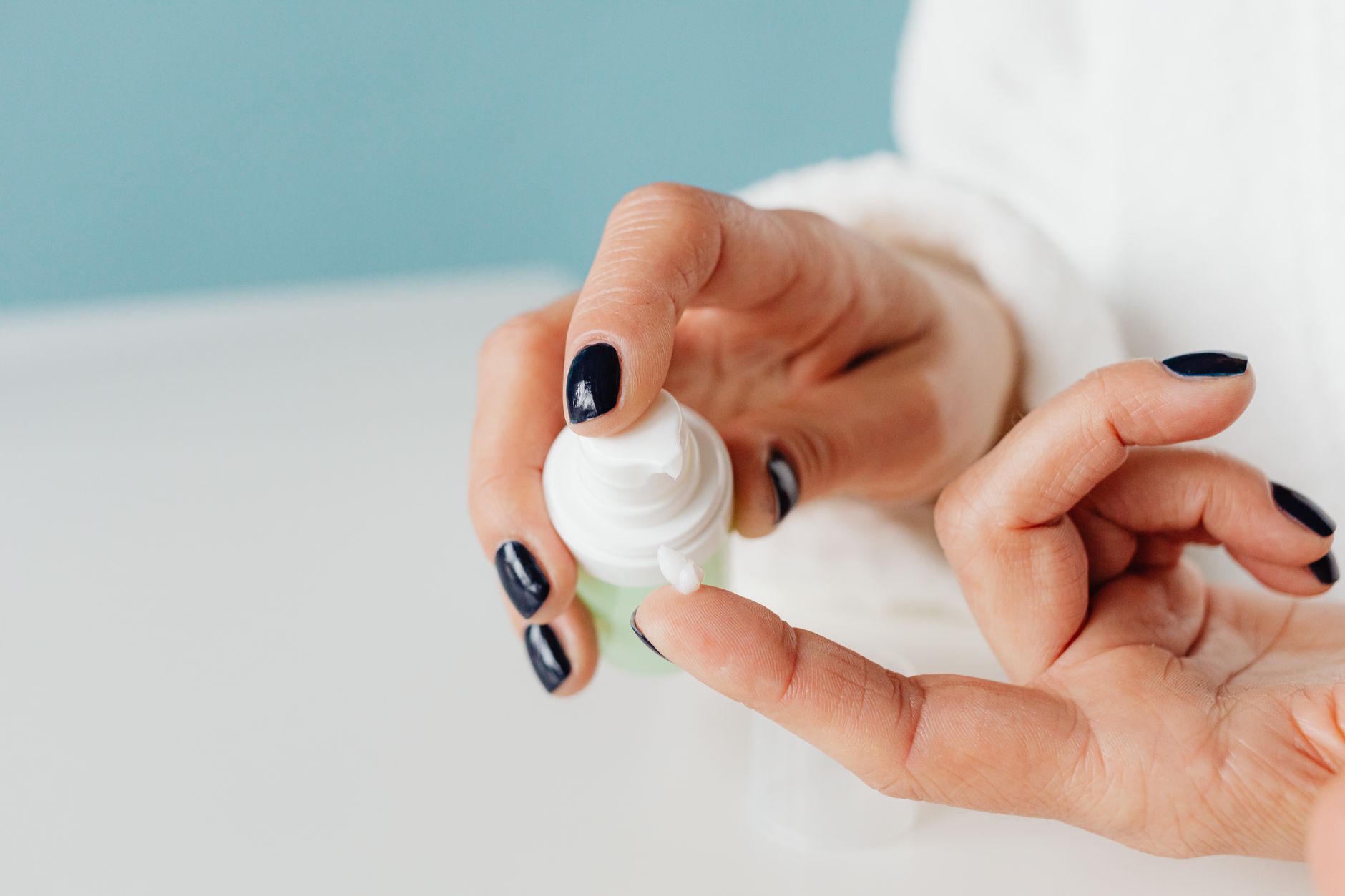
Wash with a gentle, fragrance-free cleanser and pat dry completely before applying medication.
Use just enough product to cover the affected area without rubbing vigorously or creating thick patches.
Allow the medication to absorb for 10-15 minutes before applying any additional skincare products.
Start with once-daily application, typically in the evening, to minimize sun sensitivity. Your skin needs time to adjust, so resist the urge to apply more frequently thinking it will work faster. This approach actually increases irritation without improving results.
Common mistakes that slow progress include applying to wet skin, using too much product, and layering multiple acne treatments simultaneously. For example, combining benzoyl peroxide gel with retinoids or salicylic acid often causes excessive dryness and peeling.
Skip makeup and heavy moisturizers during the first week unless your dermatologist recommends otherwise. Your skin may feel tight or slightly irritated initially, but severe burning, blistering, or widespread redness signals you should contact your provider immediately. Consistency matters more than intensity – gentle daily use produces better long-term results than aggressive application that forces treatment breaks.
Potential Side Effects and Precautions
Combination antibiotic products can cause more side effects than single-ingredient treatments because you're exposing your skin to multiple active compounds simultaneously. Common reactions include redness, burning, itching, and excessive dryness that can actually worsen acne by triggering increased oil production.
The risk of irritation increases significantly with combination products, especially during the first few weeks of use. Your skin needs time to adjust to multiple ingredients working together. Some people experience contact dermatitis, where the skin becomes inflamed and develops a rash-like appearance.
Stop using the product immediately if you develop severe burning, blistering, or swelling. While permanent scarring from topical antibiotics is rare, continuing to use a product that severely irritates your skin can lead to post-inflammatory hyperpigmentation that takes months to fade.
Some combinations interact with other medications or skincare products. Avoid using retinoids, alpha hydroxy acids, or vitamin C serums simultaneously, as these can amplify irritation and reduce antibiotic effectiveness.
Combining with Other Treatments

Combination antibiotic products work well alongside many skincare treatments, but timing and compatibility matter. Your dermatologist can create a comprehensive plan that maximizes benefits while preventing irritation or scarring.
Compatible skincare ingredients include gentle moisturizers, ceramide-based products, and basic sunscreens. Hyaluronic acid serums help maintain hydration without interfering with antibiotic effectiveness. Avoid layering with harsh actives like salicylic acid or benzoyl peroxide initially, as this increases irritation risk.
Professional treatments like Chemical Peels complement combination antibiotics effectively. Chemical Peels use acid treatments that remove damaged skin layers to improve texture and appearance through controlled chemical exfoliation. These work well for acne scars, fine lines, and uneven skin tone. However, discontinue topical antibiotics one week before chemical peels to prevent excessive sensitivity.
Apply antibiotic treatment first, then moisturizer and sunscreen.
Schedule procedures during antibiotic breaks when possible.
Space treatments appropriately. Allow two weeks between professional procedures and resuming topical antibiotics. This prevents over-treating your skin while maintaining steady progress toward clear, healthy skin.
When to Expect Results and Next Steps
Most people notice initial improvements within 2-3 weeks of starting combination antibiotic treatment, though significant changes typically take 6-8 weeks. Your skin may look worse initially as bacteria die off and inflammation peaks before settling.
Signs your treatment is working include fewer new breakouts, reduced redness around existing spots, and less painful bumps. Even if progress feels slow, these changes indicate your skin is responding positively and won't leave permanent scarring.
Schedule a follow-up appointment with your dermatologist after 8-12 weeks to assess progress. They'll determine whether to continue your current regimen, adjust dosages, or transition to maintenance therapy. Don't stop treatment early even if your skin clears completely.
Maintenance therapy usually involves topical treatments without oral antibiotics to prevent resistance. Your dermatologist might recommend retinoids, benzoyl peroxide, or other non-antibiotic options to maintain clear skin long-term.
Give combination antibiotic treatment at least 8 weeks before judging effectiveness, and always follow your dermatologist's guidance for transitioning to maintenance therapy.
Frequently Asked Questions
What are combination topical antibiotic products for acne?
Combination topical antibiotic products contain two or more active ingredients working together to treat acne more effectively than single-ingredient treatments. These formulations pair antibiotics like clindamycin or erythromycin with other acne-fighting compounds such as benzoyl peroxide or retinoids. Unlike single-ingredient treatments that target only one aspect of acne, combination products attack the problem from multiple angles by simultaneously killing bacteria, unclogging pores, and reducing inflammation.
How do combination antibiotic products work better than single antibiotics?
Combination antibiotic products work by attacking acne from multiple angles simultaneously, creating what dermatologists call a synergistic effect. When two different antibiotics combine, they target various bacterial strains and resistance mechanisms that single ingredients might miss. For example, one antibiotic might disrupt bacterial cell membranes while another interferes with protein synthesis inside the bacteria, making it much harder for acne-causing bacteria to survive or develop resistance.
Do combination antibiotic products work faster than single ingredient treatments?
Yes, studies show combination products often clear infections 20-30% more quickly than single-ingredient alternatives. This faster treatment speed is important because prolonged inflammation increases the risk of permanent scarring. The multi-pronged approach leads to faster results and helps prevent the antibiotic resistance that can develop with single-antibiotic use.
Can combination topical antibiotics help prevent acne scarring?
Yes, combination products offer hope for preventing permanent scarring by treating active breakouts more aggressively while preventing new ones from forming. This comprehensive approach helps minimize the inflammation that can lead to lasting skin damage. The faster resolution of breakouts reduces the likelihood of deep inflammation that causes permanent scars.
Disclaimer: This content is for informational purposes only and does not constitute medical advice. Always consult a qualified healthcare provider before making health decisions.