What is Erythromycin Topical Solution?

Erythromycin topical solution is a prescription antibiotic medication designed specifically to treat bacterial skin conditions. Unlike oral antibiotics that circulate through your entire body, this medication works directly on your skin's surface where it's applied, targeting the bacteria that contribute to acne and other skin infections.
The medication comes in two main forms: a gel formulation and a liquid solution. Both contain the same active ingredient—erythromycin—but the gel version tends to be less drying and may feel more comfortable for people with sensitive skin. Your dermatologist will determine which form works best for your specific skin type and condition.
“Erythromycin topical solution targets acne-causing bacteria directly at the source, helping prevent the inflammatory lesions that can lead to scarring.”
Doctors primarily prescribe erythromycin topical solution to treat acne vulgaris, the common form of acne that affects millions of people. The medication also effectively treats other bacterial skin infections, including folliculitis and minor skin wounds that have become infected.
Since this is a prescription-only medication, you'll need to see a healthcare provider or dermatologist to obtain it. They'll evaluate your skin condition and medical history to ensure erythromycin is the right treatment choice for achieving the clear skin you're seeking.
How Erythromycin Works on Your Skin

Erythromycin works like a targeted defense system against the bacteria causing your acne breakouts. This antibiotic specifically attacks Propionibacterium acnes, the main culprit behind inflamed pimples and cysts that can lead to scarring.
“Erythromycin disrupts bacterial protein production, essentially starving acne-causing bacteria until they die off.”
The medication operates through two primary mechanisms. First, it penetrates your pores and interferes with bacterial protein synthesis, preventing these organisms from multiplying and spreading. Second, erythromycin reduces the inflammatory response that creates those red, painful bumps you see in the mirror.
Think of it as clearing out a crowded room. The antibiotic removes existing bacteria while creating an environment where new bacteria struggle to establish themselves. This dual action helps prevent fresh breakouts while treating current ones.
Most patients notice initial improvements within 6-8 weeks of consistent use. However, significant results typically appear after 10-12 weeks of regular application. Your skin needs time to cycle through its natural renewal process while the medication builds up its protective effects against future bacterial invasions.
Step-by-Step Application Guide
Proper application technique makes the difference between clear skin and persistent breakouts. Following these steps correctly helps prevent the scarring and prolonged acne that many people fear.
Wash your face with a gentle, non-comedogenic cleanser and pat dry with a clean towel.
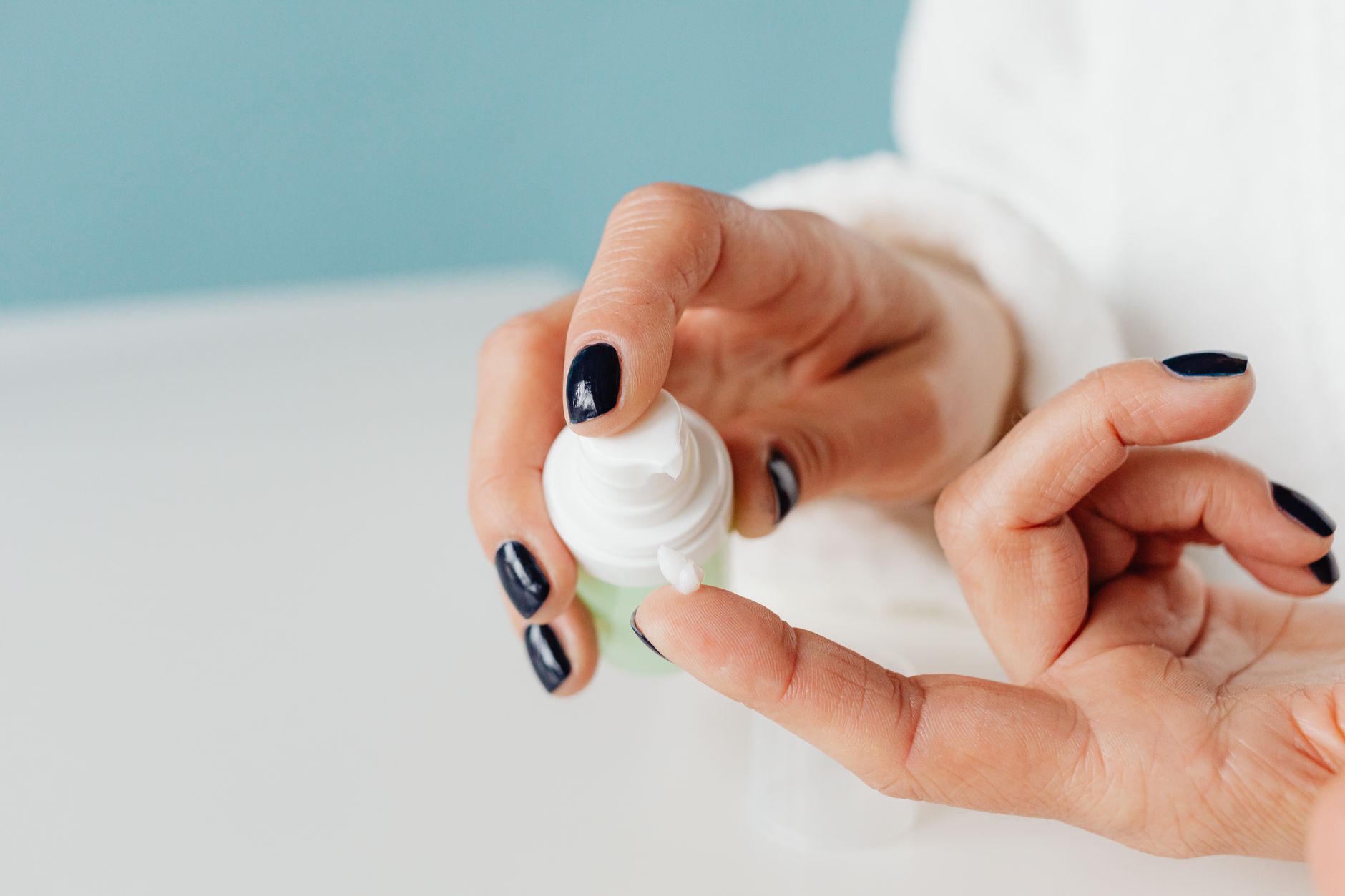
Use just enough solution to create a light film over the affected area—about the size of a pea for your entire face.
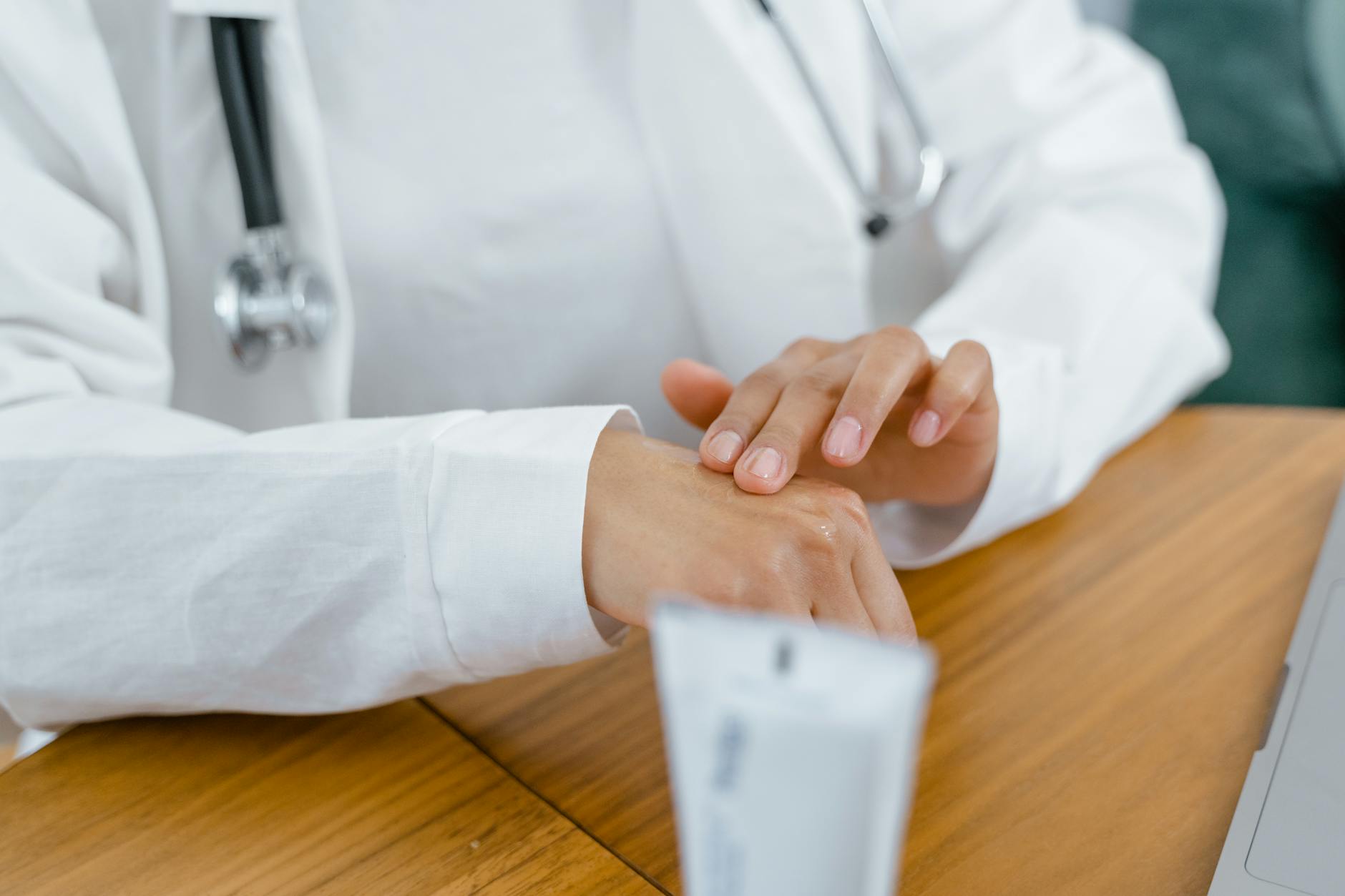
Gently rub the solution into your skin using clean fingertips until it absorbs completely.
Apply twice daily, morning and evening, allowing your skin to dry completely before applying other products.
Most people apply erythromycin solution incorrectly by using too much product. Excess solution doesn't speed up results and often causes unnecessary dryness or irritation. Your skin should feel slightly tight after application but not burning or stinging.
Wait at least 10 minutes before applying moisturizer or sunscreen. This gives the erythromycin time to penetrate your skin properly. For example, if you apply the solution at 7 AM, you can safely apply sunscreen at 7:10 AM.
Avoid common mistakes like applying to wet skin, mixing with other acne treatments immediately, or skipping applications when your skin looks better. Consistency prevents bacteria from building resistance to the antibiotic.
What to Expect During Treatment
Your skin needs time to adjust when starting erythromycin topical treatment. The first two weeks often bring mild irritation, including slight redness, dryness, or temporary increased breakouts. This reaction is normal as your skin adapts to the medication.
Most patients notice the first signs of improvement around week 4-6. Your breakouts should become less frequent and less inflamed. Existing blemishes heal faster, and new ones appear smaller and resolve quicker. While concerns about permanent scarring are understandable, early treatment with erythromycin helps prevent the deep inflammation that leads to lasting marks.
Watch for signs that treatment is working: reduced oil production, fewer new breakouts, and faster healing of existing spots. Some patients experience mild peeling or stinging during application, which typically subsides after the first month.
Contact your dermatologist if you develop severe burning, excessive peeling, or worsening acne after 8 weeks. These signs may indicate the need for dosage adjustment or alternative treatment approaches.
Combining with Other Treatments

Erythromycin topical solutions work well with most skincare products when used correctly. Your dermatologist can safely layer benzoyl peroxide with erythromycin, though applying them at different times prevents potential irritation. Gentle cleansers, oil-free moisturizers, and broad-spectrum sunscreens complement erythromycin without reducing its effectiveness.
Avoid combining erythromycin with harsh scrubs, alcohol-based toners, or high-concentration retinoids initially. These combinations can cause excessive dryness and irritation that might worsen acne temporarily. Start new products one at a time to identify any reactions.
Apply gentle cleanser and pat skin dry before any medications.
Let the solution absorb completely for 10-15 minutes.
Use oil-free products to prevent pore clogging.
Professional treatments like Chemical Peels can enhance erythromycin's results by removing damaged skin layers through controlled chemical exfoliation. These treatments address acne scars and uneven texture that topical antibiotics alone cannot fix. Schedule Chemical Peels during stable treatment periods, never during active breakouts, to prevent complications and achieve optimal skin improvement.
Troubleshooting Common Issues
Even with proper application, you might encounter some bumps along the way. Mild skin irritation like dryness or slight redness is normal during the first few weeks. Scale back to every other day if irritation becomes bothersome, then gradually increase frequency as your skin adjusts.
If your acne hasn't improved after 6-8 weeks of consistent use, don't panic about permanent scarring. This timeline is normal for topical antibiotics. However, lack of improvement might indicate antibiotic resistance, where bacteria have adapted to erythromycin's effects.
Signs that warrant contacting your dermatologist include severe burning or peeling, worsening breakouts after 2 months, or new types of skin reactions. Your provider might switch you to a different antibiotic or recommend combination therapy.
Some people notice their skin gets worse before it gets better – this "purging" phase typically lasts 2-4 weeks as the medication brings deeper breakouts to the surface.
Never stop treatment abruptly if you're not seeing results. Sudden discontinuation can lead to bacterial rebound, potentially making your acne worse than before you started.
Contact your healthcare provider if you experience severe irritation or see no improvement after 8 weeks of consistent use.
Frequently Asked Questions
What is erythromycin topical solution used for?
Erythromycin topical solution is a prescription antibiotic medication designed to treat bacterial skin conditions, primarily acne vulgaris. It also effectively treats other bacterial skin infections including folliculitis and minor infected skin wounds. The medication works directly on the skin's surface where it's applied, targeting bacteria that contribute to acne and other skin infections.
How does erythromycin topical solution work for acne?
Erythromycin works by specifically attacking Propionibacterium acnes, the main bacteria behind inflamed pimples and cysts. It penetrates pores and interferes with bacterial protein synthesis, preventing these organisms from multiplying and spreading. The medication also reduces the inflammatory response that creates red, painful bumps while creating an environment where new bacteria struggle to establish themselves.
How long does it take for erythromycin topical solution to work?
Most patients notice initial improvements within 6-8 weeks of consistent use. However, significant results typically appear after 10-12 weeks of regular application. Your skin needs time to cycle through its natural renewal process while the medication builds up its protective effects against future bacterial invasions.
What forms does erythromycin topical solution come in?
Erythromycin topical solution comes in two main forms: a gel formulation and a liquid solution. Both contain the same active ingredient—erythromycin—but the gel version tends to be less drying and may feel more comfortable for people with sensitive skin. Your dermatologist will determine which form works best for your specific skin type and condition.
How do you apply erythromycin topical solution properly?
First, wash your face with a gentle, non-comedogenic cleanser and pat dry with a clean towel. Apply a thin layer using just enough solution to create a light film over the affected area—about the size of a pea for your entire face. Gently rub the solution into your skin using clean fingertips until it absorbs completely.
Disclaimer: This content is for informational purposes only and does not constitute medical advice. Always consult a qualified healthcare provider before making health decisions.