Before You Apply: Essential Preparation Steps

Proper preparation prevents complications and maximizes the effectiveness of topical antibiotics. Your skin's condition before application directly impacts treatment success and helps prevent the scarring you're worried about.
“Clean preparation is the foundation of effective topical antibiotic treatment.”
Use soap and warm water for at least 20 seconds to prevent introducing new bacteria.
Use lukewarm water and mild soap, then pat completely dry with a clean towel.
Review the medication label for ingredients you're allergic to, especially if you've had antibiotic reactions before.
Apply topical antibiotics exactly as prescribed, typically once or twice daily. For example, mupirocin ointment works best when applied three times daily for up to ten days, while clindamycin gel is usually applied twice daily.
Step-by-Step Application Process

Proper application technique prevents scarring and maximizes treatment effectiveness. Follow these steps precisely to achieve clear skin without complications.
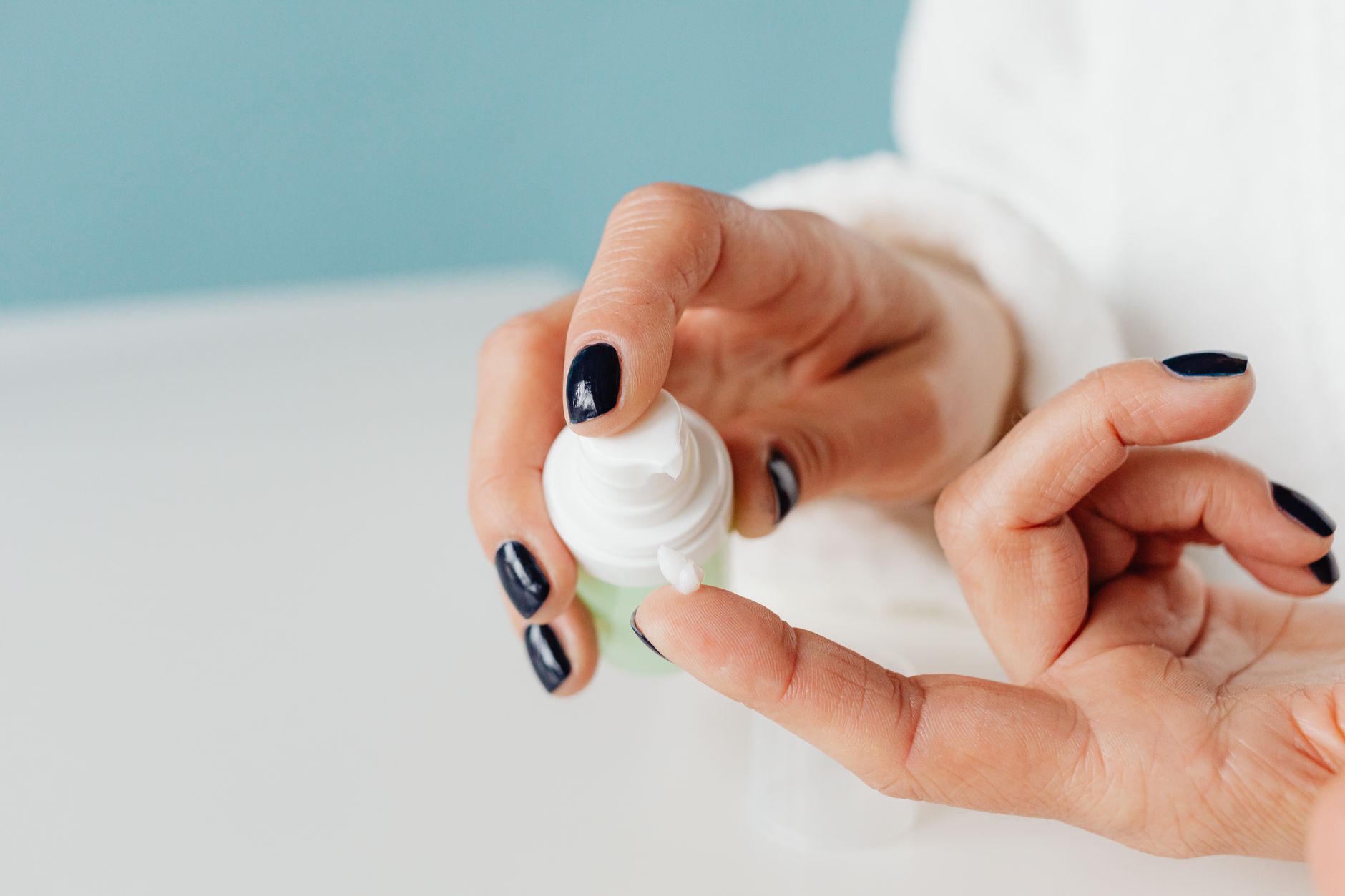
Squeeze a pea-sized amount and spread a thin layer over the affected area only.
Use clean fingertips to massage the medication into clean, completely dry skin until absorbed.
Keep topical antibiotics away from eyes, nostrils, mouth, and any broken skin.
“Less is more with topical antibiotics—over-application won't speed healing and may increase irritation.”
Apply your prescribed topical antibiotic 1-3 times daily as directed. For acne treatment, focus on your face, chest, and back where breakouts commonly occur. Allow five minutes between application and applying sunscreen or makeup to prevent diluting the medication's effectiveness.
Common Application Mistakes to Avoid
Even with proper instructions, patients frequently make errors that can delay healing or worsen their condition. Understanding these pitfalls helps you achieve clearer skin faster while avoiding unnecessary complications.
Applying too much product ranks as the most common mistake. A thin layer covers the same area as a thick glob, but excess antibiotic creates a breeding ground for bacteria and wastes medication. Think rice grain-sized amounts for fingertip areas.
Skipping doses or irregular timing disrupts the medication's effectiveness. Set phone reminders for consistent application times. Never use topical antibiotics on cold sores or athlete's foot—these require antiviral or antifungal treatments. Continuing treatment beyond the prescribed duration increases antibiotic resistance risk without additional benefits.
What to Expect and When to Follow Up

You should notice meaningful improvement in bacterial infection and inflammation within 3-7 days of consistent antibiotic use. Your skin will likely become less red and tender as the treatment takes effect. This progress helps prevent the permanent scarring that concerns many patients dealing with infected skin conditions.
Monitor your response carefully after 1-2 weeks of treatment. Discontinue the antibiotic if you see no improvement or experience increased irritation. Your dermatologist may recommend complementary treatments for ongoing concerns.
Chemical Peels can address lingering skin texture issues once the infection clears. These acid treatments remove damaged skin layers through controlled chemical exfoliation, helping improve acne scars and uneven tone that sometimes remain after successful antibiotic treatment.
Next Steps for Ongoing Care
Contact your dermatologist if redness spreads beyond the treated area, pus develops, or symptoms worsen after three days of consistent use. These signs suggest your infection may need stronger prescription treatments or different approaches.
Your doctor might recommend transitioning to oral antibiotics for severe infections or switching to retinoid treatments for acne-prone skin. Some patients benefit from combining topical antibiotics with benzoyl peroxide or adapting to maintenance routines with gentler antimicrobial products.
Prevent future infections by keeping your skin clean without over-washing, avoiding picking at blemishes, and maintaining good hygiene with shared items like towels and pillowcases. While concerns about scarring are understandable, proper treatment and avoiding manipulation significantly reduce this risk.
Consistent application and professional monitoring ensure effective treatment while preventing antibiotic resistance.
Frequently Asked Questions
How often should I apply topical antibiotics?
Apply topical antibiotics exactly as prescribed, typically 1-3 times daily. For example, mupirocin ointment works best when applied three times daily for up to ten days, while clindamycin gel is usually applied twice daily. Consistency is key - set phone reminders for regular application times to maintain effectiveness.
How much topical antibiotic should I use?
Use only a pea-sized amount and spread it in a thin layer over the affected area. Less is more with topical antibiotics - over-application won't speed healing and may increase irritation. Think rice grain-sized amounts for fingertip areas, as a thin layer covers the same area as a thick glob but is much more effective.
How do I prepare my skin before applying topical antibiotics?
First, wash your hands thoroughly with soap and warm water for at least 20 seconds. Then cleanse the affected area gently with lukewarm water and mild soap, and pat completely dry with a clean towel. Clean preparation is the foundation of effective topical antibiotic treatment and helps prevent introducing new bacteria.
What areas should I avoid when applying topical antibiotics?
Keep topical antibiotics away from eyes, nostrils, mouth, and any broken skin. For acne treatment, focus on commonly affected areas like your face, chest, and back where breakouts occur. Always apply the medication only to clean, completely dry skin in the affected areas.
How long should I wait after applying topical antibiotics before using other products?
Allow five minutes between application and applying sunscreen or makeup to prevent diluting the medication's effectiveness. Use clean fingertips to massage the medication into the skin until it's fully absorbed. This waiting period ensures the antibiotic has time to penetrate the skin properly before adding other products on top.
Disclaimer: This content is for informational purposes only and does not constitute medical advice. Always consult a qualified healthcare provider before making health decisions.