What Is Metronidazole Gel and How Does It Help Rosacea?

Metronidazole gel is a prescription topical medication specifically designed to treat rosacea symptoms like persistent redness, bumps, and inflammation. Unlike harsh treatments that can worsen sensitive rosacea-prone skin, this gel works gently through two primary mechanisms: antibiotic action that targets harmful bacteria on the skin's surface, and anti-inflammatory properties that calm the chronic irritation characteristic of rosacea.
“Metronidazole gel targets both the bacterial overgrowth and inflammation that drive rosacea symptoms.”
The FDA approved metronidazole gel for rosacea treatment because clinical studies demonstrated its effectiveness in reducing papules, pustules, and overall facial redness. This approval means the medication has undergone rigorous testing to prove both safety and efficacy for rosacea patients.
One key advantage of topical metronidazole over oral antibiotics is its targeted approach. While oral antibiotics circulate throughout your entire body and can disrupt gut bacteria, the gel works directly on affected facial skin. This localized treatment reduces the risk of systemic side effects like digestive upset or antibiotic resistance.
For many patients concerned about permanent scarring or social embarrassment from rosacea flare-ups, metronidazole gel offers hope for clearer skin without the harsh effects of stronger medications. The gel's gentle formulation makes it suitable for long-term use, which is often necessary since rosacea is a chronic condition requiring ongoing management rather than a quick cure.
Getting Started: Your First Prescription and What to Expect
Getting metronidazole gel starts with a visit to your dermatologist or primary care doctor. While you might worry about permanent scarring from rosacea, seeking professional help early gives you the best chance of controlling symptoms before they worsen. Your doctor will examine your skin, review your medical history, and confirm that you have rosacea rather than another skin condition like acne or seborrheic dermatitis.
“Most patients see meaningful improvement within 4-6 weeks of consistent use, but the key is setting realistic expectations and sticking with the routine.”
Metronidazole gel comes in two main strengths: 0.75% and 1%. Your doctor will typically start you on the 0.75% concentration, which proves effective for most people while minimizing irritation. The gel formulation tends to be less drying than cream versions, making it suitable for sensitive rosacea-prone skin. Common brand names include MetroGel and Noritate, though generic versions work just as well and cost significantly less.
Patience becomes crucial during your first few weeks of treatment. You might notice slight improvement within 2-3 weeks, but meaningful reduction in redness and bumps usually takes 6-9 weeks of twice-daily application. Some patients see continued improvement for up to 12 weeks. During the first week, you might experience mild stinging or dryness as your skin adjusts to the medication.
For example, Sarah noticed her facial burning decreased after 3 weeks of using metronidazole gel, but her persistent red bumps didn't significantly fade until week 8. This timeline is typical, so don't get discouraged if results seem slow initially. Your dermatologist will likely schedule a follow-up appointment at 6-8 weeks to assess your progress and adjust treatment if needed.
Step-by-Step Application Guide for Best Results

Proper application technique makes the difference between seeing results and wondering why your rosacea isn't improving. Getting this right from day one prevents the frustration of delayed healing and gives you the best chance at achieving clear skin without setbacks.
Wash your face with lukewarm water and a gentle, fragrance-free cleanser, then pat completely dry with a clean towel.
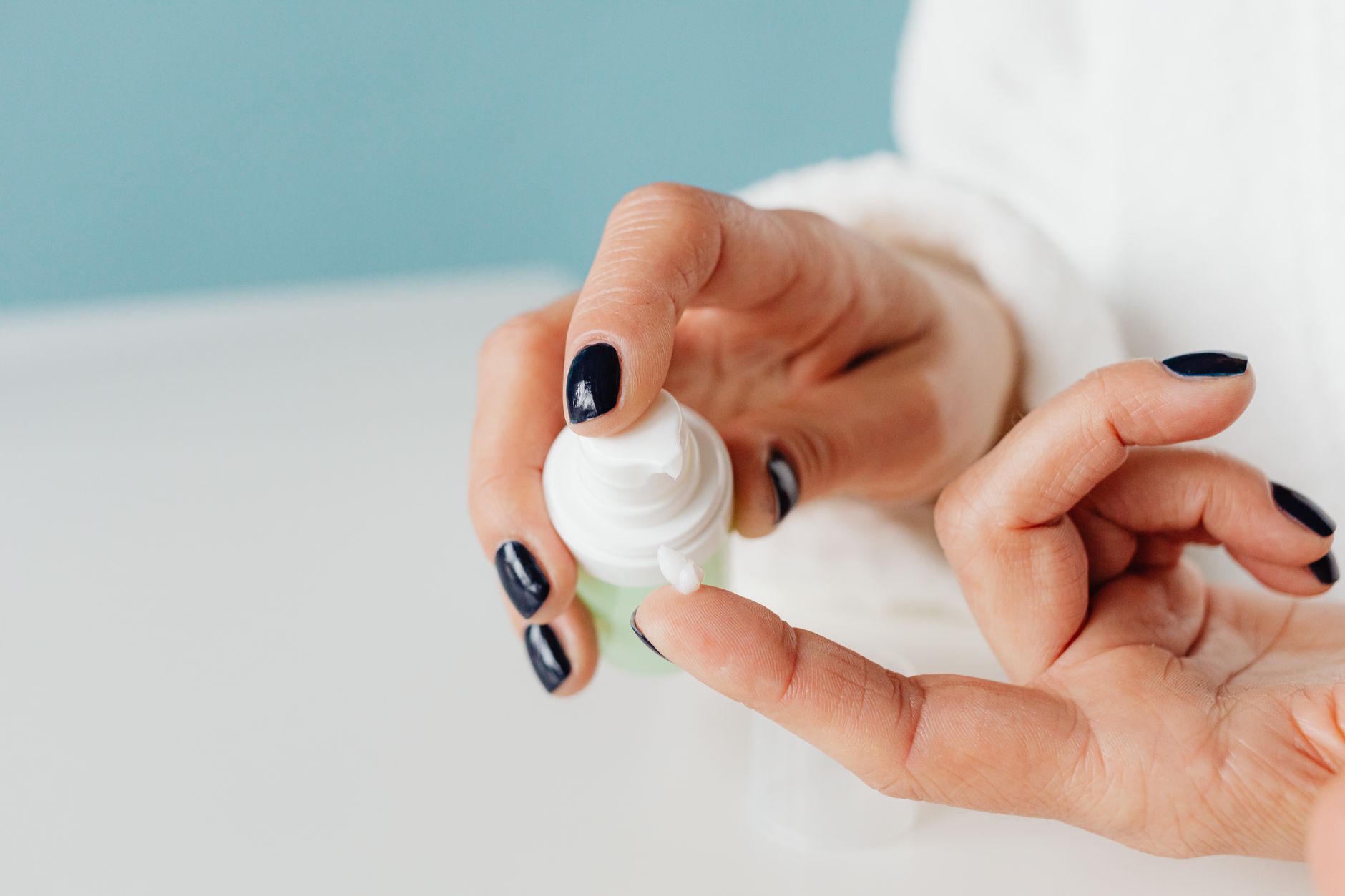
Squeeze a pea-sized amount onto your fingertip and gently spread it over the affected areas using light, upward strokes.
Wait 10-15 minutes before applying moisturizer or sunscreen to ensure the gel penetrates properly.
Remove any residual gel from your fingers to prevent accidental contact with eyes or mouth.
Apply metronidazole gel twice daily, morning and evening, unless your dermatologist specifies otherwise. Consistency matters more than timing perfection, so choose morning and evening routines you can stick with long-term.
Avoid these common mistakes that slow progress. Never apply the gel to broken or actively irritated skin, as this can worsen inflammation. Don't use more than recommended thinking it will work faster—excess gel can clog pores and cause irritation. Resist the urge to rub the gel in vigorously; gentle application prevents micro-trauma that can lead to the scarring you're working to avoid.
If you're using other topical treatments, apply metronidazole gel first, wait 10 minutes, then add your moisturizer. This layering technique ensures the medication penetrates effectively while maintaining your skin's protective barrier. Remember that visible improvement typically takes 3-9 weeks, so patience during the initial treatment period is essential for achieving the clear, calm skin you're seeking.
Managing Side Effects and When to Be Concerned
Most people tolerate metronidazole gel well, but some experience mild side effects during the first few weeks of treatment. Understanding what's normal versus concerning helps you use the medication safely while achieving clear skin.
Common mild reactions include temporary burning, stinging, or tingling when you first apply the gel. Your skin might feel slightly dry or tight, and you may notice mild redness that differs from your usual rosacea flush. These effects typically decrease as your skin adjusts to the treatment, usually within two to three weeks.
Contact your dermatologist immediately if you develop severe burning that doesn't subside, widespread skin irritation, unusual swelling, or signs of an allergic reaction like hives or difficulty breathing. While rare, some people experience worsening rosacea symptoms or develop contact dermatitis from the gel's inactive ingredients.
Minimize irritation by starting with every-other-day application for the first week, then gradually increasing to daily use. Apply the gel to completely dry skin and avoid layering other active ingredients like retinoids or acids. Use a gentle, fragrance-free moisturizer if dryness occurs, waiting at least 30 minutes after applying metronidazole.
Don't let fear of permanent scarring prevent you from seeking help if side effects worsen. Early intervention protects your skin and ensures you can continue treatment effectively. Most side effects resolve quickly with proper management or dosage adjustments.
Combining Metronidazole Gel with Other Rosacea Treatments
Metronidazole gel works best as part of a comprehensive rosacea management plan. You can safely combine it with gentle skincare routines and specific professional treatments to maximize your results without causing irritation.
Your daily skincare routine should focus on simplicity. Use a mild, fragrance-free cleanser in the morning, apply metronidazole gel as prescribed, then follow with a broad-spectrum sunscreen with at least SPF 30. Evening routines can include gentle moisturizers with ingredients like niacinamide or ceramides, which help strengthen your skin barrier without conflicting with the medication.
Cleanse gently, apply metronidazole gel, then sunscreen after the gel absorbs completely.
Use a mild cleanser and follow with a barrier-repairing moisturizer 30 minutes after gel application.
Professional treatments can complement your metronidazole therapy effectively. Laser treatments like IPL (Intense Pulsed Light) target visible blood vessels and persistent redness. Chemical Peels using gentle acids can improve skin texture and reduce inflammation when performed by experienced dermatologists who understand rosacea-prone skin.
Avoid harsh scrubs, alcohol-based toners, and strong retinoids during treatment, as these can worsen rosacea symptoms and counteract your progress. Skip products with menthol, eucalyptus, or high concentrations of alpha-hydroxy acids, which can trigger flare-ups.
Remember that building an effective routine takes patience. Your skin needs time to adjust to treatments without the fear of permanent damage when you follow professional guidance and avoid known irritants.
Tracking Progress and Long-term Management

Measuring your rosacea improvement requires patience and careful observation. Take photos of your skin in the same lighting conditions every two weeks to document changes that might be too gradual to notice day-to-day. Look for reduced redness, fewer bumps, and less burning or stinging sensations. Most patients see initial improvements within 3-4 weeks of consistent metronidazole gel use.
Schedule follow-up appointments with your dermatologist at 6-8 weeks and again at 12 weeks. Your doctor will assess whether the current treatment plan is working or if adjustments are needed. Don't worry about permanent scarring - when caught early and treated properly, rosacea rarely causes lasting skin damage.
Long-term maintenance is crucial for preventing flare-ups. Many patients continue using metronidazole gel 2-3 times per week after initial improvement to maintain clear skin. Your dermatologist might recommend this maintenance approach, especially if you have moderate to severe rosacea.
For example, Sarah continued using her metronidazole gel twice weekly after her 12-week treatment course and remained flare-free for over a year. This maintenance strategy helps you achieve your goal of preventing future breakouts while keeping your skin consistently clear and comfortable.
Cost, Insurance, and Treatment Alternatives
Metronidazole gel typically costs $30-80 for generic versions and $100-150 for brand names without insurance. Most insurance plans cover generic metronidazole gel with prior authorization, bringing your copay down to $10-25. Brand name versions like MetroGel may require higher copays or step therapy requirements.
Generic metronidazole works identically to brand versions at a fraction of the cost. Ask your pharmacist about generic options if your doctor prescribes a brand name.
When metronidazole isn't effective after 12 weeks, dermatologists often switch to azelaic acid gel, topical antibiotics like clindamycin, or oral medications. Severe rosacea with persistent bumps may need combination therapy or laser treatments. Remember that finding the right treatment prevents permanent changes to your skin texture and appearance.
Start with generic metronidazole gel for cost-effective rosacea treatment, but don't hesitate to explore alternatives if you don't see improvement after three months.
Frequently Asked Questions
What is metronidazole gel and how does it work for rosacea?
Metronidazole gel is a prescription topical medication specifically designed to treat rosacea symptoms like persistent redness, bumps, and inflammation. It works through two primary mechanisms: antibiotic action that targets harmful bacteria on the skin's surface, and anti-inflammatory properties that calm the chronic irritation characteristic of rosacea. The FDA approved this medication after clinical studies demonstrated its effectiveness in reducing papules, pustules, and overall facial redness.
How long does it take to see results from metronidazole gel?
Most patients see meaningful improvement within 4-6 weeks of consistent use, though you might notice slight improvement within 2-3 weeks. Meaningful reduction in redness and bumps usually takes 6-9 weeks of twice-daily application, with some patients seeing continued improvement for up to 12 weeks. The key is setting realistic expectations and sticking with the routine consistently.
What strength of metronidazole gel should I use?
Metronidazole gel comes in two main strengths: 0.75% and 1%. Your doctor will typically start you on the 0.75% concentration, which proves effective for most people while minimizing irritation. The gel formulation tends to be less drying than cream versions, making it suitable for sensitive rosacea-prone skin.
Is metronidazole gel better than oral antibiotics for rosacea?
One key advantage of topical metronidazole over oral antibiotics is its targeted approach. While oral antibiotics circulate throughout your entire body and can disrupt gut bacteria, the gel works directly on affected facial skin. This localized treatment reduces the risk of systemic side effects like digestive upset or antibiotic resistance.
Do I need a prescription to get metronidazole gel?
Yes, getting metronidazole gel requires a visit to your dermatologist or primary care doctor for a prescription. Your doctor will examine your skin, review your medical history, and confirm that you have rosacea rather than another skin condition like acne or seborrheic dermatitis. Common brand names include MetroGel and Noritate, though generic versions work just as well and cost significantly less.
Disclaimer: This content is for informational purposes only and does not constitute medical advice. Always consult a qualified healthcare provider before making health decisions.