What is Mupirocin Ointment

Mupirocin ointment is a prescription topical antibiotic specifically designed to fight bacterial skin infections. It works by blocking bacteria's ability to produce essential proteins, effectively stopping their growth and reproduction. This targeted mechanism makes it particularly effective against common skin bacteria like Staphylococcus aureus and Streptococcus pyogenes.
“Mupirocin targets bacterial protein synthesis, making it uniquely effective against antibiotic-resistant strains.”
You'll find mupirocin available under the brand name Bactroban, though generic versions offer the same active ingredient at lower costs. Unlike broader antibiotics that can disrupt your skin's natural bacterial balance, mupirocin specifically targets harmful bacteria while preserving beneficial skin flora. This selective action reduces the risk of secondary infections and helps prevent the scarring that concerns many patients with bacterial skin conditions.
Conditions Mupirocin Treats

Mupirocin effectively targets several common bacterial skin infections that can cause both discomfort and visible marks on your skin. The ointment works particularly well against staphylococcus and streptococcus bacteria, which are responsible for most superficial skin infections.
“Mupirocin stops bacterial growth within hours, helping prevent the spread of infection to surrounding healthy skin.”
Impetigo represents mupirocin's most common target. This highly contagious infection creates honey-crusted sores that typically appear around the nose and mouth. Folliculitis, which causes red bumps around hair follicles, also responds well to mupirocin treatment.
The ointment proves valuable for secondary bacterial infections in minor wounds, cuts, or scrapes. When bacteria invade broken skin, mupirocin prevents the infection from worsening and reduces scarring risk.
Seek professional treatment if infections spread rapidly, develop red streaking, or don't improve within three days of starting treatment.
How to Apply Mupirocin Correctly
Proper application technique ensures mupirocin works effectively and helps prevent complications that could worsen your skin condition. Following these steps carefully maximizes your chances of clearing the infection quickly.
Use soap and warm water for at least 20 seconds before touching the affected area.
Use mild soap and pat dry with a clean towel to remove bacteria and debris.
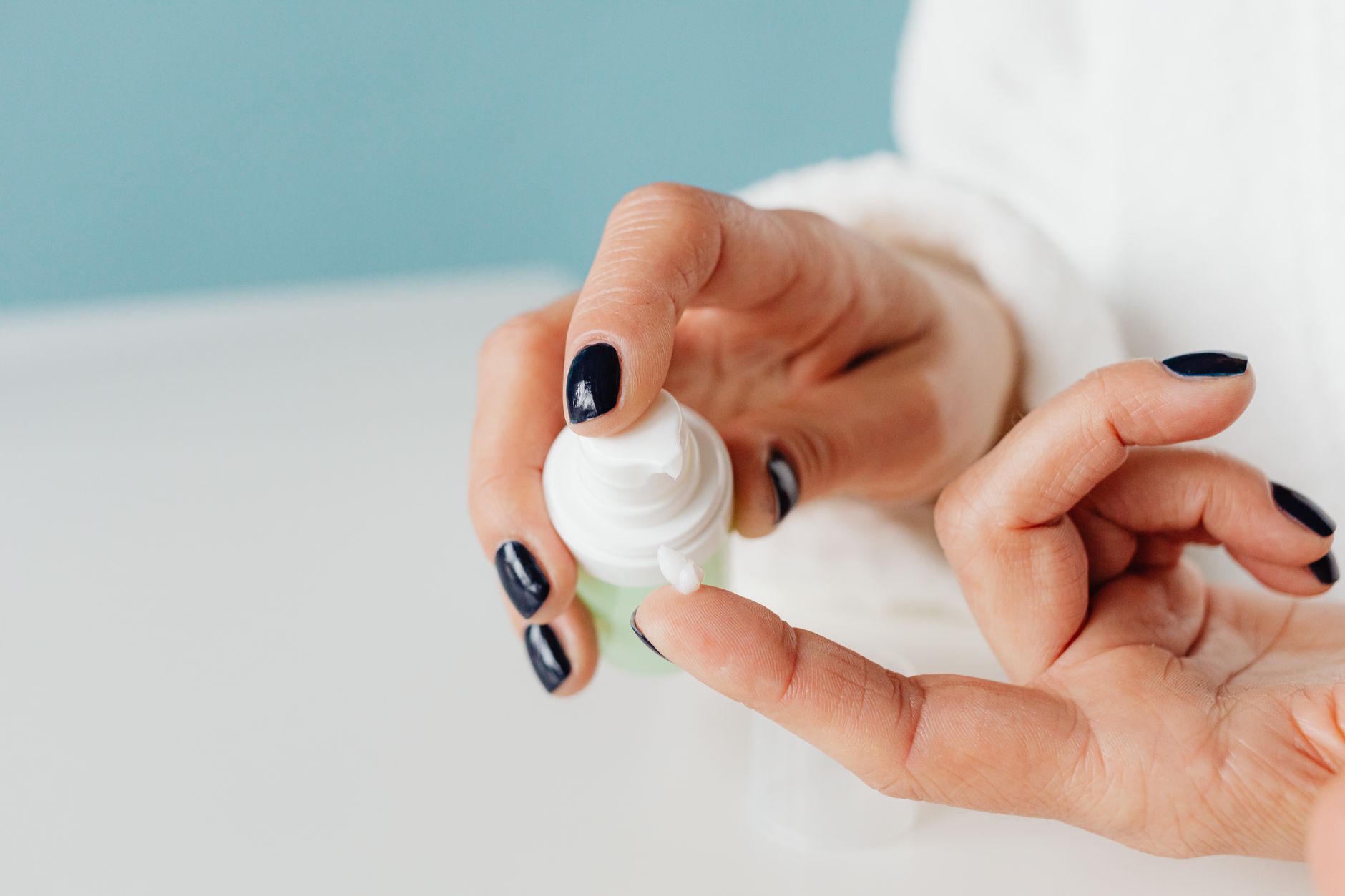
Squeeze out a small amount and spread evenly over the entire affected area.
Clean your hands immediately after application to prevent spreading bacteria.
Apply mupirocin three times daily for five to ten days as prescribed. Using too much ointment won't speed healing and may cause skin irritation.
Expected Results and Timeline
Most patients notice initial improvement within 24 to 48 hours of starting mupirocin treatment. The infected area typically becomes less red and painful during this early period. Complete healing usually occurs within 3 to 5 days for minor infections like small cuts or scrapes.
Signs your treatment is working include reduced swelling, decreased discharge, and formation of healthy new skin. The risk of permanent scarring decreases significantly when infections clear quickly with proper antibiotic treatment.
Contact your healthcare provider if you see no improvement after 3 days or if symptoms worsen during treatment.
Side Effects and Precautions

Most people tolerate mupirocin ointment well, but mild side effects can occur. Common reactions include temporary stinging, burning, or itching at the application site. Some patients experience mild skin dryness or redness that typically resolves within a few days.
Watch for allergic reaction signs including severe redness, swelling, blistering, or persistent irritation. Stop using mupirocin immediately if these symptoms develop. Patients with kidney problems should use mupirocin cautiously, as prolonged use may affect kidney function.
Avoid combining mupirocin with other topical treatments without medical approval. If you're planning procedures like Chemical Peels, inform your dermatologist about current mupirocin use, as active skin infections contraindicate such treatments.
When to See a Dermatologist
Contact a dermatologist immediately if your infection spreads beyond the original area or shows red streaking. Recurring bacterial skin infections suggest underlying issues that require professional evaluation to prevent permanent scarring.
Watch for signs of antibiotic resistance, including worsening symptoms after 72 hours of mupirocin treatment or new pustules forming during therapy. Dermatologists can prescribe stronger antibiotics or combination treatments when first-line options fail.
Professional care offers advanced treatment options including prescription-strength antibiotics, specialized wound care, and preventive strategies for chronic conditions like impetigo or folliculitis.
Seek dermatological care if infections spread, recur frequently, or don't respond to mupirocin within three days.
Frequently Asked Questions
What is mupirocin ointment used for?
Mupirocin ointment is a prescription topical antibiotic designed to fight bacterial skin infections. It effectively treats conditions like impetigo, folliculitis, and secondary bacterial infections in minor wounds, cuts, or scrapes. The medication works by blocking bacteria's ability to produce essential proteins, specifically targeting harmful bacteria like Staphylococcus aureus and Streptococcus pyogenes while preserving beneficial skin flora.
How do you apply mupirocin ointment correctly?
First, wash your hands thoroughly and clean the infected area gently with mild soap, then pat dry. Apply a thin layer of mupirocin ointment evenly over the entire affected area, then wash your hands again immediately after application. The ointment should be applied three times daily for five to ten days as prescribed by your doctor.
How long does it take for mupirocin to work?
Most patients notice initial improvement within 24 to 48 hours of starting mupirocin treatment, with the infected area becoming less red and painful. Complete healing usually occurs within 3 to 5 days for minor infections like small cuts or scrapes. The medication stops bacterial growth within hours and helps prevent the spread of infection to surrounding healthy skin.
What conditions does mupirocin treat?
Mupirocin effectively treats several bacterial skin infections, with impetigo being the most common target - a highly contagious infection that creates honey-crusted sores typically around the nose and mouth. It also treats folliculitis, which causes red bumps around hair follicles, and secondary bacterial infections in minor wounds. The ointment works particularly well against staphylococcus and streptococcus bacteria responsible for most superficial skin infections.
Is mupirocin available as a generic medication?
Yes, mupirocin is available under the brand name Bactroban, but generic versions are also available that contain the same active ingredient. The generic versions offer the same effectiveness as the brand name medication but at lower costs. Unlike broader antibiotics, mupirocin specifically targets harmful bacteria while preserving beneficial skin flora, reducing the risk of secondary infections.
Disclaimer: This content is for informational purposes only and does not constitute medical advice. Always consult a qualified healthcare provider before making health decisions.