Understanding Topical Antibiotic Side Effects

When using topical antibiotics for acne or skin infections, your body can react in two distinct ways. Side effects are common, expected reactions that occur when your skin adjusts to the medication. These include mild irritation, dryness, or temporary redness at the application site. Allergic reactions, however, are your immune system's response to ingredients it perceives as threats, causing symptoms like severe swelling, widespread rash, or difficulty breathing.
“Understanding the difference between normal adjustment and dangerous reactions can prevent unnecessary worry while keeping you safe.”
Topical antibiotics cause reactions because they alter your skin's natural bacterial balance and pH levels. Your skin hosts millions of beneficial bacteria that maintain its protective barrier. When antibiotics eliminate both harmful and helpful bacteria, your skin temporarily becomes more sensitive and prone to irritation. This process is normal but can feel concerning when you're already worried about scarring or skin appearance.
For example, clindamycin gel commonly causes initial dryness and peeling as your skin adapts to the medication. This reaction typically improves within one to two weeks of consistent use.
Report any symptoms to your healthcare provider, especially if they worsen after the first week or include severe burning, blistering, or spreading redness. Documenting your reactions helps your provider adjust your treatment plan and ensures you receive the most effective care. Many side effects can be managed with simple adjustments like reducing application frequency or adding a gentle moisturizer to your routine.
Common Side Effects You Might Experience

Most people who use topical antibiotics experience at least one minor side effect during treatment. These reactions are typically temporary and signal that your skin is adjusting to the medication, not that permanent damage is occurring.
Skin irritation and redness represent the most frequent complaints. Your treated areas may appear pink or slightly inflamed, especially during the first week of use. This happens because topical antibiotics can disrupt your skin's natural barrier while they work to eliminate bacteria. The redness usually fades as your skin adapts to the treatment.
“Most topical antibiotic side effects are your skin's way of adjusting to treatment, not signs of permanent damage.”
Dryness and peeling often follow irritation. Many topical antibiotics contain alcohol or other drying agents that help the active ingredients penetrate your skin. You might notice flaky patches or a tight feeling, particularly if you have naturally dry skin. Using a gentle, fragrance-free moisturizer can help manage this effect without interfering with your treatment.
Burning or stinging sensations occur immediately after application for about 30% of users. This temporary discomfort typically lasts only a few minutes and decreases with continued use. However, if the burning persists or worsens, this could indicate sensitivity to specific ingredients.
Contact dermatitis presents as a more pronounced allergic reaction. You might develop small bumps, intense itching, or swelling around the treatment area. Unlike simple irritation, contact dermatitis often appears as a distinct pattern matching where you applied the medication. For example, if you're treating acne along your jawline, you might notice raised, itchy patches in that exact shape.
These side effects rarely lead to scarring when managed properly. Most resolve within two to four weeks as your skin builds tolerance to the medication.
Recognizing Serious Allergic Reactions
While most people tolerate topical antibiotics well, severe allergic reactions can occur and require immediate medical attention. These reactions differ significantly from the mild irritation discussed earlier and can escalate quickly.
Watch for these emergency warning signs that indicate you should stop treatment immediately and seek medical help. Widespread hives or welts that appear suddenly across your face, neck, or body signal a serious reaction. Swelling of your face, lips, tongue, or throat represents a medical emergency that can affect breathing.
Severe itching that spreads beyond the treatment area, especially when accompanied by a rash, indicates your body is rejecting the medication. Difficulty breathing, wheezing, or feeling like your throat is closing requires emergency care. Some people experience rapid heartbeat, dizziness, or feeling faint during severe reactions.
For example, if you apply mupirocin and within minutes notice your lips swelling or develop itchy bumps spreading down your neck, wash off the medication immediately and call for emergency help. Don't worry about permanent scarring from stopping treatment—severe allergic reactions pose far greater risks than temporary acne.
Contact dermatitis from antibiotics can worsen existing skin conditions and create lasting inflammation if not addressed promptly. Trust your instincts when something feels seriously wrong. Take photos of severe reactions to show healthcare providers, as symptoms can change rapidly between onset and medical evaluation.
Drug Interactions and Contraindications
Certain treatments and medical conditions can interfere with topical antibiotics or increase your risk of side effects. Understanding these interactions helps you avoid complications that could worsen your skin concerns or delay healing.
Combining topical antibiotics with other acne medications requires careful timing. Benzoyl peroxide can deactivate some antibiotics like clindamycin when applied simultaneously. Retinoids and topical antibiotics work well together but may increase initial irritation. Always apply these products at different times or as directed by your dermatologist.
Chemical Peels create an additional consideration since they remove damaged skin layers through controlled chemical exfoliation. Your skin becomes more sensitive after peels, making topical antibiotics more likely to cause irritation or allergic reactions. Most dermatologists recommend waiting one to two weeks after chemical peels before starting new topical antibiotics.
Certain health conditions increase your risk of complications. Eczema, rosacea, or compromised immune systems make allergic reactions more likely. Pregnancy requires avoiding specific antibiotics like tetracycline-based formulations. Open wounds or active infections in treatment areas also contraindicate most topical antibiotics.
Some oral medications affect how your skin responds to topical treatments. Blood thinners increase bruising risk, while immunosuppressive drugs heighten infection susceptibility. Always provide your dermatologist with a complete medication list, including supplements and over-the-counter products, to prevent dangerous interactions that could compromise your treatment goals.
Safety Tips for Using Topical Antibiotics

Following proper safety guidelines helps you get the best results while avoiding complications that could worsen your skin condition or cause scarring.
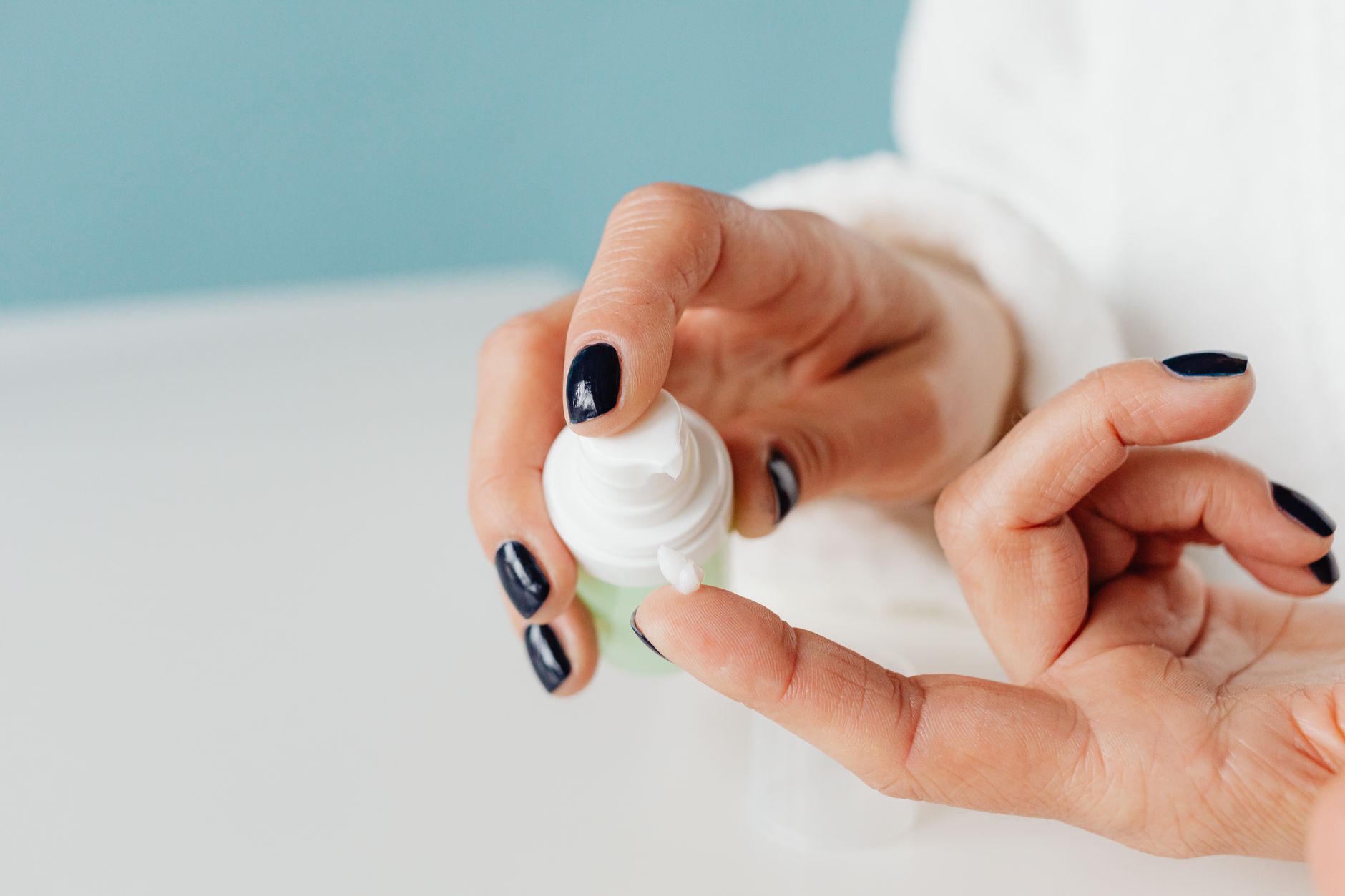
Wash your hands and gently cleanse the affected area with mild soap and water before each application.
Use only the amount needed to cover the affected area with a thin film to prevent excessive absorption.
Apply medications at the exact intervals prescribed, typically twice daily, for maximum effectiveness.
Watch for warning signs that require immediate attention. New redness, increased burning, or spreading rash could indicate an allergic reaction. Severe itching or blistering means you should stop using the medication and contact your healthcare provider right away.
Monitor your skin's response during the first week of treatment. Normal healing involves gradual improvement over several days. If your symptoms worsen after three days or show no improvement after one week, your provider may need to adjust your treatment plan.
Contact your healthcare provider immediately if you develop fever, spreading infection beyond the original area, or signs of severe allergic reaction like facial swelling or difficulty breathing. These situations require prompt medical evaluation to prevent complications.
Keep a simple log of your skin's daily appearance during treatment. Take photos if possible, as this helps your provider track progress and adjust treatment if needed. Remember that proper antibiotic use prevents resistance and gives you the best chance of clearing your skin infection completely.
Managing Side Effects When They Occur
When side effects develop from topical antibiotics, quick action prevents worsening and helps you maintain progress toward clear skin. Most reactions are mild and manageable with the right approach.
Discontinue use as soon as you notice unusual redness, burning, or swelling.
Wash the affected area with lukewarm water and a mild, fragrance-free cleanser.
Use a clean, damp cloth for 10-15 minutes to reduce inflammation and discomfort.
For mild irritation like slight redness or dryness, you may resume treatment after symptoms clear completely, but use the antibiotic less frequently. Apply every other day instead of daily, or reduce the amount you use. Many people successfully continue treatment with this modified approach.
Supportive care speeds recovery and prevents complications. Moisturize with gentle, unscented products to restore your skin barrier. Avoid other active ingredients like retinoids or acids until irritation resolves. Sun protection becomes even more critical, as irritated skin burns more easily.
For severe reactions including widespread rash, blistering, or signs that worsen despite stopping treatment, contact your healthcare provider within 24 hours. While permanent scarring from topical antibiotic reactions is extremely rare, proper management prevents this concern and gets your acne treatment back on track safely.
Stop treatment immediately at first signs of reaction, then gradually restart with reduced frequency once skin heals completely.
Frequently Asked Questions
What are common side effects of topical antibiotics?
The most common side effects include skin irritation and redness, dryness and peeling, and burning or stinging sensations immediately after application. These reactions are typically temporary and signal that your skin is adjusting to the medication. Most side effects resolve within two to four weeks as your skin builds tolerance to the treatment.
Why do topical antibiotics cause skin irritation?
Topical antibiotics cause reactions because they alter your skin's natural bacterial balance and pH levels. When antibiotics eliminate both harmful and helpful bacteria, your skin temporarily becomes more sensitive and prone to irritation. This process is normal as your skin hosts millions of beneficial bacteria that maintain its protective barrier.
How long do topical antibiotic side effects last?
Most side effects are temporary and typically improve within one to two weeks of consistent use. For example, clindamycin gel commonly causes initial dryness and peeling that usually resolves during this timeframe. Most side effects rarely lead to scarring when managed properly and resolve within two to four weeks as your skin builds tolerance.
When should I contact my doctor about topical antibiotic side effects?
You should report any symptoms to your healthcare provider, especially if they worsen after the first week or include severe burning, blistering, or spreading redness. Contact dermatitis that presents as small bumps, intense itching, or swelling around the treatment area also warrants medical attention. Documenting your reactions helps your provider adjust your treatment plan and ensures you receive the most effective care.
What's the difference between normal side effects and allergic reactions to topical antibiotics?
Side effects are common, expected reactions that occur when your skin adjusts to the medication, including mild irritation, dryness, or temporary redness. Allergic reactions are your immune system's response to ingredients it perceives as threats, causing more serious symptoms like severe swelling, widespread rash, or difficulty breathing. Understanding this difference can prevent unnecessary worry while keeping you safe.
Disclaimer: This content is for informational purposes only and does not constitute medical advice. Always consult a qualified healthcare provider before making health decisions.