Why Facial Skin Needs Special Steroid Considerations

Your facial skin is remarkably different from the skin on your arms, legs, or back. The skin on your face measures only 0.02 to 0.05 millimeters thick, making it three to five times thinner than skin elsewhere on your body. This delicate barrier absorbs topical medications much faster and more completely than thicker skin areas.
“Facial skin absorbs topical steroids up to 300% faster than skin on your forearms.”
When you apply a corticosteroid cream to your face, your thin skin allows the medication to penetrate deeply and quickly. While this might seem beneficial for treating conditions like eczema or dermatitis, it dramatically increases your risk of developing unwanted side effects. Common facial steroid complications include skin thinning, stretch marks, blood vessel visibility, and rebound inflammation when you stop treatment.
The visible nature of your face makes these potential problems particularly concerning. Unlike a reaction on your back that you can easily hide, facial side effects directly impact your appearance and confidence. A red, irritated face from steroid overuse can create the exact social embarrassment you're trying to avoid by treating your original skin condition.
Understanding these unique characteristics helps you make informed decisions about facial steroid use and work effectively with your dermatologist to find safer treatment approaches.
Low-Potency Steroids: The Gold Standard for Faces

When treating facial skin conditions, dermatologists rely on Class VI and VII topical corticosteroids as the safest options. These low-potency formulations provide effective treatment without the aggressive side effects that stronger steroids can cause on delicate facial tissue.
“Class VI and VII steroids offer the perfect balance of effectiveness and safety for facial applications.”
Common examples of face-safe steroids include hydrocortisone 1% (available over-the-counter), desonide 0.05%, and fluocinolone acetonide 0.01%. These medications effectively reduce inflammation, redness, and itching while minimizing the risk of skin thinning or other permanent damage that patients worry about most.
High-potency steroids like clobetasol or halobetasol should never be used on facial skin. These powerful medications can cause irreversible skin atrophy, stretch marks, and blood vessel dilation within just days of use. The facial skin absorbs these compounds much more readily than thicker body skin, making adverse reactions both more likely and more severe.
Your dermatologist will typically start with the lowest effective potency and increase strength only if necessary. This conservative approach protects your facial skin while still addressing your skin concerns effectively. Most facial conditions respond well to these gentler formulations when used consistently as directed.
Safe Application Guidelines for Facial Steroids
Proper application technique makes the difference between effective treatment and potential skin damage. Your facial skin is thinner and more sensitive than body skin, requiring a gentler approach to avoid the scarring and discoloration you're worried about.
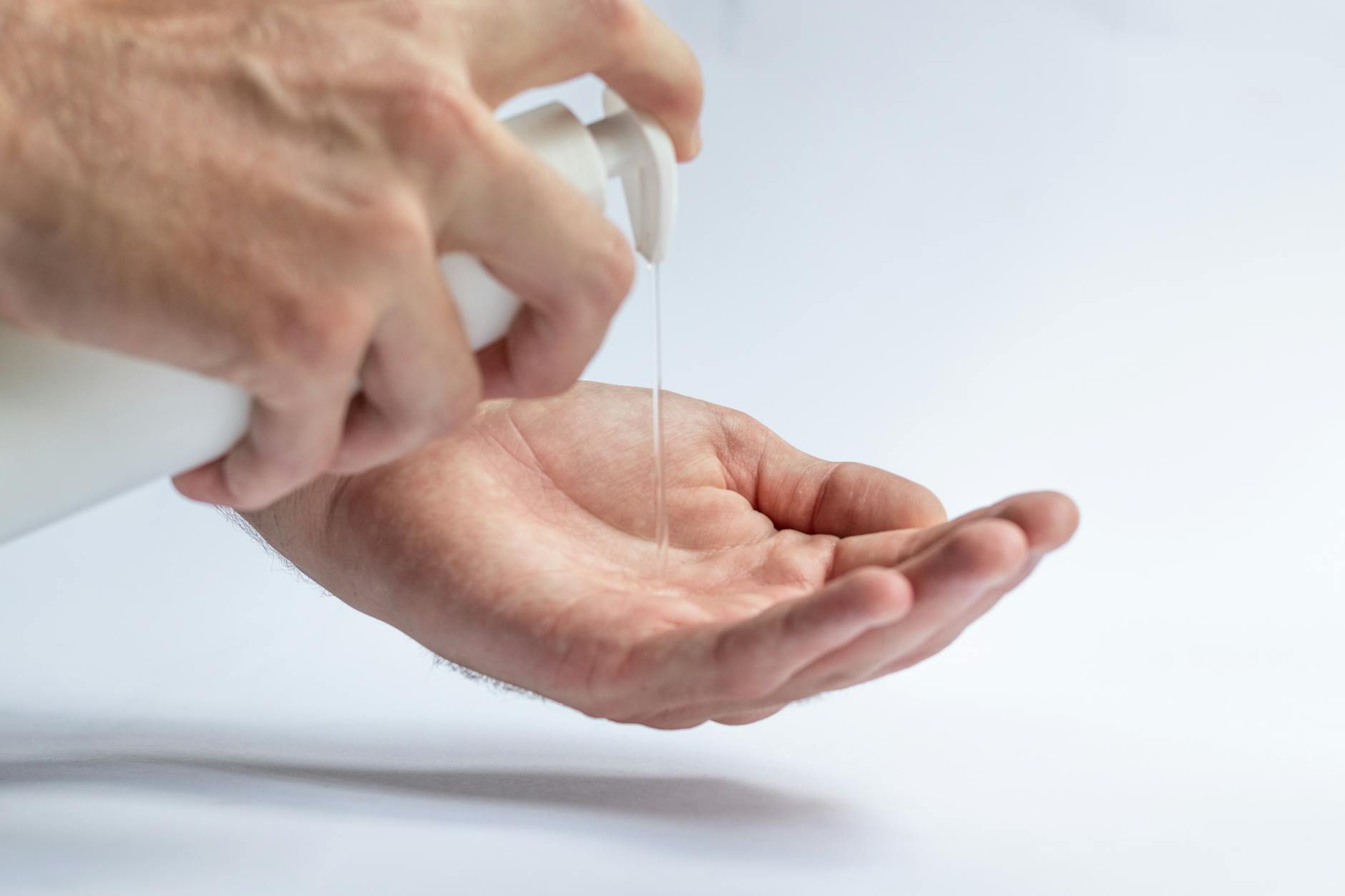
Use only enough cream to create a barely visible film that absorbs completely within minutes.
Apply in the evening after cleansing, allowing your skin to recover overnight.
Use facial steroids for no more than two weeks continuously without medical supervision.
Avoid the delicate eye area completely. The skin around your eyes is paper-thin and absorbs medication faster, increasing risk of side effects. Stay at least half an inch away from your eyelids and under-eye area.
For example, if treating eczema on your cheeks, stop the medication at your cheekbones and don't extend toward your temples or eye corners. This conservative approach protects the most vulnerable areas while still treating your main concern effectively.
Common Facial Conditions Treated with Topical Steroids
Facial eczema appears as red, scaly patches that feel dry and itchy, often around the eyes, cheeks, or mouth. Mild steroids like hydrocortisone 1% can calm the inflammation within days, preventing the scratching that leads to permanent scarring or dark spots many people worry about.
Seborrheic dermatitis creates greasy, yellowish scales around the nose, eyebrows, and hairline. Low-potency steroids reduce the redness and flaking that makes people feel self-conscious in social situations.
Contact dermatitis from cosmetics, fragrances, or plants causes sudden swelling and blistering. Short-term steroid treatment stops the reaction quickly, preventing it from spreading or worsening.
See a dermatologist when over-the-counter treatments fail after two weeks, when you experience severe swelling, or when skin conditions keep returning despite proper care.
Recognizing and Preventing Facial Steroid Side Effects

Early detection of side effects prevents permanent facial damage that could require expensive procedures like Chemical Peels to correct. Watch for skin thinning signs including visible blood vessels, easy bruising, or a shiny, transparent appearance. These changes indicate you're using too strong a steroid or applying it too frequently.
Perioral dermatitis appears as red, bumpy rash around your mouth and nose. This condition ironically worsens when you continue steroid treatment, creating a frustrating cycle. Stop using steroids immediately if you notice this distinctive pattern.
Rebound effects occur when stopping treatment abruptly. Your original condition may temporarily flare worse than before you started treatment. This normal response typically resolves within one to two weeks without intervention.
Stop treatment immediately if you develop stretch marks, persistent burning, or worsening acne-like bumps. Contact your dermatologist rather than continuing treatment when side effects appear. Early intervention prevents the scarring and social embarrassment you're working to avoid.
Alternatives and Next Steps for Facial Care
When topical corticosteroids aren't suitable for your face, several effective alternatives exist. Non-steroidal anti-inflammatory creams like calcineurin inhibitors offer targeted treatment without steroid risks. Gentle moisturizers with ceramides help restore your skin barrier naturally.
Professional treatments provide stronger solutions for persistent issues. Chemical Peels use controlled acid treatments to remove damaged skin layers, improving texture and reducing acne scars, fine lines, and uneven tone. Your dermatologist applies the chemical solution, which works through controlled exfoliation over predetermined time periods.
Seek professional care when over-the-counter treatments fail after four weeks, or if you notice spreading redness or persistent irritation. Remember, achieving clear skin often requires patience—permanent scarring rarely occurs with proper professional guidance.
Professional alternatives to facial steroids exist and work effectively when combined with patience and proper skincare habits.
Frequently Asked Questions
Why is facial skin more sensitive to steroid creams than other body parts?
Facial skin is remarkably thinner than skin on other parts of your body, measuring only 0.02 to 0.05 millimeters thick, which is three to five times thinner than skin elsewhere. This delicate barrier absorbs topical medications much faster and more completely than thicker skin areas. Facial skin absorbs topical steroids up to 300% faster than skin on your forearms, dramatically increasing your risk of developing unwanted side effects.
What are the safest steroid potencies to use on facial skin?
Class VI and VII topical corticosteroids are the safest options for facial use, providing effective treatment without aggressive side effects. Common examples of face-safe steroids include hydrocortisone 1%, desonide 0.05%, and fluocinolone acetonide 0.01%. High-potency steroids like clobetasol or halobetasol should never be used on facial skin as they can cause irreversible damage within just days.
What side effects can occur from using steroids on the face?
Common facial steroid complications include skin thinning, stretch marks, blood vessel visibility, and rebound inflammation when you stop treatment. High-potency steroids can cause irreversible skin atrophy, stretch marks, and blood vessel dilation within just days of use. The visible nature of facial side effects can directly impact your appearance and confidence, creating social embarrassment.
How should I apply steroid cream to my face safely?
Apply only the thinnest possible layer of steroid cream, using just enough to create a barely visible film that absorbs completely within minutes. Start with once daily application in the evening after cleansing to allow your skin to recover overnight. Proper application technique is crucial for preventing potential skin damage while still effectively treating your condition.
Disclaimer: This content is for informational purposes only and does not constitute medical advice. Always consult a qualified healthcare provider before making health decisions.