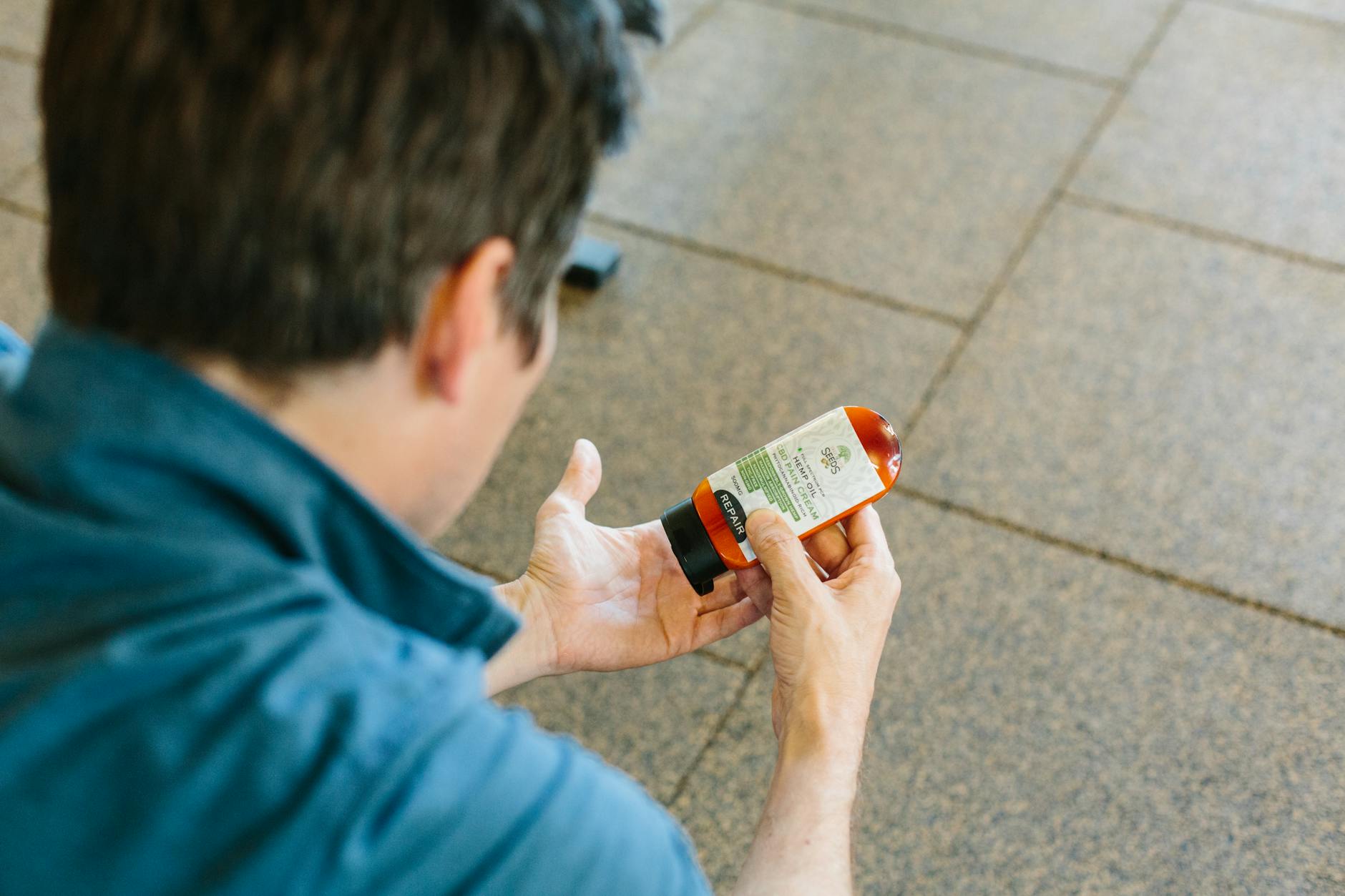
Why Proper Application Technique Matters

Getting your topical steroid application right makes the difference between clear, healthy skin and ongoing frustration. When you apply these medications incorrectly, you're essentially wasting your time and money while your skin condition persists or worsens.
“The way you apply topical steroids is just as important as which medication you choose.”
Improper application reduces how well the medication penetrates your skin, leading to poor results that can leave you feeling discouraged about your treatment progress. Many people make the mistake of rubbing too vigorously or applying too much product, which can actually irritate the skin further.
Overuse creates serious risks including skin thinning, stretch marks, and rebound flares when you stop treatment. These side effects can cause the very scarring and visible skin changes you're trying to avoid. Using the right technique ensures the medication absorbs properly while minimizing potential complications, helping you achieve clearer skin safely and effectively.
Understanding the Fingertip Unit System

The fingertip unit (FTU) system provides a precise way to measure how much topical steroid you should apply to each body area. This measurement prevents both under-treatment, which can leave you frustrated with slow results, and over-treatment, which increases your risk of side effects.
“One fingertip unit covers an area roughly the size of both palms.”
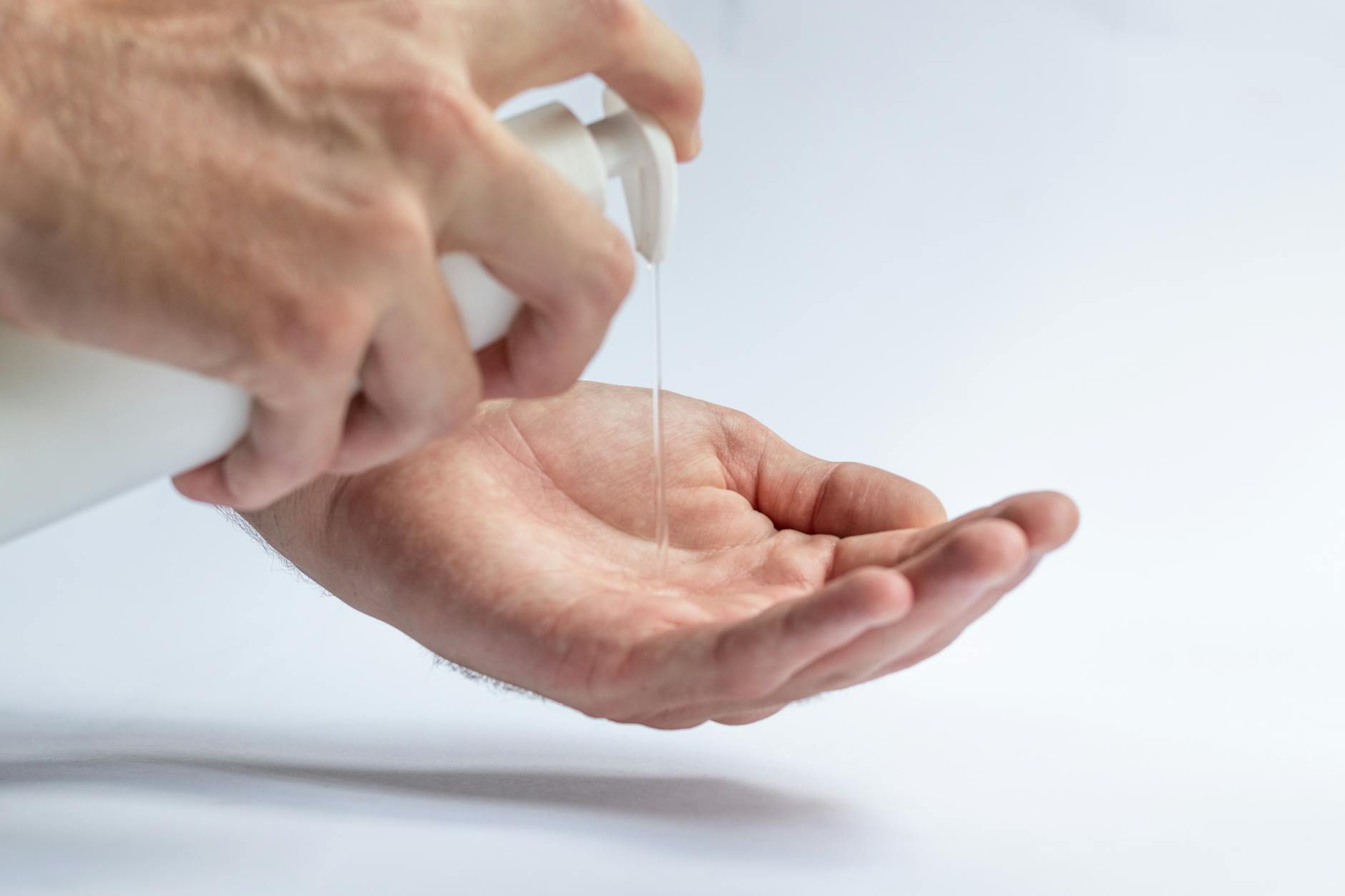
One fingertip unit equals the amount of cream or ointment squeezed from the tip of your index finger to the first joint crease. This typically measures about 0.5 grams and covers approximately two palm-sized areas of skin.
Different body parts require specific amounts. Your face needs just half an FTU, while each arm requires one and a half units. Your torso front and back each need three units, and each leg requires six units total.
To visualize this correctly, imagine drawing a line of medication along your fingertip from tip to joint. The cream should be roughly the width of your finger and sit smoothly without overflowing the sides. This simple measurement technique helps ensure you apply enough medication for effective treatment while avoiding the excessive use that can lead to unwanted skin changes.
Step-by-Step Application Process
Following the proper application sequence helps your skin absorb the medication effectively while minimizing side effects. Most application errors happen during the spreading phase, which can lead to uneven coverage and reduced effectiveness.
Wash your hands thoroughly, then gently clean the affected skin with lukewarm water and pat completely dry with a clean towel.
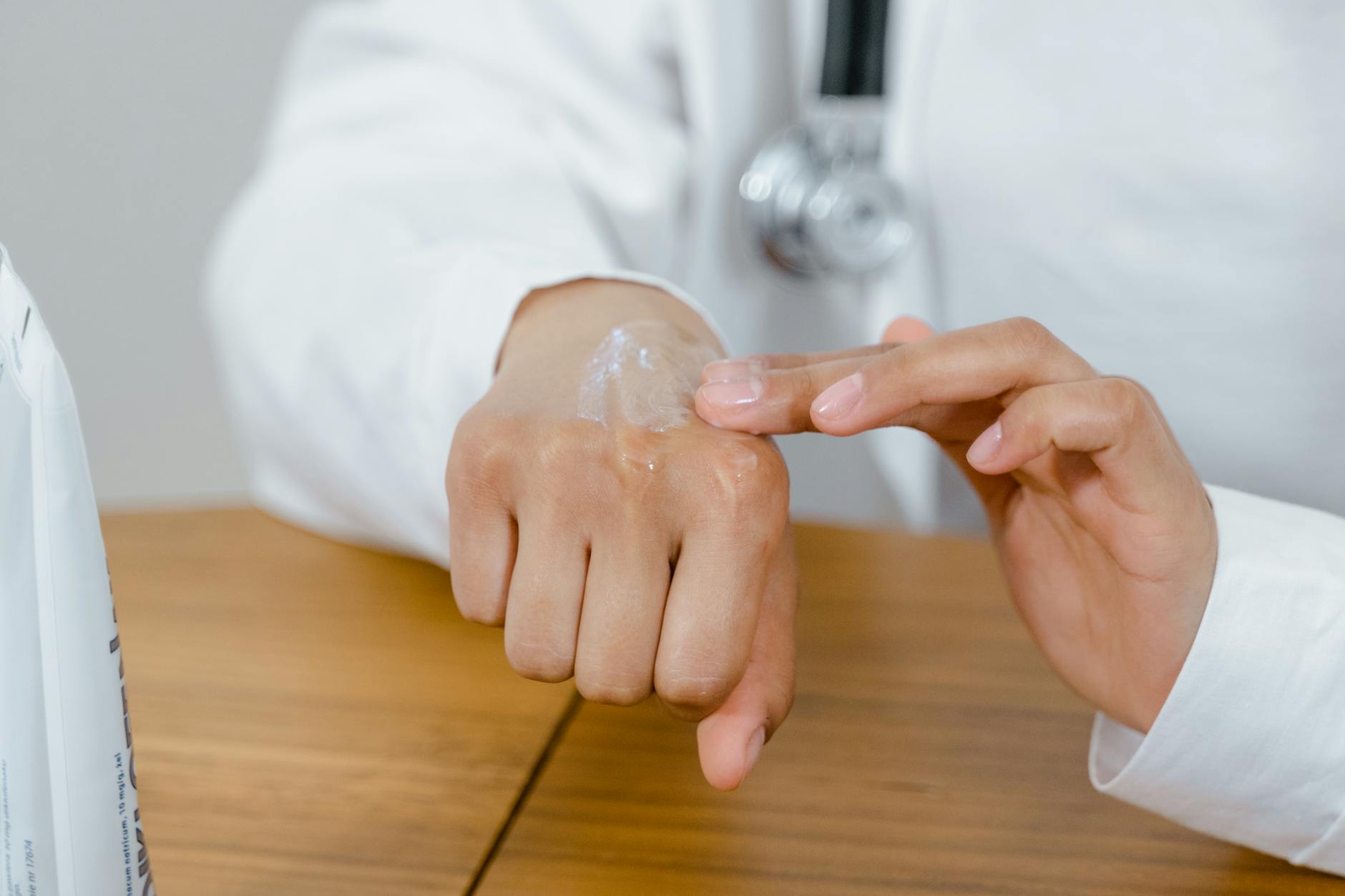
Squeeze the measured amount onto your fingertip and place small dots evenly across the treatment area before spreading.
Use gentle, circular motions to spread the medication in a thin, even layer until it disappears into the skin.
Clean your hands thoroughly after application to prevent accidentally transferring medication to other body areas.
Apply your topical steroid at the same time each day to maintain consistent medication levels in your skin. For most conditions, once daily application in the evening works best since your skin repairs itself overnight.
Avoid rubbing vigorously or applying thick layers, as this wastes medication and increases absorption beyond therapeutic levels. The cream should absorb within two to three minutes of proper application. If visible residue remains after five minutes, you've used too much product.
Never apply topical steroids to broken or infected skin unless specifically directed by your dermatologist, as this increases systemic absorption and infection risk.
Application Guidelines by Body Area
Different areas of your body require different approaches when applying topical steroids. Your skin thickness varies dramatically across body regions, affecting how much medication penetrates and how quickly you'll see results.
For face and neck applications, use the gentlest touch possible. These areas have thinner skin that absorbs medication faster, increasing the risk of side effects like permanent skin thinning or visible blood vessels. Apply only a thin layer and avoid the delicate eye area completely. Many dermatologists recommend using lower-potency steroids on facial skin to prevent long-term damage that could affect your appearance.
Body applications allow for slightly more generous coverage since skin on your arms, legs, and torso is thicker and more resilient. You can apply a thin, even layer without the extreme caution required for facial use. However, avoid rubbing vigorously—gentle spreading prevents irritation.
Sensitive areas like underarms, groin, and skin folds need special consideration. These locations have increased absorption rates due to warmth and moisture. Use sparingly and monitor closely for any signs of irritation or unusual thinning.
For example, if treating eczema on your elbow, you might apply a rice grain-sized amount and spread it gently. The same condition on your face would require half that amount applied even more carefully.
Safety Protocols and Common Mistakes

Following proper safety protocols prevents complications that could lead to permanent skin damage. Never apply topical steroids under occlusive dressings like plastic wrap unless specifically prescribed, as this dramatically increases absorption and risk of side effects.
Stick to prescribed frequency guidelines – typically once or twice daily maximum. Using steroids more frequently won't speed healing and increases adverse effects. Most topical steroids should be used for 2-4 weeks maximum without medical supervision.
Common mistakes include applying too much product (a thin layer is sufficient), using on broken skin, and combining with harsh treatments. Avoid concurrent use with treatments like Chemical Peels, which remove damaged skin layers through controlled chemical exfoliation, as this combination can cause severe irritation.
Stop immediately if you develop stretch marks, excessive skin thinning, or worsening of your condition. These warning signs indicate overuse and require medical evaluation to prevent permanent scarring.
When to Adjust Your Application Routine
Your skin provides clear signals when it's time to modify your topical steroid routine. Look for signs of improvement like reduced redness, less itching, and smoother texture after two weeks of consistent use.
When your condition starts improving, begin tapering gradually rather than stopping abruptly. Reduce application frequency from twice daily to once daily, then to every other day over several weeks. This prevents rebound flare-ups that can worsen your original symptoms and potentially cause temporary scarring from renewed inflammation.
Take photos and note symptom changes to track improvement objectively.
Cut application frequency by half when symptoms improve by 75%.
Contact your healthcare provider immediately if you develop new symptoms, experience worsening after initial improvement, or see no progress after four weeks of proper use.
Gradual tapering prevents rebound flare-ups while maintaining the improvements you've achieved.
Frequently Asked Questions
How much topical steroid should I apply to each body part?
Use the fingertip unit (FTU) system to measure the right amount - one FTU equals cream squeezed from your fingertip to the first joint crease. Your face needs half an FTU, each arm needs 1.5 units, your torso front and back each need 3 units, and each leg requires 6 units. One fingertip unit covers approximately two palm-sized areas of skin.
What happens if I apply topical steroids incorrectly?
Improper application reduces how well the medication penetrates your skin, leading to poor treatment results. Overuse can cause serious side effects including skin thinning, stretch marks, and rebound flares when you stop treatment. Using too much or rubbing too vigorously can actually irritate your skin further and create the very scarring you're trying to avoid.
What is the correct way to apply topical steroids?
Start by cleaning and drying the affected area, then apply the measured fingertip unit amount as small dots across the treatment area. Spread the medication using gentle, circular motions until it forms a thin, even layer that disappears into the skin. Always wash your hands thoroughly after application to prevent transferring medication to other body areas.
How do I measure one fingertip unit of topical steroid?
One fingertip unit equals the amount of cream or ointment squeezed from the tip of your index finger to the first joint crease. The cream should be roughly the width of your finger and sit smoothly without overflowing the sides. This typically measures about 0.5 grams and covers approximately two palm-sized areas of skin.
Disclaimer: This content is for informational purposes only and does not constitute medical advice. Always consult a qualified healthcare provider before making health decisions.