Why Children Need Special Steroid Considerations

Children's skin responds differently to topical corticosteroids than adult skin, making careful selection and application crucial for safe treatment. Understanding these differences helps parents make informed decisions while working with their dermatologist to achieve clear skin without unnecessary risks.
“A child's skin can absorb topical medications up to three times more readily than adult skin.”
The primary concern centers on children having significantly thinner skin than adults. This increased permeability means medications penetrate deeper and absorb more readily into the bloodstream. What works safely for adult eczema might prove too strong for a child's delicate skin barrier.
Children also have a higher surface area to body weight ratio compared to adults. This means the same amount of medication applied covers proportionally more of their body, potentially leading to greater systemic absorption. A small amount of steroid cream on a child's arm represents a larger percentage of total body coverage than the same application on an adult.
Furthermore, children's skin barrier function continues developing through adolescence. Their immature skin structure provides less natural protection against both irritants and medication absorption, requiring gentler treatment approaches that won't interfere with healthy skin development or cause unwanted side effects.
Age-Specific Safety Guidelines

Your child's age determines which topical steroids are safe and effective. Following age-specific guidelines helps prevent side effects while treating skin conditions properly.
“The younger your child, the milder the steroid should be.”
For infants under 2 years, only mild potency steroids like hydrocortisone 1% are recommended. Their delicate skin absorbs medications more readily, making them vulnerable to systemic absorption. Use these treatments for no more than 7 consecutive days, and avoid the diaper area entirely where moisture increases absorption rates.
Toddlers and school-age children can safely use mild to moderate potency steroids when necessary. Moderate steroids like triamcinolone 0.1% may be appropriate for stubborn eczema patches, but should be limited to 14 days of continuous use. Always apply the thinnest layer that covers the affected area completely.
Duration limits vary significantly by age group. Infants should never use topical steroids longer than one week without physician supervision. Children aged 2-12 can use mild steroids for up to two weeks, while moderate potency treatments require careful monitoring after 7-10 days.
Certain body areas require special caution regardless of age. The face, neck, armpits, and groin have thinner skin that absorbs steroids more readily. These areas should only receive mild steroids, and treatment duration should be cut in half. For example, if your doctor recommends 14 days of treatment elsewhere, limit facial application to 7 days maximum.
Remember that proper treatment prevents the scarring and social concerns you worry about. Following these guidelines ensures your child's skin heals safely without developing steroid-related complications that could worsen their condition long-term.
Safe Application Techniques for Children
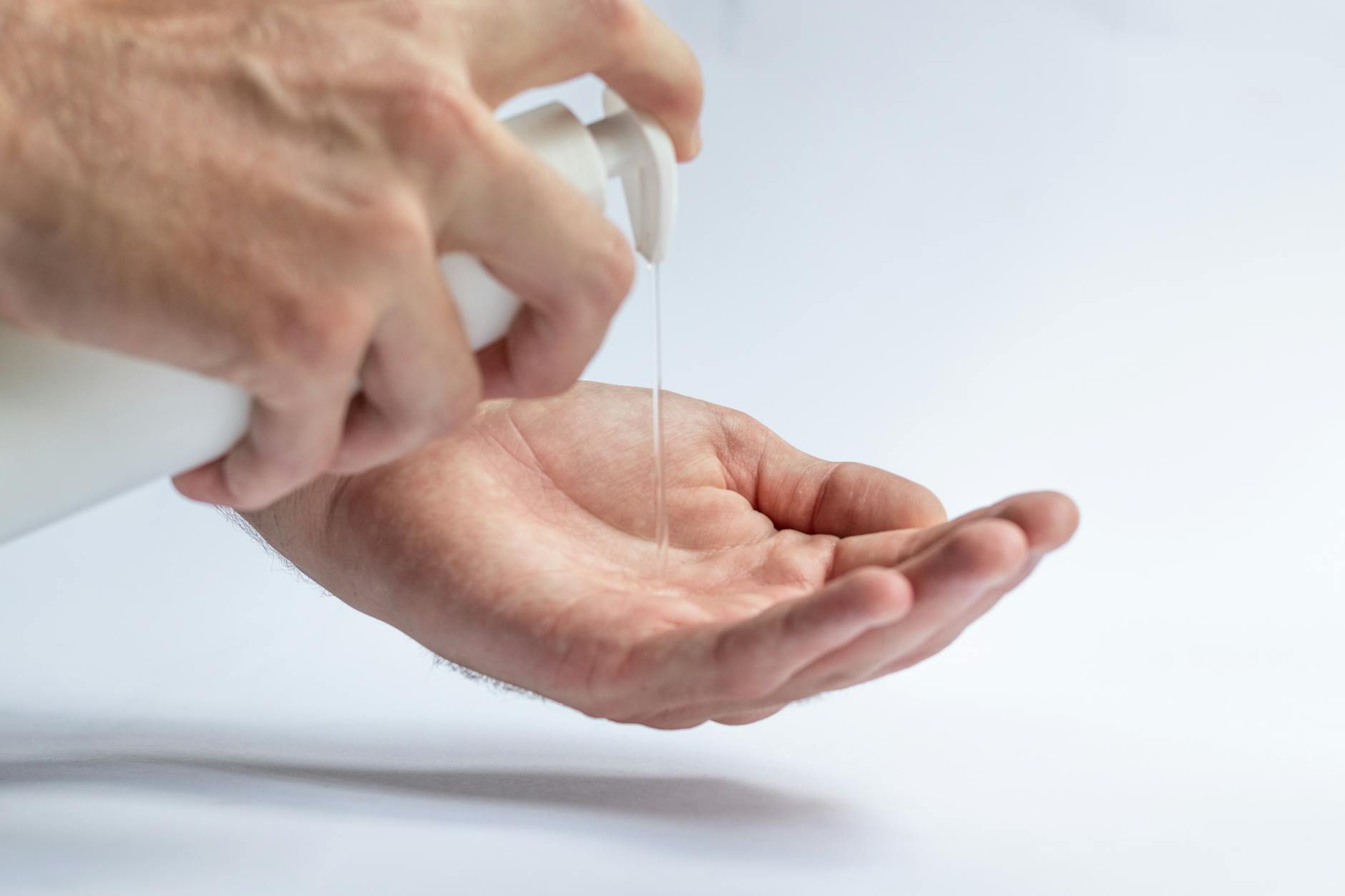
Proper application protects your child's delicate skin while maximizing treatment effectiveness. The fingertip unit (FTU) measurement system helps parents apply the correct amount without overdosing sensitive areas.
One adult fingertip unit equals the amount of cream squeezed from the tip of your index finger to the first joint. For a child's face and neck, use one FTU total. A child's entire arm requires 1.5 FTUs, while one leg needs 2 FTUs. These measurements prevent over-application that could cause thinning or permanent skin changes.
Gently wash the affected skin and pat completely dry before application.
Use the FTU measurement and spread gently without rubbing vigorously.
Skip the diaper area, face (unless prescribed), and skin folds where absorption increases.
Remove all medication residue to prevent accidental contact with eyes or mouth.
Apply medication exactly as prescribed, typically once or twice daily. Never exceed the recommended frequency, even if symptoms persist. Most pediatric conditions improve within one week of proper use.
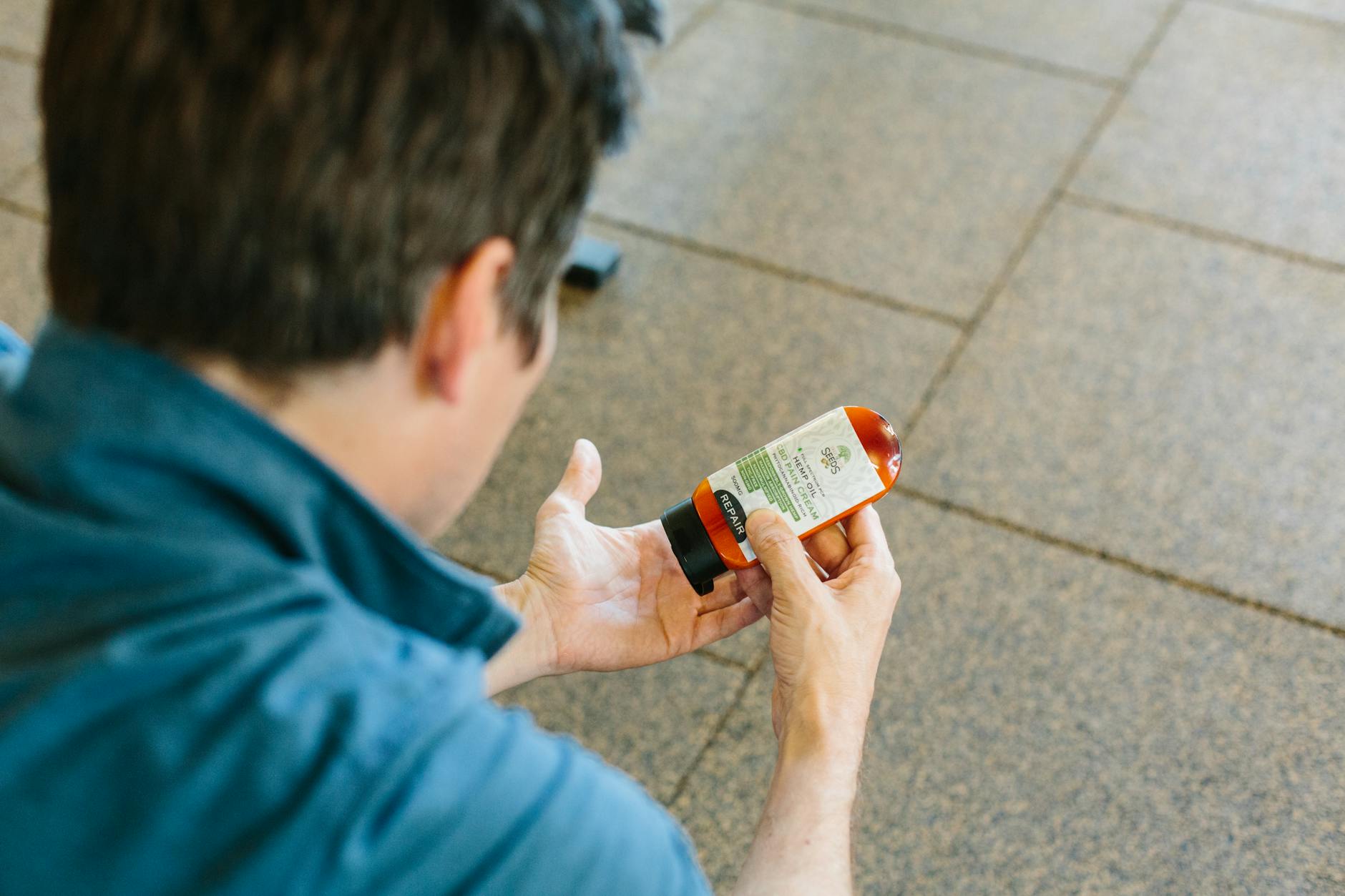
Monitor your child daily for side effects including skin thinning, stretch marks, or increased redness. Stop treatment immediately if these occur and contact your dermatologist. Taking photos helps track both improvement and potential adverse reactions over time.
Common Pediatric Conditions and Steroid Selection

Different childhood skin conditions require specific steroid approaches to achieve clear skin without causing harm. Understanding which steroid works best for your child's particular condition helps prevent both permanent scarring and the social challenges that come with visible skin problems.
Eczema in infants and toddlers responds well to mild steroids like hydrocortisone 1% applied to inflamed patches twice daily. For thicker, stubborn patches on older children's arms and legs, pediatric dermatologists may prescribe medium-strength options like triamcinolone 0.1%. Always start with the gentlest effective option.
Diaper dermatitis requires careful consideration since the diaper area stays moist and absorbs medications more readily. Use only zinc oxide or petroleum-based barriers for most diaper rashes. Reserve very mild steroids for severe cases under medical supervision.
School-age children often develop contact dermatitis from playground allergens or sports equipment. These acute reactions typically need short courses of mild topical steroids combined with identifying and avoiding triggers.
Avoid steroids completely on facial rashes in children under two, active skin infections, or areas with broken skin. When in doubt, consult your pediatrician before applying any steroid medication to ensure proper treatment selection.
Warning Signs and When to Stop Treatment
Knowing when to stop topical corticosteroids protects your child from potential complications. Watch for skin thinning, which appears as shiny, translucent skin where blood vessels become visible underneath. This permanent change requires immediate discontinuation and medical evaluation to prevent permanent scarring.
Monitor your child's growth patterns during prolonged steroid use. Strong corticosteroids absorbed through the skin can affect normal development, particularly when applied to large body areas or under occlusive dressings for extended periods.
Infection symptoms demand immediate attention. Look for increased redness, warmth, pus, red streaking, or fever. These signs indicate bacterial infection that worsens with continued steroid use, as corticosteroids suppress the immune system's ability to fight pathogens.
Allergic reactions present as new rash, burning, stinging, or worsening of the original condition. Unlike chemical peels that intentionally cause controlled skin damage for therapeutic benefit, unexpected skin reactions to prescribed steroids signal treatment failure.
Trust your instincts as a parent. If something seems wrong or the condition worsens rather than improves after one week of treatment, contact your pediatrician immediately for reassessment and alternative treatment options.
Stop treatment immediately if you notice skin thinning, signs of infection, allergic reactions, or growth concerns, and contact your pediatrician for guidance.
Frequently Asked Questions
Why do children need different steroid treatments than adults?
Children's skin can absorb topical medications up to three times more readily than adult skin due to their significantly thinner skin barrier. They also have a higher surface area to body weight ratio, meaning the same amount of medication covers proportionally more of their body. Additionally, children's skin barrier function continues developing through adolescence, providing less natural protection against medication absorption.
What steroids are safe for babies under 2 years old?
For infants under 2 years, only mild potency steroids like hydrocortisone 1% are recommended. These treatments should be used for no more than 7 consecutive days. The diaper area should be avoided entirely where moisture increases absorption rates.
How long can children use topical steroids safely?
Duration limits vary by age group - infants should never use topical steroids longer than one week without physician supervision. Children aged 2-12 can use mild steroids for up to two weeks, while moderate potency treatments require careful monitoring after 7-10 days. Certain body areas like the face, neck, armpits, and groin should have treatment duration cut in half due to thinner skin.
What is the fingertip unit measurement for children's steroid application?
One adult fingertip unit equals the amount of cream squeezed from the tip of your index finger to the first joint. For a child's face and neck, use one FTU total, while a child's entire arm requires 1.5 FTUs and one leg needs 2 FTUs. This measurement system helps parents apply the correct amount without overdosing sensitive areas.
Which body areas need special caution when applying steroids to children?
The face, neck, armpits, and groin have thinner skin that absorbs steroids more readily and require special caution regardless of age. These areas should only receive mild steroids, and treatment duration should be cut in half compared to other body areas. For example, if treatment is recommended for 14 days elsewhere, facial application should be limited to 7 days maximum.
Disclaimer: This content is for informational purposes only and does not constitute medical advice. Always consult a qualified healthcare provider before making health decisions.