Common Short-Term Side Effects

When you first start using topical steroids, your skin may react in ways that feel alarming. Understanding these common reactions helps you distinguish between normal adjustment periods and signs that require medical attention.
“Most short-term side effects from topical steroids are reversible and resolve within days to weeks of discontinuing use.”
Skin irritation represents the most frequent immediate reaction. You might notice burning, stinging, or increased redness where you apply the medication. This often occurs during the first few days of treatment as your skin adjusts to the active ingredient.
Folliculitis creates small, pimple-like bumps around hair follicles. These acne-like eruptions typically appear on areas with dense hair growth, such as the face or scalp. The bumps may contain pus and feel tender to touch.
Contact dermatitis can develop if you're sensitive to inactive ingredients in the steroid cream. This reaction causes localized swelling, itching, and sometimes blistering around the application site.
Temporary skin discoloration frequently worries patients concerned about permanent scarring. The treated area may appear lighter or darker than surrounding skin, but this change usually reverses once you stop using the medication. While visually concerning, these color changes rarely become permanent with short-term use.
Long-Term Risks and Complications

Extended steroid use brings serious consequences that can permanently alter your skin. While these complications may take weeks or months to develop, they often become irreversible once they occur.
"Skin atrophy from prolonged steroid use can make your skin paper-thin and vulnerable to tearing from minimal trauma."
Skin atrophy represents the most common long-term complication. Your skin literally wastes away, becoming thin, fragile, and translucent. You might notice purple stretch marks appearing even without weight changes, particularly around joints and areas where you applied stronger steroids. These stretch marks typically remain permanent.
Telangiectasia creates visible spider veins across your face and body. These dilated blood vessels appear as red or purple lines beneath your thinned skin, creating a web-like pattern that makeup struggles to conceal. The visibility often causes social embarrassment, especially when it affects facial areas.
Your weakened skin heals poorly from cuts, scrapes, or acne lesions. Minor injuries that once healed within days now require weeks. This delayed healing increases scarring risk and creates opportunities for bacterial infections to take hold.
Bacterial and fungal infections become more frequent and severe. Your compromised skin barrier cannot defend against pathogens effectively, leading to recurring infections that require additional treatments and potentially worsen your original skin condition.
Systemic Absorption and Internal Effects
While you apply topical steroids to your skin's surface, these medications can enter your bloodstream and affect your entire body. This systemic absorption happens more readily with potent steroids, large application areas, thin skin locations, or prolonged use under occlusive dressings.
HPA axis suppression represents the most concerning internal effect. Your hypothalamic-pituitary-adrenal axis controls cortisol production, and topical steroids can trick your body into reducing its natural hormone production. This suppression can leave you vulnerable to stress-related health problems and may require months to reverse after stopping treatment.
Children face particular risks including growth retardation, as absorbed steroids can interfere with normal development patterns. Parents often notice slower height increases or delayed puberty in affected children.
Cushing's syndrome symptoms may develop with excessive absorption, causing weight gain, mood changes, and characteristic facial rounding. Blood sugar elevation can occur, particularly concerning for diabetic patients. Your immune system also becomes suppressed, making you more susceptible to infections and reducing your ability to fight off illnesses effectively.
Understanding these risks helps you work with your dermatologist to find the safest treatment approach for your skin concerns.
Risk Factors That Increase Side Effects
Several factors make you more likely to experience complications from topical steroids. Understanding these risks helps you protect your skin while still achieving the clear complexion you want.
High-potency steroids carry the greatest risk of side effects. Class I steroids like clobetasol propionate can cause skin thinning in just two weeks when used daily. Your doctor may prescribe these for severe conditions, but they require careful monitoring.
Using steroids for more than two weeks significantly increases your risk of permanent changes. The skin becomes dependent on the medication, leading to rebound flares when you stop. Many patients worry about permanent scarring from their original condition, but prolonged steroid use can actually create lasting damage.
Sensitive areas absorb steroids faster. Your face, eyelids, and groin have thinner skin that allows more medication to penetrate. Children and elderly patients face higher risks because their skin barriers function differently.
Covering treated areas with bandages or tight clothing creates an occlusive effect, increasing absorption dramatically. Large treatment areas also raise the risk of systemic absorption affecting your entire body.
When to Seek Medical Attention

Recognizing when topical steroid side effects require immediate medical attention can prevent permanent scarring and lasting skin damage. Your dermatologist needs to evaluate certain warning signs promptly to adjust your treatment plan.
Contact your doctor immediately if you notice severe skin thinning where you can see blood vessels beneath the surface, or if your skin tears easily from minor contact. Persistent redness, burning, or irritation that worsens after several days of stopping the steroid also requires professional evaluation.
Signs of bacterial infection include increasing warmth, swelling, pus, or red streaks extending from the treatment area. These symptoms can develop quickly and need antibiotic treatment.
If your original skin condition returns worse than before or you experience withdrawal symptoms like intense itching, burning, or flaking when stopping the medication, schedule an appointment within 48 hours. Your dermatologist can prescribe alternative treatments or create a gradual tapering schedule to minimize these effects.
Document symptoms with photos to help your doctor assess changes between visits.
Safer Alternatives and Prevention Strategies
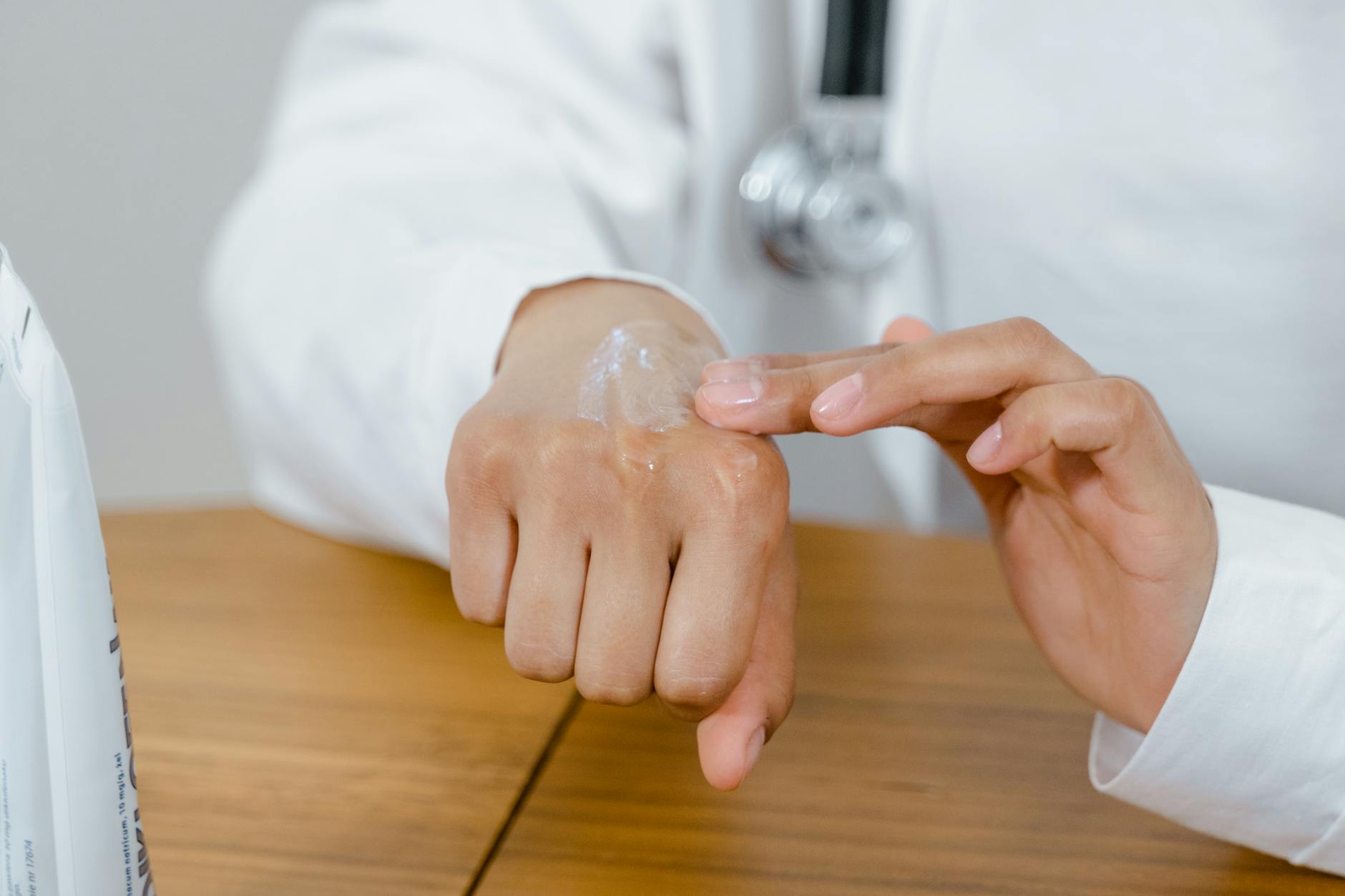
Reducing your dependence on topical steroids starts with proper application techniques. Apply only a thin layer to affected areas and use the weakest strength that controls your symptoms. The "fingertip unit" method helps measure correct amounts—one fingertip unit covers an area twice the size of your palm.
Use fragrance-free moisturizers twice daily to maintain your skin barrier and reduce inflammation naturally.
Consider calcineurin inhibitors like tacrolimus, which don't cause skin thinning but effectively control eczema and psoriasis.
Anti-inflammatory ingredients like oatmeal baths, aloe vera, and ceramide-rich products can soothe irritated skin without side effects.
For persistent skin concerns that don't respond to conservative treatments, professional interventions offer effective alternatives. Chemical Peels use controlled acid treatments to remove damaged skin layers, improving texture and appearance through chemical exfoliation. These treatments address acne scars, sun damage, and uneven skin tone without the long-term risks associated with prolonged steroid use.
Combining proper steroid application with alternative treatments reduces your risk of side effects while maintaining clear, healthy skin.
Frequently Asked Questions
What are the most common side effects when starting topical steroids?
The most frequent immediate reactions include skin irritation such as burning, stinging, or increased redness at the application site. You may also experience folliculitis, which creates small pimple-like bumps around hair follicles, particularly on areas with dense hair growth like the face or scalp. These short-term side effects typically occur during the first few days as your skin adjusts to the medication and are usually reversible.
Can topical steroids cause permanent skin damage?
Yes, extended use of topical steroids can cause serious permanent complications including skin atrophy, where your skin becomes thin, fragile, and translucent. You may develop permanent purple stretch marks even without weight changes, particularly around joints where stronger steroids were applied. Telangiectasia can also occur, creating visible spider veins that appear as red or purple lines beneath thinned skin, which are difficult to conceal and often cause social embarrassment.
Do topical steroids cause temporary skin discoloration?
Yes, temporary skin discoloration is a frequent concern where the treated area may appear lighter or darker than surrounding skin. However, this color change usually reverses once you stop using the medication and rarely becomes permanent with short-term use. While visually concerning to patients worried about permanent scarring, these discoloration effects are typically temporary.
How do long-term topical steroids affect wound healing and infections?
Prolonged steroid use weakens your skin, causing poor healing from cuts, scrapes, or acne lesions that once healed within days but now require weeks. This delayed healing increases scarring risk and creates opportunities for bacterial infections to develop. Your compromised skin barrier cannot defend against pathogens effectively, leading to more frequent and severe bacterial and fungal infections that may require additional treatments.
Can topical steroids affect your body internally?
Yes, topical steroids can enter your bloodstream and cause systemic effects throughout your body, especially with potent steroids, large application areas, or prolonged use. The most concerning internal effect is HPA axis suppression, which affects your hypothalamic-pituitary-adrenal system. This systemic absorption happens more readily when steroids are applied to thin skin locations or used under occlusive dressings.
Disclaimer: This content is for informational purposes only and does not constitute medical advice. Always consult a qualified healthcare provider before making health decisions.