What Is Brow Lift and Forehead Surgery?

A brow lift, also called a forehead lift, is a cosmetic surgical procedure that raises drooping eyebrows and smooths forehead wrinkles. The surgery repositions sagging brow tissue and removes excess skin to create a more youthful, alert appearance. Surgeons typically perform this procedure through small incisions hidden within the hairline or using minimally invasive endoscopic techniques.
“Unlike non-surgical treatments that provide temporary results, a brow lift offers long-lasting improvement that can turn back the clock by 5-10 years.”
Many people confuse brow lifts with other facial procedures. While a facelift addresses the lower two-thirds of the face, a brow lift focuses specifically on the upper third. Botox injections temporarily relax muscles but don't remove excess skin. Eyelid surgery targets the eyelids themselves, not the brow position above them.
Good candidates typically include adults over 40 with sagging brows, deep forehead lines, or a tired appearance caused by drooping tissue. You should be in good health, have realistic expectations, and understand that while modern techniques minimize scarring, some healing time is necessary for optimal results.
Types of Brow Lift Techniques

Your plastic surgeon will choose from four main brow lift approaches based on your anatomy, aging patterns, and desired results. Each technique offers distinct advantages and addresses different concerns about scarring and recovery time.
“The right brow lift technique can take years off your appearance while maintaining natural-looking results.”
The endoscopic brow lift uses small incisions hidden in your hairline and a tiny camera to guide the procedure. Surgeons make three to five half-inch cuts and lift tissues through these minimal openings. This approach reduces visible scarring significantly and typically involves shorter recovery periods. Most patients return to normal activities within one to two weeks.
Traditional coronal brow lifts involve a single incision that runs ear-to-ear across the top of your head, hidden within the hairline. While this creates a longer scar, it remains completely concealed by hair growth and allows surgeons to address more extensive sagging. This technique works best for patients with significant forehead aging or those with naturally high hairlines.
Temporal brow lifts target the outer third of your eyebrows through small incisions at your temples. This focused approach lifts drooping outer brows without affecting your entire forehead. For example, if only your brow tails droop while the inner portions remain well-positioned, this targeted technique delivers precise results.
Direct brow lifts remove skin directly above the eyebrows, creating scars along the brow line. Surgeons typically reserve this approach for older patients with very thick eyebrows that can camouflage the resulting scars or for those who cannot undergo other techniques due to medical conditions.
What to Expect During the Procedure
Understanding the surgical process helps reduce anxiety about your brow lift procedure. Your surgeon will guide you through each step, ensuring you feel comfortable and informed throughout your experience.
You'll change into a surgical gown and receive pre-medication to help you relax.
Most patients receive general anesthesia, though local anesthesia with sedation is sometimes used for endoscopic techniques.
Your surgeon makes precise incisions based on your chosen technique, carefully planning to minimize visible scarring.
The surgeon repositions muscles and removes excess skin to create a smoother, more youthful appearance.
The entire procedure typically takes one to three hours, depending on your specific technique and complexity. Modern surgical methods focus on creating natural-looking results while minimizing scarring through strategic incision placement and advanced closure techniques.
After surgery, you'll spend time in recovery where medical staff monitors your vital signs and comfort level. Most patients experience mild swelling and discomfort, which is completely normal and manageable with prescribed medications.
Recovery and Healing Process
Your recovery journey begins the moment you leave the surgical center, and understanding what lies ahead helps you prepare for each phase of healing.
The first 48 hours require the most attention to your healing process. You'll experience swelling, bruising, and mild discomfort around your forehead and upper eyelids. Keep your head elevated while sleeping and apply cold compresses for 10-15 minutes every few hours to reduce swelling. Most patients describe the discomfort as similar to a tension headache.
Week one brings gradual improvement as initial swelling peaks around day three, then steadily decreases. Your surgeon removes sutures between days 10-14. During week two, bruising fades and you can typically return to work with makeup to camourage any remaining discoloration.
Avoid heavy lifting, intense exercise, and bending over for three to four weeks. These activities increase blood pressure and can worsen swelling or bleeding. Light walking is encouraged from day one to promote circulation.
While your incisions heal within weeks, final results emerge gradually over six to twelve months as tissues settle into their new position. Your scars, though permanent, fade significantly and become virtually invisible when properly placed within your hairline.
Combining Treatments for Enhanced Results

Brow lift surgery often works best when combined with complementary procedures that address multiple signs of aging simultaneously. Many patients pair their forehead lift with upper eyelid surgery to create a more comprehensive rejuvenation of the upper face area.
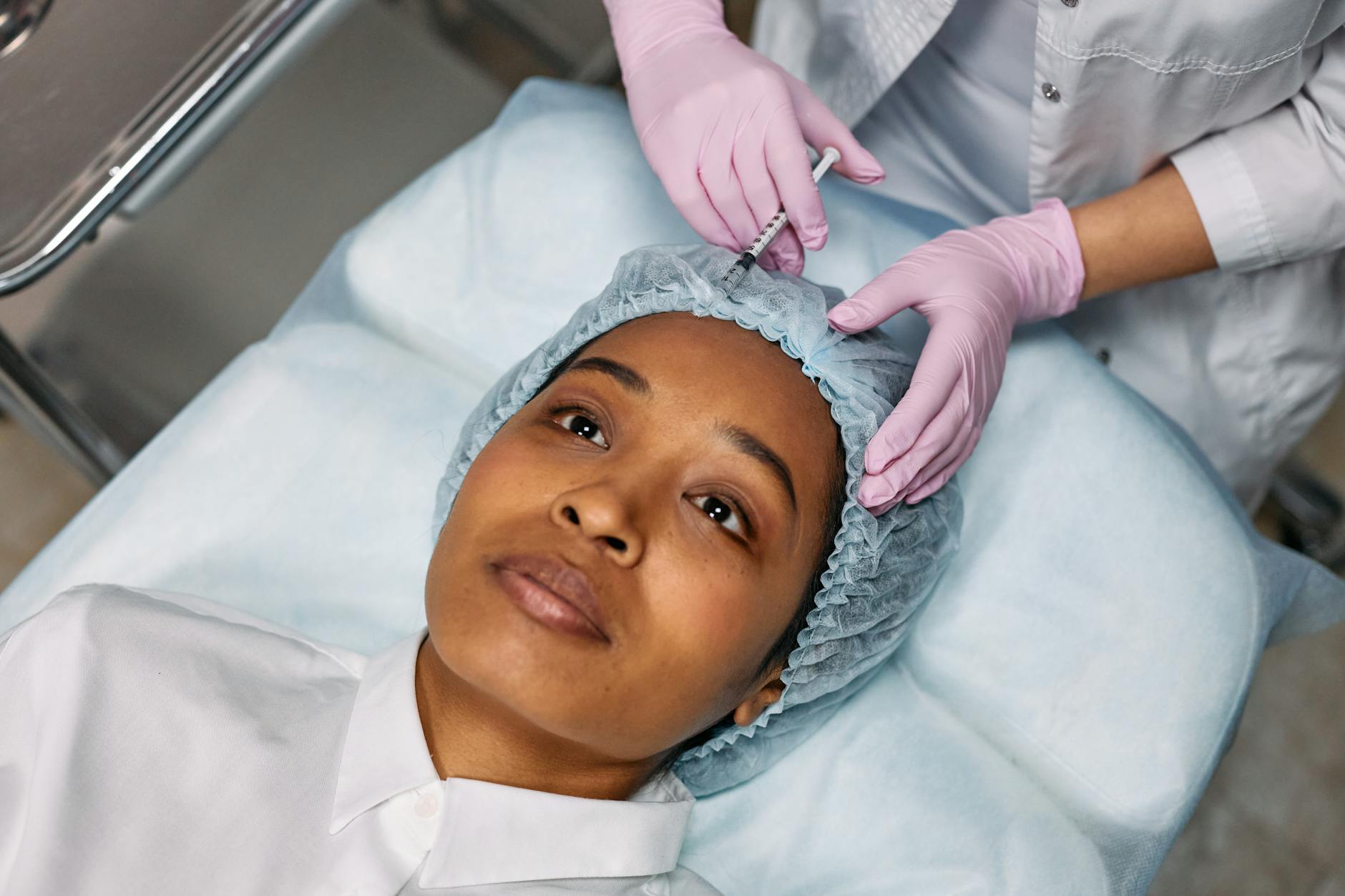
For those with minor forehead concerns, non-surgical alternatives like Botox injections can temporarily lift the brows and smooth horizontal lines. These treatments require no downtime but need regular maintenance every three to four months.
Chemical Peels represent another powerful enhancement option. These acid treatments remove damaged skin layers through controlled chemical exfoliation, improving texture and reducing fine lines that complement your surgical results. The procedure involves cleansing the skin before applying a chemical solution for a predetermined time period.
Combining skin resurfacing treatments with your brow lift creates optimal results by addressing both structural and surface-level concerns. This comprehensive approach ensures your forehead appears both lifted and refreshed, with improved skin quality that enhances your overall outcome.
Choosing the Right Surgeon
Board certification by the American Board of Plastic Surgery ensures your surgeon meets rigorous training standards and safety protocols. This credential significantly reduces risks of complications that could lead to permanent scarring or unsatisfactory results.
During consultation, ask about their specific experience with brow lifts, complication rates, and revision policies. Request to see multiple before-and-after photos of patients with similar facial structures and aging patterns as yours.
Avoid surgeons who pressure you to decide immediately, guarantee unrealistic results, or operate outside accredited facilities. Trust your instincts—feeling rushed or uncomfortable during consultation often signals potential problems ahead.
Verify board certification and review extensive before-and-after photos before scheduling any brow lift procedure.
Frequently Asked Questions
What is a brow lift surgery?
A brow lift, also called a forehead lift, is a cosmetic surgical procedure that raises drooping eyebrows and smooths forehead wrinkles. The surgery repositions sagging brow tissue and removes excess skin to create a more youthful, alert appearance. Surgeons typically perform this procedure through small incisions hidden within the hairline or using minimally invasive endoscopic techniques.
Who is a good candidate for brow lift surgery?
Good candidates typically include adults over 40 with sagging brows, deep forehead lines, or a tired appearance caused by drooping tissue. You should be in good health, have realistic expectations, and understand that while modern techniques minimize scarring, some healing time is necessary for optimal results.
What are the different types of brow lift techniques?
There are four main brow lift approaches: endoscopic (using small incisions and a camera), traditional coronal (ear-to-ear incision hidden in hairline), temporal (targeting outer brow area through temple incisions), and direct (removing skin directly above eyebrows). Your plastic surgeon will choose the best technique based on your anatomy, aging patterns, and desired results.
How long is the recovery time after a brow lift?
Recovery time varies by technique, with endoscopic brow lifts typically having shorter recovery periods. Most patients return to normal activities within one to two weeks after an endoscopic procedure. The specific healing time depends on the technique used and individual healing factors.
What's the difference between a brow lift and other facial procedures?
While a facelift addresses the lower two-thirds of the face, a brow lift focuses specifically on the upper third. Botox injections temporarily relax muscles but don't remove excess skin, and eyelid surgery targets the eyelids themselves, not the brow position above them. A brow lift offers long-lasting improvement that can turn back the clock by 5-10 years, unlike temporary non-surgical treatments.
Disclaimer: This content is for informational purposes only and does not constitute medical advice. Always consult a qualified healthcare provider before making health decisions.