Understanding Your Healing Journey

Your body follows a predictable three-phase healing process after cosmetic surgery. The inflammatory phase begins immediately and lasts 3-5 days, bringing swelling and redness as your immune system responds. The proliferative phase follows for 2-3 weeks, rebuilding tissue and forming new collagen. Finally, the remodeling phase continues for months, strengthening and refining the healed area.
“Understanding your body's natural healing timeline helps set realistic expectations and reduces anxiety about temporary changes in your appearance.”
Recovery timelines vary significantly by procedure type. Minor treatments like chemical peels show initial healing within 7-10 days, while deeper procedures such as facelifts require 2-3 weeks for basic healing and 3-6 months for final results. Breast augmentation patients typically see their final shape emerge after 6-12 months as tissues settle and swelling completely resolves.
Several factors influence your recovery speed. Age plays a crucial role—younger patients generally heal faster due to better circulation and collagen production. Smoking dramatically slows healing by restricting blood flow, while proper nutrition and adequate sleep accelerate tissue repair. Following post-operative instructions precisely makes the biggest difference in your outcome.
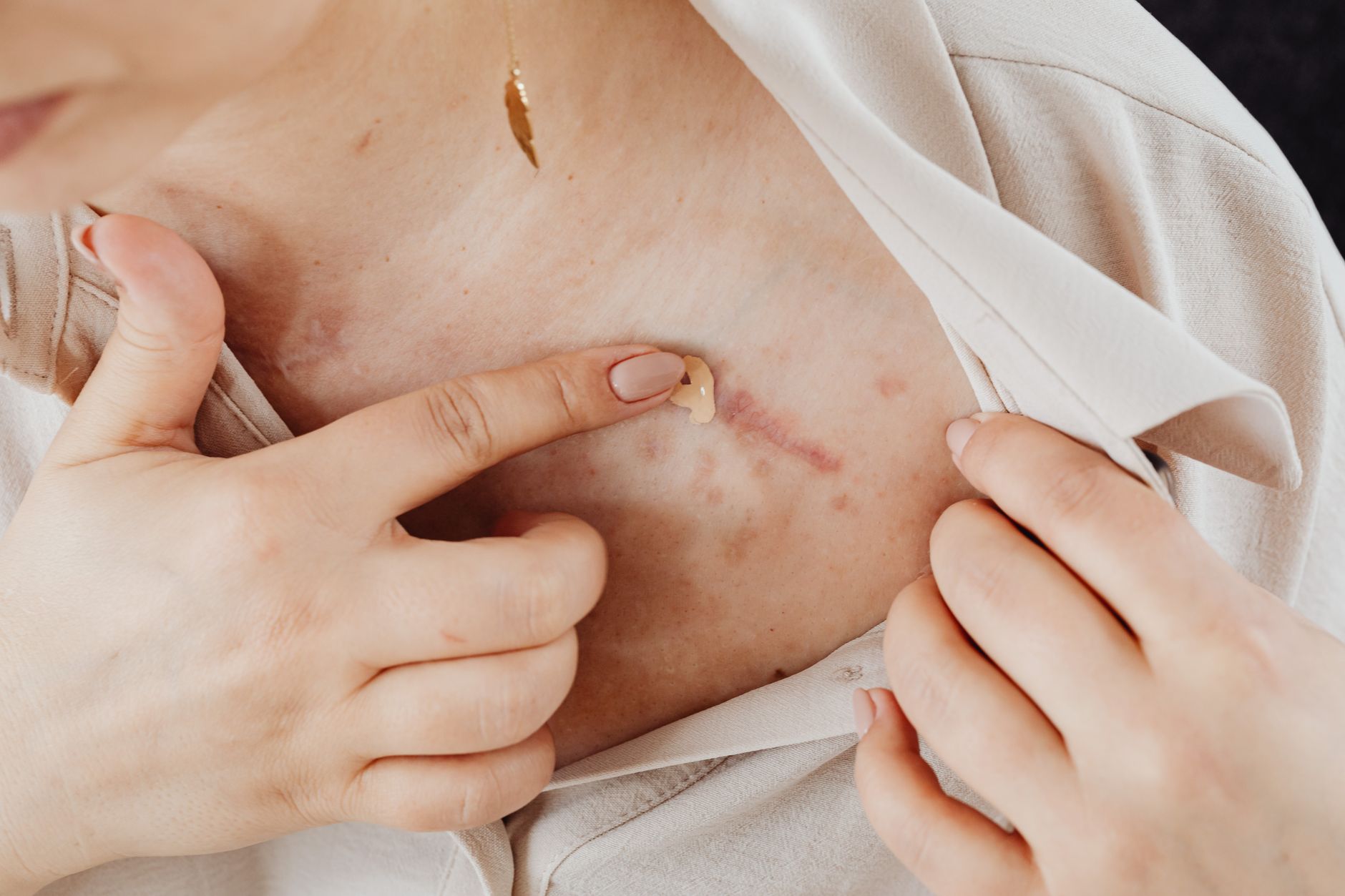
Visible improvements appear gradually rather than overnight. Most patients notice initial changes within 1-2 weeks as swelling decreases, but your final results won't be apparent for several months. For example, rhinoplasty patients see 80% of their final result at 6 months, with subtle refinements continuing up to one year. While concerns about scarring are natural, proper wound care and sun protection significantly minimize visible marks, and most surgical scars fade substantially over time.
Essential Wound Care and Hygiene
Proper wound care forms the foundation of successful cosmetic surgery recovery. Your surgeon will provide specific instructions, but understanding basic principles helps you avoid complications and achieve the best possible results. Clean hands are your first defense against infection, so wash them thoroughly before touching any incision site.
“Consistent wound care in the first two weeks determines how well your scars will heal long-term.”
Use lukewarm water and mild soap prescribed by your surgeon, patting dry with a clean towel.
Use a thin layer of antibiotic ointment or healing cream as directed by your medical team.
Change bandages when they become wet, dirty, or as frequently as your surgeon recommends.
Most surgeons recommend changing dressings once or twice daily during the first week. Remove old bandages slowly to avoid disturbing healing tissue. If a dressing sticks to your incision, moisten it with sterile saline solution before gentle removal.
Watch carefully for infection warning signs. Red streaks extending from the incision site, increasing pain after the third day, thick yellow or green discharge, or fever above 100.4°F require immediate medical attention. While some redness and mild swelling are normal, these symptoms indicate your body needs professional intervention.
Protect your incisions from direct sunlight, which can cause permanent darkening and worsen scarring. Wear loose clothing that won't rub against healing areas. Avoid swimming pools, hot tubs, and baths until your surgeon clears these activities, typically after sutures are removed.
Sleep with your head elevated on extra pillows to reduce swelling around facial procedures. For body surgeries, follow positioning guidelines precisely to prevent tension on incision lines. These simple protective measures significantly impact your final appearance and help address concerns about permanent scarring.
Activity Restrictions and Lifestyle Modifications

Your body needs time to heal properly after cosmetic surgery, and rushing back to normal activities can compromise your results and increase scarring risks. Understanding what to avoid and when to resume activities protects your investment and promotes optimal healing.
Exercise restrictions vary significantly by procedure type. Facial surgeries like facelifts or rhinoplasty require avoiding all strenuous activity for 2-3 weeks, while body procedures like tummy tucks demand 6-8 weeks before resuming full workouts. Light walking typically resumes within days, but avoid anything that raises your heart rate above 100 beats per minute during the first two weeks. Weight lifting, running, and high-impact activities must wait until your surgeon clears you completely.
Sleep position becomes crucial for proper healing. Facial procedures require sleeping elevated at 30-45 degrees for at least one week to minimize swelling. Breast surgeries demand sleeping on your back for 4-6 weeks, while Brazilian butt lifts prohibit sitting directly on your buttocks for eight weeks.
Work limitations depend on your job's physical demands and procedure location. Desk jobs often allow return within 3-5 days with proper planning, while physical labor may require 2-6 weeks off. Video calls become challenging after facial procedures due to visible swelling and bruising.
Social activities need careful consideration. Avoid crowded spaces, swimming pools, and direct sun exposure for several weeks. Plan procedures around important events, allowing at least 2-3 weeks buffer time before weddings or professional presentations to ensure you feel confident appearing in public.
Managing Pain, Swelling, and Side Effects
Understanding what your body experiences during recovery helps you respond appropriately to each phase of healing. Pain, swelling, and minor side effects are normal parts of the cosmetic surgery process, but knowing how to manage them effectively speeds recovery and improves your comfort.
Pain management starts with following your prescribed medication schedule exactly as directed. Take pain relievers before discomfort peaks rather than waiting until pain becomes severe. Over-the-counter options like acetaminophen work well for mild discomfort, while prescription medications handle more intense post-surgical pain. Apply ice packs wrapped in thin towels for 15-20 minutes every few hours during the first 48 hours to numb pain naturally.
Swelling peaks around day three to five, then gradually subsides. Keep your head elevated while sleeping using extra pillows to encourage drainage. Avoid hot showers, saunas, and intense exercise that increases blood flow to treated areas. Gentle lymphatic massage, when approved by your surgeon, helps move excess fluid away from surgical sites.
Normal side effects include bruising, numbness, tightness, and minor bleeding at incision sites. These typically resolve within two weeks. However, contact your surgeon immediately if you experience excessive bleeding, signs of infection like fever or increasing redness, or sudden severe pain that doesn't respond to medication.
Natural healing accelerators include staying hydrated with eight glasses of water daily, eating protein-rich foods like fish and lean meats, and taking vitamin C supplements if approved by your doctor. Sleep promotes cellular repair, so prioritize seven to nine hours nightly. While temporary swelling might cause concern about permanent changes, proper aftercare ensures your final results emerge as intended without lasting complications.
Skincare During Recovery
Your skin needs careful attention during cosmetic surgery recovery to heal properly without compromising your results. The timing for resuming your normal skincare routine depends on your specific procedure, but most patients can start with basic cleansing within 24-48 hours post-surgery.
Start with the gentlest products possible. Use fragrance-free, hypoallergenic cleansers and moisturizers specifically formulated for sensitive skin. Avoid products containing alcohol, retinoids, alpha hydroxy acids, or vitamin C serums until your doctor clears you—typically after 2-4 weeks. These ingredients can irritate healing tissue and potentially cause permanent scarring, which understandably concerns many patients.
Use only approved gentle cleanser and basic moisturizer as directed by your surgeon.
Gradually reintroduce mild products like ceramide-based moisturizers and gentle toners.
Resume active ingredients like retinoids and acids only with physician approval.
Sun protection becomes absolutely critical during recovery. Your healing skin is extremely vulnerable to UV damage, which can worsen scarring and pigmentation. Apply broad-spectrum SPF 30 or higher sunscreen daily, even indoors near windows. Wear wide-brimmed hats and seek shade whenever possible.
For procedures like Chemical Peels, which remove damaged skin layers through controlled chemical exfoliation, your skin will be particularly photosensitive for 7-14 days. During this period, even brief sun exposure can cause permanent discoloration. Many patients find zinc oxide-based sunscreens less irritating than chemical formulations during the initial healing phase.
Follow-up Care and Monitoring Progress

Your surgeon will schedule specific follow-up appointments to monitor your healing and catch any complications early. These visits are not optional—they protect your investment and help prevent permanent scarring that many patients worry about.
Your first appointment typically occurs within 7-14 days after surgery. Your surgeon will remove sutures if needed, check for infection, and assess initial healing. The second visit usually happens at 4-6 weeks to evaluate how well tissues are recovering. Final follow-ups occur at 3-6 months to review your complete results.
During each visit, expect your surgeon to examine incision sites, take photos for comparison, and answer your questions about the healing process. They will look for signs of infection, abnormal scarring, or other complications that require immediate attention.
Contact your surgeon immediately if you experience severe pain, excessive swelling, unusual discharge, fever above 101°F, or any bleeding that doesn't stop with gentle pressure. These symptoms could indicate complications that need prompt treatment.
Document your recovery by taking daily photos from the same angle and lighting. Keep a simple journal noting pain levels, swelling, and any concerns. This record helps you and your surgeon track progress accurately and identify any issues that develop between appointments.
Common Recovery Mistakes to Avoid
Recovery mistakes can lead to permanent scarring, prolonged healing, and disappointing results. Understanding these common pitfalls helps protect your investment and ensures optimal healing.
Returning to normal activities too soon ranks as the most frequent error. Many patients feel good after a few days and resume exercise, heavy lifting, or strenuous work. This premature activity can reopen incisions, increase swelling, and delay healing by weeks. For example, lifting anything over 10 pounds after facial surgery can cause bleeding and compromise your results.
Sun exposure without proper protection damages healing skin and increases scarring risk. Even brief outdoor exposure can cause hyperpigmentation that takes months to fade. Use SPF 30 or higher and wear protective clothing for at least six weeks post-surgery.
Skipping follow-up appointments prevents early detection of complications. Your surgeon needs to monitor your progress and can identify issues before they become serious problems.
Improper wound care, including using harsh products or picking at scabs, introduces infection risk and worsens scarring. Follow your surgeon's specific cleaning instructions exactly as prescribed.
Following your surgeon's recovery instructions precisely prevents complications and ensures the best possible results from your investment.
Frequently Asked Questions
How long does it take to heal after cosmetic surgery?
Your body follows a three-phase healing process that varies by procedure type. Minor treatments like chemical peels show initial healing within 7-10 days, while deeper procedures such as facelifts require 2-3 weeks for basic healing and 3-6 months for final results. Most patients notice initial changes within 1-2 weeks as swelling decreases, but final results won't be apparent for several months.
How often should I change my bandages after surgery?
Most surgeons recommend changing dressings once or twice daily during the first week after surgery. You should replace bandages when they become wet, dirty, or as frequently as your surgeon recommends. Remove old bandages slowly to avoid disturbing healing tissue, and if a dressing sticks, moisten it with sterile saline solution before gentle removal.
What are the signs of infection after cosmetic surgery?
Watch for red streaks extending from the incision site, increasing pain after the third day, thick yellow or green discharge, or fever above 100.4°F. These symptoms require immediate medical attention as they indicate your body needs professional intervention. While some redness and mild swelling are normal, these warning signs suggest a serious complication.
What factors affect how fast I recover from cosmetic surgery?
Age plays a crucial role as younger patients generally heal faster due to better circulation and collagen production. Smoking dramatically slows healing by restricting blood flow, while proper nutrition and adequate sleep accelerate tissue repair. Following post-operative instructions precisely makes the biggest difference in your outcome.
How should I clean my incision sites after surgery?
Always wash your hands thoroughly before touching any incision site to prevent infection. Use lukewarm water and mild soap prescribed by your surgeon, then pat dry with a clean towel. Apply a thin layer of prescribed antibiotic ointment or healing cream as directed by your medical team.
Disclaimer: This content is for informational purposes only and does not constitute medical advice. Always consult a qualified healthcare provider before making health decisions.