What Is Hair Transplant Surgery?

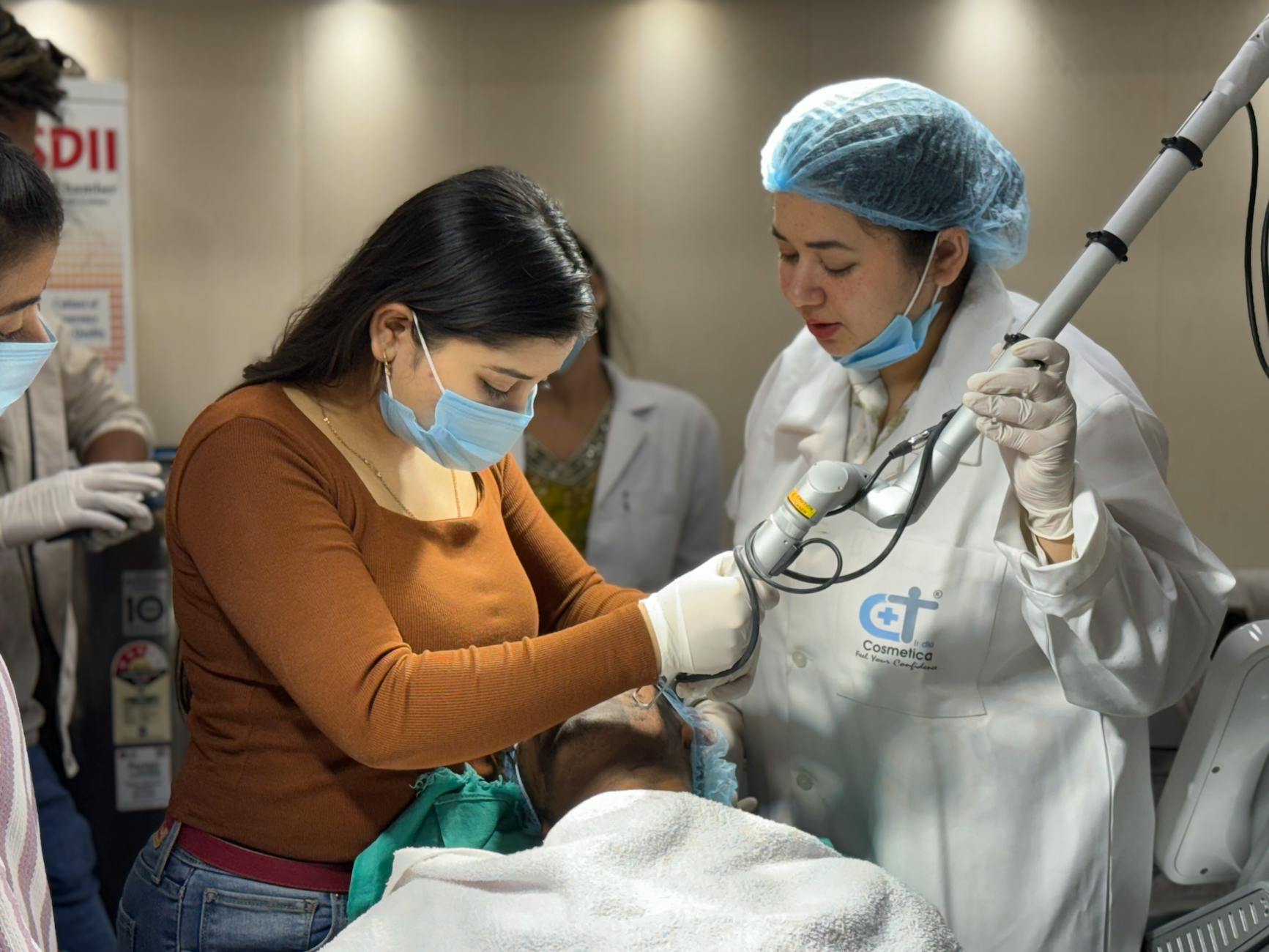
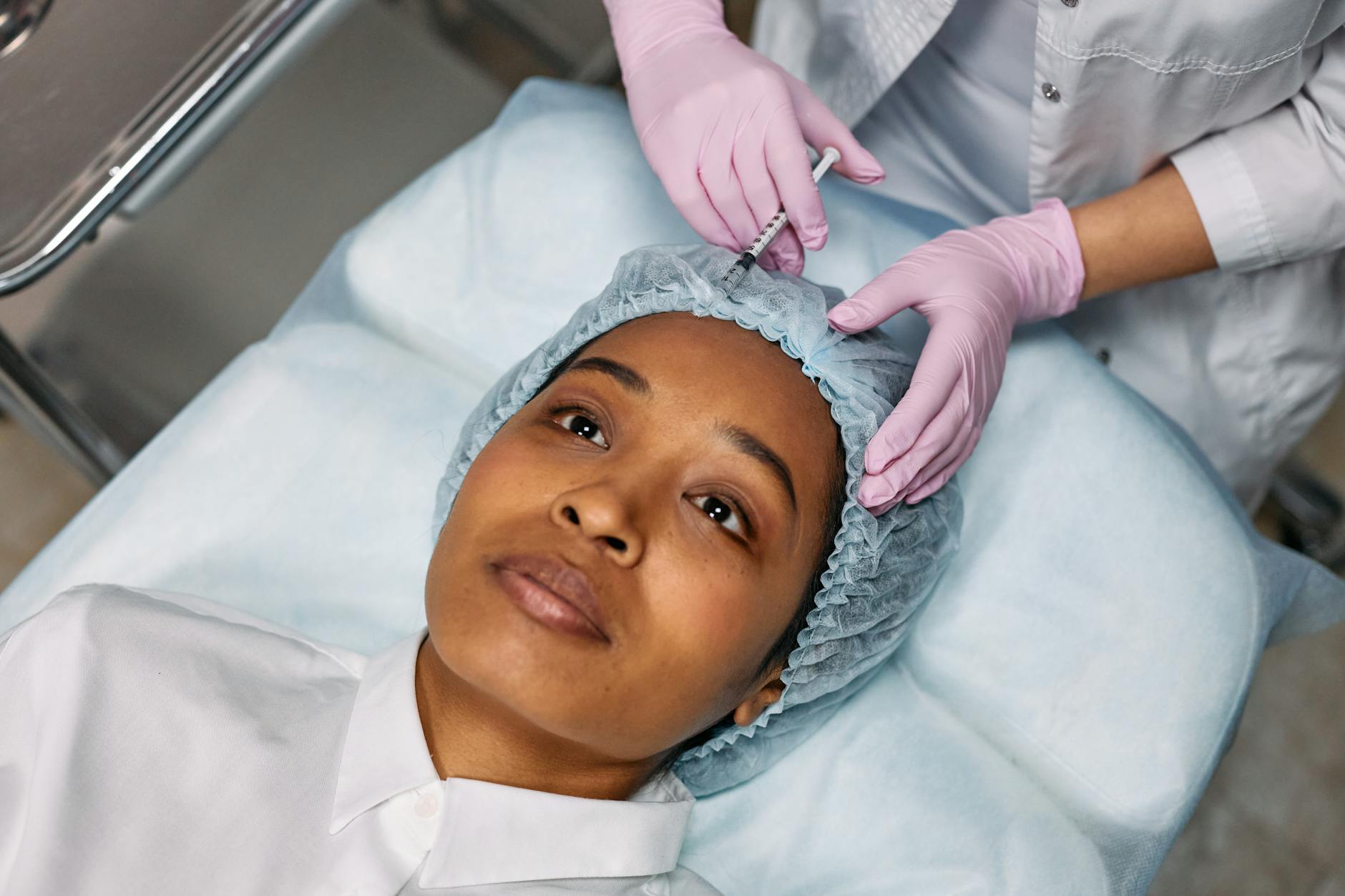
Hair transplant surgery is a medical procedure where dermatologists move healthy hair follicles from one area of your scalp to areas experiencing hair loss. This surgical hair restoration technique permanently relocates living hair roots, creating natural-looking coverage in balding or thinning spots.
“Hair transplant surgery permanently relocates living hair roots, creating natural-looking coverage in balding or thinning spots.”
Dermatologists perform hair transplants by extracting individual follicles or small strips of hair-bearing skin from donor areas, typically the back of your head where hair grows thickest. They then carefully implant these follicles into recipient areas using precise surgical techniques. The transplanted hair continues growing naturally because the follicles retain their original characteristics.
Unlike non-surgical treatments such as topical medications, laser therapy, or hair growth shampoos, transplant surgery provides permanent results through actual hair relocation. While treatments like minoxidil or finasteride may slow hair loss or stimulate existing follicles, they cannot create new hair in completely bald areas.
The procedure addresses concerns about permanent scarring through advanced techniques that minimize visible marks, helping patients regain confidence without obvious signs of surgical intervention.
Types of Hair Transplant Techniques

Dermatologists use two primary surgical methods to restore hair growth. Each technique offers distinct advantages depending on your specific hair loss pattern and lifestyle needs.
"The choice between FUT and FUE depends entirely on your scalp condition, hair goals, and healing preferences."
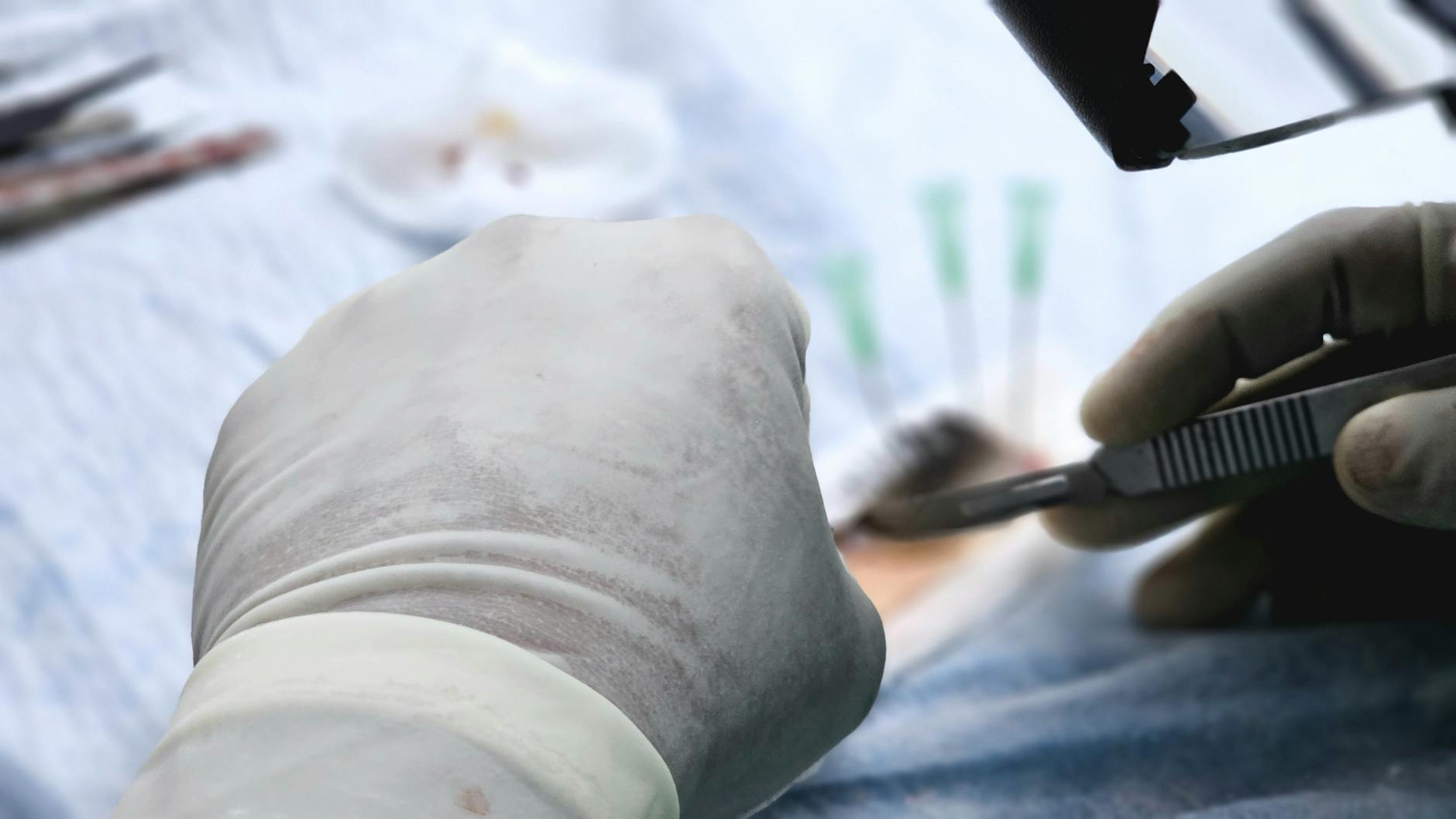
Follicular Unit Transplantation (FUT) involves removing a strip of skin from the back of your scalp, then separating individual hair follicles under a microscope. This method allows surgeons to harvest large numbers of grafts efficiently. FUT typically leaves a linear scar that hair growth can conceal, addressing concerns about permanent scarring when performed correctly.
Follicular Unit Extraction (FUE) extracts individual hair follicles directly from your scalp using tiny punches. This technique creates multiple small, dot-like marks instead of one linear scar. FUE works well for patients who prefer shorter hairstyles or have tight scalps.
Your dermatologist considers factors like hair texture, scalp elasticity, desired coverage area, and healing history when recommending a technique. For example, patients with curly hair often benefit from FUT because the natural texture helps camouflage the linear scar more effectively.
Who Is a Good Candidate?
Not everyone experiencing hair loss qualifies for transplant surgery. The best candidates have stable hair loss patterns with healthy donor areas at the back and sides of their scalp. Your surgeon needs sufficient hair follicles to harvest and transplant to balding areas.
Medical conditions like autoimmune disorders, uncontrolled diabetes, or blood clotting issues may disqualify you temporarily or permanently. Age matters too—surgeons typically wait until patients reach 25 since hair loss patterns stabilize by then. For example, a 22-year-old with early recession might see continued loss after surgery, requiring additional procedures.
Your lifestyle affects recovery success. Smokers face higher infection risks and slower healing. Heavy drinkers may experience complications during surgery. Modern techniques minimize visible scarring concerns, though some temporary redness occurs during the healing process.
The Hair Transplant Process
Understanding what happens during hair transplant surgery helps reduce anxiety about the procedure. The process follows a structured approach that prioritizes both safety and natural-looking results.
Your pre-operative consultation occurs one to two weeks before surgery. Your surgeon examines your scalp, discusses realistic expectations, and provides detailed instructions. You'll stop taking blood-thinning medications and avoid alcohol for several days before the procedure. The night before surgery, wash your hair thoroughly with regular shampoo.
Local anesthetic numbs both donor and recipient areas, ensuring comfort throughout the 4-8 hour procedure.
Surgeon extracts hair follicles from the back of your head using either strip removal or individual extraction techniques.
Technicians carefully place each follicle into tiny incisions made in the balding areas following your natural hair pattern.
Immediately after surgery, your scalp will have small scabs around each transplanted follicle. This is completely normal and not permanent scarring. You'll receive detailed care instructions including how to sleep with your head elevated and when to gently wash your hair. Most patients return to work within a few days, though you should avoid strenuous activities for two weeks.
Recovery and Results Timeline

Understanding your recovery timeline helps set realistic expectations and reduces anxiety about the healing process. The first week requires careful attention to your scalp's needs.
Keep your scalp dry, avoid washing, and sleep with your head elevated to minimize swelling.
Start gentle washing with prescribed shampoo and avoid direct sun exposure or heavy physical activity.
Transplanted hairs may fall out temporarily—this is normal and expected as follicles enter the growth cycle.
Hair growth follows a predictable pattern. New growth typically appears around month three, with noticeable thickness developing by month six. Full results emerge between 12-18 months as follicles complete their natural growth cycle.
Long-term maintenance involves protecting your scalp from sun damage and following your surgeon's care guidelines. Some patients combine treatments like Chemical Peels for overall skin health, though these should only be performed after complete healing and with your surgeon's approval.
Risks and Considerations
Understanding potential complications helps you make an informed decision about hair transplant surgery. Most side effects are temporary and manageable with proper care.
Common side effects include swelling around the forehead and eyes, typically peaking on the third day after surgery. Temporary numbness in the donor and recipient areas usually resolves within a few months. Some patients experience temporary shock loss, where existing hair falls out but regrows stronger.
Serious complications remain rare but include infection, excessive bleeding, or permanent nerve damage. Poor technique can result in unnatural-looking hairlines or patchy growth patterns that require corrective surgery.
Set realistic expectations about results. Hair transplants don't create new hair follicles—they redistribute existing ones. Success depends on having adequate donor hair and realistic goals about coverage density.
Choose an experienced surgeon and follow all post-operative instructions to minimize risks and maximize your chances of natural-looking results.
Frequently Asked Questions
What is hair transplant surgery?
Hair transplant surgery is a medical procedure where dermatologists move healthy hair follicles from one area of your scalp to areas experiencing hair loss. This surgical hair restoration technique permanently relocates living hair roots, creating natural-looking coverage in balding or thinning spots. Unlike non-surgical treatments, transplant surgery provides permanent results through actual hair relocation.
What are the different types of hair transplant techniques?
There are two primary hair transplant methods: Follicular Unit Transplantation (FUT) and Follicular Unit Extraction (FUE). FUT involves removing a strip of skin from the back of your scalp and separating individual hair follicles, while FUE extracts individual follicles directly using tiny punches. FUT typically leaves a linear scar that can be concealed by hair growth, while FUE creates multiple small, dot-like marks.
Who is a good candidate for hair transplant surgery?
The best candidates for hair transplant surgery have stable hair loss patterns with healthy donor areas at the back and sides of their scalp. Your surgeon needs sufficient hair follicles to harvest and transplant to balding areas. The minimum recommended age is 25, and good candidates have a 90% success rate.
How long does it take to see results from a hair transplant?
Full results from hair transplant surgery typically take 6-12 months to become visible. The transplanted hair continues growing naturally because the follicles retain their original characteristics. Both FUT and FUE methods have an 85% success rate, with surgeons able to transplant up to 2000 grafts per session.
Will hair transplant surgery leave permanent scars?
Modern hair transplant techniques minimize visible scarring through advanced surgical methods. FUT typically leaves a linear scar that hair growth can conceal when performed correctly, while FUE creates multiple small, dot-like marks instead of one linear scar. The procedure addresses concerns about permanent scarring, helping patients regain confidence without obvious signs of surgical intervention.
Disclaimer: This content is for informational purposes only and does not constitute medical advice. Always consult a qualified healthcare provider before making health decisions.