Understanding Scar Revision Surgery

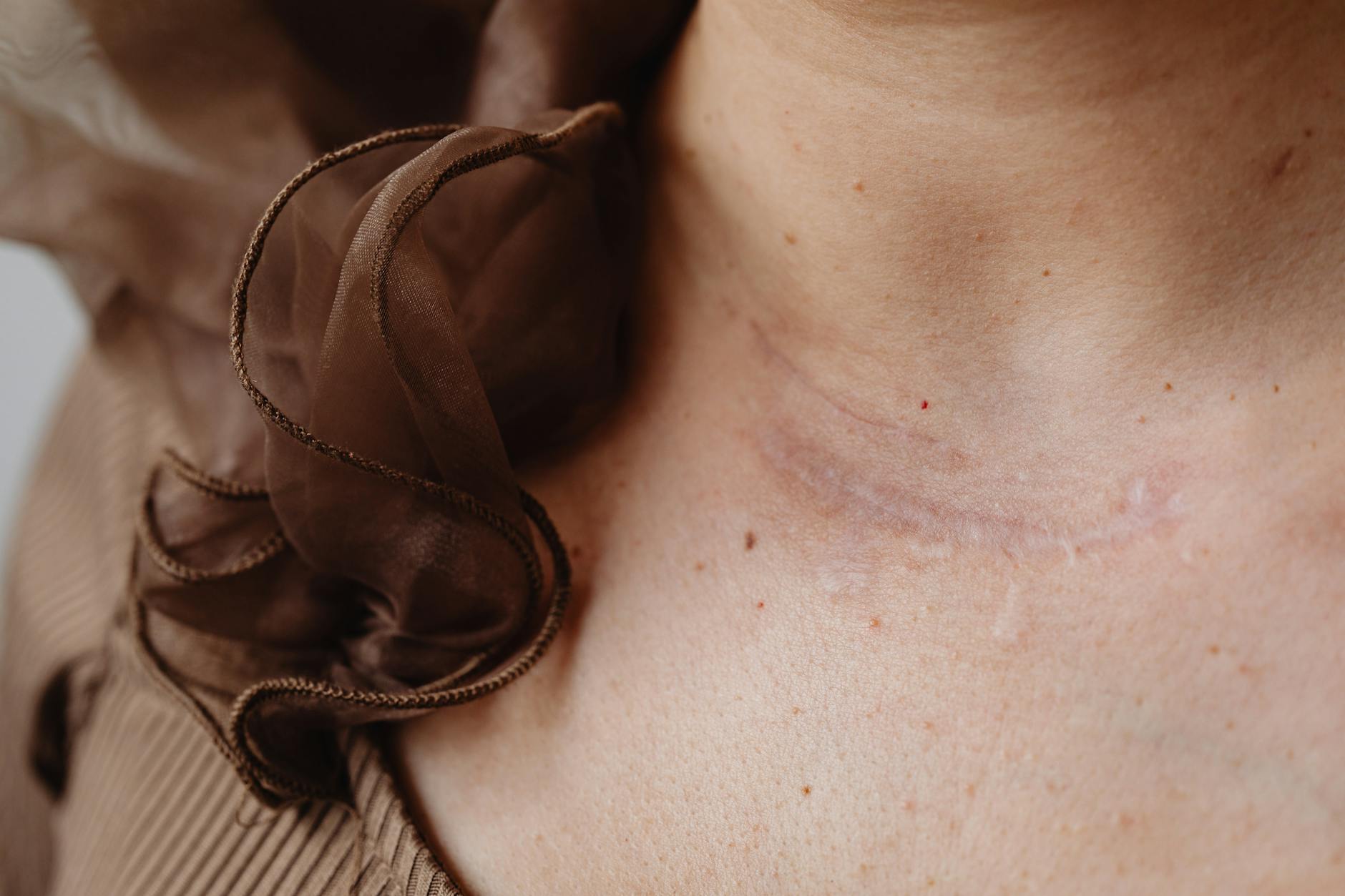
Scar revision surgery is a specialized procedure that improves the appearance, texture, and function of existing scars. This surgical approach physically removes or modifies scar tissue to create a more aesthetically pleasing result and restore normal skin function.
“Scar revision surgery transforms problematic scars into thin, barely visible lines that blend naturally with your skin.”
The procedure treats various scar types including keloids, hypertrophic scars, contracture scars, and wide or depressed scars. Keloids extend beyond the original wound boundaries, while hypertrophic scars remain raised but within the injury site. Contracture scars from burns can restrict movement, and depressed scars create uneven skin texture.
Doctors recommend surgical intervention when scars cause functional problems, restrict movement, or create significant cosmetic concerns that non-surgical treatments cannot address. For example, a thick scar across a joint that limits finger movement requires surgical correction, while topical treatments might suffice for minor discoloration.
Surgery becomes the preferred option when scars are mature (at least one year old), cause physical discomfort, or significantly impact your confidence and daily activities. Your surgeon will evaluate scar characteristics, skin type, and healing patterns before recommending the best surgical approach.
Types of Scar Revision Techniques
Surgeons use several specialized techniques to improve scar appearance, each targeting specific types of scarring. The approach your doctor chooses depends on your scar's size, location, and characteristics.
“The key to successful scar revision is matching the right technique to your specific scar type and skin condition.”
Z-plasty and W-plasty represent geometric surgical techniques that break up straight scar lines. Z-plasty creates a zigzag pattern that helps scars blend with natural skin creases, while W-plasty uses small triangular cuts to camouflage linear scars. These methods work particularly well for scars on the face and joints.
For larger areas of damaged skin, surgeons may recommend skin grafts or tissue expansion. Skin grafts involve transplanting healthy skin from another body area to cover the scarred region. Tissue expansion gradually stretches nearby healthy skin using an inflatable device placed under the skin, creating extra tissue to replace the scarred area.
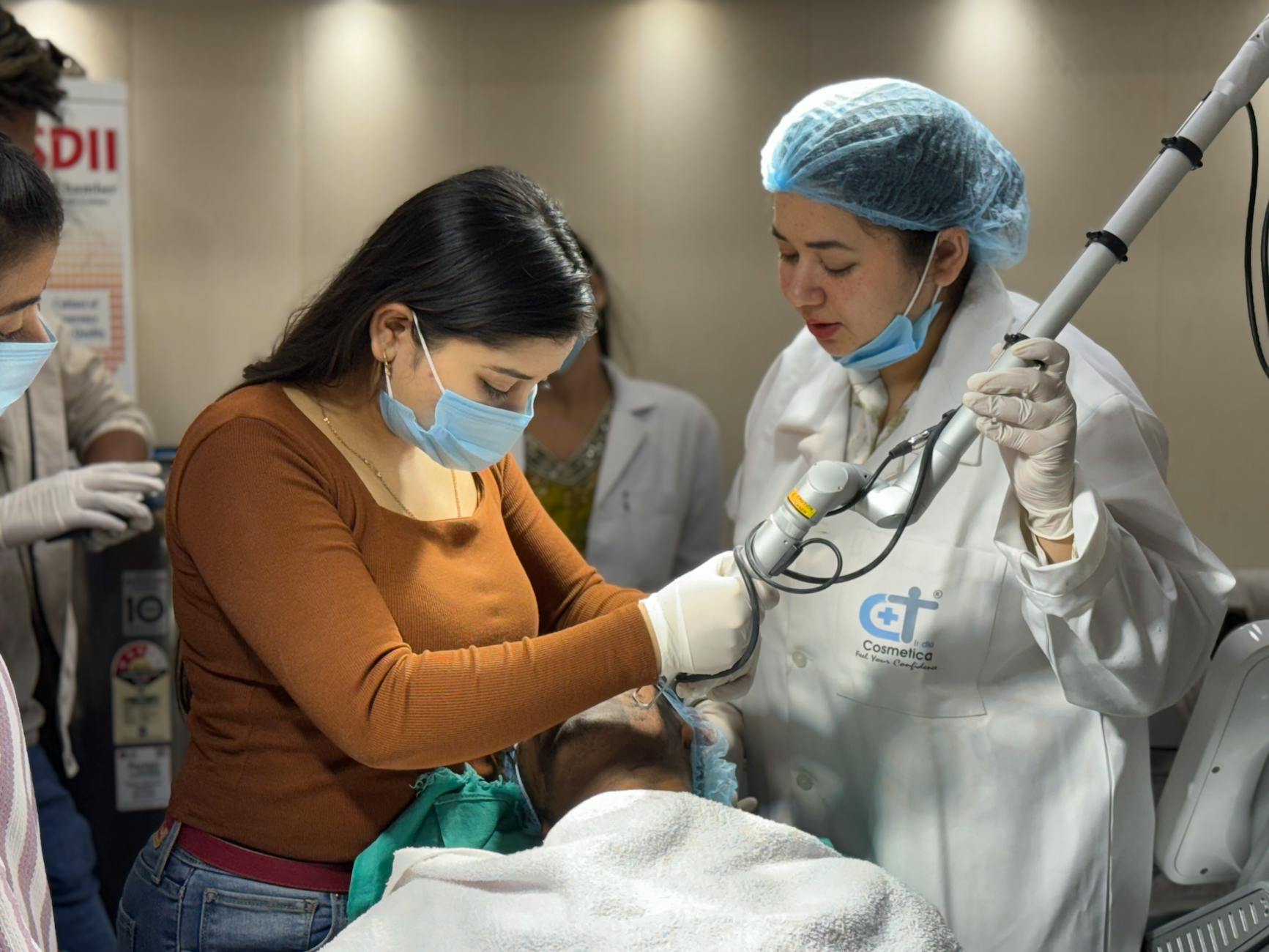
Laser scar revision uses focused light energy to resurface scarred skin and stimulate new collagen production. This non-invasive option works well for surface-level scars and can significantly reduce redness and texture irregularities.
Surgical excision simply removes the entire scar and closes the wound with precise suturing techniques. This straightforward approach often produces thinner, less noticeable scars, addressing concerns about permanent scarring that many patients face.
Combining Treatments for Better Results

Scar revision surgery rarely works alone. Most dermatologists combine surgical techniques with additional treatments to maximize results and minimize the risk of new scar formation. This multi-layered approach addresses different aspects of scarring simultaneously.
Chemical Peels work exceptionally well alongside surgical procedures. These acid treatments remove damaged skin layers through controlled chemical exfoliation, improving texture and evening skin tone. When combined with surgery, Chemical Peels help smooth residual irregularities and blend treated areas with surrounding skin. The timing matters—peels typically follow surgical healing by several weeks.
Multi-stage treatment approaches are common for complex scars. Your surgeon might perform initial surgery to reduce scar size, followed by laser treatments for texture refinement, then Chemical Peels for final smoothing. Each stage builds upon the previous one.
Comprehensive care optimizes outcomes by addressing underlying causes while treating existing scars. This coordinated approach reduces the chance of disappointing results and helps achieve the clear skin you're seeking more reliably than single treatments alone.
Preparing for Scar Revision Surgery
Your surgeon will conduct a thorough medical evaluation to determine if you're a good candidate for scar revision. This assessment includes examining your scar type, skin condition, and overall health. Factors like smoking, certain medications, and medical conditions can affect healing and surgical outcomes.
Discontinue smoking at least two weeks before surgery and avoid blood-thinning medications as directed.
Plan for transportation home and assistance with daily activities during initial recovery.
Stock up on prescribed medications and create a comfortable healing environment at home.
Understanding realistic expectations helps reduce anxiety about permanent scarring. While scar revision significantly improves appearance, complete elimination isn't always possible. Your surgeon will show you before-and-after photos of similar cases to demonstrate likely results.
Timeline considerations vary by procedure complexity. Simple revisions may require one to two weeks off work, while extensive procedures need longer recovery periods. Most patients see initial improvements within weeks, with final results visible after several months as tissues fully heal.
Recovery and Aftercare
Your recovery begins immediately after surgery with proper wound care protocols. Keep the surgical site clean and dry for the first 24-48 hours. Your surgeon will provide specific cleaning instructions, typically involving gentle saline solution or mild soap and water. Change dressings as directed, usually every 1-2 days initially.
Keep the area completely dry and avoid removing initial bandages.
Begin gentle cleaning with saline solution twice daily.
Apply prescribed ointments and gradually increase activity levels.
Activity restrictions vary by procedure location and extent. Avoid heavy lifting, intense exercise, and direct sun exposure for 2-6 weeks. Swimming and soaking should wait until your surgeon confirms complete wound closure, typically after 10-14 days.
Monitor for signs of proper healing: decreasing redness, minimal clear drainage, and edges staying together. Seek immediate medical attention if you notice increasing pain, pus, red streaking, or fever above 101°F, as these indicate possible infection.
Results and What to Expect

Scar revision results vary significantly based on your original scar type, skin characteristics, and healing response. Most patients notice initial improvements within 2-4 weeks as swelling subsides, but the full transformation takes much longer than many expect.
Your scar will continue maturing for 12-18 months after surgery. During this time, it gradually softens, flattens, and fades. Factors like age, genetics, sun exposure, and following aftercare instructions directly impact your final outcome.
Some patients require additional treatments or touch-up procedures. For example, thick keloid scars might need steroid injections, while wide scars could benefit from a second revision. Your surgeon will monitor your progress and recommend adjustments if needed to achieve the best possible result for your specific situation.
Is Scar Revision Surgery Right for You?
Ideal candidates for scar revision surgery have mature scars that have stopped changing for at least six months to a year. Your scar should significantly impact your quality of life or function, and you need realistic expectations about outcomes. Good candidates also have healthy skin around the scar area and don't smoke, as smoking impairs healing.
Consider alternatives first if your scar is relatively new, barely noticeable, or if you have active skin conditions. Non-surgical treatments like laser therapy, chemical peels, or steroid injections might address your concerns with less risk and downtime.
Schedule a consultation with a board-certified dermatologist or plastic surgeon to evaluate your specific situation. They'll assess your scar type, skin condition, and medical history to recommend the best approach. This consultation helps address concerns about permanent scarring while determining if surgery will achieve your goals for clearer skin.
Only pursue scar revision surgery after consulting with a qualified specialist who can assess whether you're a good candidate and discuss all available options.
Frequently Asked Questions
What is scar revision surgery?
Scar revision surgery is a specialized procedure that improves the appearance, texture, and function of existing scars. This surgical approach physically removes or modifies scar tissue to create a more aesthetically pleasing result and restore normal skin function. The procedure treats various scar types including keloids, hypertrophic scars, contracture scars, and wide or depressed scars.
When should I consider scar revision surgery?
Doctors recommend surgical intervention when scars cause functional problems, restrict movement, or create significant cosmetic concerns that non-surgical treatments cannot address. Surgery becomes the preferred option when scars are mature (at least one year old), cause physical discomfort, or significantly impact your confidence and daily activities. For example, a thick scar across a joint that limits finger movement requires surgical correction.
What are the different types of scar revision techniques?
Surgeons use several specialized techniques including Z-plasty and W-plasty, which create geometric patterns to break up straight scar lines and help scars blend with natural skin creases. For larger areas, skin grafts or tissue expansion may be used, where healthy skin is transplanted or nearby skin is gradually stretched. Other options include laser scar revision for surface-level scars and surgical excision which removes the entire scar and closes the wound with precise suturing.
Can scar revision surgery be combined with other treatments?
Yes, scar revision surgery rarely works alone and most dermatologists combine surgical techniques with additional treatments to maximize results. Chemical peels work exceptionally well alongside surgical procedures by removing damaged skin layers and improving texture. Multi-stage treatment approaches are common for complex scars, with treatments typically timed several weeks after surgical healing.
Disclaimer: This content is for informational purposes only and does not constitute medical advice. Always consult a qualified healthcare provider before making health decisions.