Quick Verdict: Which Method Should You Choose?

Electrosurgery curettage works best for raised growths like seborrheic keratoses and warts, while laser removal excels for pigmented lesions and areas where minimal scarring matters most. Your skin type and the specific condition determine the right approach.
“The method that removes your lesion completely the first time is always better than multiple treatments that leave you worried about results.”
Choose electrosurgery curettage when you have thick, raised lesions that need thorough removal. The scraping action ensures complete elimination of abnormal tissue, reducing recurrence rates significantly. This method handles stubborn growths that other techniques often miss.
Opt for laser treatment when working on visible areas like your face, where precision and minimal tissue damage matter more than aggressive removal. Cryotherapy suits simple warts and small lesions, while surgical excision works best for suspicious growths requiring pathology testing.
Your dermatologist will consider lesion depth, location, your healing tendencies, and whether tissue analysis is needed before recommending the most effective approach for your specific situation.
Electrosurgery Curettage vs Surgical Excision: The Complete Breakdown

Both electrosurgery curettage and surgical excision remove unwanted skin lesions, but they work in fundamentally different ways. Understanding these differences helps you make the right choice for your specific situation.
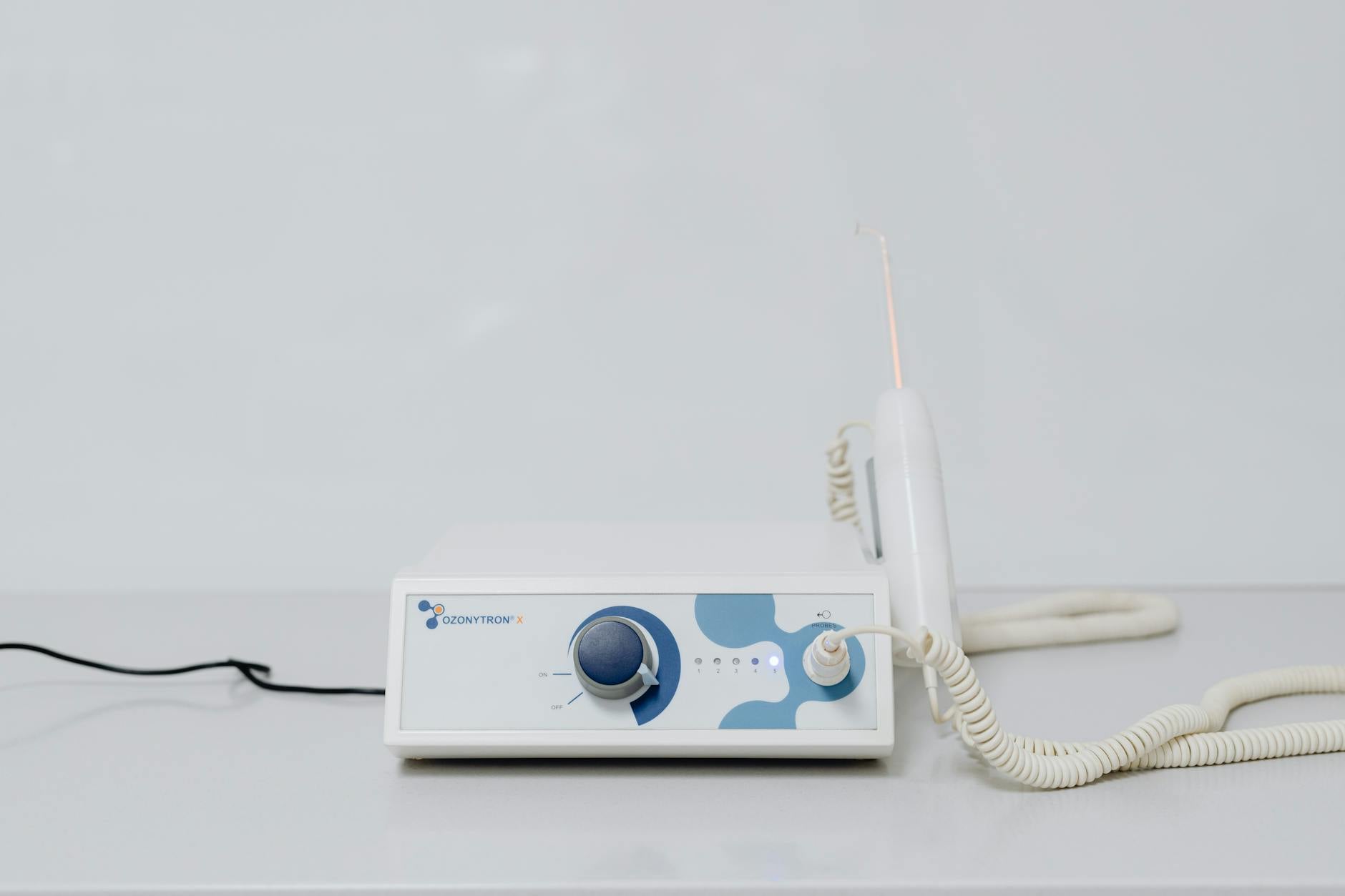
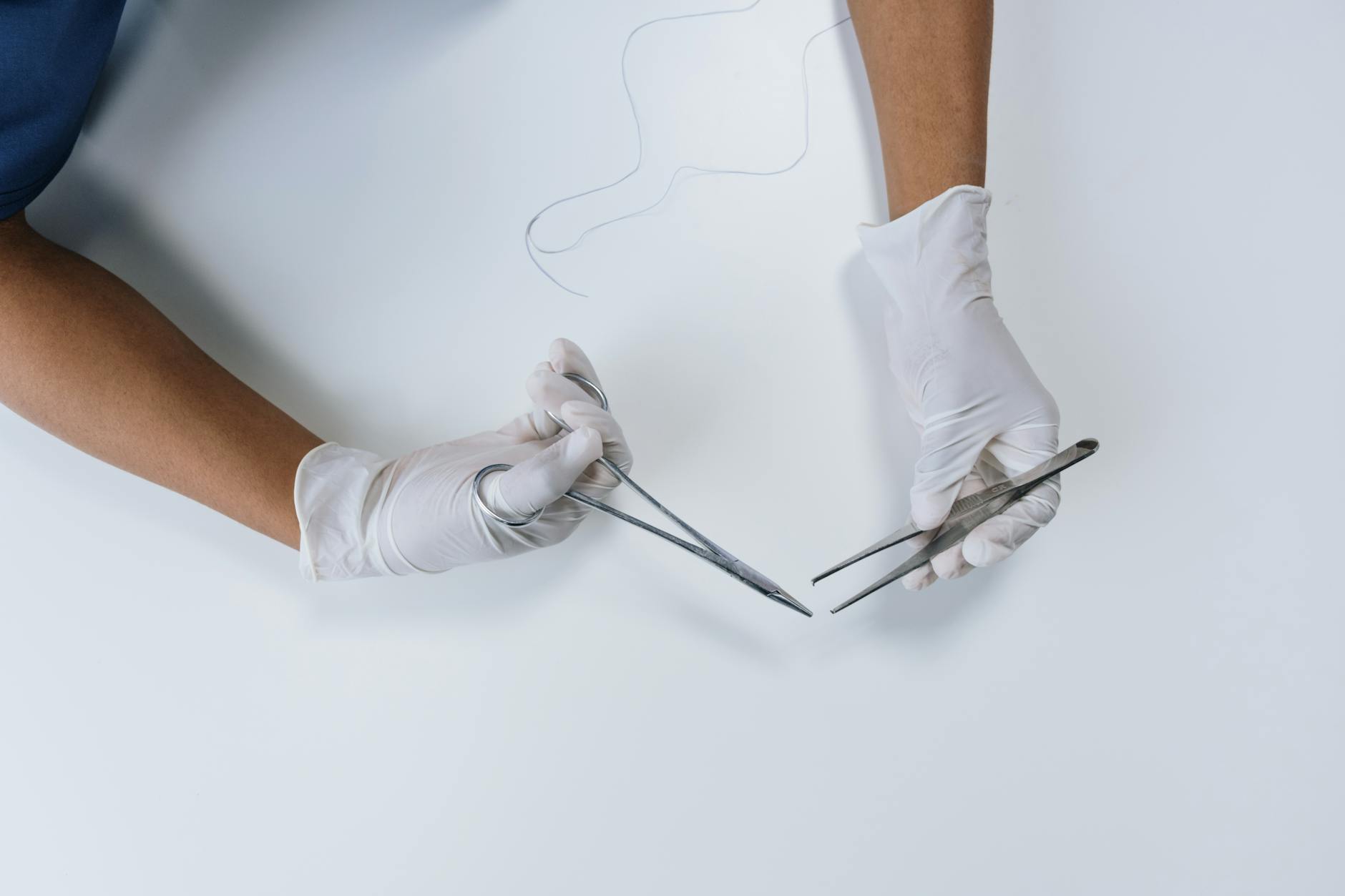
Electrosurgery curettage uses an electric current to heat and destroy tissue while simultaneously scraping it away with a spoon-shaped instrument called a curette. The procedure burns and removes the lesion in layers, creating a controlled wound that heals from the bottom up. Surgical excision, by contrast, cuts out the entire lesion with a scalpel, removing it in one piece along with a margin of healthy tissue.
“The scarring concern that keeps many patients awake at night often drives them toward the wrong treatment choice.”
Recovery time differs significantly between these methods. Electrosurgery curettage typically heals in 2-4 weeks with minimal downtime, while surgical excision requires 1-2 weeks for suture removal plus additional healing time. Most patients return to normal activities within days after curettage but may need to limit movement after excision.
Scarring patterns vary considerably. Curettage leaves round, slightly depressed scars that fade to white over time. Excision creates linear scars that, when done skillfully, often become nearly invisible thin lines. For facial lesions, excision usually provides superior cosmetic results.
Effectiveness depends heavily on the lesion type. Curettage works excellently for superficial basal cell carcinomas, seborrheic keratoses, and benign growths. Excision remains the gold standard for melanomas, deep skin cancers, and lesions requiring pathological analysis. For example, a small seborrheic keratosis on your back responds beautifully to curettage, while a suspicious mole needs complete excision for proper diagnosis.
Treatment Comparison Table
Choosing the right skin removal method becomes clearer when you see the key differences side by side. Here's how electrosurgery curettage compares to other common treatments across the factors that matter most to patients.
Procedure time varies dramatically. Electrosurgery curettage takes 10-20 minutes per lesion, while surgical excision requires 30-45 minutes. Laser treatments fall in between at 15-30 minutes depending on the target area.
Anesthesia requirements stay minimal for most methods. Both electrosurgery curettage and laser treatments use only local numbing, while surgical excision may need stronger anesthesia for larger removals.
Recovery periods differ significantly. Electrosurgery curettage heals in 1-2 weeks with proper care. Surgical excision takes 2-4 weeks due to sutures, while laser treatments often heal fastest at 5-10 days.
Scarring potential remains your biggest concern with any skin removal. Electrosurgery curettage typically leaves minimal white marks that fade over months. Surgical excision creates thin line scars, while laser treatments often leave the least visible evidence when performed correctly.
Alternative Methods: Cryotherapy, Laser, and Chemical Treatments

Beyond electrosurgery curettage, several non-surgical alternatives offer effective skin lesion removal with different advantages. Understanding these options helps you make informed decisions about your skin care treatment plan.
Cryotherapy uses liquid nitrogen to freeze unwanted skin growths, making it particularly effective for warts, seborrheic keratoses, and actinic keratoses. The controlled freezing destroys abnormal tissue while preserving surrounding healthy skin. Most patients experience minimal discomfort during the brief procedure, though temporary blistering and pigment changes may occur. Recovery typically takes 1-2 weeks with proper wound care.
Laser removal offers precision targeting for specific lesion types, birthmarks, and age spots. Different laser wavelengths treat various skin concerns with minimal bleeding and reduced scarring risk compared to surgical methods. However, laser treatments often require multiple sessions and cost significantly more than other options.
Chemical Peels provide excellent results for surface-level skin concerns including acne scars, fine lines, age spots, and uneven skin tone. During treatment, acid solutions remove damaged skin layers through controlled chemical exfoliation. The procedure involves cleansing the skin, applying the chemical solution evenly, leaving it for a predetermined time, then neutralizing or allowing self-neutralization. Patients see improved skin texture and reduced pigmentation within 1-4 weeks, with proper sun protection essential during healing.
Which Method is Right for Your Situation?
Choosing the right skin removal method depends on several factors that are unique to your situation. The type and size of your skin lesion matters most – electrosurgery curettage works best for raised growths like seborrheic keratoses and basal cell carcinomas, while laser treatments excel at flat pigmented spots and sun damage.
Your cosmetic priorities play a crucial role in this decision. If you're treating a growth on your face or another visible area, laser therapy typically produces the most refined results with minimal scarring risk. However, if medical necessity takes precedence over appearance – such as removing a suspicious mole – electrosurgery curettage might be your dermatologist's first choice due to its thoroughness and ability to provide tissue for analysis.
Age and healing capacity significantly influence treatment selection. Younger patients generally heal faster from any procedure, while older adults might benefit from gentler methods like cryotherapy for simple sun spots. Your activity level matters too – athletes or physically active individuals often prefer faster procedures like electrosurgery curettage despite longer healing times, while professionals with social commitments might choose laser treatments for quicker recovery.
Consider your tolerance for downtime carefully. Cryotherapy requires 1-2 weeks of healing, laser treatments need 3-7 days, while electrosurgery curettage may require 2-4 weeks. Your dermatologist will help match the method to your specific lesion characteristics and lifestyle needs.
The best skin removal method balances your lesion type, cosmetic goals, healing capacity, and lifestyle demands – discuss all these factors openly with your dermatologist.
Frequently Asked Questions
Which is better for facial lesions, electrosurgery curettage or laser removal?
Laser removal excels for facial lesions and areas where minimal scarring matters most. For facial lesions, laser treatment provides superior precision and minimal tissue damage compared to the more aggressive removal approach of electrosurgery curettage. Surgical excision also often provides better cosmetic results for facial areas, creating linear scars that can become nearly invisible thin lines when done skillfully.
How long does electrosurgery curettage take to heal compared to surgical excision?
Electrosurgery curettage typically heals in 2-4 weeks with minimal downtime, and most patients return to normal activities within days. Surgical excision requires 1-2 weeks for suture removal plus additional healing time, and patients may need to limit movement during recovery. Overall, curettage offers a faster return to normal activities than surgical excision.
What types of skin lesions work best with electrosurgery curettage?
Electrosurgery curettage works best for raised growths like seborrheic keratoses, warts, superficial basal cell carcinomas, and other benign growths. The scraping action ensures complete elimination of abnormal tissue and handles stubborn growths that other techniques often miss. It's particularly effective for thick, raised lesions that need thorough removal.
What kind of scars does electrosurgery curettage leave?
Electrosurgery curettage leaves round, slightly depressed scars that fade to white over time. This differs from surgical excision, which creates linear scars that can become nearly invisible thin lines when performed skillfully. The scarring pattern is one of the key considerations when choosing between treatment methods.
When should I choose surgical excision over electrosurgery curettage?
Surgical excision should be chosen for suspicious growths requiring pathology testing, melanomas, and deep skin cancers. It remains the gold standard when tissue analysis is needed for proper diagnosis. Excision is also preferred for facial lesions where superior cosmetic results are important, as it typically provides better scarring outcomes than curettage.
Disclaimer: This content is for informational purposes only and does not constitute medical advice. Always consult a qualified healthcare provider before making health decisions.