Pre-Procedure Consultation and Assessment

Your dermatologist consultation serves as the foundation for a successful electrosurgery curettage procedure. This comprehensive evaluation protects your safety and helps achieve the clear skin results you're seeking without unwanted complications.
During your medical history review, your doctor will examine your complete health background, including previous skin treatments, allergies, and any conditions that might affect healing. This thorough assessment helps identify potential risks that could lead to scarring or poor outcomes. Your provider will also review your current medications, particularly blood thinners, immunosuppressants, or acne treatments like isotretinoin, which can significantly impact the healing process.
“A thorough pre-procedure assessment is your best defense against complications and ensures optimal healing.”
The skin condition evaluation involves examining the specific lesions targeted for treatment, determining their size, depth, and location. Your dermatologist will photograph the areas and discuss realistic expectations about healing time and final appearance. For example, lesions on the face typically heal within two weeks with minimal scarring, while areas on the body may take longer.
This consultation phase also addresses your concerns about permanent marking or social downtime. Your provider will create a personalized treatment plan that aligns with your lifestyle and aesthetic goals, ensuring you feel confident about proceeding.
Medications and Supplements to Avoid

Certain medications increase bleeding during electrosurgery curettage, which can interfere with healing and potentially affect your final results. Your doctor will provide specific timing for stopping these medications based on your individual situation.
Blood thinners require the longest pause before your procedure. Warfarin should typically be stopped five days beforehand, while newer medications like rivaroxaban need only two to three days. Aspirin and clopidogrel also fall into this category. Never stop prescription blood thinners without your doctor's explicit approval, as this could create serious health risks.
"Never stop prescription blood thinners without your doctor's explicit approval, as this could create serious health risks."
Common anti-inflammatory medications like ibuprofen, naproxen, and high-dose aspirin can increase bleeding for up to one week after stopping. Switch to acetaminophen for pain relief during this period if needed.
Herbal supplements pose hidden risks. Fish oil, ginkgo biloba, garlic supplements, and ginseng all affect blood clotting. Stop these at least one week before your procedure.
Contact your prescribing physician immediately if you take any blood-thinning medications. They may need to adjust dosages or provide alternative medications during your recovery period to maintain your safety while ensuring optimal healing.
Skin Preparation Guidelines
Proper skin preparation reduces complications and helps your skin heal smoothly after electrosurgery curettage. Your dermatologist wants your skin in optimal condition before the procedure.
Use a mild, fragrance-free cleanser twice daily starting one week before your procedure.
Stop using retinoids, exfoliating scrubs, and acne medications 48-72 hours before your appointment.
Apply broad-spectrum SPF 30+ sunscreen daily and avoid tanning beds completely.
Discontinue Chemical Peels at least two weeks before your procedure. These acid treatments remove damaged skin layers but can make your skin more sensitive to electrosurgery. Your dermatologist may also ask you to pause other professional treatments like microdermabrasion or laser therapy.
Following these guidelines helps prevent excessive irritation and supports proper healing, reducing your risk of scarring or pigmentation changes.
What to Expect on Procedure Day
Understanding the day-of-procedure process helps reduce anxiety about your electrosurgery curettage appointment. Plan to arrive 15-20 minutes early for check-in, which includes verifying your medical history and reviewing consent forms.
A nurse will clean your skin with antiseptic solution and review your medical history.
Your dermatologist will inject lidocaine into the treatment area to ensure complete numbness.
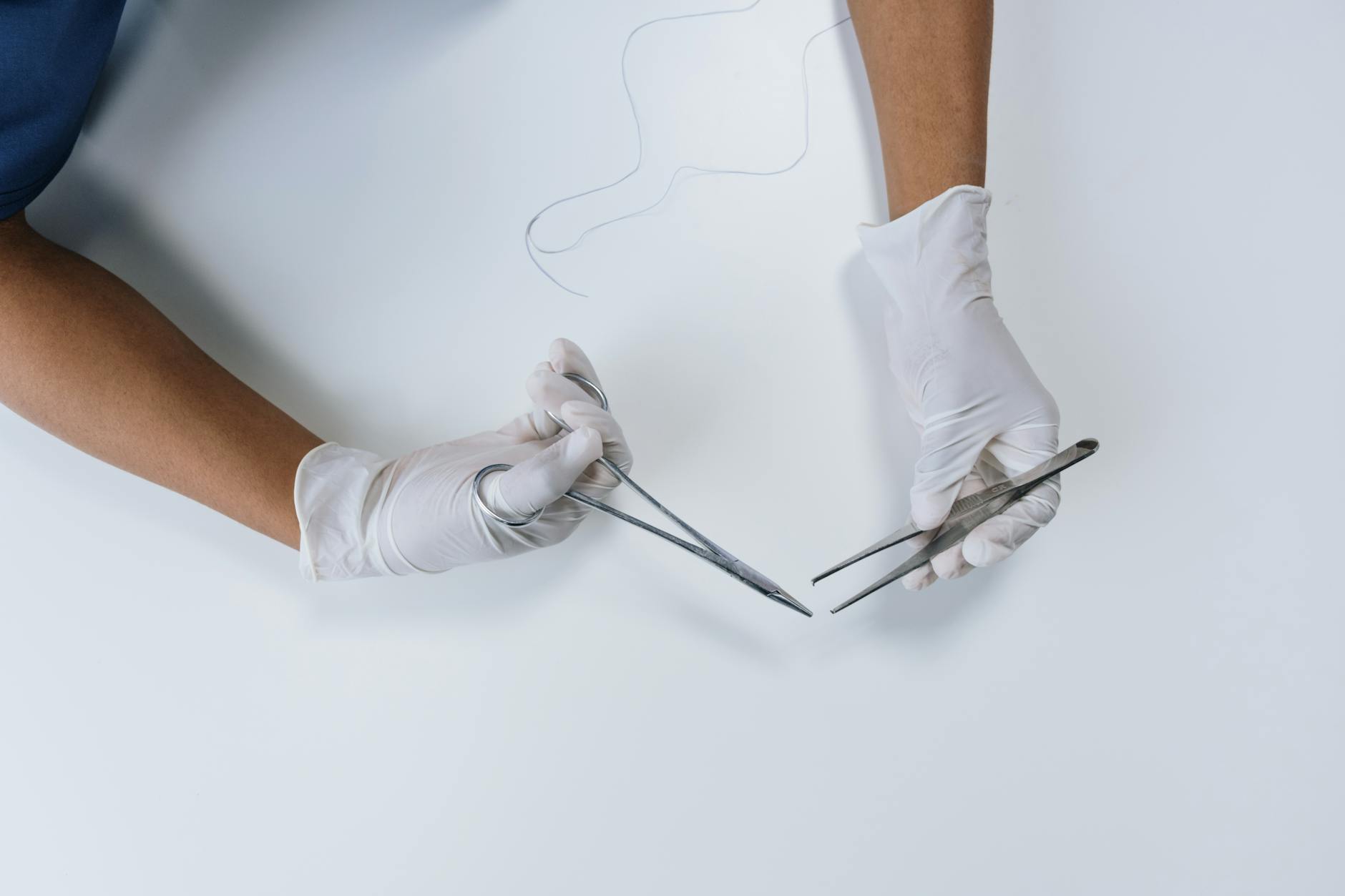
The doctor will use electrical current to remove tissue, then scrape the area clean with a curette tool.
The treatment site receives antibiotic ointment and protective dressing before you leave.
Most procedures take 15-30 minutes depending on the size and number of lesions. Your doctor will discuss proper healing expectations to address concerns about scarring, emphasizing that following post-care instructions significantly reduces this risk. You can drive yourself home since only local anesthesia is used.
Final Preparation Checklist

Follow this timeline to ensure you're properly prepared for your electrosurgery curettage procedure.
Stop all blood-thinning medications as directed, avoid alcohol, and arrange transportation home.
Eat a light meal, take prescribed medications with small sips of water, and arrive 15 minutes early.
Bring your insurance card, photo ID, list of current medications, and someone to drive you home.
Choose loose, comfortable clothing that won't rub against the treatment area during healing.
Proper preparation reduces complications and supports optimal healing, helping you achieve the clear skin results you want while minimizing any scarring concerns.
Common Preparation Mistakes to Avoid
Even well-intentioned patients make simple mistakes that can delay their electrosurgery curettage procedure or affect healing outcomes. Understanding these common pitfalls helps you navigate preparation smoothly.
Medication timing errors top the list of preparation mistakes. Taking aspirin or ibuprofen within seven days before your procedure increases bleeding risk. Some patients forget that certain supplements like fish oil and vitamin E also affect blood clotting. Always double-check your medication list with your dermatologist.
Skin care mistakes frequently occur when patients try to "clean up" the treatment area beforehand. Avoid aggressive scrubbing, new products, or DIY treatments in the days leading up to your appointment. These actions can irritate your skin and complicate the procedure.
Communication oversights create unnecessary stress. Failing to confirm your appointment time or forgetting to mention prescription changes can disrupt scheduling. Contact your dermatologist's office immediately if any health conditions change before your procedure date.
Follow your dermatologist's pre-procedure instructions exactly as written to ensure the best possible outcome and minimize scarring risk.
Frequently Asked Questions
What medications should I stop before electrosurgery curettage?
You should stop blood thinners like warfarin (5 days before), rivaroxaban (2-3 days before), and anti-inflammatory medications like ibuprofen and naproxen (1 week before). Herbal supplements including fish oil, ginkgo biloba, garlic supplements, and ginseng should also be stopped at least one week prior. Never stop prescription blood thinners without your doctor's explicit approval, as this could create serious health risks.
How should I prepare my skin before the procedure?
Start using a mild, fragrance-free cleanser twice daily beginning one week before your procedure. You should stop using retinoids, exfoliating scrubs, and acne medications 48-72 hours before your appointment. This gentle approach helps reduce complications and ensures your skin heals smoothly after electrosurgery curettage.
What happens during the pre-procedure consultation?
Your dermatologist will review your complete medical history, including previous skin treatments, allergies, and current medications that might affect healing. They will examine the specific lesions targeted for treatment, photograph the areas, and discuss realistic expectations about healing time and appearance. This comprehensive evaluation helps identify potential risks and creates a personalized treatment plan that aligns with your lifestyle and aesthetic goals.
How long does it take to heal after electrosurgery curettage?
Healing time varies depending on the location of the treated area. Lesions on the face typically heal within two weeks with minimal scarring. Areas on the body may take longer to heal completely.
Disclaimer: This content is for informational purposes only and does not constitute medical advice. Always consult a qualified healthcare provider before making health decisions.