What Is Electrosurgery and Curettage?

Electrosurgery and curettage (often called ED&C) is a two-step dermatology procedure that removes unwanted skin growths like skin cancers, warts, and benign lesions. Your dermatologist uses both techniques together in the same appointment to achieve better results than either method alone.
Electrosurgery involves using high-frequency electrical current to burn and destroy tissue. The dermatologist applies this controlled heat through a small electrode that precisely targets the affected area. This technique cauterizes blood vessels as it works, minimizing bleeding during the procedure.
“The combination of curettage and electrosurgery creates a controlled wound that heals with minimal scarring when performed correctly.”
Curettage uses a sharp, spoon-shaped instrument called a curette to scrape away diseased or abnormal tissue. The curved blade allows your doctor to remove tissue layer by layer, ensuring thorough removal of the targeted growth.
These techniques work together because the electrical burning makes tissue easier to scrape away, while curettage removes what electrosurgery loosens. Most procedures alternate between the two methods several times to ensure complete removal and promote proper healing with minimal scarring.
How Electrosurgery and Curettage Works

The procedure combines two complementary techniques that work together to remove unwanted skin tissue. Think of it like a two-step process where each step makes the next one more effective.
First, curettage involves using a small, sharp spoon-shaped instrument called a curette to scrape away the targeted tissue. Your dermatologist applies gentle pressure while moving the curette across the skin surface, physically removing the lesion layer by layer. This scraping action creates a shallow wound and removes the bulk of the unwanted growth.
“The combination of scraping and controlled heat creates a highly effective treatment that minimizes the chance of tissue regrowth.”
Next comes electrosurgery, where an electrosurgical unit delivers controlled electrical current through a thin wire tip. This current generates precise heat that destroys any remaining abnormal cells and simultaneously seals blood vessels. The heat literally burns away microscopic tissue remnants that the curette might have missed.
For example, when treating a seborrheic keratosis, the curette removes the raised, scaly growth while the electrical current eliminates deeper cellular components. This dual approach significantly reduces the likelihood of the lesion returning while promoting faster healing than either technique alone.
The combination proves especially effective because it addresses both surface and deeper tissue layers in one session, creating clean margins that typically heal with minimal scarring when properly performed.
Equipment Used in the Procedure
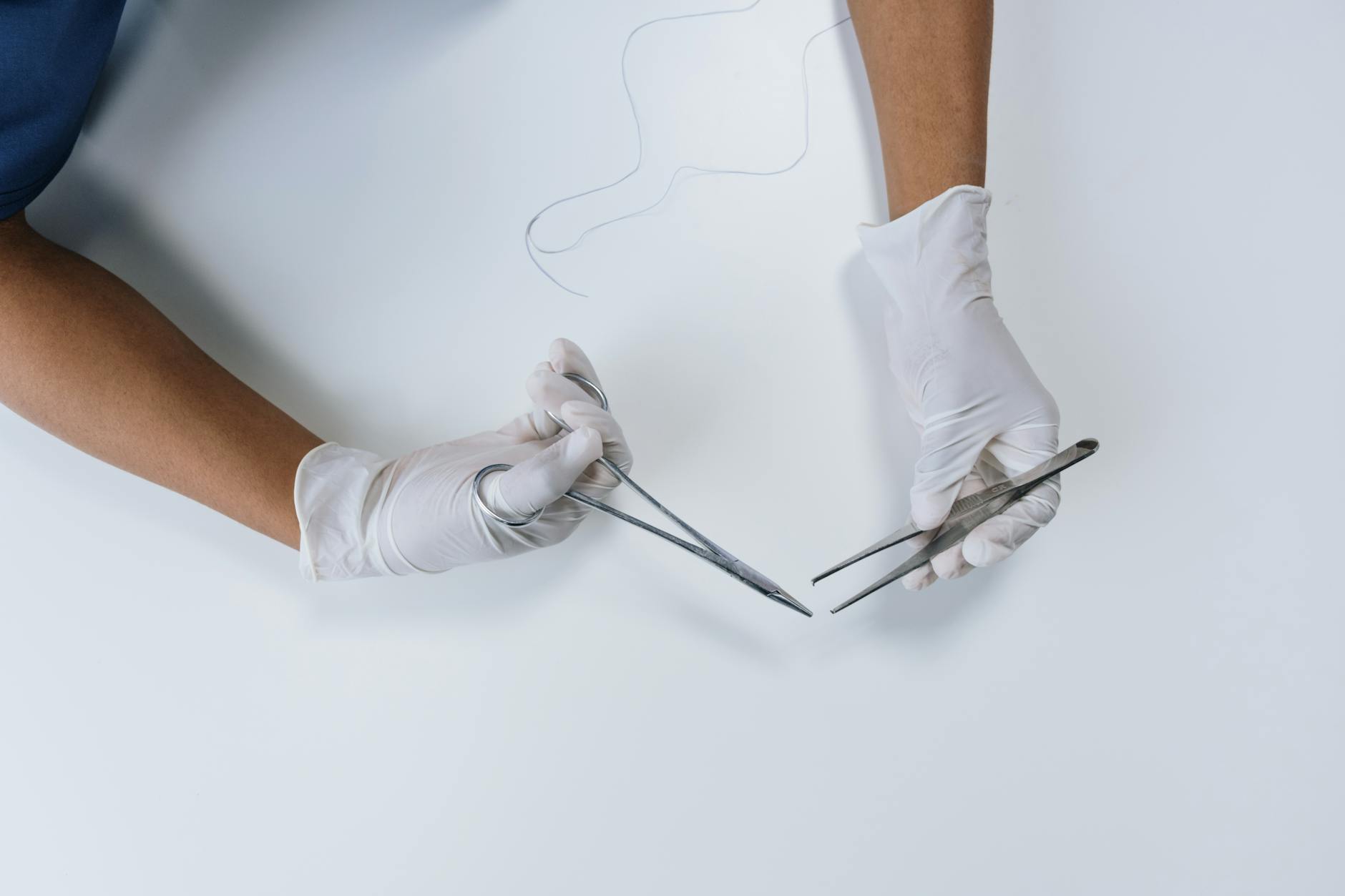
Understanding the instruments your dermatologist uses helps reduce anxiety about the procedure. The curette is a small, spoon-shaped metal instrument with a sharp circular edge. Its design allows precise scraping of abnormal tissue while preserving healthy skin around the treatment area.
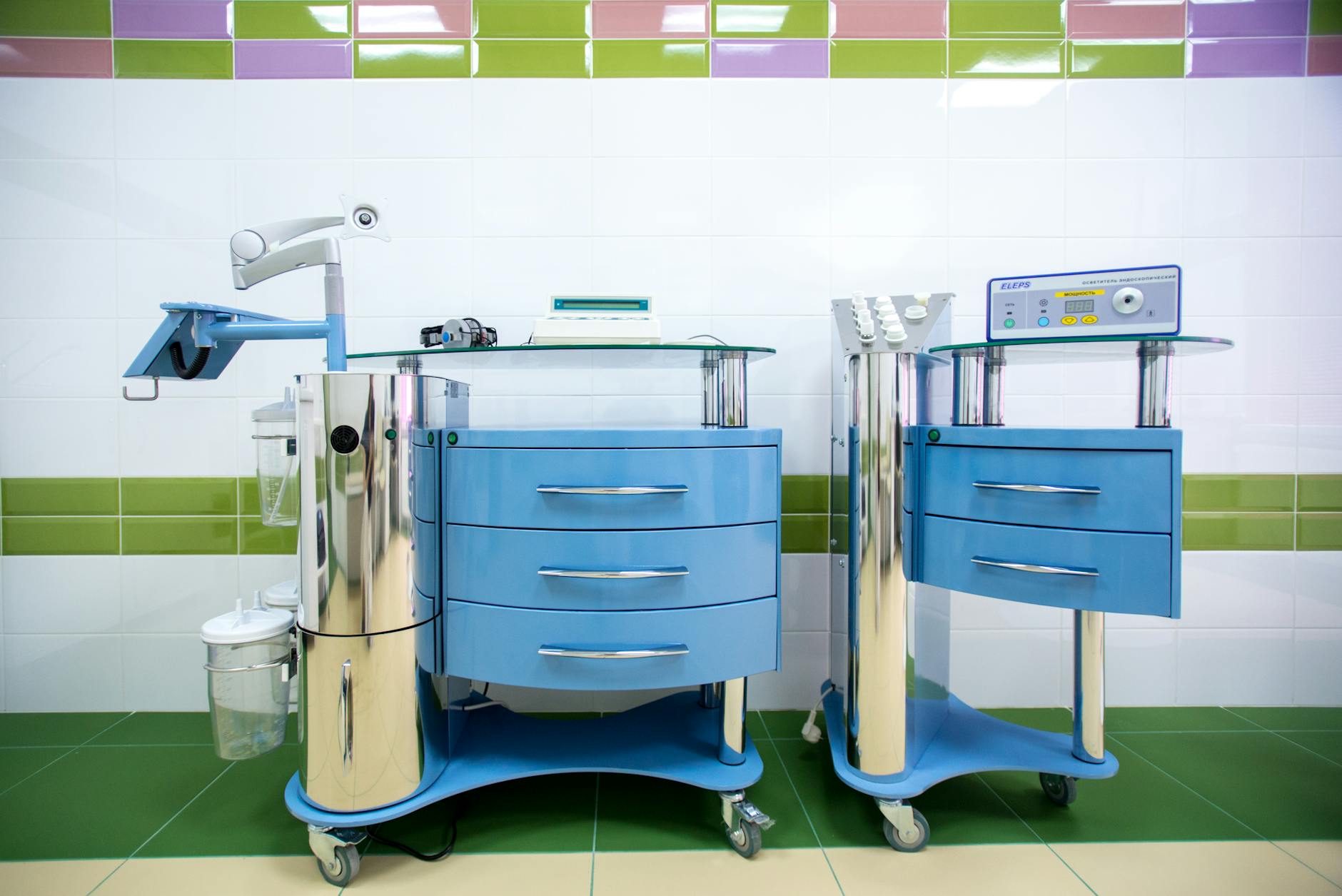
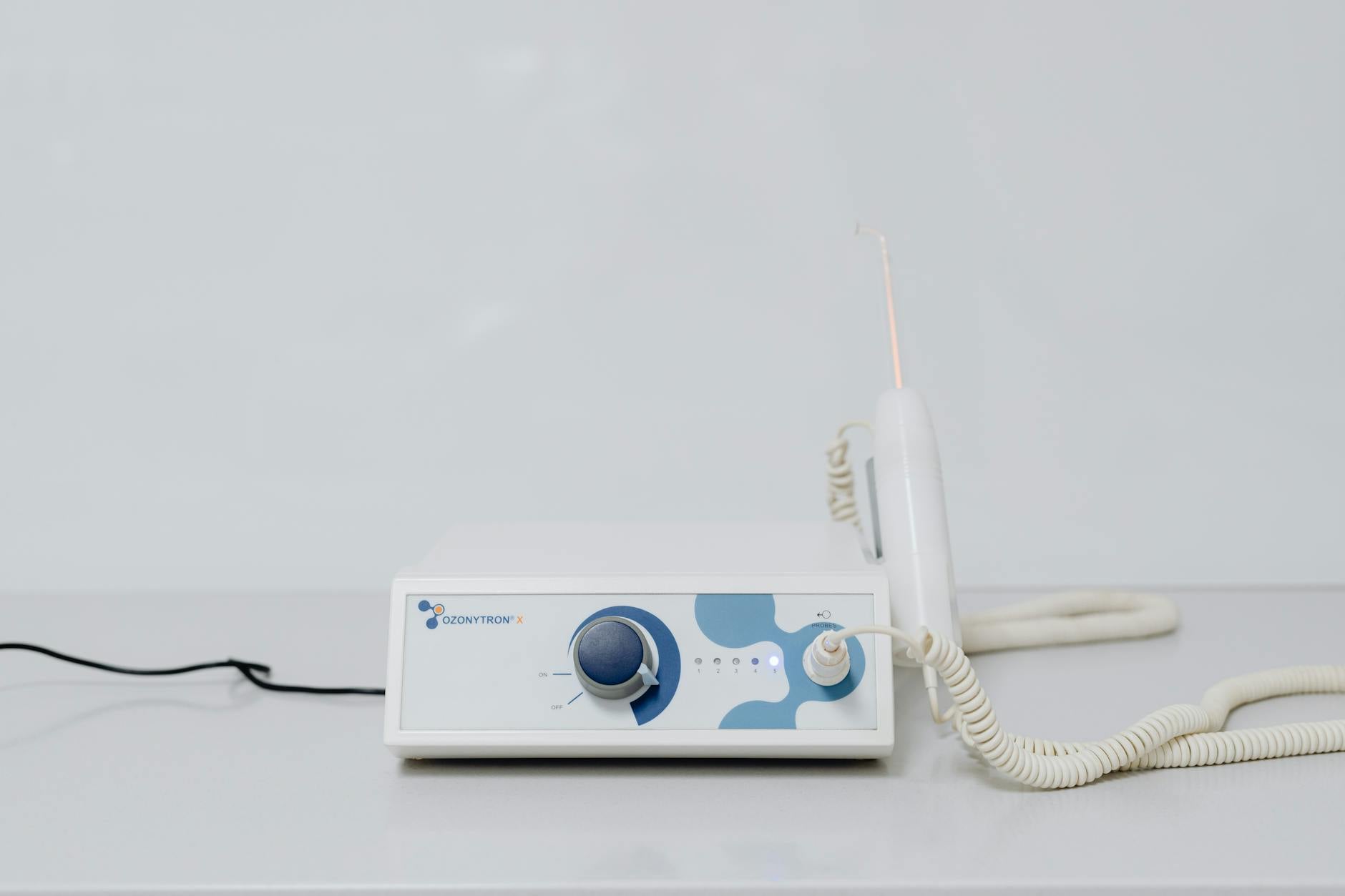
The electrosurgical unit generates controlled electrical current through a pencil-like handpiece. Your doctor selects from different electrode tips depending on the treatment area size and depth needed. Ball electrodes work well for broader areas, while needle tips target precise spots.
Modern electrosurgical units include built-in safety features like automatic power regulation and audible alerts. These prevent excessive tissue damage that could lead to unwanted scarring. Your doctor also uses grounding pads placed on your body to safely direct electrical current.
Sterile drapes, local anesthetic, and specialized wound dressings complete the equipment setup. Each instrument serves a specific purpose in achieving clean tissue removal while minimizing discomfort and promoting proper healing of your skin.
Why Dermatologists Choose This Method
Dermatologists favor electrosurgery and curettage because it delivers consistent results across various skin lesions. This technique proves particularly effective for seborrheic keratoses, warts, and certain precancerous growths that other methods struggle to address completely.
The speed advantage makes this procedure appealing for both doctors and patients. Most treatments take just minutes to complete, allowing dermatologists to address multiple lesions in a single appointment. This efficiency reduces your time in the clinic while maintaining thorough treatment.
The hemostatic properties of electrosurgery stop bleeding immediately during the procedure. The electrical current seals blood vessels as it cuts, creating a cleaner working field and reducing complications. This controlled bleeding minimizes bruising and helps prevent infection.
When tissue sampling is necessary, this method allows dermatologists to collect specimens for pathology testing. The curettage portion removes tissue that can be analyzed to confirm diagnoses, providing peace of mind about the nature of your skin lesion while addressing cosmetic concerns about visible marks.
Electrosurgery Curettage vs Other Skin Treatments

Understanding your treatment options helps you make informed decisions about your skin care. Each method targets different conditions and offers unique advantages depending on your specific needs.
Surgical excision cuts out lesions completely and sends tissue for analysis, but requires stitches and creates linear scars. Electrosurgery curettage scrapes away tissue without sutures, making it faster with typically better cosmetic outcomes for benign growths.
Cryotherapy freezes lesions with liquid nitrogen, causing them to fall off naturally. While effective for warts and some skin cancers, it can cause permanent white spots and takes longer to heal than electrosurgery curettage.
Chemical Peels use acid treatments that remove damaged skin layers to improve texture and appearance through controlled chemical exfoliation. They work best for surface issues like acne scars and sun damage, while electrosurgery curettage targets raised growths and deeper lesions.
Your dermatologist chooses based on lesion type, location, and your healing preferences. Electrosurgery curettage works best for raised benign growths, while other methods suit different conditions and cosmetic goals.
What to Expect During the Procedure
Understanding the procedure steps can ease anxiety about scarring and help you prepare mentally for the treatment.
Your doctor injects numbing medication directly into the treatment area to ensure complete comfort.
The doctor uses a curette to gently scrape away abnormal tissue from your skin.
An electric current cauterizes the area to destroy remaining cells and control bleeding.
Your doctor applies a protective dressing and provides specific aftercare instructions.
Most patients feel only mild pressure during the procedure itself. The entire process typically takes 15-30 minutes depending on the size and number of areas treated. You might smell a slight burning odor during the electrosurgery phase, which is completely normal.
Immediately afterward, expect some redness and minor swelling around the treatment site. Your skin will look raw initially, but proper wound care promotes healing with minimal scarring when you follow your doctor's instructions carefully.
Following your doctor's aftercare instructions precisely minimizes scarring risk and speeds your recovery to clear skin.
Frequently Asked Questions
What is electrosurgery and curettage?
Electrosurgery and curettage (ED&C) is a two-step dermatology procedure that removes unwanted skin growths like skin cancers, warts, and benign lesions. Electrosurgery uses high-frequency electrical current to burn and destroy tissue, while curettage uses a sharp, spoon-shaped instrument called a curette to scrape away diseased tissue. These techniques work together because the electrical burning makes tissue easier to scrape away, while curettage removes what electrosurgery loosens.
How does electrosurgery and curettage work?
The procedure combines curettage, which uses a spoon-shaped instrument to scrape away targeted tissue layer by layer, followed by electrosurgery that delivers controlled electrical current to destroy remaining abnormal cells. The electrical current generates precise heat that burns away microscopic tissue remnants while simultaneously sealing blood vessels. This dual approach addresses both surface and deeper tissue layers in one session, significantly reducing the likelihood of lesion regrowth.
What equipment is used in electrosurgery and curettage?
The main instruments include a curette, which is a small, spoon-shaped metal instrument with a sharp circular edge for precise scraping of abnormal tissue. An electrosurgical unit generates controlled electrical current through a pencil-like handpiece with different electrode tips depending on the treatment area. Modern units include safety features like automatic power regulation and audible alerts to prevent excessive tissue damage.
Does electrosurgery and curettage cause scarring?
When performed correctly, the combination of curettage and electrosurgery creates a controlled wound that heals with minimal scarring. The procedure promotes proper healing because it creates clean margins and addresses tissue removal systematically. The electrical cauterization also minimizes bleeding during the procedure, which contributes to better healing outcomes.
Disclaimer: This content is for informational purposes only and does not constitute medical advice. Always consult a qualified healthcare provider before making health decisions.