Who Are Ideal Mohs Surgery Candidates

Mohs surgery works best for specific types of patients and skin cancer situations. Understanding whether you qualify for this specialized procedure can help you make informed treatment decisions and achieve the best possible outcome for your skin health.
The primary candidates include patients diagnosed with basal cell carcinoma, squamous cell carcinoma, melanoma in situ, or dermatofibrosarcoma protuberans. These skin cancers respond particularly well to Mohs surgery because the technique allows surgeons to examine tissue immediately and ensure complete removal while preserving healthy skin.
“Mohs surgery removes 99% of skin cancers while preserving maximum healthy tissue.”
Patients with high-risk or recurrent skin cancers make excellent candidates. This includes tumors located on the face, ears, hands, feet, or genitals where preserving function and appearance matters most. People who have previously undergone unsuccessful skin cancer treatments often benefit from Mohs surgery's precision approach.
Your ability to tolerate local anesthesia is essential since the procedure requires you to remain awake and comfortable during multiple stages. Most patients handle this well, but your surgeon will evaluate your medical history to ensure safety.
If you're concerned about permanent scarring or disfigurement, you're an ideal candidate. Mohs surgery excels at preserving cosmetic appearance and maintaining normal function of treated areas. For example, a patient with skin cancer near the eye can often keep full eyelid movement and natural appearance after Mohs surgery, while traditional excision might cause drooping or pulling.
People seeking the highest cure rates also benefit from this approach. The technique's immediate tissue examination means your surgeon can confirm complete cancer removal before closing the wound, reducing the chance of recurrence significantly.
Location-Based Candidacy Factors

Where your skin cancer appears on your body plays a crucial role in determining whether Mohs surgery is your best treatment option. Dermatologists consider tumor location as one of the most important factors when recommending this precise surgical technique.
Your face, scalp, ears, nose, eyelids, and lips receive top priority for Mohs surgery consideration. These areas present unique challenges because skin cancers here tend to spread along nerve pathways and natural tissue planes in unpredictable patterns. A basal cell carcinoma on your nose, for example, might extend deeper than it appears on the surface, making standard excision risky for complete removal.
“Mohs surgery preserves every possible millimeter of healthy tissue while ensuring complete cancer removal.”
High-risk locations like your hands, feet, and genital areas also benefit from Mohs surgery's precision. These body parts have limited tissue available for reconstruction, making tissue conservation critical. Your dermatologist knows that removing too much healthy tissue from these areas can impair function or create significant cosmetic concerns.
Areas with historically high recurrence rates automatically qualify for Mohs surgery consideration. The central face triangle—covering your nose, inner cheeks, and upper lip—sees cancer return rates of up to 15% with standard excision compared to less than 2% with Mohs surgery.
Cosmetically sensitive areas where tissue preservation directly impacts your appearance and confidence represent another key indication. Your eyelids, for instance, require such precise removal that even a few extra millimeters of healthy tissue loss could affect your ability to close your eyes properly or create noticeable asymmetry that concerns you socially.
Medical Conditions That Affect Candidacy
Several medical conditions can make you unsuitable for Mohs Surgery or require special considerations before proceeding. Understanding these factors helps you and your dermatologist make the safest treatment decision for your specific situation.
The inability to tolerate local anesthesia represents an absolute contraindication to Mohs Surgery. Since the procedure requires you to remain awake and still for several hours while your surgeon removes tissue layers, local numbing medications are essential. Patients with severe allergies to lidocaine or similar anesthetics cannot undergo this procedure safely.
Bleeding disorders create significant complications during Mohs Surgery. Conditions like hemophilia, von Willebrand disease, or blood-thinning medications increase your risk of excessive bleeding during tissue removal. Your surgeon may need to coordinate with your primary physician to temporarily adjust medications or explore alternative treatment approaches.
Certain immunosuppressive conditions slow healing and increase infection risk. Patients taking immunosuppressive medications for organ transplants, autoimmune diseases, or cancer treatments may experience delayed wound healing and higher complication rates.
Unrealistic patient expectations can lead to disappointment. Some patients expect Mohs Surgery to address cosmetic concerns like wrinkles or age spots. For superficial skin issues, Chemical Peels offer a more appropriate solution. These acid treatments remove damaged skin layers through controlled chemical exfoliation, improving texture and reducing pigmentation without surgical intervention.
Your surgeon evaluates these medical factors during consultation to ensure Mohs Surgery remains the safest, most effective option for your skin cancer treatment.
Preparing for Candidacy Assessment

Getting ready for your Mohs surgery candidacy evaluation requires several important steps to ensure accurate assessment and optimal outcomes. Proper preparation helps your surgeon make the best decision for your specific situation while minimizing complications.
Stop blood-thinning medications like aspirin, ibuprofen, and warfarin as directed by your doctor.
Arrange reliable transportation since you may experience temporary numbness or bandaging after examination.
Bring all previous biopsy reports, medical records, and current medication lists to your consultation.
Your surgeon needs complete information about supplements, herbal remedies, and prescription medications that could affect healing or bleeding. Common medications to discuss include fish oil, vitamin E, ginkgo biloba, and certain antidepressants. Stop these supplements 7-10 days before evaluation if your doctor approves.
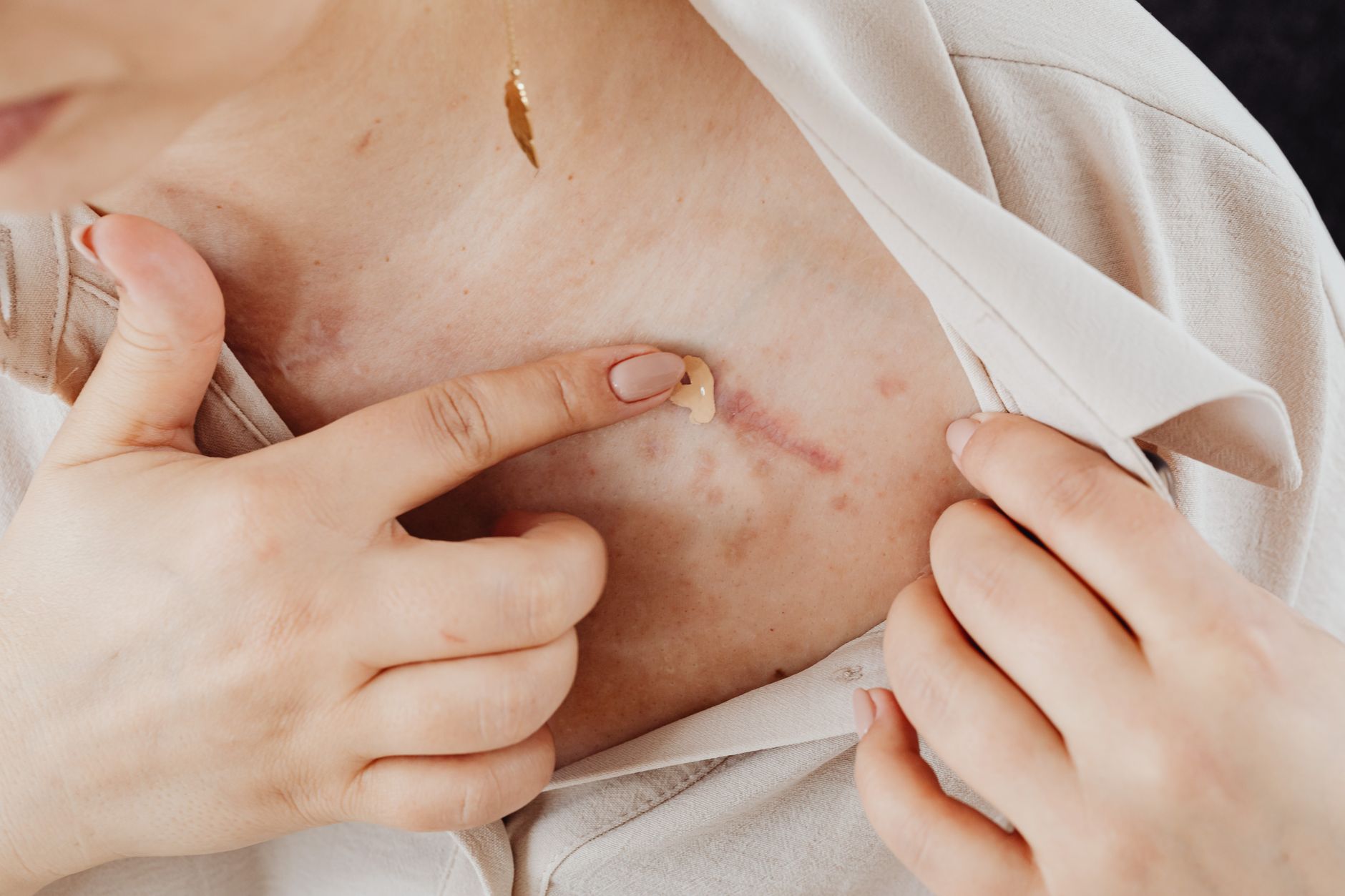
During the consultation, discuss your concerns about scarring openly with your surgeon. Modern Mohs surgery techniques produce minimal scarring compared to traditional excision methods, and most scars fade significantly over time. Your surgeon can show you before-and-after photos of similar cases to set realistic expectations.
Bring a list of questions about recovery time, activity restrictions, and follow-up care. Ask about the specific location and size of your lesion, as these factors influence both the procedure complexity and cosmetic outcome. Understanding what to expect helps reduce anxiety and ensures you make an informed decision about treatment.
Proper preparation and open communication with your surgeon ensures accurate candidacy assessment and helps address concerns about scarring before treatment begins.
Frequently Asked Questions
Who is a good candidate for Mohs surgery?
Ideal candidates include patients with basal cell carcinoma, squamous cell carcinoma, melanoma in situ, or dermatofibrosarcoma protuberans. Patients with high-risk or recurrent skin cancers, especially those located on cosmetically sensitive areas like the face, ears, hands, feet, or genitals, make excellent candidates. You must be able to tolerate local anesthesia since the procedure requires you to remain awake during multiple stages.
What types of skin cancer can be treated with Mohs surgery?
Mohs surgery is most effective for basal cell carcinoma, squamous cell carcinoma, melanoma in situ, and dermatofibrosarcoma protuberans. These skin cancers respond particularly well to the technique because it allows surgeons to examine tissue immediately and ensure complete removal while preserving healthy skin.
Where on the body is Mohs surgery most recommended?
Mohs surgery is prioritized for skin cancers on the face, scalp, ears, nose, eyelids, and lips because cancers in these areas tend to spread unpredictably along nerve pathways. High-risk locations like hands, feet, and genital areas also benefit from the precision since these body parts have limited tissue available for reconstruction. The central face triangle covering the nose, inner cheeks, and upper lip sees significantly lower recurrence rates with Mohs surgery compared to standard excision.
What are the success rates of Mohs surgery?
Mohs surgery removes 99% of skin cancers while preserving maximum healthy tissue. In high-risk areas like the central face triangle, cancer return rates are less than 2% with Mohs surgery compared to up to 15% with standard excision. The technique's immediate tissue examination allows surgeons to confirm complete cancer removal before closing the wound, significantly reducing the chance of recurrence.
Disclaimer: This content is for informational purposes only and does not constitute medical advice. Always consult a qualified healthcare provider before making health decisions.