What to Expect: The First 24-48 Hours After Mohs Surgery

The first day after Mohs surgery brings several normal but potentially concerning changes to your surgical site. Your wound will appear larger than expected because surgeons remove tissue layer by layer until clear margins are achieved. The area may look red, swollen, and feel tender to the touch. Some patients notice bruising around the edges, particularly on the face where blood vessels sit close to the surface.
“Most patients are surprised by how manageable their pain is after Mohs surgery.”
Pain management typically requires only over-the-counter medications. Most people describe the discomfort as similar to a bad bruise rather than sharp pain. Take acetaminophen or ibuprofen as directed by your surgeon. Avoid aspirin, which can increase bleeding risk. Apply ice packs wrapped in a thin cloth for 10-15 minutes every hour during the first day to reduce swelling.
Your activity restrictions focus on protecting the healing tissue. Avoid heavy lifting over 10 pounds, strenuous exercise, and bending at the waist. These activities increase blood flow to the surgical site and may cause bleeding or wound reopening. Light walking is encouraged, but skip your gym routine for at least a week.
Contact your surgeon immediately if you experience excessive bleeding that soaks through your bandage within an hour, signs of infection like increasing redness spreading beyond the wound edges, yellow or green discharge, or fever above 101°F. While scarring concerns many patients, following proper aftercare significantly improves healing outcomes and minimizes visible marks.
Keep your wound clean and dry, changing dressings as instructed. Most patients return to normal activities within 7-10 days, though complete healing takes several weeks depending on the wound size and location.
Essential Wound Care: Your Daily Routine

Proper wound care prevents complications and minimizes scarring—the primary concern most patients have after Mohs surgery. Following a consistent daily routine ensures your surgical site heals optimally while reducing the risk of infection or delayed healing.
“Consistent wound care is your best defense against complications and excessive scarring.”
Your wound care routine begins the day after surgery when your surgeon removes the initial pressure bandage. Before touching the surgical site, wash your hands thoroughly with antibacterial soap for at least 20 seconds.
Gently rinse with lukewarm water and pat dry with a clean towel—avoid rubbing motions.
Use a thin layer of petroleum jelly or prescribed antibiotic ointment to keep the wound moist.
Place a sterile adhesive bandage or gauze pad over the ointment, ensuring complete coverage.
Use medical tape around the edges if needed, avoiding direct contact with the wound.
Perform this routine once or twice daily, depending on your surgeon's instructions. Replace bandages immediately if they become wet, dirty, or loose.
Avoid hydrogen peroxide, alcohol, or harsh soaps, which can damage healing tissue and increase scarring. Never pick at scabs or crusts, even if they appear loose. For facial wounds, consider using silicone-based products after initial healing to further minimize scar formation.
Normal healing includes mild redness around the wound edges, slight swelling, and clear or light yellow drainage. Contact your surgeon immediately if you notice increasing redness spreading beyond the wound, green or foul-smelling discharge, or fever above 100.4°F.
Recovery Timeline: Week-by-Week Guide
Understanding what to expect during your Mohs surgery recovery helps you track progress and spot any concerns early. Your healing journey follows predictable stages, though individual timelines may vary based on the size and location of your wound.
Week 1: Initial Healing Phase
The first week focuses on protecting your wound and managing initial swelling. Your surgical site will appear red and possibly swollen, which is completely normal. Keep the bandage dry and change it daily as instructed. Some patients experience mild throbbing or tenderness, especially in areas like the nose or forehead where skin is tighter.
Avoid strenuous activities that could stretch the wound or increase blood pressure. Sleep with your head elevated to reduce swelling. Most patients can return to desk work within 2-3 days, but avoid heavy lifting or intense exercise.
Week 2-3: Tissue Repair
During this phase, your body builds new tissue to fill the wound. The surgical site may appear pink or slightly raised as collagen forms. If you had stitches, they're typically removed during week 2. Some patients notice itching as nerves regenerate – this indicates healthy healing.
You can gradually resume normal activities, but continue protecting the area from sun exposure. Many patients worry about permanent scarring at this stage, but remember that scars continue improving for months.
Month 1-3: Scar Maturation
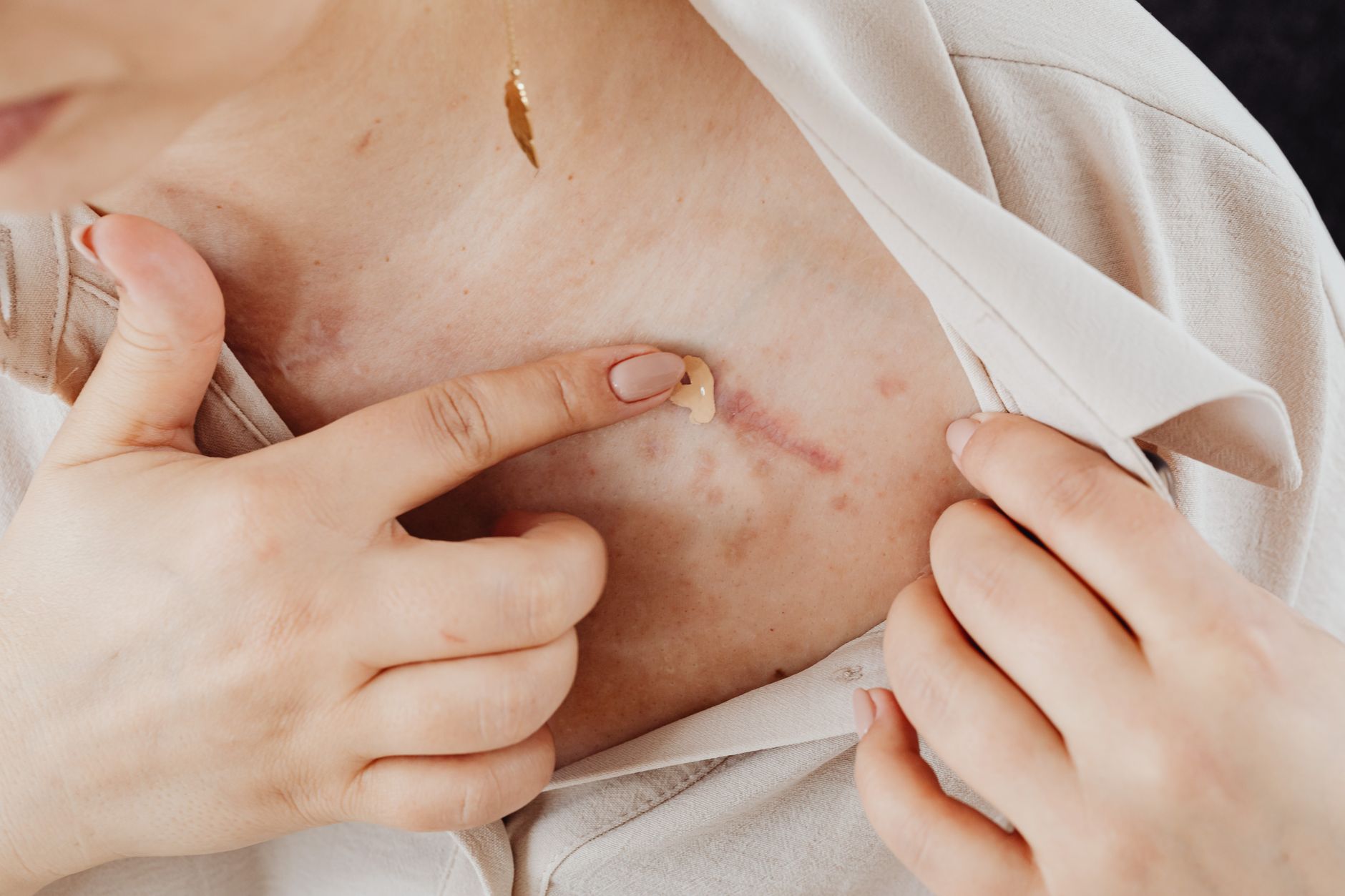
Your scar begins its transformation during this period. Initially raised or red scars typically flatten and fade significantly. The healing tissue strengthens and becomes more flexible. Start gentle massage once your doctor approves it, usually around week 4.
Long-term Expectations
Most scars reach their final appearance within 6-12 months. Many patients are pleasantly surprised by how well their skin heals, especially with proper aftercare. Consistent sun protection remains crucial for optimal results.
Activities and Lifestyle During Recovery
Your daily routine needs careful adjustments during Mohs surgery recovery to prevent complications and minimize scarring. Understanding these limitations helps you plan ahead and maintain your quality of life while healing properly.
Exercise restrictions vary by surgery location and size. Avoid vigorous workouts, weightlifting, or activities that increase blood pressure for the first week. Running, cycling, and swimming should wait until your surgeon clears you, typically after suture removal. Safe alternatives include gentle walking, light stretching, and breathing exercises that won't strain your surgical site.
Sun protection becomes non-negotiable for at least six months post-surgery. Apply broad-spectrum SPF 30 or higher sunscreen daily, even indoors near windows. Wear wide-brimmed hats and seek shade whenever possible. UV exposure can cause permanent discoloration and worsen scarring, particularly concerning for facial surgeries where appearance matters most.
Work modifications depend on your job requirements. Desk workers can typically return within 2-3 days, while those in physical labor may need 1-2 weeks off. Avoid bending over frequently if your surgery was on your head or face, as this increases swelling and bleeding risk.
Resume normal activities gradually based on your healing progress. Light housework can start after 48 hours, while heavy lifting should wait 7-10 days. Swimming and contact sports require complete healing, usually 3-4 weeks minimum. Your surgeon will provide specific timelines based on your individual case and healing response.
Warning Signs: When to Call Your Doctor

While some discomfort and changes are normal after Mohs surgery, certain warning signs require immediate medical attention. Knowing what to watch for helps prevent complications and ensures proper healing without permanent scarring concerns.
Contact your doctor immediately if you notice signs of infection. These include increasing redness that spreads beyond the wound edges, red streaks extending from the surgical site, pus or thick yellow drainage, and fever above 100.4°F. A foul odor from the wound also signals infection requiring prompt treatment.
Abnormal bleeding warrants medical attention. While minor spotting is normal for the first few days, continuous bleeding that soaks through fresh bandages or bleeding that restarts after stopping needs evaluation. Similarly, excessive drainage that increases rather than decreases over time indicates potential problems.
Watch for wound healing complications that could affect your final appearance. The wound edges pulling apart, increasing pain after the first 48 hours, or no signs of healing after one week require professional assessment. White or gray tissue in the wound bed may indicate tissue death and needs immediate care.
For example, Maria noticed increasing redness around her surgical site three days post-surgery and called her doctor immediately. Early antibiotic treatment prevented serious complications and scarring.
Trust your instincts. When something feels wrong or different from your doctor's healing expectations, make the call. Most concerns are easily addressed when caught early, protecting both your health and cosmetic outcome.
Long-Term Skin Health After Mohs Surgery
Your journey doesn't end when your Mohs surgery site heals completely. This experience offers a valuable opportunity to establish habits that protect your skin and prevent future cancers. The scar that remains serves as a daily reminder to prioritize your skin health moving forward.
Schedule regular skin checks with your dermatologist every six months for the first two years, then annually thereafter. Your doctor will examine the surgery site for any changes and screen your entire body for new suspicious spots. These appointments catch problems early when treatment is most effective.
Sun protection becomes non-negotiable after skin cancer. Apply broad-spectrum SPF 30 or higher sunscreen daily, even on cloudy days. Wear wide-brimmed hats and UV-protective clothing when outdoors for extended periods. Seek shade between 10 AM and 4 PM when UV rays peak strongest.
Monitor your skin monthly using the ABCDE method: Asymmetry, Border irregularity, Color variation, Diameter larger than a pencil eraser, and Evolving characteristics. Take photos of moles and spots to track changes over time. Report any new growths or changes to existing spots immediately.
Consider professional treatments that complement your skin health routine. Chemical Peels use controlled acid treatments that remove damaged skin layers to improve texture and appearance through controlled chemical exfoliation. These treatments help address sun damage, age spots, and uneven skin tone that often accompany skin prone to cancer. Your dermatologist can recommend the appropriate peel depth based on your skin type and concerns.
Maintain a consistent skincare routine with gentle cleansers, moisturizers containing ceramides or hyaluronic acid, and products with antioxidants like vitamin C. Avoid harsh scrubs or treatments that could irritate previously treated areas.
Regular dermatologist visits, diligent sun protection, and monthly self-examinations form the foundation of lifelong skin cancer prevention.
Frequently Asked Questions
What should I expect the first day after Mohs surgery?
The first day after Mohs surgery, your wound will appear larger than expected and may look red, swollen, and feel tender to the touch. You may notice bruising around the edges, particularly on facial areas. Pain is typically manageable with over-the-counter medications and feels similar to a bad bruise rather than sharp pain. Apply ice packs wrapped in cloth for 10-15 minutes every hour to reduce swelling.
How do I properly care for my wound after Mohs surgery?
Begin wound care the day after surgery by washing your hands thoroughly before touching the surgical site. Gently rinse the wound with lukewarm water, pat dry, apply a thin layer of petroleum jelly or prescribed antibiotic ointment, and cover with a sterile bandage. Perform this routine once or twice daily as instructed by your surgeon, replacing bandages if they become wet, dirty, or loose.
What activities should I avoid after Mohs surgery?
Avoid heavy lifting over 10 pounds, strenuous exercise, and bending at the waist for at least a week after surgery. These activities increase blood flow to the surgical site and may cause bleeding or wound reopening. Light walking is encouraged, but skip gym routines until your surgeon clears you to resume normal activities.
When should I contact my surgeon after Mohs surgery?
Contact your surgeon immediately if you experience excessive bleeding that soaks through your bandage within an hour, or signs of infection like increasing redness spreading beyond wound edges. Also call if you notice yellow or green discharge from the wound or develop a fever above 101°F. These symptoms may indicate complications that require prompt medical attention.
What should I avoid when cleaning my Mohs surgery wound?
Avoid using hydrogen peroxide, alcohol, or harsh soaps on your wound as these can damage healing tissue and increase scarring. Never pick at scabs or crusts, even if they appear loose, as this can disrupt the healing process. When cleaning, avoid rubbing motions and instead gently pat the area dry with a clean towel.
Disclaimer: This content is for informational purposes only and does not constitute medical advice. Always consult a qualified healthcare provider before making health decisions.