Quick Verdict: When to Choose Mohs vs Other Options

Choosing the right skin cancer treatment depends on your cancer's location, type, and risk factors. Mohs Surgery stands out as the gold standard for high-risk situations where precision matters most.
“Mohs Surgery offers the highest cure rate while preserving the maximum amount of healthy tissue.”
Select Mohs Surgery when your cancer appears on cosmetically sensitive areas like your face, ears, or hands. This technique works best for aggressive cancers, recurrent tumors, or cases where the cancer's borders aren't clearly defined. The layer-by-layer removal and immediate microscopic examination ensure complete cancer removal while minimizing scarring—addressing your concerns about permanent marks.
Standard excision works well for small, well-defined basal cell carcinomas on low-risk body areas like your trunk or limbs. Other treatments including radiation therapy suit patients who cannot undergo surgery due to age or health conditions.
Your dermatologist will consider your cancer's characteristics, location, and your personal circumstances to recommend the most appropriate treatment path.
Mohs Surgery vs Standard Excision: The Key Differences
When facing skin cancer surgery, you'll likely encounter two main surgical options: Mohs Surgery and standard excision. Understanding their differences helps you make an informed decision about your treatment path.
Standard excision works like removing a circular piece from fabric. Your surgeon cuts out the tumor plus a border of healthy tissue around it, then sends everything to a lab for analysis. You wait days or weeks to learn if all cancer cells were removed. If margins show cancer cells, you need another surgery.
“Mohs Surgery examines 100% of surgical margins during your procedure, while standard excision typically checks less than 1% of the tissue edges.”
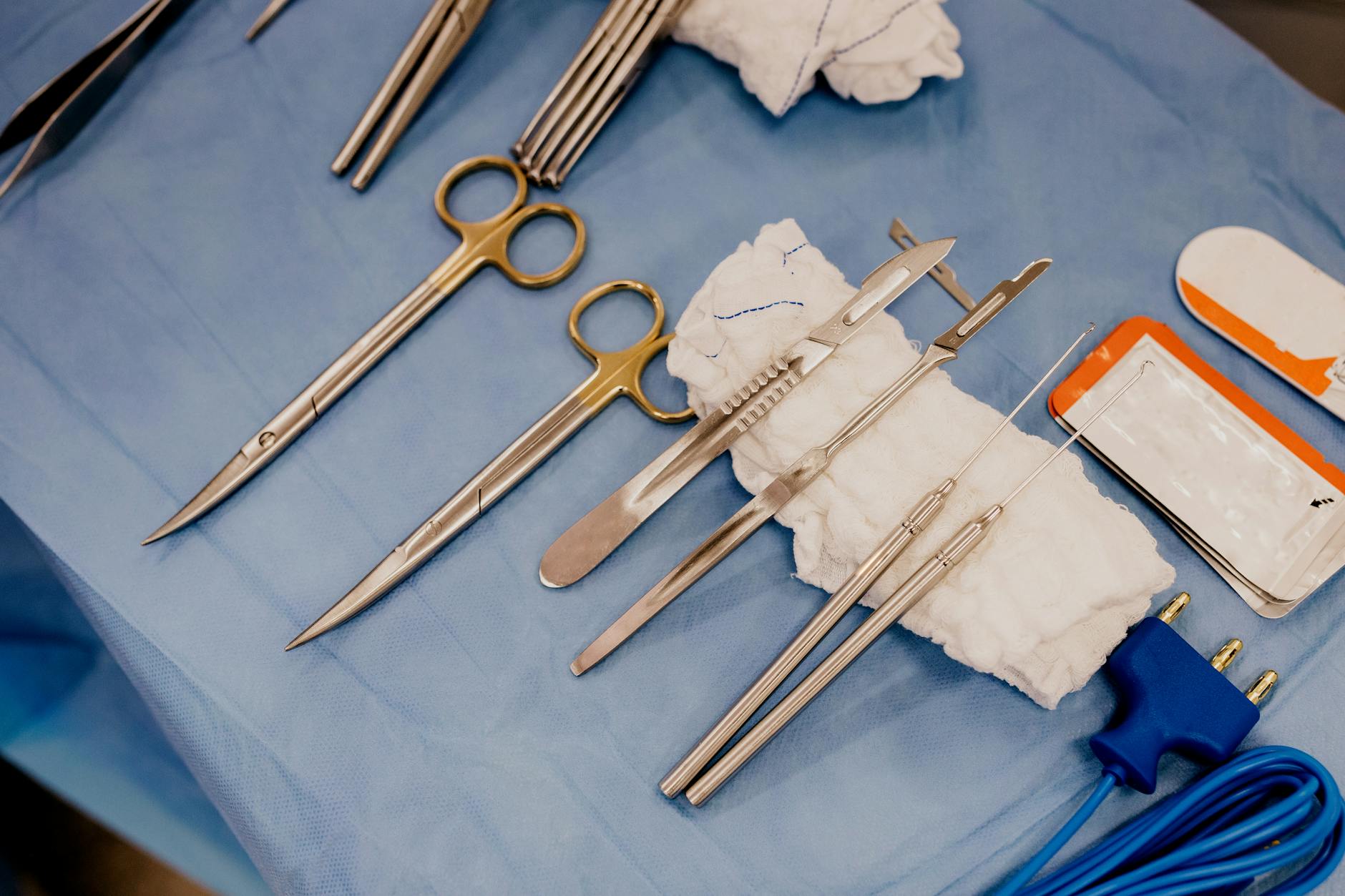
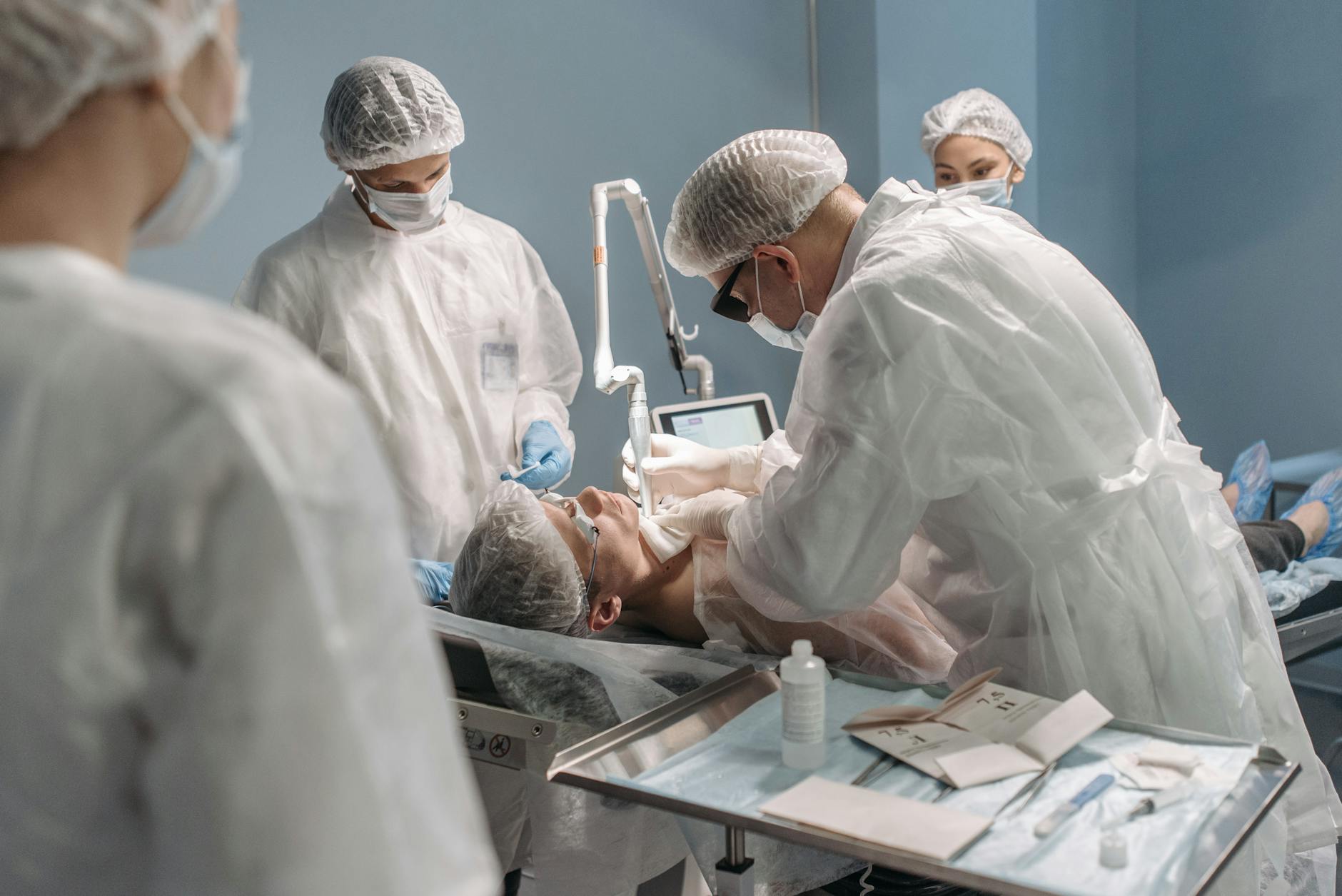
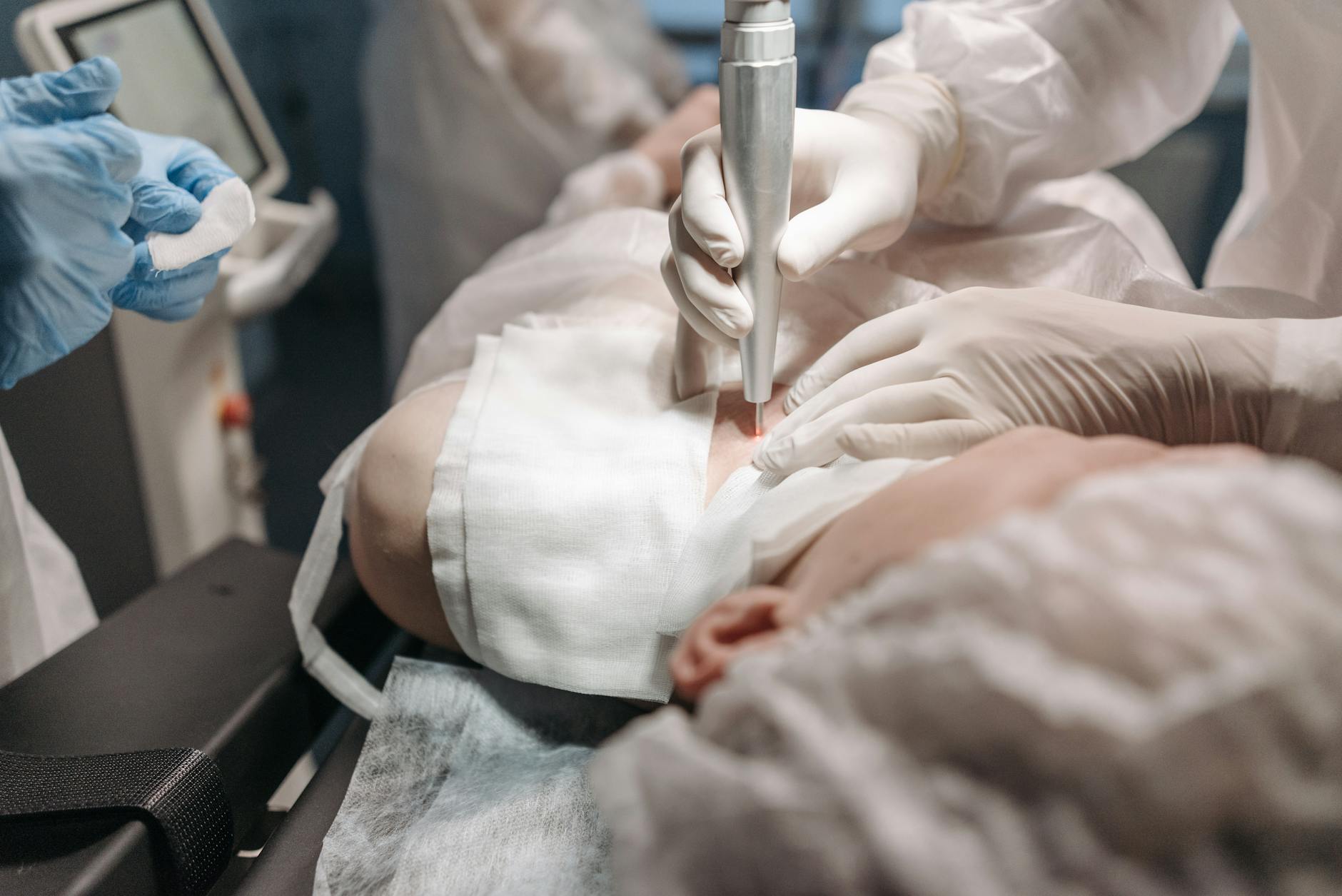
Mohs Surgery operates more like precision tailoring. Your surgeon removes tissue in thin layers, examining each one immediately under a microscope while you wait. This process continues until no cancer cells remain visible. Everything happens in one day, in one location.
The precision difference significantly impacts scarring concerns. Standard excision removes larger amounts of healthy tissue to ensure complete cancer removal. For a small skin cancer on your nose, standard excision might remove tissue the size of a quarter, while Mohs Surgery removes only what's necessary—often half that size.
Cure rates favor Mohs Surgery slightly. Both procedures achieve excellent results, but Mohs Surgery shows 99% cure rates for first-time basal cell carcinomas compared to 95% for standard excision. This difference becomes more significant for recurrent cancers or aggressive types.
Same-day completion gives Mohs Surgery a practical advantage. You arrive knowing you'll leave cancer-free, rather than waiting anxiously for lab results. However, Mohs procedures take longer—typically 2-4 hours versus 30-60 minutes for standard excision.
Cost considerations matter too. Mohs Surgery costs more upfront but potentially saves money by avoiding repeat procedures when margins aren't clear with standard excision.
Treatment Comparison: Success Rates and Outcomes

When facing skin cancer treatment decisions, understanding success rates helps you make informed choices about your care. Mohs Surgery consistently demonstrates superior cure rates compared to other treatment methods, particularly for high-risk skin cancers.
For basal cell carcinoma, Mohs Surgery achieves cure rates of 99% for new tumors and 95% for recurrent cases. Standard excision reaches 90-95% cure rates for primary tumors but drops to 80-85% for recurrent cancers. Squamous cell carcinoma shows similar patterns, with Mohs achieving 97% cure rates versus 85-90% for conventional surgery.
Recurrence statistics reveal striking differences between treatments. Mohs Surgery reduces recurrence rates to less than 1% for most skin cancers. Standard excision carries recurrence rates of 2-5%, while radiation therapy shows 7-10% recurrence rates over five years.
Cosmetic outcomes address your concerns about scarring and appearance. Mohs Surgery removes only diseased tissue, preserving healthy skin and minimizing scar size. This precision proves especially valuable on the face, ears, and hands where appearance matters most. Standard excision typically removes larger margins of healthy tissue, creating more noticeable scars.
Complication rates remain low across all surgical treatments. Mohs Surgery shows infection rates below 1%, bleeding complications under 2%, and nerve damage risks of less than 1%. Standard excision carries slightly higher complication rates due to larger tissue removal. Both procedures heal well when patients follow post-surgical care instructions, with most achieving excellent functional and cosmetic results within weeks of treatment.
When Mohs Surgery Is Your Best Option
Your dermatologist will recommend Mohs surgery when your skin cancer presents specific high-risk characteristics that other treatments can't address effectively. This precision technique becomes essential in situations where preserving healthy tissue and achieving complete cancer removal are equally critical.
Cancers located on your face, ears, nose, eyelids, or genital areas make ideal candidates for Mohs surgery. These areas contain intricate structures where even small scars can affect function and appearance. For instance, removing a basal cell carcinoma near your eyelid requires the surgeon to preserve delicate muscles that control blinking while ensuring no cancer cells remain.
Large tumors or those with poorly defined borders benefit significantly from layer-by-layer examination. Traditional excision might miss cancer cells that extend beyond visible boundaries, leading to incomplete removal and potential recurrence.
Recurrent skin cancers that have returned after previous treatments require the thoroughness that only Mohs surgery provides. These cancers often develop irregular growth patterns beneath the skin that standard methods cannot detect.
Aggressive cancer subtypes like morpheaform basal cell carcinoma or certain squamous cell carcinomas spread unpredictably through tissue. Mohs surgery's microscopic mapping catches these hidden extensions, preventing future recurrence while minimizing the cosmetic impact that concerns many patients facing visible skin cancer removal.
When Standard Excision May Be Sufficient
Standard excision works well for many skin cancers, offering effective treatment without the complexity of Mohs surgery. This simpler approach involves removing the tumor with a margin of healthy tissue, then examining the entire specimen under a microscope.
Low-risk basal cell carcinomas and squamous cell carcinomas are excellent candidates for standard excision. These tumors typically have well-defined borders, small size (under 2 centimeters), and occur in patients without compromised immune systems. Primary tumors that haven't recurred after previous treatment also respond well to this approach.
Body locations matter significantly. Tumors on the trunk, arms, and legs carry lower recurrence risk compared to facial areas, making standard excision highly successful. The generous tissue removal possible in these areas ensures clear margins while maintaining good cosmetic results.
Patient factors also influence treatment choice. Those with multiple medical conditions, limited mobility, or anxiety about lengthy procedures often benefit from standard excision's shorter timeframe. While scarring concerns are natural, standard excision typically heals well in low-risk locations, producing predictable cosmetic outcomes that help patients return to normal activities quickly.
Alternative Treatments: Radiation, Topical Therapy, and More

While Mohs surgery often provides the most thorough cancer removal, several non-surgical treatments can effectively treat certain skin cancers. These alternatives work best for specific cancer types, patient conditions, or locations where surgery might cause complications.
Radiation therapy serves as the primary alternative for elderly patients or those who cannot undergo surgery due to medical conditions. This treatment delivers focused energy beams to destroy cancer cells over multiple sessions. Radiation works particularly well for basal cell carcinomas on the face, ears, or eyelids where surgical scarring might affect function or appearance.
Topical treatments like imiquimod cream or 5-fluorouracil gel target superficial basal cell carcinomas and precancerous lesions. These medications stimulate your immune system to attack abnormal cells or directly destroy cancer tissue. Treatment typically requires daily application for several weeks and can cause significant skin irritation.
Cryotherapy uses liquid nitrogen to freeze and destroy small cancers, while electrodesiccation combines scraping with electrical current to remove tissue. Both procedures work well for small, well-defined tumors but may leave noticeable scars.
Chemical Peels can address precancerous changes and sun damage that might lead to cancer. These acid treatments remove damaged skin layers through controlled chemical exfoliation, helping prevent future cancers while improving skin appearance.
Non-surgical options make sense when surgery poses high risks, cancer occurs in cosmetically sensitive areas, or patients prefer less invasive approaches for appropriate cancer types.
Cost and Recovery: What to Expect from Each Option
Understanding the financial and time commitments helps you make an informed treatment choice. Mohs Surgery typically costs more upfront than other options, ranging from $1,000 to $5,000 per procedure, but often provides better long-term value through higher cure rates and fewer repeat treatments.
Recovery timelines vary significantly between treatments. Mohs Surgery requires 2-4 weeks for complete healing, while radiation therapy involves daily sessions for 3-6 weeks. Topical treatments like imiquimod create weeks of skin irritation before improvement appears. Simple excision offers the quickest recovery at 1-2 weeks.
Insurance coverage typically favors proven treatments. Most plans cover Mohs Surgery for appropriate cases and standard excisions. Radiation therapy coverage depends on medical necessity, while newer topical treatments may require pre-authorization.
Long-term follow-up requirements differ substantially. Mohs Surgery patients need routine skin checks every 6-12 months. Radiation patients require more frequent monitoring due to delayed side effects. Topical treatments often need repeated courses, increasing overall costs and time commitments.
Choose treatments based on both immediate costs and long-term value, considering cure rates and follow-up requirements together.
Frequently Asked Questions
What is the cure rate for Mohs surgery compared to standard excision?
Mohs surgery has a 99% cure rate for first-time basal cell carcinomas, while standard excision achieves a 95% cure rate. This difference becomes even more significant for recurrent cancers or aggressive cancer types. Both procedures achieve excellent results, but Mohs surgery offers slightly better outcomes.
When should I choose Mohs surgery over other skin cancer treatments?
Choose Mohs surgery when your cancer appears on cosmetically sensitive areas like your face, ears, or hands. This technique works best for aggressive cancers, recurrent tumors, or cases where the cancer's borders aren't clearly defined. Mohs surgery offers the highest cure rate while preserving the maximum amount of healthy tissue.
How much tissue does Mohs surgery remove compared to standard excision?
Mohs surgery removes significantly less healthy tissue than standard excision due to its precision approach. For example, a small skin cancer on your nose might require tissue removal the size of a quarter with standard excision, while Mohs surgery removes only what's necessary—often half that size. This precision minimizes scarring while ensuring complete cancer removal.
What is the main difference between Mohs surgery and standard excision?
The main difference is that Mohs surgery examines 100% of surgical margins during your procedure, while standard excision typically checks less than 1% of the tissue edges. Mohs surgery removes tissue in thin layers and examines each one immediately under a microscope, while standard excision removes the tumor plus a border of healthy tissue and sends it to a lab for analysis. With Mohs surgery, everything happens in one day at one location, eliminating the waiting period for results.
When is standard excision a better option than Mohs surgery?
Standard excision works well for small, well-defined basal cell carcinomas on low-risk body areas like your trunk or limbs. Other treatments including radiation therapy are better suited for patients who cannot undergo surgery due to age or health conditions. Your dermatologist will consider your cancer's characteristics, location, and personal circumstances to recommend the most appropriate treatment path.
Disclaimer: This content is for informational purposes only and does not constitute medical advice. Always consult a qualified healthcare provider before making health decisions.