What Is Mohs Surgery?

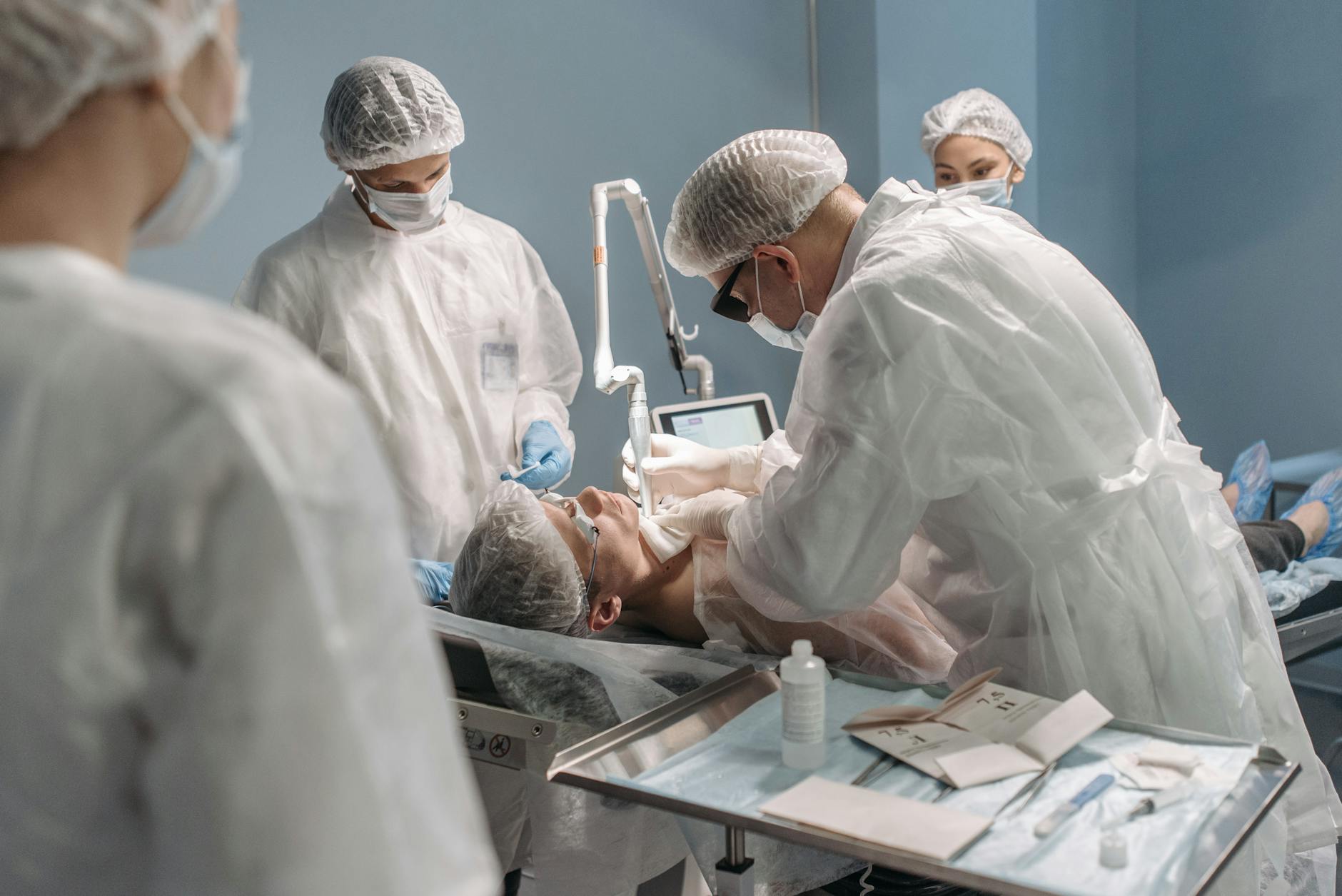
Mohs surgery is a specialized skin cancer removal technique that combines surgical precision with immediate microscopic examination. Unlike traditional excision methods, this procedure removes cancerous tissue layer by layer while examining each section under a microscope in real time.
"Mohs surgery achieves the highest cure rates while preserving the maximum amount of healthy tissue."
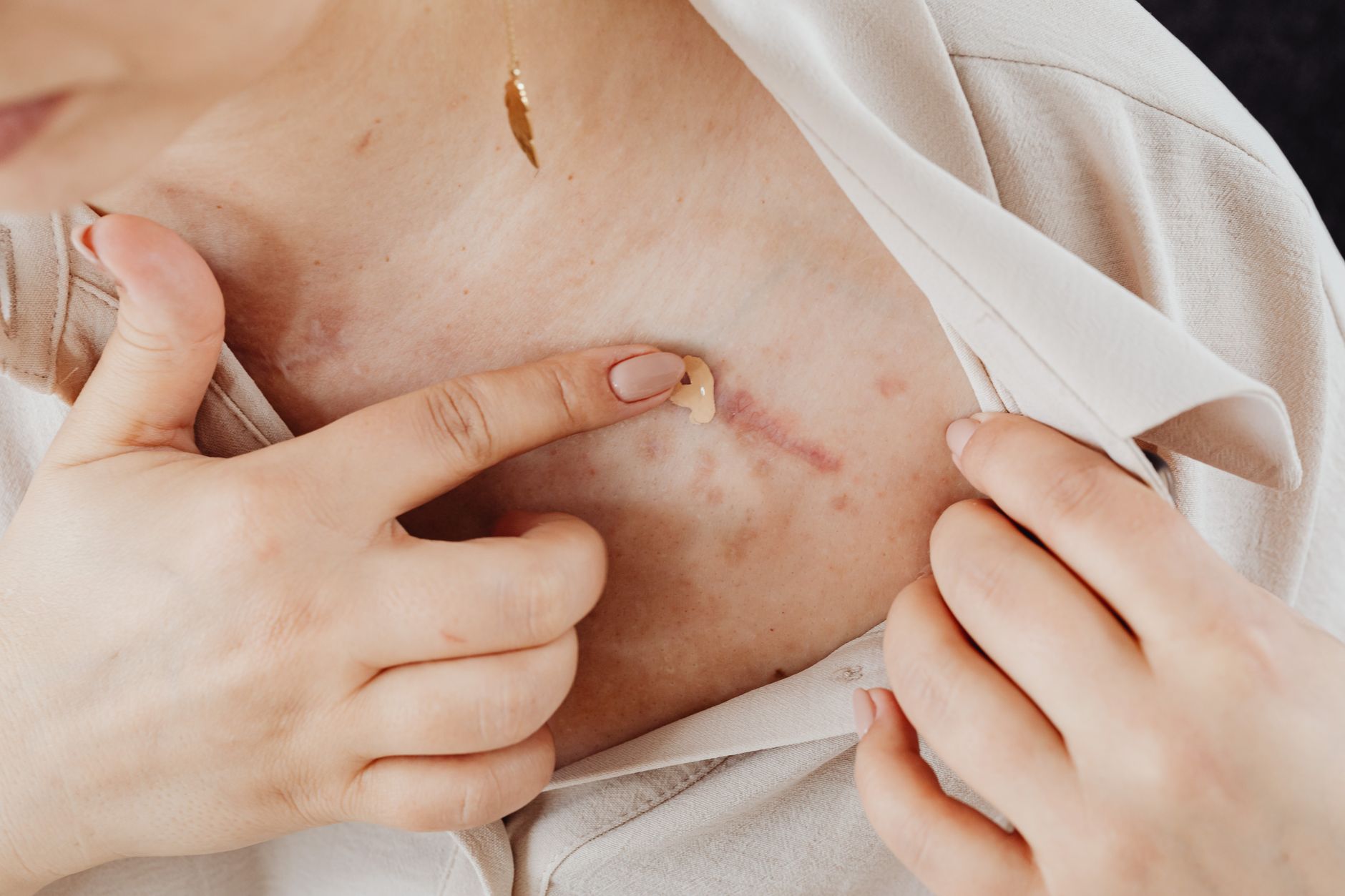
The surgeon removes only the thin layers containing cancer cells, stopping once clear margins are confirmed. This precise approach minimizes scarring compared to traditional methods, addressing concerns about permanent marks on visible areas like the face. Most procedures complete within a single day, allowing patients to return home with peace of mind.
The technique proves especially valuable for cancers on cosmetically sensitive areas, recurring tumors, or cases where preserving healthy tissue is critical. By combining surgery with immediate pathology review, Mohs surgery offers both thoroughness and efficiency in skin cancer treatment.
How Mohs Surgery Works

Mohs Surgery follows a precise, methodical approach that sets it apart from traditional skin cancer removal. Your surgeon removes the visible tumor along with a thin layer of surrounding tissue. This tissue sample immediately goes to an on-site laboratory where the surgeon examines it under a microscope using frozen section analysis.
“The surgeon acts as both the operating physician and the pathologist, ensuring complete cancer removal while preserving healthy tissue.”
The surgeon cuts out the cancer and a small margin of normal-looking skin around it.
The removed tissue gets frozen, sliced, and examined under a microscope within minutes.
If cancer cells remain at the edges, another layer gets removed from only those areas.
This process continues until the microscope shows completely clear margins. By removing only cancerous tissue layer by layer, Mohs Surgery minimizes scarring while achieving the highest cure rates possible.
What Skin Cancers Are Treated
Mohs surgery treats specific types of skin cancer with exceptional precision. The procedure works best for basal cell carcinoma and squamous cell carcinoma, which represent the most common skin cancers. Doctors also use this technique for melanoma in situ, the earliest form of melanoma that hasn't spread deeper into the skin.
This specialized surgery becomes particularly valuable for high-risk or recurrent skin cancers that have returned after previous treatments. Surgeons recommend Mohs surgery for cancers on the face, ears, and other cosmetically sensitive areas where minimizing scarring matters most. The technique also treats rare cancers like dermatofibrosarcoma protuberans, ensuring complete removal while preserving healthy tissue for better healing outcomes.
Where Is Mohs Surgery Performed
Mohs surgery targets areas where precision matters most—your face, scalp, ears, nose, eyelids, and lips. These cosmetically sensitive locations require the careful tissue removal that Mohs provides, minimizing scarring while ensuring complete cancer removal.
Your surgeon also chooses Mohs for areas with high recurrence risk, regardless of location. This technique works best where preserving healthy tissue prevents functional problems or visible scarring that affects your daily confidence and appearance.
Benefits of Mohs Surgery

Mohs Surgery delivers exceptional results that address your concerns about scarring and healing. This precise technique achieves cure rates between 95-99% for most skin cancers, making it the gold standard for complete cancer removal.
The layer-by-layer approach removes only cancerous tissue while preserving healthy skin around it. This precision minimizes scarring and maintains normal function, especially important for areas like your face, hands, and feet where appearance matters most.
You'll see optimal cosmetic results because surgeons can verify complete cancer removal while taking the smallest amount of tissue necessary. This careful balance helps you achieve clear, healthy skin with minimal visible impact.
Is Mohs Surgery Right for You?
Mohs Surgery works best for aggressive skin cancers, tumors on the face or hands, large lesions, and cases where previous treatments failed. Your dermatologist considers cancer type, location, size, and your individual risk factors when recommending this procedure.
The surgery minimizes scarring compared to traditional excision, addressing concerns about appearance while ensuring complete cancer removal. Schedule a consultation with a board-certified dermatologist to determine if Mohs Surgery suits your specific situation and cancer characteristics.
Only a qualified dermatologist can determine if Mohs Surgery is the right treatment for your specific skin cancer type and location.
Frequently Asked Questions
What is Mohs surgery?
Mohs surgery is a specialized skin cancer removal technique that combines surgical precision with immediate microscopic examination. Unlike traditional excision methods, this procedure removes cancerous tissue layer by layer while examining each section under a microscope in real time. The surgeon removes only the thin layers containing cancer cells, stopping once clear margins are confirmed.
How does Mohs surgery work?
Mohs surgery follows a precise, methodical approach where the surgeon removes the visible tumor along with a thin layer of surrounding tissue. This tissue sample immediately goes to an on-site laboratory where the surgeon examines it under a microscope using frozen section analysis. This process continues until the microscope shows completely clear margins, with the surgeon acting as both the operating physician and the pathologist.
What types of skin cancer can be treated with Mohs surgery?
Mohs surgery treats specific types of skin cancer including basal cell carcinoma and squamous cell carcinoma, which represent the most common skin cancers. Doctors also use this technique for melanoma in situ, the earliest form of melanoma that hasn't spread deeper into the skin. The procedure is particularly valuable for high-risk or recurrent skin cancers that have returned after previous treatments.
What is the cure rate for Mohs surgery?
Mohs surgery achieves a 95% cure rate and 99% first-time success rate. The technique achieves the highest cure rates possible while preserving the maximum amount of healthy tissue. By removing only cancerous tissue layer by layer, Mohs surgery minimizes scarring while ensuring complete cancer removal.
Where on the body is Mohs surgery most commonly used?
Mohs surgery is particularly recommended for cancers on the face, ears, and other cosmetically sensitive areas where minimizing scarring matters most. The technique proves especially valuable for cancers on cosmetically sensitive areas, recurring tumors, or cases where preserving healthy tissue is critical. This precise approach minimizes scarring compared to traditional methods, addressing concerns about permanent marks on visible areas.
Disclaimer: This content is for informational purposes only and does not constitute medical advice. Always consult a qualified healthcare provider before making health decisions.