Understanding Local Anesthesia for Nail Surgery

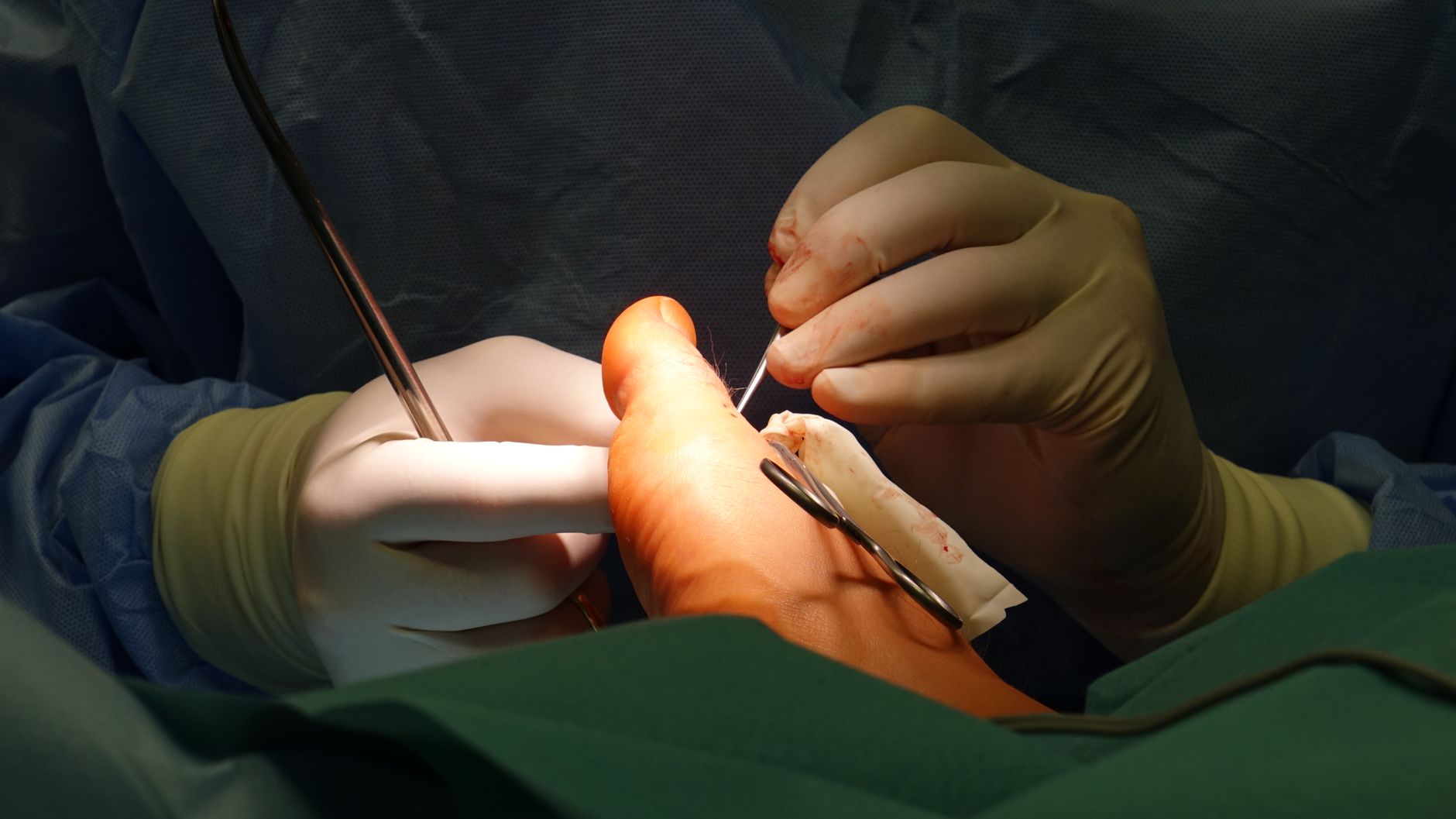
Local anesthesia is a medical technique that temporarily blocks pain sensation in a specific area of your body while keeping you fully awake and alert. During nail surgery, your doctor injects a numbing medication directly into the tissues around your nail to eliminate any discomfort during the procedure.
Unlike general anesthesia, which puts your entire body to sleep, local anesthesia only affects the immediate surgical area. This targeted approach is perfect for nail procedures because these surgeries are relatively minor and don't require you to be unconscious. You'll remain comfortable and aware throughout the entire process, able to communicate with your medical team if needed.
“Local anesthesia allows you to stay awake and comfortable while ensuring you feel no pain during nail surgery.”
The anesthetic medication works by temporarily blocking nerve endings in your finger or toe from sending pain signals to your brain. Think of it like temporarily unplugging a phone line—the connection is intact but no messages can get through. This creates a completely numb area where your doctor can work safely and effectively.
Most patients find local anesthesia preferable to general anesthesia because it eliminates the risks associated with being put under, such as nausea or prolonged recovery time. You can typically return to normal activities much sooner after your nail surgery.
Types of Anesthesia Used in Nail Surgery

Nail surgeons use several effective anesthetic methods to ensure your procedure remains completely painless. The choice depends on the specific surgery type, your medical history, and the surgeon's preference.
“Digital block anesthesia provides complete numbness for 2-4 hours, ensuring you feel nothing during the procedure.”
Digital block anesthesia represents the gold standard for nail procedures. Your surgeon injects lidocaine at the base of your toe, blocking all nerve sensation to the entire digit. This technique works within 5-10 minutes and provides 2-4 hours of complete numbness. The injection itself causes brief discomfort, but many patients describe it as similar to a dental injection.
Injectable lidocaine with epinephrine offers another reliable option. The lidocaine numbs the area while epinephrine reduces bleeding by constricting blood vessels. This combination typically lasts 1-2 hours and works perfectly for shorter procedures like ingrown toenail removal.
Topical anesthetic creams provide the gentlest option, though they work only for surface procedures. Applied 30-60 minutes before surgery, these creams numb the skin but cannot penetrate deep enough for major nail surgery. Surgeons often use them to reduce discomfort from the initial injection.
For example, if you're having an ingrown toenail removed, your surgeon might apply topical cream first, then perform a digital block for complete pain relief during the procedure. This approach minimizes any temporary discomfort while ensuring you remain completely comfortable throughout the surgery. Rest assured that nail procedures cause no permanent scarring when performed by experienced professionals using proper anesthetic techniques.
What to Expect During Anesthesia Administration
Understanding the injection process helps reduce anxiety about your nail surgery. Your doctor will clean the area around your nail with an antiseptic solution, then prepare the anesthetic injection using a small, fine needle.
The needle enters at the base of your toe or finger, and you'll feel a brief pinch similar to a bee sting.
The anesthetic flows slowly into the tissue, creating pressure and mild burning for 10-15 seconds.
Within 2-5 minutes, the entire digit becomes completely numb and ready for surgery.
The initial discomfort from the injection is temporary and significantly less painful than dental anesthesia. Most patients describe the sensation as a quick sting followed by warmth and tingling as the medication spreads.
Your digit will remain numb for 2-4 hours after the procedure. During surgery, you'll feel pressure but no pain. Some patients worry about permanent damage, but modern anesthetics are extremely safe and won't cause lasting effects to your skin or nail.
The numbness gradually fades as normal sensation returns from the tip of your digit inward. This process is completely normal and indicates proper healing.
Managing Discomfort and Side Effects

Most patients experience mild, temporary reactions after receiving local anesthesia for nail surgery. Understanding what's normal helps you feel prepared and confident about your recovery process.
Common side effects include temporary numbness at the injection site, mild swelling, and slight tenderness. These effects typically last 2-4 hours as the anesthetic medication naturally wears off. Some patients notice a slight metallic taste immediately after injection, which disappears within minutes.
Allergic reactions to local anesthetics are extremely rare. Your dermatologist screens for allergies beforehand and monitors you during the procedure. Signs of an allergic reaction include widespread rash, difficulty breathing, or rapid swelling beyond the injection area.
Numbness gradually fades as circulation returns to normal. You'll first notice tingling sensations, followed by the return of normal feeling. Avoid testing the numb area by pressing or pinching, as you could cause injury without realizing it.
Contact your dermatologist immediately if you experience severe swelling that spreads beyond the treatment area, signs of infection like increasing redness or pus, or if numbness persists beyond 8 hours. These symptoms require prompt medical attention.
Special Considerations and Precautions
Certain medical conditions require adjustments to anesthesia choices for nail surgery. Heart conditions, diabetes, and blood disorders may influence which anesthetic your doctor selects. Patients with liver disease process lidocaine differently, requiring dosage modifications.
Your medications matter significantly. Blood thinners like warfarin increase bleeding risk during injection. Antidepressants and beta-blockers can interact with epinephrine-containing anesthetics, causing blood pressure changes. Always provide a complete medication list, including supplements and over-the-counter drugs.
Pregnancy requires special attention. Local anesthetics like lidocaine are generally safe during pregnancy, but your doctor will choose the lowest effective dose. The second trimester is typically the safest time for elective nail procedures.
Age affects anesthesia response. Children need weight-based dosing and may require additional comfort measures. Older adults metabolize anesthetics more slowly and may experience prolonged numbness. Their thinner skin requires gentler injection techniques.
These precautions help prevent complications and ensure effective pain control. Your dermatologist will review your medical history thoroughly before selecting the safest anesthesia approach for your specific situation.
Provide your complete medical history and medication list to ensure your doctor selects the safest anesthesia option for your nail surgery.
Frequently Asked Questions
What is local anesthesia and how does it work for nail surgery?
Local anesthesia is a medical technique that temporarily blocks pain sensation in a specific area while keeping you fully awake and alert. During nail surgery, the doctor injects numbing medication directly into the tissues around your nail to eliminate discomfort. The anesthetic works by temporarily blocking nerve endings from sending pain signals to your brain, creating a completely numb area where the doctor can work safely.
How long does local anesthesia last during nail surgery?
Digital block anesthesia, the gold standard for nail procedures, provides 2-4 hours of complete numbness. Injectable lidocaine with epinephrine typically lasts 1-2 hours and works well for shorter procedures. The anesthesia works within 5-10 minutes after injection and ensures you feel nothing during the entire procedure.
What does the anesthesia injection feel like?
The injection itself causes brief discomfort that many patients describe as similar to a dental injection or a bee sting. Your doctor uses a small, fine needle at the base of your toe or finger. While there is a brief pinch during the initial injection, the area becomes completely numb within 5-10 minutes.
What are the different types of anesthesia used for nail surgery?
Digital block anesthesia is the gold standard, where lidocaine is injected at the base of your toe to block all nerve sensation to the entire digit. Injectable lidocaine with epinephrine is another option that numbs the area while reducing bleeding. Topical anesthetic creams provide the gentlest option for surface procedures but cannot penetrate deep enough for major nail surgery.
Is local anesthesia better than general anesthesia for nail surgery?
Yes, most patients find local anesthesia preferable because it eliminates the risks associated with general anesthesia, such as nausea or prolonged recovery time. Since nail surgeries are relatively minor procedures, you don't need to be unconscious and can remain comfortable and aware throughout the process. You can typically return to normal activities much sooner after your nail surgery with local anesthesia.
Disclaimer: This content is for informational purposes only and does not constitute medical advice. Always consult a qualified healthcare provider before making health decisions.