Understanding Ingrown Toenail Surgery

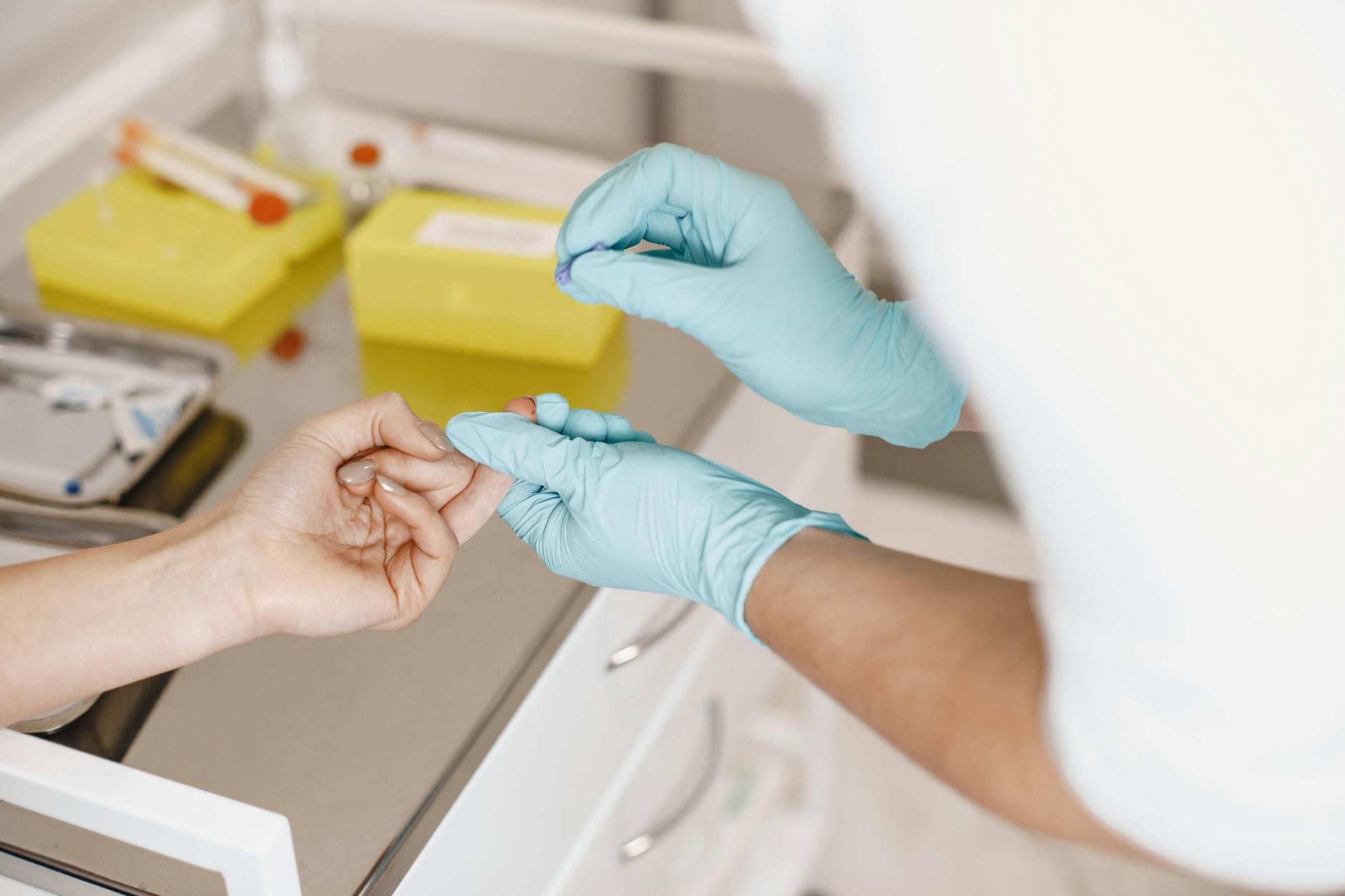
Ingrown toenail surgery is a minor medical procedure designed to remove part or all of a toenail that has grown into the surrounding skin. This outpatient surgery typically takes 30 to 60 minutes and involves numbing the toe with local anesthesia before removing the problematic nail portion.
“Surgery becomes necessary when conservative treatments fail to provide relief and infection risk increases.”
Doctors recommend surgical intervention when conservative treatments like proper nail trimming, soaking, and topical antibiotics prove ineffective. Surgery becomes the preferred option if you experience recurring infections, severe pain that interferes with daily activities, or significant swelling and discharge. Patients with diabetes or compromised immune systems often require surgery sooner to prevent serious complications.
For example, if your ingrown toenail returns within months despite careful home care, or if you develop thick, inflamed tissue around the nail bed, surgery offers a permanent solution.
Success rates for ingrown toenail surgery exceed 95%, with minimal scarring when performed by qualified professionals. Most patients return to normal activities within one to two weeks, and permanent nail deformity occurs in less than 5% of cases.
Types of Surgical Procedures
When conservative treatments fail, several surgical options can effectively resolve ingrown toenails. Understanding each approach helps you make informed decisions with your healthcare provider about the best treatment for your specific situation.
Partial nail avulsion removes only the ingrown portion of your toenail. The surgeon carefully cuts away the problematic edge while leaving the healthy nail intact. This targeted approach preserves most of your nail's appearance and function. For example, if the left side of your big toenail grows into the skin, only that specific edge gets removed. Recovery typically takes two to four weeks, and you can usually return to normal activities within days.
"Partial nail avulsion successfully treats most ingrown toenails while maintaining the nail's natural appearance."
Complete nail removal becomes necessary when the entire nail causes problems or infections recur frequently. This procedure removes your entire toenail but allows a new, hopefully healthier nail to grow back over several months. While more extensive, complete removal often provides definitive relief for severe cases.
Matrix destruction techniques use heat, chemicals, or laser energy to prevent nail regrowth in problem areas. Phenol application is the most common method, creating a controlled chemical burn that stops future growth. These procedures address your concern about permanent scarring by creating minimal, barely visible changes while preventing recurrence.
Your surgeon chooses the right procedure based on your nail's condition, infection severity, and previous treatment history. Most patients achieve excellent results with minimal cosmetic impact when the appropriate technique matches their specific needs.
Step-by-Step Surgical Process

Understanding exactly what happens during ingrown toenail surgery helps reduce anxiety and lets you prepare properly. The procedure typically takes 30-60 minutes in your doctor's office using local anesthesia.
Your toe gets thoroughly cleaned and sterilized while you complete consent forms.
Local numbing injections are given around the base of your toe to eliminate pain.
A small band wraps around your toe base to control bleeding during the procedure.
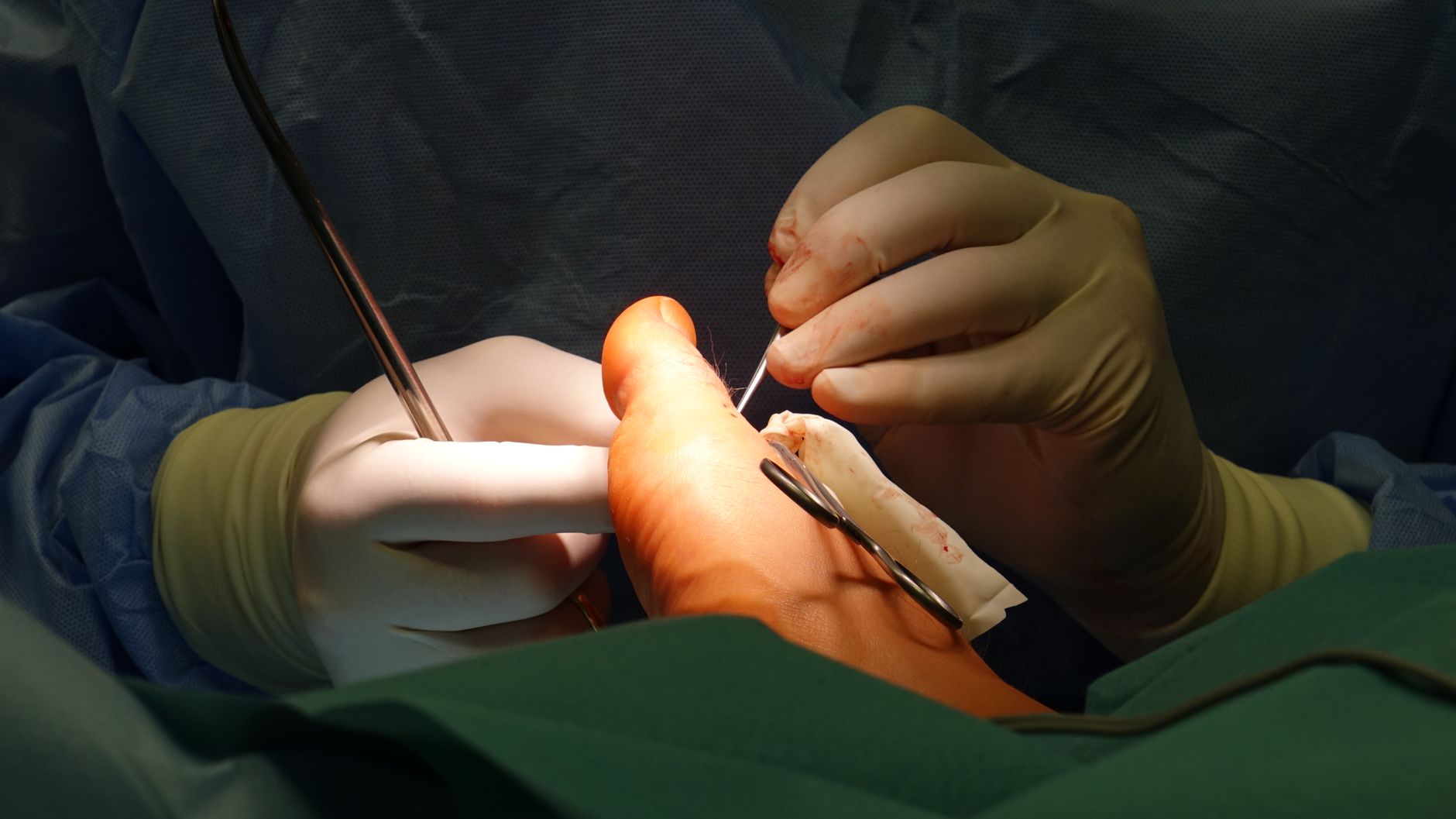
The surgeon carefully removes the problematic nail portion using specialized instruments.
Phenol solution may be applied to prevent regrowth of the removed nail section.
During the actual surgery, you'll feel pressure but no pain thanks to the anesthesia. Many patients describe the numbing injections as similar to dental work - a quick pinch followed by complete numbness. Your surgeon will explain each step as they work.
The surgical site receives careful attention to minimize scarring concerns. Surgeons use precise techniques and clean cuts to promote proper healing. Most patients experience minimal visible scarring when they follow post-procedure care instructions properly.
After removing the problematic nail section, your surgeon applies antibiotic ointment and a protective bandage. The tourniquet comes off, and normal blood flow returns to your toe. You'll receive detailed written instructions for home care, including when to change dressings and signs to watch for.
For example, if you have a severely curved nail digging into both sides of your big toe, the surgeon might remove about 25% of the nail width on each side. This approach preserves the nail's appearance while solving the ingrown problem permanently.
Most patients walk out immediately after surgery wearing a protective boot or open-toed shoe. The entire experience feels much less dramatic than anticipated, with complete healing typically occurring within 2-6 weeks depending on the procedure type.
Preparing for Your Surgery
Proper preparation helps ensure your ingrown toenail surgery goes smoothly and reduces the risk of complications. Your surgeon will provide specific instructions, but following these general guidelines will help you feel confident and ready.
Stop taking blood-thinning medications like aspirin or ibuprofen 48 hours before surgery unless your doctor advises otherwise.
Stock up on prescribed pain medication, antibiotic ointment, and clean gauze bandages for post-surgery care.
Wear loose-fitting shoes or sandals that won't put pressure on your toe after the procedure.
Clean your foot thoroughly the night before surgery and wear clean socks. Eat a normal breakfast unless your doctor specifies otherwise, as ingrown toenail surgery typically uses only local anesthesia. Bring your insurance card, a list of current medications, and someone to drive you home if you feel uncomfortable walking.
Many patients worry about visible scarring, but modern techniques minimize this risk significantly. The small incision typically heals with minimal scarring that's barely noticeable once fully recovered. Pack comfortable, loose-fitting shoes for the trip home, and arrange to have someone help with household tasks for the first day or two while your toe heals.
Recovery Timeline and Expectations
Understanding what happens during your recovery helps you plan effectively and recognize normal healing progress. Most patients return to regular activities within 2-4 weeks, though complete healing takes longer.
Your first week requires the most attention. Expect moderate throbbing pain for 2-3 days, manageable with over-the-counter pain relievers. Keep your toe elevated when sitting or lying down. You'll notice some clear or light yellow drainage - this indicates normal healing, not infection.
During week two, pain decreases significantly and you can gradually increase walking. The surgical site begins forming new skin tissue. Stick to open-toed shoes or loose-fitting footwear during this phase.
By week three, most patients resume normal walking patterns. The treated area appears pink and slightly tender but no longer requires daily bandaging. You can typically return to work if your job doesn't involve extended standing.
Proper healing shows steady improvement in comfort levels, decreasing redness around the nail bed, and no increasing pain or swelling. The new nail edge grows straight without curving inward.
Resume regular closed-toe shoes once you can wiggle your toe comfortably inside them, usually around week four. Athletic activities and tight footwear should wait until your surgeon confirms complete healing, typically 6-8 weeks post-surgery.
Contact your doctor immediately if you experience increasing pain, red streaking from the toe, or fever above 101°F, as these may indicate infection requiring prompt treatment.
Managing Post-Surgical Care

Proper aftercare determines whether your toe heals smoothly or develops complications that could lead to scarring or infection. Your surgeon will provide specific instructions, but understanding the fundamentals helps you navigate recovery with confidence.
Soak your foot in warm, soapy water for 10-15 minutes twice daily to prevent infection and remove debris.
Replace bandages with clean, dry gauze after each soak and apply antibiotic ointment as directed.
Check for signs of normal healing like decreasing pain and swelling over the first week.
Pain management typically involves over-the-counter medications like ibuprofen or acetaminophen. Most patients experience moderate discomfort for 3-5 days, then gradual improvement. Elevating your foot above heart level when resting reduces swelling and throbbing.
Your follow-up schedule usually includes an initial check at 1-2 weeks, then again at 4-6 weeks if healing progresses normally. These appointments allow your doctor to assess wound closure and address any concerns early.
Seek immediate medical attention if you notice red streaking extending from the surgical site, pus with a foul odor, fever above 101°F, or severe pain that worsens after day three. For example, if the skin around your toe becomes hot and red beyond the immediate surgical area, this could indicate spreading infection requiring prompt antibiotic treatment.
Most surgical sites heal completely within 4-6 weeks with minimal visible scarring when proper care protocols are followed consistently.
Long-Term Outcomes and Prevention
Most ingrown toenail surgeries achieve excellent long-term results. Partial nail removal shows success rates around 85-90%, while total nail removal approaches 95-98% effectiveness. Your nail will typically regrow within 12-18 months, though it may appear slightly narrower after partial procedures.
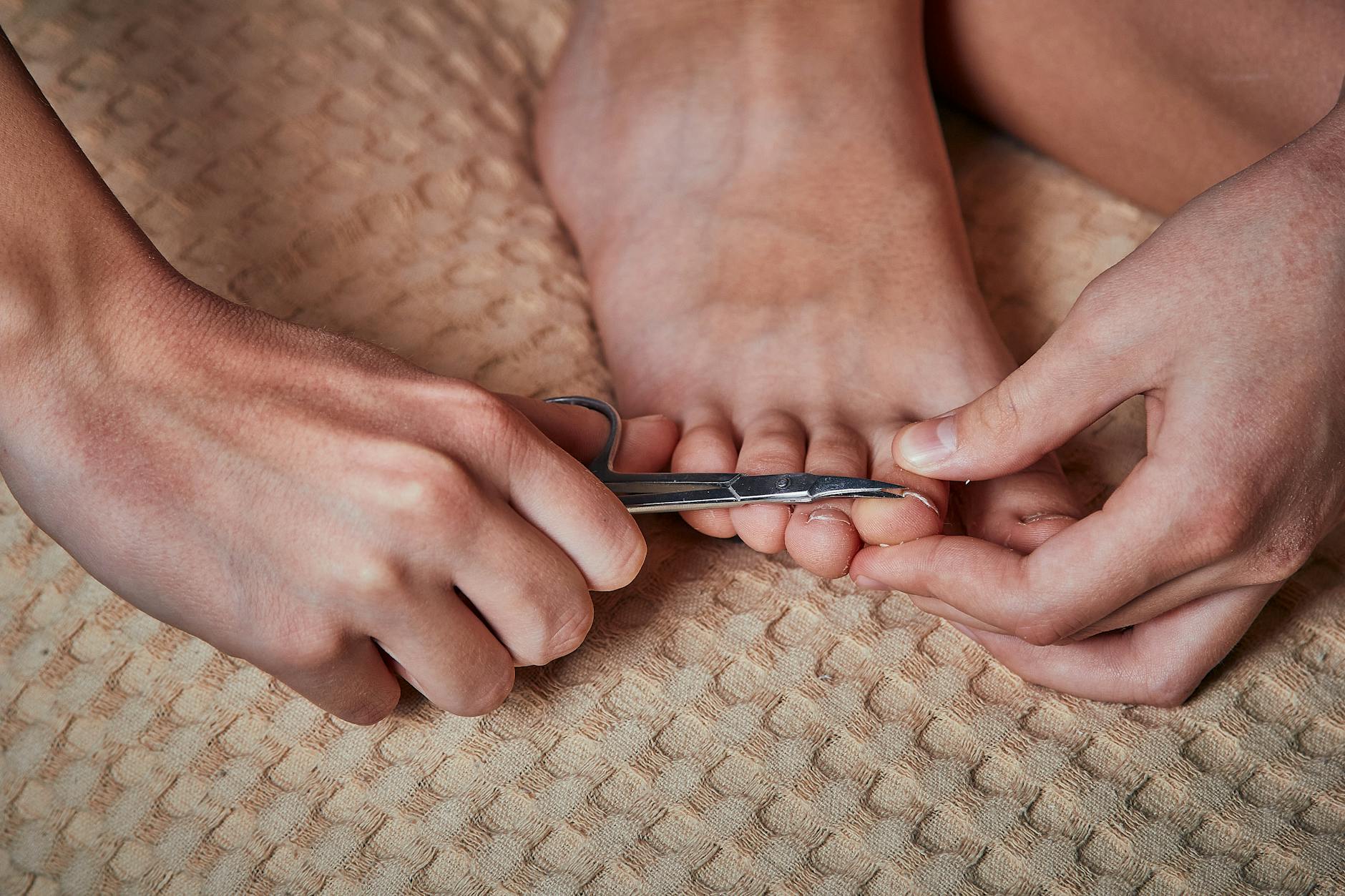
Preventing future ingrown nails requires consistent habits. Cut your toenails straight across, never curved. Leave about 1-2 millimeters of white nail edge visible. Choose shoes with adequate toe room—you should wiggle your toes freely. Replace worn athletic shoes that compress your feet.
While surgical sites heal cleanly in most cases, some people worry about permanent changes to nail appearance. Modern techniques minimize scarring, and any slight narrowing often goes unnoticed. Your nail's natural curve and thickness should return to normal.
Recurrence affects roughly 5% of patients, typically those who resume poor nail trimming habits or wear tight footwear. If ingrowth returns despite proper care, you may need repeat treatment or consideration of permanent nail removal for that section.
Success rates exceed 95% when combined with proper nail trimming and appropriate footwear choices.
Frequently Asked Questions
What is the success rate of ingrown toenail surgery?
Ingrown toenail surgery has a success rate exceeding 95% when performed by qualified professionals. The recurrence rate is only 2.5%, meaning most patients experience permanent relief from their ingrown toenail problems. Most patients return to normal activities within one to two weeks, and permanent nail deformity occurs in less than 5% of cases.
How much does ingrown toenail surgery cost?
The average cost of ingrown toenail surgery is around $400. For partial nail avulsion procedures, the average cost is typically lower at around $200. The exact cost may vary depending on the type of procedure needed and your healthcare provider.
How long does ingrown toenail surgery take?
Ingrown toenail surgery is a minor outpatient procedure that typically takes 30 to 60 minutes to complete. The surgery involves numbing the toe with local anesthesia before removing the problematic nail portion. Most patients can return home the same day of the procedure.
When is surgery recommended for ingrown toenails?
Surgery is recommended when conservative treatments like proper nail trimming, soaking, and topical antibiotics prove ineffective. Surgery becomes necessary if you experience recurring infections, severe pain that interferes with daily activities, or significant swelling and discharge. Patients with diabetes or compromised immune systems often require surgery sooner to prevent serious complications.
What is the difference between partial and complete nail removal?
Partial nail avulsion removes only the ingrown portion of your toenail while leaving the healthy nail intact, preserving most of the nail's appearance and function. Complete nail removal removes the entire toenail and is necessary when the whole nail causes problems or infections recur frequently. Partial removal has an 85% success rate with 3-6 weeks healing time, while complete removal allows a new nail to grow back over several months.
Disclaimer: This content is for informational purposes only and does not constitute medical advice. Always consult a qualified healthcare provider before making health decisions.