What Is Nail Bed Repair Surgery

Nail bed repair surgery is a specialized procedure that restores the delicate tissue underneath your nail after severe injury. The nail bed contains the pink tissue that supports nail growth and gives your nail its healthy appearance. When this area suffers damage, surgical intervention becomes necessary to prevent permanent deformity and restore normal function.
“Without proper repair, nail bed injuries can lead to permanent ridging, splitting, or complete nail loss.”
Several types of injuries require surgical attention. Crush injuries from doors or heavy objects often create complex lacerations that need careful reconstruction. Sharp cuts from glass or knives may slice through the nail bed cleanly, requiring precise suturing. Sports injuries, particularly in basketball or football, frequently cause avulsion injuries where the nail bed tears away from surrounding tissue.
Two main surgical approaches exist. Simple nail bed laceration repair involves cleaning the wound and suturing the torn tissue back together using fine threads. This works well for straightforward cuts. Nail bed grafting becomes necessary when tissue is missing or severely damaged. Surgeons harvest healthy nail bed tissue from another finger to replace the damaged area, ensuring your nail can grow back normally without scarring or deformity.
Who Needs Nail Bed Repair Surgery

You need nail bed repair surgery when trauma causes significant damage that won't heal properly on its own. Severe crush injuries from slamming your finger in a car door, workplace accidents with heavy machinery, or deep cuts from sharp objects often require surgical intervention.
“The key indicator is when the nail bed is lacerated more than 50% of its width or completely detached from underlying tissue.”
Conservative treatment fails when you notice persistent bleeding that won't stop with pressure, exposed bone beneath the nail, or large portions of torn nail bed tissue. These signs indicate damage too extensive for natural healing.
Seek immediate medical attention if your fingertip shows bone fragments, the nail is completely torn off with visible deep tissue damage, or you experience uncontrollable bleeding. While concerns about permanent scarring are natural, prompt surgical repair actually minimizes long-term cosmetic issues and prevents infection that could worsen appearance.
Emergency room doctors typically evaluate injury severity within hours to determine if surgery prevents permanent deformity or functional loss.
The Nail Bed Repair Surgery Process
Nail bed repair surgery follows a systematic approach designed to restore both function and appearance while minimizing scarring concerns. The procedure begins with thorough preparation to ensure optimal healing outcomes.
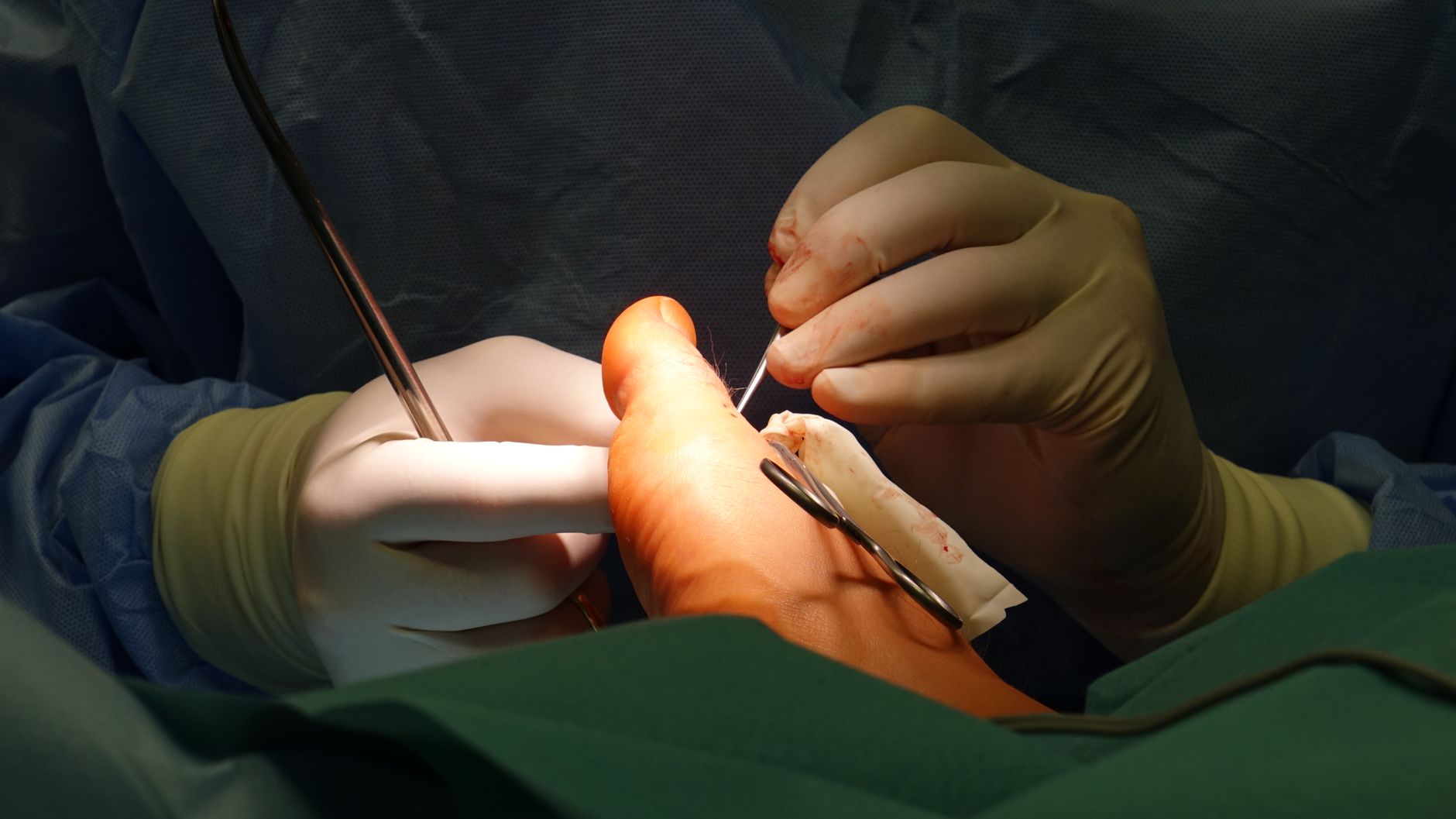
Your surgeon cleans the area, administers local anesthesia, and removes any damaged nail portions or debris.
The surgeon evaluates the extent of damage and determines the specific repair technique needed.
Torn edges are carefully realigned and sutured using fine surgical thread to restore the nail bed's smooth surface.
The repaired area receives specialized bandaging and sometimes a protective splint to prevent movement during healing.
The surgical technique varies based on injury complexity. Simple lacerations require basic suturing, while severe crushes may need tissue grafting or nail matrix reconstruction. Surgeons use magnification tools to ensure precise alignment, which directly impacts your final cosmetic result.
Most procedures take 30 to 60 minutes under local anesthesia. Complex cases involving bone fractures or extensive tissue loss may require longer surgical times and specialized techniques. The surgeon's meticulous attention to detail during this process significantly reduces scarring risks and improves long-term nail appearance.
Recovery and Healing Timeline
Understanding what to expect during recovery helps you plan ahead and reduces anxiety about the healing process. Your nail bed will progress through distinct phases, each with specific care requirements and milestones.
Immediately after surgery, your finger will be bandaged and elevated. Keep the area dry for 48 hours, then begin gentle cleaning with soap and water. Pain typically peaks on day two, then gradually decreases. You'll notice some swelling and tenderness, which is completely normal.
During weeks one through three, new tissue forms beneath your protective dressing. Change bandages daily and apply prescribed antibiotic ointment. Most patients return to desk work within a week, though you'll need to protect the finger from bumps and pressure.
By week four, the nail bed appears pink and healthy. New nail growth becomes visible around week six. While concerns about permanent scarring are natural, most nail beds heal with minimal visible marks when proper care is followed consistently.
Avoid heavy lifting, contact sports, and submersion in pools until your doctor clears you, typically around week eight.
Potential Risks and Complications

Like any surgical procedure, nail bed repair carries certain risks you should understand before moving forward. Most complications are rare and manageable when caught early.
Common complications include temporary swelling, mild pain, and minor scarring. While permanent scarring concerns many patients, proper wound care significantly reduces this risk. More serious complications like infection occur in roughly 5% of cases.
Watch for warning signs that require immediate medical attention: increasing redness spreading beyond the surgical site, yellow or green discharge, fever above 101°F, or severe throbbing pain that worsens after the first few days. Red streaks extending from the nail area signal a serious infection.
Contact your surgeon immediately if you notice any of these symptoms, or if the nail appears to be separating from the bed during healing. Early intervention prevents minor issues from becoming major problems.
Making Your Decision
Before scheduling nail bed repair surgery, prepare specific questions for your consultation. Ask about your surgeon's experience with similar cases, expected healing time, and realistic outcomes for your situation. Discuss what the procedure involves, post-operative care requirements, and when you can return to normal activities.
Consider alternative treatments first. Minor nail bed injuries may heal with conservative care, while some conditions respond well to non-surgical approaches. For related skin concerns like scarring or pigmentation changes, Chemical Peels offer acid treatments that remove damaged skin layers to improve texture and appearance through controlled chemical exfoliation.
Insurance coverage varies significantly for nail bed repairs. Medically necessary procedures typically receive coverage, while cosmetic improvements may require out-of-pocket payment. Request detailed cost estimates including surgeon fees, facility charges, and anesthesia costs. Understanding these factors helps you make an informed decision about proceeding with surgery.
Come prepared with specific questions about your case and understand all treatment options before committing to nail bed repair surgery.
Frequently Asked Questions
What is nail bed repair surgery?
Nail bed repair surgery is a specialized procedure that restores the delicate tissue underneath your nail after severe injury. The nail bed contains the pink tissue that supports nail growth and gives your nail its healthy appearance. When this area suffers damage, surgical intervention becomes necessary to prevent permanent deformity and restore normal function.
When do I need nail bed repair surgery?
You need nail bed repair surgery when the nail bed is lacerated more than 50% of its width or completely detached from underlying tissue. This typically occurs with severe crush injuries, deep cuts from sharp objects, or workplace accidents with heavy machinery. Conservative treatment fails when there's persistent bleeding, exposed bone beneath the nail, or large portions of torn nail bed tissue.
What types of injuries require nail bed surgery?
Several types of injuries require surgical attention including crush injuries from doors or heavy objects that create complex lacerations. Sharp cuts from glass or knives may slice through the nail bed cleanly, requiring precise suturing. Sports injuries, particularly in basketball or football, frequently cause avulsion injuries where the nail bed tears away from surrounding tissue.
What happens during nail bed repair surgery?
The procedure begins with thorough cleaning of the area, administration of local anesthesia, and removal of damaged nail portions or debris. The surgeon evaluates the extent of damage and determines the specific repair technique needed. Torn edges are carefully realigned and sutured using fine surgical thread to restore the nail bed's smooth surface, followed by specialized protective dressing.
What are the different surgical approaches for nail bed repair?
Two main surgical approaches exist for nail bed repair. Simple nail bed laceration repair involves cleaning the wound and suturing the torn tissue back together using fine threads, which works well for straightforward cuts. Nail bed grafting becomes necessary when tissue is missing or severely damaged, where surgeons harvest healthy nail bed tissue from another finger to replace the damaged area.
Disclaimer: This content is for informational purposes only and does not constitute medical advice. Always consult a qualified healthcare provider before making health decisions.