What Is a Nail Biopsy Procedure?

A nail biopsy is a minor surgical procedure where a dermatologist removes a small sample of nail tissue for laboratory analysis. This diagnostic tool helps doctors identify the exact cause of persistent nail problems, infections, or suspicious changes that resist standard treatments.
“A nail biopsy provides definitive answers when visual examination alone cannot determine the underlying condition.”
Three main types of nail biopsies exist. A nail plate biopsy removes a portion of the actual nail. A nail bed biopsy samples the tissue underneath the nail where it attaches to your finger. A nail matrix biopsy targets the area at the base of the nail where growth occurs.
Doctors recommend nail biopsies when they suspect fungal infections that don't respond to treatment, possible skin cancer under the nail, or chronic inflammatory conditions like psoriasis affecting nail growth. For example, a dark streak under your nail that changes shape or color might require biopsy to rule out melanoma.
While concerns about permanent scarring are natural, skilled dermatologists use precise techniques that minimize cosmetic changes. The procedure typically takes 15-30 minutes under local anesthesia, and most patients experience only mild discomfort during recovery.
When You Need a Nail Biopsy

Your doctor will recommend a nail biopsy when visual examination and basic tests can't determine what's causing your nail problems. This procedure becomes necessary when you have persistent symptoms that don't respond to standard treatments.
Nail discoloration that won't go away often signals the need for biopsy. Black or brown streaks, unusual white patches, or yellow discoloration that persists for months may indicate serious conditions. For example, a dark line running from your cuticle to the nail tip could be melanoma, particularly if it appears on your thumb or big toe.
“Early detection through nail biopsy can be life-saving when dealing with potential nail melanoma.”
Suspected infections that don't clear with antifungal or antibiotic treatments also warrant biopsy. Chronic nail thickening, crumbling, or unusual growths around the nail bed require tissue analysis to rule out bacterial, fungal, or viral causes.
Your dermatologist may also suggest biopsy when they suspect nail psoriasis, lichen planus, or other inflammatory conditions. While the procedure leaves a small mark, proper technique minimizes scarring concerns, and accurate diagnosis leads to faster, more effective treatment.
Types of Nail Biopsy Procedures
Your dermatologist will choose the most appropriate biopsy technique based on your specific condition and the location of the affected area. Understanding these different methods can help ease concerns about potential scarring and ensure you know what to expect during your procedure.
A punch biopsy uses a circular cutting tool to remove a small, round piece of tissue from the nail bed or surrounding skin. This technique works well for investigating suspicious growths or infections in the soft tissue around your nail. The wound typically heals with minimal scarring when performed correctly.
The shave biopsy method involves removing a thin layer of tissue using a razor-like instrument. Doctors often use this approach for surface lesions on the nail fold or when examining raised areas that don't extend deep into the nail structure. This technique usually leaves the least noticeable marks.
Nail plate biopsy requires removing part of the actual nail to examine underlying tissue. Your doctor may need to take this approach when investigating conditions affecting the nail bed directly, such as certain types of melanoma or persistent infections.
Matrix biopsy considerations are particularly important since this area produces your nail. Any procedure involving the nail matrix requires careful planning to minimize permanent changes to nail growth. Your dermatologist will discuss these risks thoroughly before proceeding with matrix-related biopsies.
What to Expect During the Procedure
Understanding exactly what happens during a nail biopsy helps reduce anxiety and prepares you for the experience. The procedure typically takes 15-30 minutes and follows a structured process designed for your comfort and safety.
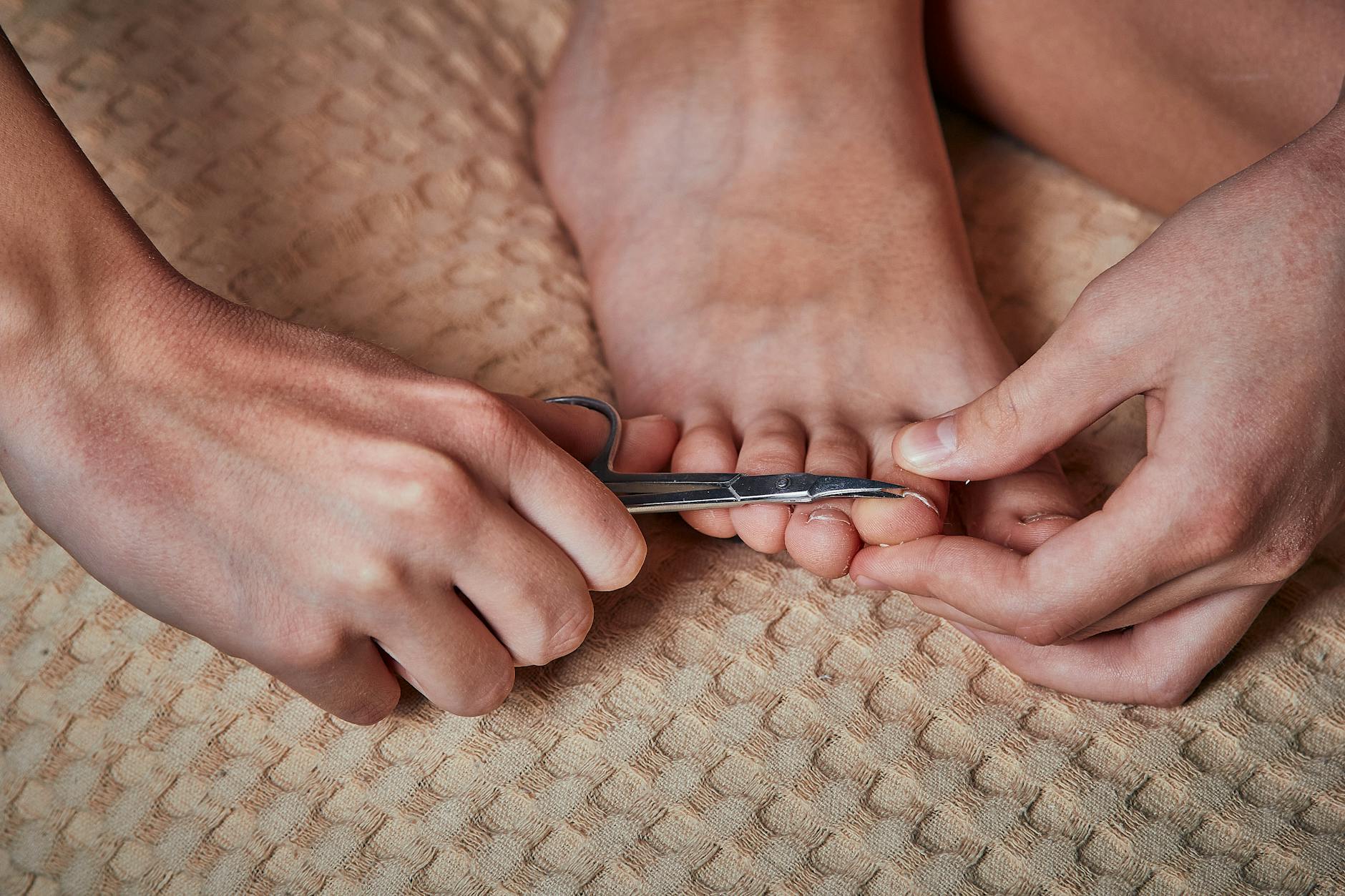
Your doctor will clean the nail area thoroughly and may trim the nail shorter for better access.
A numbing injection is given around the nail to ensure you feel no pain during the biopsy.
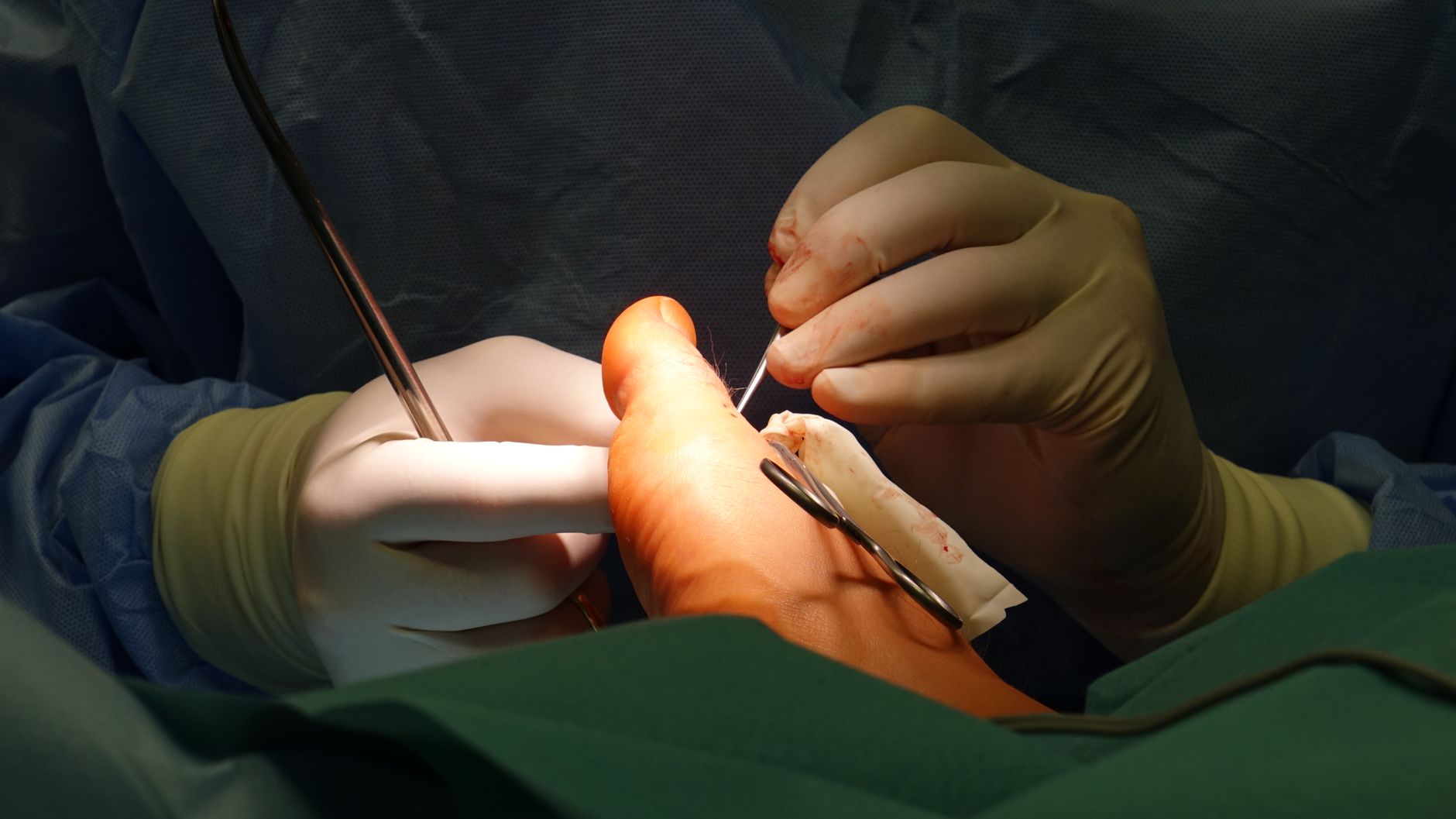
The doctor carefully removes the required tissue sample using sterile instruments specific to your biopsy type.
The site is cleaned, dressed with antibiotic ointment, and bandaged to promote proper healing.
Most patients worry about permanent scarring, but nail biopsies are designed to minimize cosmetic impact. Your doctor selects the least invasive technique needed for accurate diagnosis. For example, a simple nail clipping biopsy leaves no visible marks, while even punch biopsies typically heal with minimal scarring that becomes less noticeable as the nail grows.
You might feel pressure during the procedure despite the numbing medication, which is completely normal. Your doctor will explain each step as it happens, helping you stay informed and relaxed throughout the process.
Recovery and Results Timeline

Understanding your recovery timeline helps reduce anxiety about the healing process. Most patients see initial healing within the first week, with complete recovery taking two to three weeks depending on the biopsy location and your body's healing response.
Your biopsy results typically arrive within three to five business days after the procedure. Your dermatologist will call with results or schedule a follow-up appointment to discuss findings and treatment options if needed.
Normal healing shows gradual improvement each day with minimal redness and no increasing pain. Watch for warning signs that require immediate attention: excessive bleeding that won't stop with pressure, severe increasing pain, red streaking from the site, or pus discharge. These symptoms are uncommon but need prompt medical evaluation.
Schedule your follow-up appointment before leaving the office. This ensures you receive your results promptly and can address any concerns about healing. Most patients experience minimal scarring, especially with proper wound care during recovery.
Next Steps After Your Nail Biopsy
Your dermatologist will typically receive your biopsy results within one to two weeks. During this time, your nail will continue healing according to the timeline discussed earlier. Understanding your results helps determine the best treatment approach for your specific condition.
When results arrive, your doctor will explain the findings in clear terms. Benign conditions like fungal infections or trauma-related changes often require topical treatments or lifestyle modifications. More serious findings may need specialized therapies, surgical procedures, or referral to an oncologist.
Your treatment plan depends entirely on what the biopsy reveals. Fungal infections respond well to antifungal medications, while melanoma requires immediate surgical intervention. Some conditions need ongoing monitoring with regular follow-up appointments to track changes over time.
Scarring concerns are understandable, but proper post-biopsy care minimizes this risk significantly. Most patients experience minimal visible changes once healing completes. Your doctor will discuss realistic expectations for your nail's appearance and function based on your specific diagnosis and treatment plan.
Follow your treatment plan consistently and attend all follow-up appointments to ensure the best possible outcome for your nail health.
Frequently Asked Questions
What is a nail biopsy and why is it performed?
A nail biopsy is a minor surgical procedure where a dermatologist removes a small sample of nail tissue for laboratory analysis. This diagnostic tool helps doctors identify the exact cause of persistent nail problems, infections, or suspicious changes that resist standard treatments. It provides definitive answers when visual examination alone cannot determine the underlying condition.
When do doctors recommend a nail biopsy?
Doctors recommend nail biopsies when they suspect fungal infections that don't respond to treatment, possible skin cancer under the nail, or chronic inflammatory conditions like psoriasis affecting nail growth. The procedure becomes necessary when you have persistent symptoms that don't respond to standard treatments, such as nail discoloration that won't go away or suspected infections that don't clear with antifungal or antibiotic treatments.
What are the different types of nail biopsy procedures?
There are three main types of nail biopsies: nail plate biopsy removes a portion of the actual nail, nail bed biopsy samples the tissue underneath the nail where it attaches to your finger, and nail matrix biopsy targets the area at the base of the nail where growth occurs. Your dermatologist will choose the most appropriate technique based on your specific condition and the location of the affected area.
How long does a nail biopsy take and does it hurt?
The nail biopsy procedure typically takes 15-30 minutes under local anesthesia. Most patients experience only mild discomfort during recovery. While concerns about permanent scarring are natural, skilled dermatologists use precise techniques that minimize cosmetic changes.
What nail symptoms should prompt a biopsy?
Black or brown streaks, unusual white patches, or yellow discoloration that persists for months may indicate serious conditions requiring biopsy. A dark line running from your cuticle to the nail tip could be melanoma, particularly if it appears on your thumb or big toe. Chronic nail thickening, crumbling, or unusual growths around the nail bed also warrant tissue analysis.
Disclaimer: This content is for informational purposes only and does not constitute medical advice. Always consult a qualified healthcare provider before making health decisions.