What Is Nail Plate Reconstruction?

Nail plate reconstruction is a surgical procedure that rebuilds or repairs damaged nail beds and surrounding tissue. This technique restores both the function and appearance of nails that have been severely injured, infected, or affected by chronic conditions.
“Reconstruction can restore both nail function and cosmetic appearance, addressing concerns about permanent visible damage.”
Doctors typically recommend this procedure after traumatic injuries that crush or tear the nail bed, severe infections that destroy nail tissue, or chronic conditions like psoriasis that cause permanent nail deformity. Some patients also need reconstruction following surgical removal of nail tumors or cysts.
The procedure uses several methods depending on your specific situation. Surgeons may perform direct repair of the nail bed, use skin grafts from other body areas, or employ synthetic materials to reconstruct damaged structures. The chosen technique depends on the extent of damage and which parts of the nail unit require repair.
Recovery typically takes several months, but most patients see significant improvement in both nail appearance and function.
Who Needs Nail Plate Reconstruction?

Several conditions can damage your nail plate severely enough to require reconstruction. Trauma cases represent the most common scenario - crushing injuries from accidents, severe cuts, or burns that destroy the nail matrix. These injuries can leave permanent scarring, but reconstruction offers hope for restored function and appearance.
"Nail plate reconstruction can restore both function and confidence when trauma or disease severely damages your nails."
Congenital nail disorders like nail-patella syndrome or congenital anonychia affect nail development from birth. Children born with missing or severely malformed nails often benefit from reconstruction as they grow older.
Serious infections, particularly those involving MRSA or fungal overgrowth, sometimes destroy nail tissue beyond repair. Cancer treatments, especially chemotherapy and radiation near the hands or feet, can also cause permanent nail damage requiring surgical intervention to restore normal nail growth and prevent ongoing complications.
Types of Nail Plate Reconstruction
When your nail plate suffers severe damage, several reconstruction techniques can restore both function and appearance. Understanding your options helps ease concerns about permanent disfigurement and gets you back to normal life faster.
Surgical grafting methods use healthy tissue from other parts of your body to rebuild the nail bed. Surgeons typically harvest skin from your toe or finger to create a new foundation for nail growth. This approach works best for extensive damage where the nail bed itself needs repair.
Artificial nail placement involves attaching prosthetic nails designed to look natural while your nail regrows underneath. These temporary solutions protect the healing area and maintain normal appearance during recovery.
Tissue reconstruction approaches focus on repairing the surrounding structures that support nail growth. Surgeons reconstruct damaged bone, tendon, or soft tissue to create optimal conditions for natural nail regeneration. Your doctor will recommend the best technique based on your specific injury pattern and healing goals.
The Reconstruction Procedure

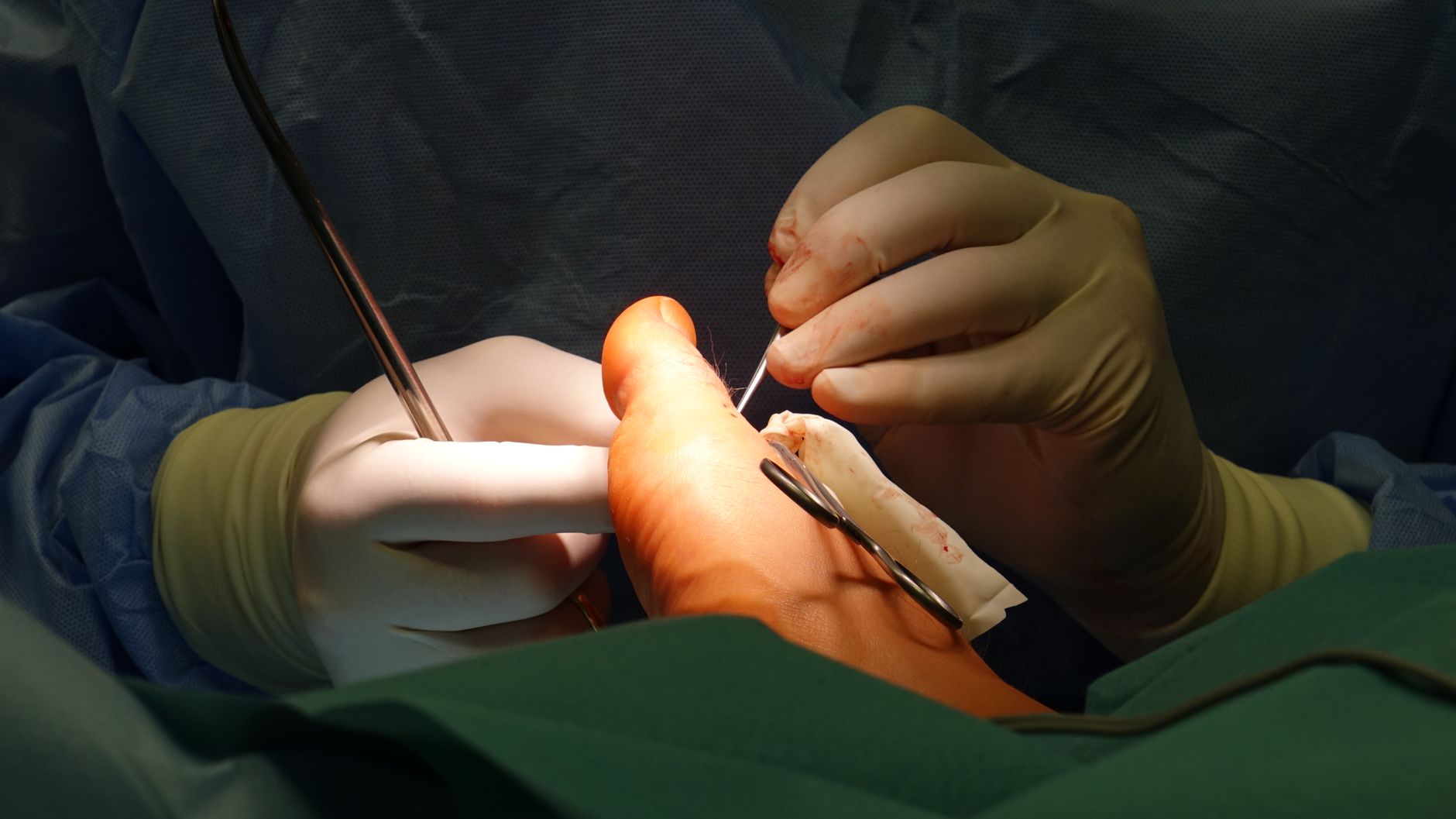
Your surgeon will begin with detailed pre-procedure planning, including photographs and measurements of the affected nail area. You'll receive specific instructions about medication adjustments and wound care supplies to gather beforehand.
Local anesthetic is administered to numb the finger or toe completely.
The surgeon carefully prepares the nail bed and removes any damaged tissue.
The chosen technique is implemented, whether using local flaps, grafts, or synthetic materials.
Sutures secure the reconstruction and protective dressing is applied.
Most procedures take 30 to 90 minutes depending on complexity. While scarring concerns are natural, proper technique minimizes visible marks and preserves function.
Recovery and Healing
The initial healing phase begins immediately after surgery, with the surgical site requiring careful protection for the first 1-2 weeks. You'll notice swelling and mild discomfort, which typically peaks within 48 hours before gradually improving.
Your doctor will restrict activities to prevent complications. Avoid soaking the nail in water, wear protective bandages, and limit use of the affected finger. Most patients can return to desk work within a few days but should avoid heavy lifting or gripping activities for 2-3 weeks.
Complete nail regrowth takes 6-12 months, with visible improvement appearing after 3-4 months. Watch for signs of complications like increasing pain, pus, red streaking, or fever, which require immediate medical attention. Most patients heal without permanent scarring when following aftercare instructions properly.
Follow your doctor's aftercare instructions precisely to ensure optimal healing and prevent complications during the months-long recovery process.
Frequently Asked Questions
What is nail plate reconstruction?
Nail plate reconstruction is a surgical procedure that rebuilds or repairs damaged nail beds and surrounding tissue. This technique restores both the function and appearance of nails that have been severely injured, infected, or affected by chronic conditions. The procedure uses methods like direct nail bed repair, skin grafts from other body areas, or synthetic materials depending on the extent of damage.
Who needs nail plate reconstruction surgery?
People who need nail plate reconstruction typically have severe nail damage from traumatic injuries like crushing accidents, severe cuts, or burns that destroy the nail matrix. Other candidates include those with congenital nail disorders like nail-patella syndrome, serious infections that destroy nail tissue beyond repair, or cancer patients whose treatments have caused permanent nail damage. Children born with missing or severely malformed nails also often benefit from this procedure.
What are the different types of nail plate reconstruction?
There are three main types of nail plate reconstruction: surgical grafting methods that use healthy tissue from other parts of your body to rebuild the nail bed, artificial nail placement involving prosthetic nails that protect the healing area while maintaining appearance, and tissue reconstruction approaches that repair surrounding structures like bone, tendon, or soft tissue. Your doctor will recommend the best technique based on your specific injury pattern and healing goals.
How long does recovery from nail plate reconstruction take?
Recovery from nail plate reconstruction typically takes several months. Most patients see significant improvement in both nail appearance and function during this time period. The exact recovery timeline can vary depending on the extent of damage and the specific reconstruction technique used.
Can nail plate reconstruction restore both function and appearance?
Yes, nail plate reconstruction can restore both nail function and cosmetic appearance, addressing concerns about permanent visible damage. The procedure is designed to rebuild damaged nail structures and create optimal conditions for natural nail regeneration. This helps patients regain normal nail function while also improving the aesthetic appearance of previously damaged nails.
Disclaimer: This content is for informational purposes only and does not constitute medical advice. Always consult a qualified healthcare provider before making health decisions.